




Related: Fleet Hacks: Rethink the Job, Save the Template, Check the Data
 MENU
MENU SEARCH
What do fleet managers need to do when a driver leaves?
One fleet pro's process for driver offboarding can act as insight for your fleet.
Automotive Fleet
*Summarized by AI
When an employee with an assigned company vehicle leaves the organization, the vehicle itself can easily become an afterthought.
Keys may be handed to a receptionist. A vehicle may sit at a remote location while someone decides what happens next. Damage that was never reported may not be discovered until the vehicle is reassigned or returned. Fuel cards, toll transponders, telematics devices, and other equipment can disappear in the transition.
For fleet managers, a consistent vehicle offboarding process can help prevent those gaps while preparing the asset for whatever comes next.
Ideally, vehicle offboarding begins before the employee's final day.
“Most organizations follow a structured turn-in procedure,” said Oleg Cytowicz. “If the handover occurs at a formal location, such as a sales office or headquarters, the driver typically meets with a responsible manager or HR representative. A checklist accounts for keys, documents, and equipment. A visual inspection is performed at the same time, and any damage identified is reported back to the fleet manager.”
The departing employee should also be reminded of responsibilities that remain at turn-in, including previously unreported vehicle damage and outstanding violations.
“Departing employees should be reminded that they are responsible for any previously unreported damage and any outstanding violations,” Cytowicz said. “They should also verify previously reported mileage for accuracy and submit their final business/personal mileage for year-end tax reporting, which will be reflected on their W-2.”
The goal is to close out both the employee's responsibilities and the vehicle's records rather than simply collect the keys.
The inspection should go beyond looking for dents and scratches.
“Critical items include vehicle documentation—registration, insurance card, fuel card, maintenance records—especially if the vehicle will be redeployed or relocated,” Cytowicz said. “Any installed equipment like telematics devices, cameras, and toll transponders should be accounted for before approving the turn-in.”
Interior condition can be another source of surprises.
“Interior condition is another common issue,” Cytowicz said. “Damage or excessive wear often goes unnoticed until the vehicle is processed for return. It is the exiting employee’s responsibility to ensure the vehicle is clean and that any previously reported damage has been addressed.”
Documenting these items at handoff gives the fleet manager a clearer picture of the asset's condition before the vehicle moves elsewhere.
One of the biggest gaps in vehicle offboarding can occur when the person accepting the vehicle doesn't know what to do with it.
“Most issues stem from the person accepting the vehicle not being familiar with the turn-in process,” Cytowicz said. “Keys are handed to a receptionist or coworker, no inspection is performed, and missing items go unreported, creating avoidable problems.”
That becomes particularly challenging when an employee leaves unexpectedly or works remotely.
“In remote turn-in situations, fleet managers may receive advance notice and can schedule a driveaway service with specific inspection instructions,” Cytowicz said. “Relocation companies typically have their own inspection protocols, and fleet managers can supplement these with additional requirements when needed.”
The important part is establishing who is responsible for accepting and documenting the vehicle, regardless of where the handoff occurs.
A vehicle's condition at offboarding shouldn't be the first time a fleet learns how that asset has been treated.
“Standardized inspections, and the frequency of those inspections, are key,” Cytowicz said. “Some fleets conduct DVIR twice daily depending on vehicle class and DOT requirements. The biggest gaps tend to occur with sales, service, and pool vehicles, which often appear ‘perfect’ until the fleet manager inspects them personally.”
Regular inspections can help identify problems throughout the vehicle's service life rather than waiting until an employee leaves.
“Regular inspections improve turn-in condition and protect asset value,” Cytowicz said. “Establishing a consistent inspection timeline and protocol helps identify issues early and prevents costly surprises.”
Technology can also make that process easier to standardize, particularly when vehicles and drivers are dispersed.
“There are many inspection tools available in the fleet industry,” Cytowicz said. “At Connex2x, our advantage is voice-streaming technology. Drivers interact with NEXi through natural conversation. NEXi guides them through the inspection, directs photo capture to ensure quality, confirms equipment, and collects driver sign-off. Within seconds, the completed inspection report appears on the fleet manager’s desktop.”
That same process can also be used when an employee is leaving the company.
“For exiting employees, the fleet manager simply sends a QR code and additional instructions to initiate the inspection,” Cytowicz said. “The completed report is automatically shared with managers, HR, and payroll as needed. This provides an updated vehicle status and makes redeployment or turn-in decisions straightforward.”
Regardless of the technology used, the objective is the same: create a repeatable record of vehicle condition that doesn't depend solely on where the vehicle is located or who receives it.
Vehicle offboarding isn't complete once the employee hands over the keys.
“Clear communication is essential,” Cytowicz said. “Fleet managers should outline expectations for vehicle condition, required documentation, and equipment before the employee’s final day. They should also ensure the vehicle is turned in to someone trained in the offboarding process.”
Just as importantly, fleet should already know where the vehicle is going next.
“Finally, fleet managers should determine the vehicle’s next step….storage for a new hire, reassignment, return to the FMC, or sale, all before the vehicle is turned in,” Cytowicz said. “Having a plan in place eliminates delays and reduces unnecessary costs.”
A strong offboarding process ultimately connects several pieces that can easily become separated when an employee leaves: the driver, HR, fleet, payroll, the vehicle's condition, and the asset's next assignment.
For fleet managers, the best time to answer those questions is before the keys land on someone's desk.
Loading data...

Operations
Nearly eight in 10 surveyed fleets allow personal use of company vehicles, while just over half of respondents report charging employees for the privilege.

Safety
Insights from a commercial insurance carrier and a broker show how fleets can turn video telematic data, driver coaching, and improved claims results into a stronger case at insurance renewal.

Fleet Forward
Five fleet professionals — none with programming skills — discuss how they’re using AI to build fleet solutions in-house and in a fraction of the time.

Maintenance
Vincentric’s three-year, 60,000-mile projections reveal wide differences for both scheduled and unscheduled maintenance among selected vehicle categories. Projected maintenance visits also play a factor.
State of the Fleet Industry
Most organizations misunderstand fleet. The best managers make sure that doesn’t happen.
Remarketing
A vehicle health score could improve the value of fleet vehicles at remarketing. The path to a universal standard is forming, and fleets that understand the process early will be better positioned when it arrives.
Technology
AI is no longer a luxury but the baseline for profitability in 2026. Auto haulers that adopt these tools now will quickly outpace those that use manual workflows or take a wait-and-see approach.

Fleet Forward
The job hasn’t changed, but the expectations have. Do you have a plan on how to use AI to thrive?
Maintenance
The repair crisis gets blamed on technician shortages and parts delays. But a big part of the problem is what's happening before the vehicle even reaches the shop, and that's within your control.
Remarketing
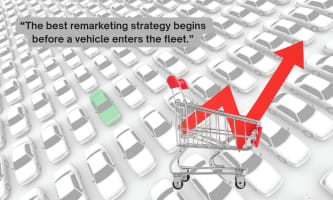
Smart remarketing begins before vehicles enter the fleet, and is built on strong data and stronger FMC partnerships.
State of the Fleet Industry
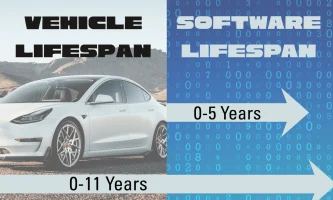
When the US’s largest EV manufacturer discontinues a model, it gives me pause to consider the software that drives it.
Operations
Here’s what is keeping fleet managers up at night this year, and what they're doing about it.
Leasing
As costs rise and scrutiny increases, fleets are refining criteria that govern eligibility for company-owned vehicles.