




About the Author: Elizabeth Schultz is a well-rounded, ambitious journalist from Iowa. She is a fourth-year University of Iowa student and has covered a wide range of topics, including news, culture, politics, and entertainment. Schultz has experience in writing and storytelling across broadcast, radio, and print articles, and is eager to share stories with communities.
What Fleet Drivers Need to Know About Aging Drivers on U.S. Roads
With 1 in 5 Americans soon to be 65+, fleet drivers are seeing more age-related challenges on the road. This quick look breaks down the risks, realities, and what it means for safer shared roadways.
by Elizabeth Schultz
November 26, 2025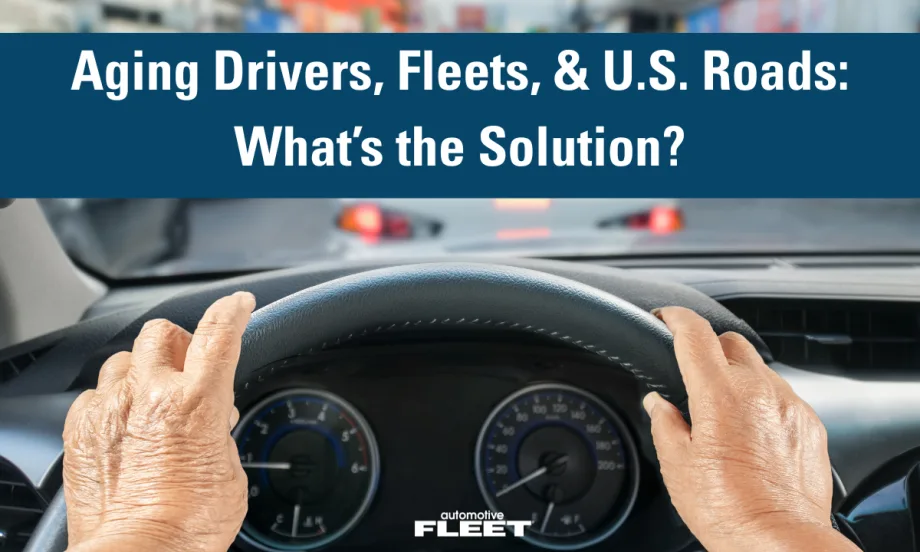
As America ages, fleet drivers navigate new road safety challenges.
Image: Automotive Fleet
4 min to read
It’s a common sight for anyone who drives for a living: a car drifting slightly over the center line, or a driver sitting so low in their seat that only a peek of gray hair is visible above the steering wheel. Many pedestrians may think it’s harmless and not a big deal, but these are everyday encounters the average American faces. For fleet drivers and business operators who spend hours on the road every day, these moments aren’t rare; but routine.
By 2030, 1 in 5 Americans will be 65 or older, according to the U.S. Census Bureau. Many of them will still be behind the wheel. For older adults, driving is not just transportation; it is independence. It lets them shop, visit family, attend appointments, and stay connected to daily life. But as America’s population ages, fleet drivers and commercial operators face an unavoidable question: How do age-related driving challenges affect road safety, and what does that mean for the people who drive for work?
Elderly Driver Risk Factors: What the Data Shows
The AAA Foundation for Traffic Safety reports that adults 70+ are twice as likely to be involved in a crash per mile driven compared to middle-aged drivers. The main risks come from things like:
Slower reaction times
Reduced peripheral vision
Difficulty judging turns
Memory lapses
Side effects from medications
The Governors Highway Safety Association also highlights the safety of elderly drivers. While elderly drivers are less likely to engage in reckless behaviors like speeding, texting, or driving under the influence, they are more physically fragile. A fender-bender that a 30-year-old might walk away from with no injuries can land an 80-year-old in the hospital with life-threatening injuries. Even minor accidents may lead to long-term health effects or loss of independence.
Brian Ortner, spokesperson for AAA, captures this grey line.
“They are considered some of the safest drivers on the road because they are taking the precautions to reduce injuries. The unfortunate reality is that when they are involved in a crash, their age-related fragility causes more of them to be seriously injured or killed in those crashes. There’s safety on one side, but there are concerns on the other with them.”
Ortner’s point aligns with findings from the National Aging and Disability Transportation Center, which emphasizes the importance of preparing seniors for the day they stop driving. Yet, many families avoid it when the day comes. Statistics matter but lived experiences shape perceptions. Fleet drivers see firsthand how a split-second hesitation from another driver can change everything.
State Laws for Elderly Drivers: What Fleet Operators Should Know
Driving regulations for seniors vary dramatically across the U.S. This variation means fleet drivers often face inconsistent roadway safety conditions, depending on their route. Groups like AARP offer senior-focused driver safety courses that blend independence with risk reduction, but participation is voluntary.
Mobility Transition Planning: A Safer Path Forward
The National Aging and Disability Transportation Center (NADTC) promotes “mobility transition planning,” encouraging families to prepare seniors for reduced or modified driving instead of waiting for a crisis.
Fleet professionals can relate; this mirrors how fleets transition drivers to new technologies, new safety protocols, or new vehicle types. Gradual change works better than the sudden removal of responsibility.
For seniors, this might mean:
Limiting driving to daylight
Sticking to familiar routes
Avoiding highways
Relying on rideshares or community transit
However, in many rural areas, where both seniors and commercial drivers share long stretches of roads, alternatives are limited or nonexistent.
Vehicle Technology and Older Drivers - How ADAS Helps (and Doesn’t)
Advanced Driver Assistance Systems (ADAS) are reshaping fleet safety, but not all older drivers have access to these tools.
Helpful features include:
Automatic emergency braking
Lane-departure warnings
Blind-spot detection
Emergency steering assist
These systems can compensate for slower response times, but two major barriers remain:
Many seniors drive older, paid-off vehicles without these features.
Some seniors feel overwhelmed by ADAS and distrust automated intervention.
Fleet vehicles often have more up-to-date technology than personal vehicles, which can lead to different driving capabilities on the road.
What Fleet Drivers Need to Watch For
As America ages, the presence of elderly drivers on the road will increase, and with it, comes the reality of safely sharing that space.
For fleet and business drivers, this means:
Being aware of slower or hesitant vehicles
Allowing extra space and time when following older drivers
Staying patient during left turns or intersection navigation
Recognizing that safety requires empathy, not blame
AAA’s Brian Ortner puts it simply:
“It’s not about punishing older drivers. It’s about helping them stay safe and mobile in ways that work for everyone.”
For every commercial driver, the road is both a workplace and a responsibility. As the country continues to gray, ensuring safety will require awareness, compassion, and preparation from families, policymakers, automakers, and every fleet driver behind the wheel.
Subscribe to Our Newsletter
More Vehicle Research
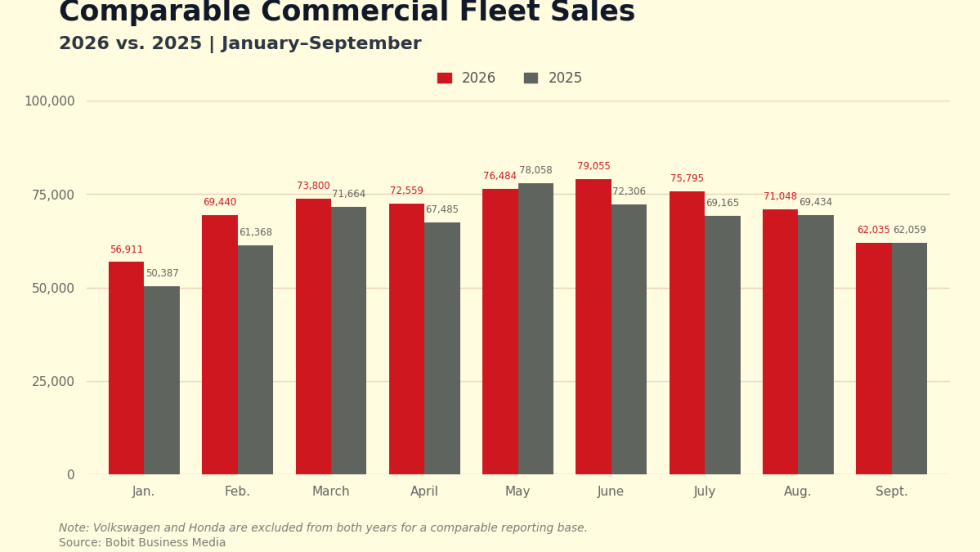
Commercial Fleet Sales Rise 5.8% Through September 2026
September commercial fleet sales were essentially unchanged from a year earlier, slowing year-to-date growth while keeping volume ahead of 2025.
Read More →
Hall of Fame Inductee: John Dmochowsky
The longtime Mondelēz International fleet executive joins the Automotive Fleet Hall of Fame.
Read More →
Hall of Fame Inductee: Lee Miller
After more than four decades at Boehringer Ingelheim, Lee Miller leaves a legacy built on fleet expertise.
Read More →
Hall of Fame Inductee: Mark F. Petersen
From managing fleets of thousands of vehicles to advancing safety and mentoring fellow professionals, Mark F. Petersen made his mark across both the corporate and supplier sides of fleet.
Read More →
When Charger Downtime Becomes a Fleet Availability Problem
As EV deployments move beyond pilot programs, charger reliability can directly affect vehicle readiness, driver productivity and route scheduling.
Read More →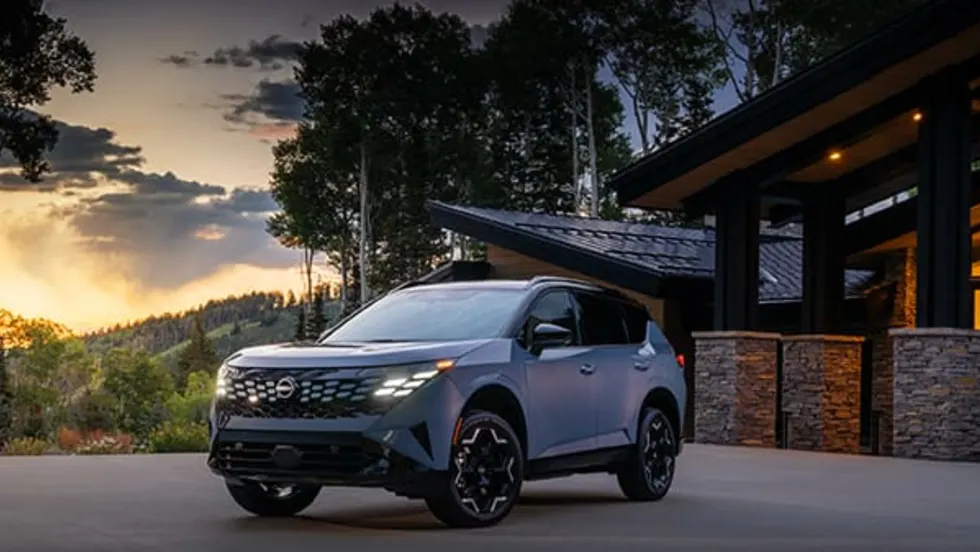
2027 Nissan Rogue Hybrid Adds e-POWER, Standard AWD
The new Rogue Hybrid uses Nissan’s e-POWER system with dual electric motors, offers an estimated 40 mpg and starts at $35,490.
Read More →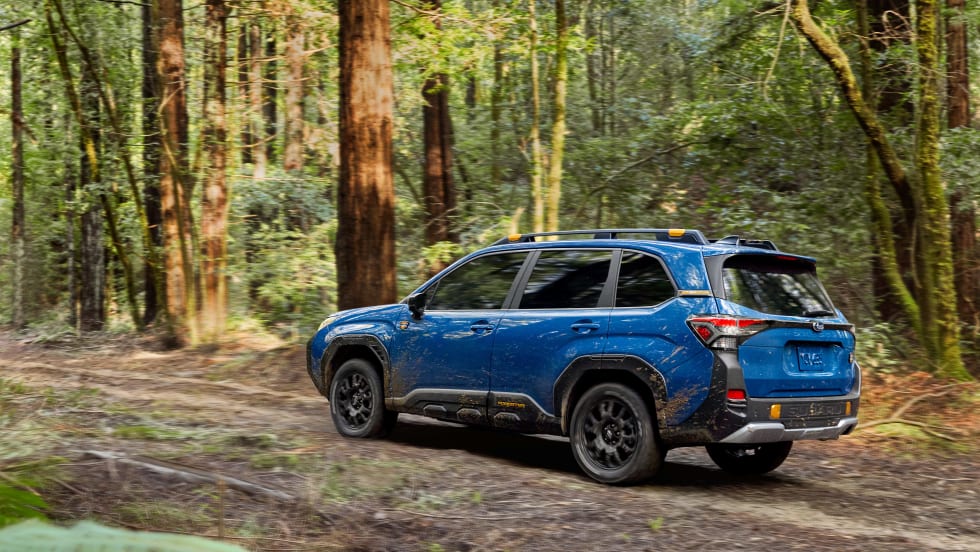
2027 Subaru Forester Adds First Wilderness Hybrid
The 2027 Forester lineup starts at $29,995 and adds a Wilderness Hybrid with 194 combined horsepower and 9.3 inches of ground clearance.
Read More →
EV Realty Names Henrik Holland President as Charging Platform Expands
The former Prologis Mobility and Shell executive will help expand EV Realty’s truck charging business and move its power-first infrastructure model into autonomous vehicle depots and other fleet sectors.
Read More →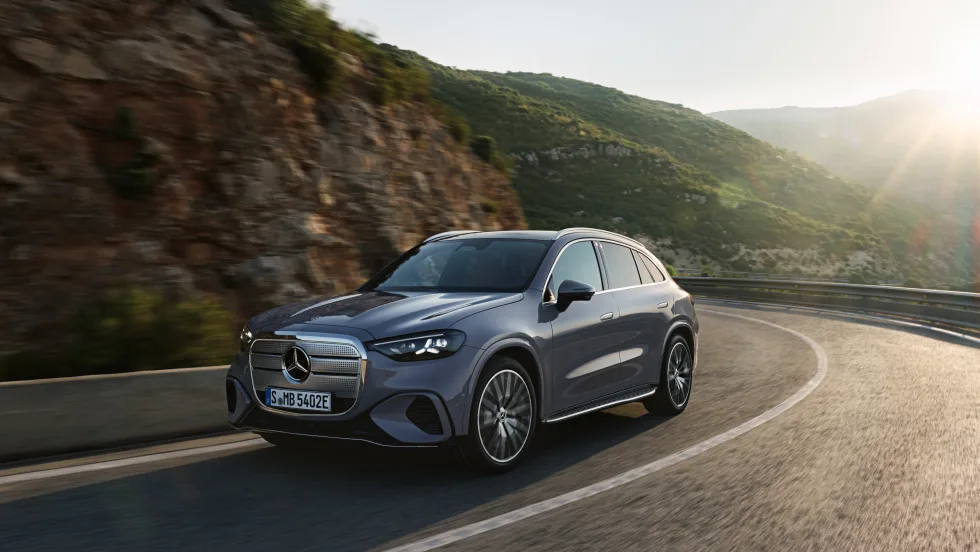
Mercedes-Benz Introduces Electric GLC With Up to 350 Miles of Range
The GLC 400 4MATIC Electric features an 800-volt architecture, 330-kW DC fast charging and a 94-kWh battery, along with Mercedes-Benz's new MB.OS operating system.
Read More →
Fleet Has a Talent Pipeline Problem, not a Talent Problem
Where will the next generation of fleet leaders come from, and what does the industry need to do differently to find them?
Read More →