





Keep Reading! How Coaching, Not Training, Builds Safer Fleets
Clearly Defined Rush Hours Are Fading: What Does it Mean for Fleets?
The TomTom Traffic Index is based on real-world driving data, comparing actual travel times to free-flow conditions to show how congestion impacts mobility across cities and metro areas.
January 30, 2026
With the well-known "rush hour" time frame becoming less evident and difficult to predict, fleets have to plan in advance.
Credit: Automotive Fleet
4 min to read
The annual TomTom traffic index released its 15th edition on global traffic trends.
The goal of the study is to better understand traffic behavior and its effects on people.
The Index is built from anonymized GPS and real-world vehicle speed data collected across trillions of kilometers of actual driving in global road networks. This data comes from connected vehicles and devices moving through urban and metro areas.
Despite persistent urban bottlenecks, the study revealed that the U.S remains one of the least congested countries overall. In 2025, the U.S. ranked 54th globally with an average congestion level of 19%. This reflects higher average travel speeds in the U.S.
Global congestion numbers rose by 5% this year, indicating more slowdowns.
The Top U.S Congested Cities
Los Angeles, California, ranked as the most congested city in the U.S. at 60%, with Honolulu and San Francisco following closely behind.
While New York City’s congestion numbers didn’t rise, the city still remains the slowest overall for a second year in a row. The average commuter lost 120 hours this year during peak traffic.
When Does Congestion Occur?
With recent hybrid and remote work trends, the typical “rush hour” isn’t as common. Congestion times are spreading throughout the day rather than concentrated in morning or evening peaks.
Cities with the worst congestion levels (LA, NYC, SF) represent areas where fleets may see elevated operational costs and slower deliveries, as well as potential spikes in fuel consumption and emissions.
What Does the TomTom Study Mean for Fleets?
Automotive Fleet connected with Senior Account Manager Pete Costello at TomTom to gain real-world insight for fleets.
AF: TomTom’s data suggests traditional rush hours are becoming less defined. How can fleets adjust delivery windows or service schedules in response to more “spread-out” congestion?
Costello: The Traffic Index data shows that the clearly defined rush hour is fading. Instead of sharp peaks in the morning and evening, we’re seeing congestion spike throughout the day. Knowing this, fleet managers should plan for a variety of congestion scenarios. Leveraging location data to understand traffic patterns, including real-time congestion and incidents along their routes, makes it easier to be flexible and adaptable to evolving road trends. Our data shows midweek travel is typically the busiest, giving fleets a possible opportunity to plan around that clustering by adjusting staffing or pushing non-urgent deliveries to less congested days.
AF: From a cost perspective, where does congestion hurt most today? Fuel, labor, or something else?
Costello:From a cost perspective, congestion today hits fleets most through time, which naturally drives up labor and fuel costs. While we can’t speak to any one fleet dataset directly, our Traffic Index shows that in major metros, drivers are losing dozens of hours per year to traffic jams. That can add up quickly, leading to more overtime, reduced productivity per vehicle, and extra fuel spent idling.
AF: How can fleets turn traffic data into actionable insights rather than just reporting?
Costello: Fleets can turn real-time and historical traffic data into actionable insights. With precise delivery locations and route optimization, fleets can adjust departure times, reroute around congestion and incidents, and schedule deliveries before delays happen. Address and location data help identify precise delivery points, turning insights into smarter daily operations rather than just reports. Digital mapping infrastructure like our Orbis Maps lets fleets integrate precise vehicle localization into trucks, enabling advanced driver-assistance systems and helping minimize road incidents in real time.
AF: Looking ahead, what traffic or congestion trends worry you most over the next five years?
Costello: What’s top of mind for the team here at TomTom is building better solutions for alleviating traffic. Dynamic approaches, such as increased investment in public transit and road infrastructure, and strategies like NYC’s congestion pricing, tend to have a measurable positive effect on traffic patterns. In fact, our data shows that the city’s traffic benefits from this policy. On the other hand, decisions that focus solely on static infrastructure, such as road widening, often have a smaller impact and don’t address the underlying bottlenecks created by poorly coordinated road networks. Looking ahead, we’re focused on using our real-time traffic insights and AI-driven mapping to help cities move beyond reactive fixes and toward smarter, data-led strategies that measurably improve how people and goods move every day.
More Mobility
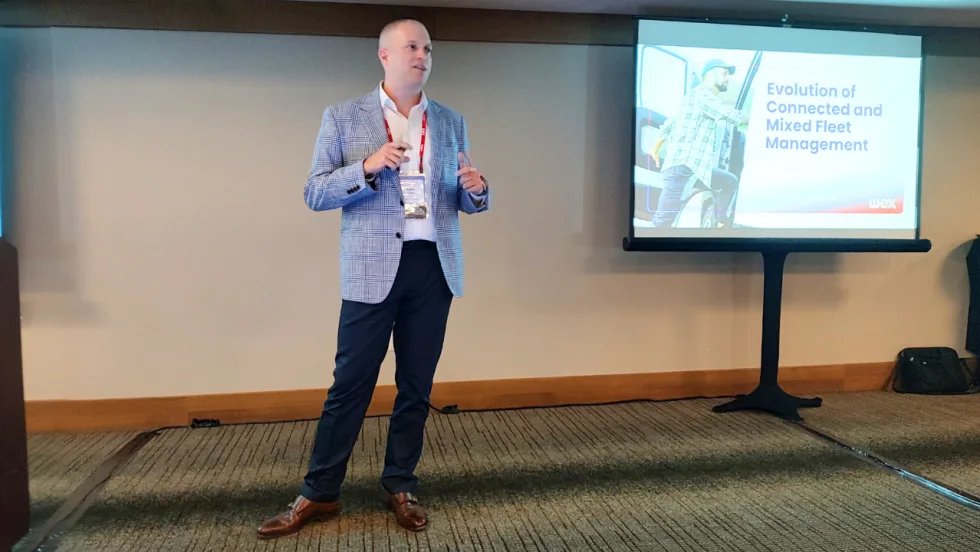
Industry Stakeholders Explore Innovation at the WEX North America Mobility Summit
What happened at WEX North America Mobility Summit?
Read More →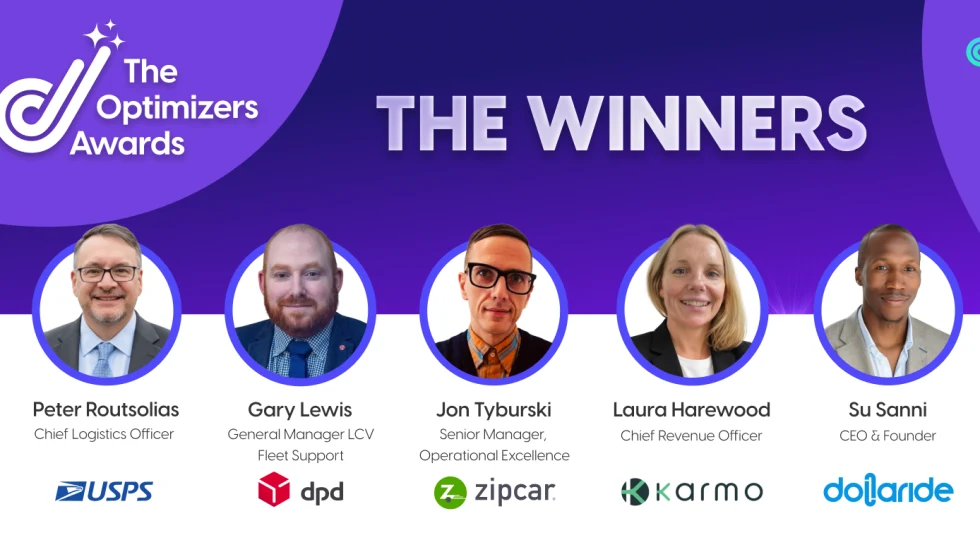
USPS, Zipcar, DPD UK, and Others Named Winners of The Optimizers Awards 2026
USPS, Zipcar, DPD UK, and other fleet organizations were recognized in the 2026 Optimizers Awards for initiatives involving route optimization, automation, AI, and fleet utilization.
Read More →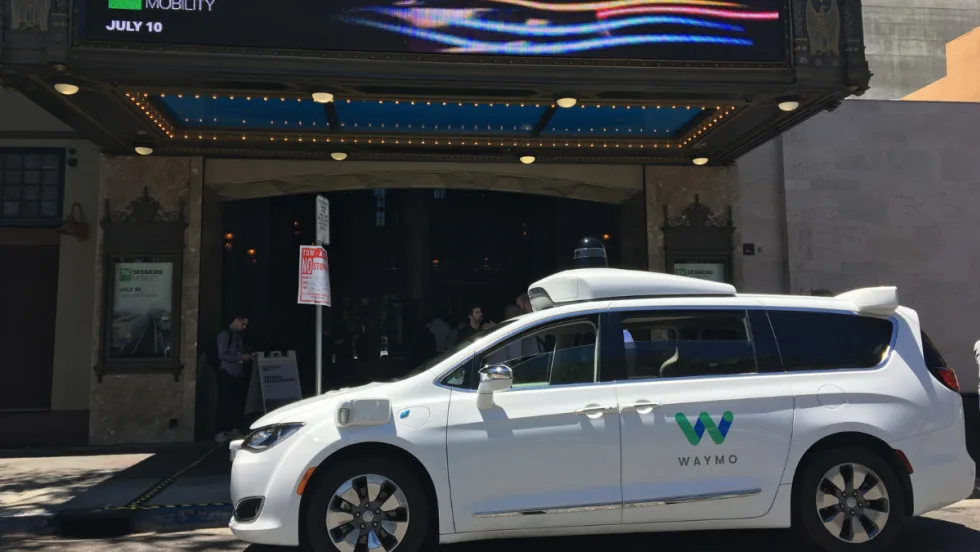
2026 Is an Inflection Point for Autonomy, If Policy Keeps Pace
After years of hype and setbacks, autonomy is back on track. But policy, not technology, will determine how fast fleets can deploy them.
Read More →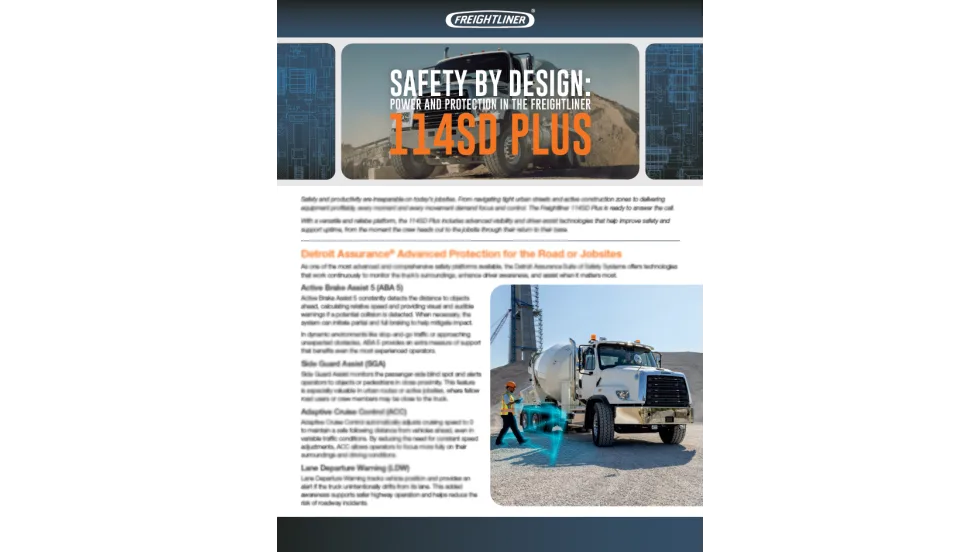
Safety by Design: Power and Protection in the Freightliner 114SD Plus
Fleet managers are under pressure to reduce accidents, control costs, and improve operational efficiency. See how advanced vehicle safety technologies are helping fleets operate smarter and safer.
Read More →
AVOA Partners with AALA and NLC
The American Vehicle Owners Alliance (AVOA) recently announced its partnership with the American Automotive Leasing Association (AALA) and the National League of Cities (NLC).
Read More →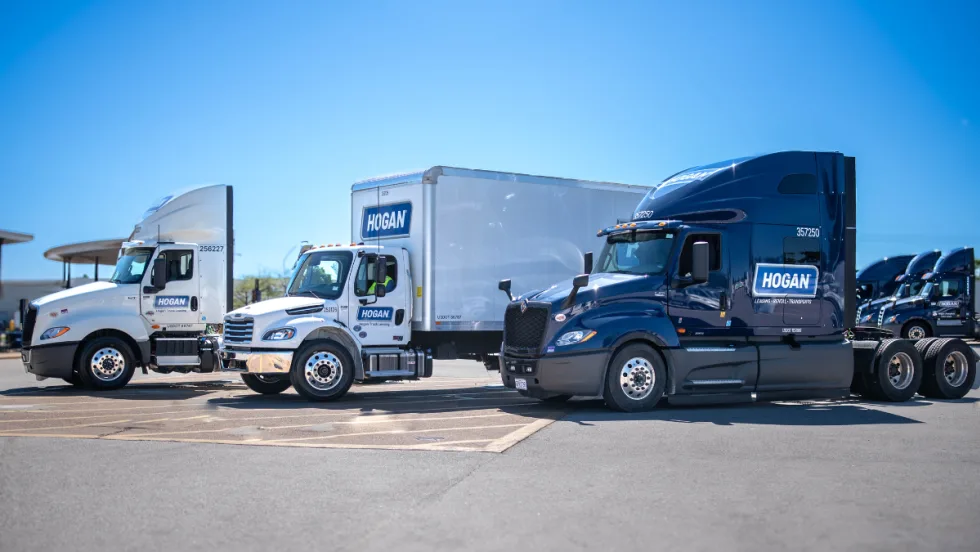
Enterprise Mobility Announced Acquisition with Hogan
Family-founded industry leaders combine to offer an expanded mobility portfolio.
Read More →
Element to Acquire Car IQ: What Does it Mean for Fleets?
AF connected with Element’s David Attard to learn how Car IQ will integrate into Element’s ecosystem and take vehicle-initiated payments beyond fueling and into maintenance, violations, and other service categories.
Read More →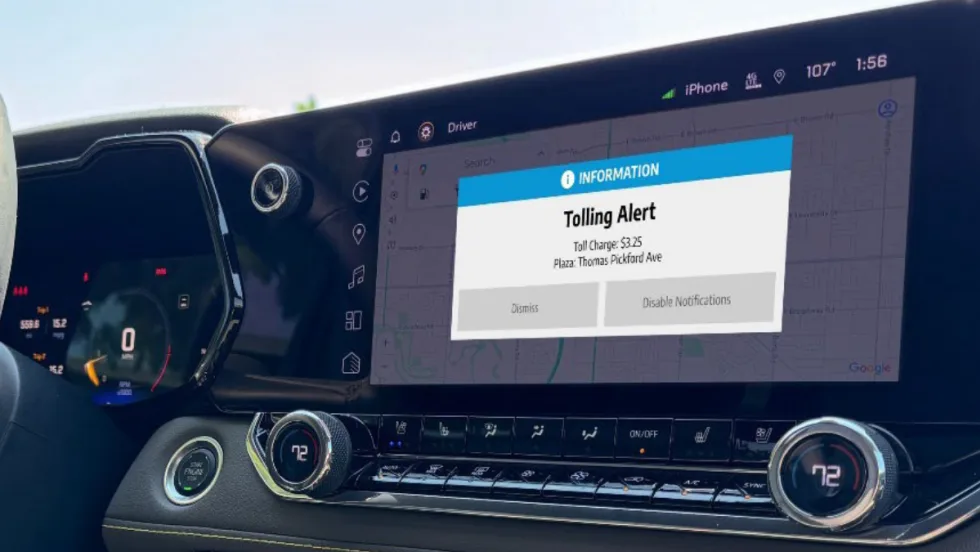
Stellantis & Verra Mobility Launch Connected Vehicle Solution
Verra Mobility launched AutoKinex to provide drivers with secure in-vehicle payments and partnered with Stellantis for nationwide tolling.
Read More →
Despite World Troubles, Forward Thinking Guides Fleets
Fleet operators shared their challenges during an annual conference that embraced the latest advances across all aspects of running private- and public-sector vehicles.
Read More →
Automotive Fleet's Guide to Fleet Electrification
Unlock the secrets to a successful transition to electric fleets with Automotive Fleet's comprehensive Fleet Electrification Guide!
Read More →