




Rachael Plant is a senior content marketing specialist for Fleetio, a fleet maintenance and optimization platform that helps organizations run, repair, and optimize their fleet operations.
How to Retain Technicians Through Better Maintenance Practices
When fleets modernize maintenance with digital tools and technician-first processes, they improve uptime and create workplaces where technicians want to remain.
by Rachael Plant
September 3, 2025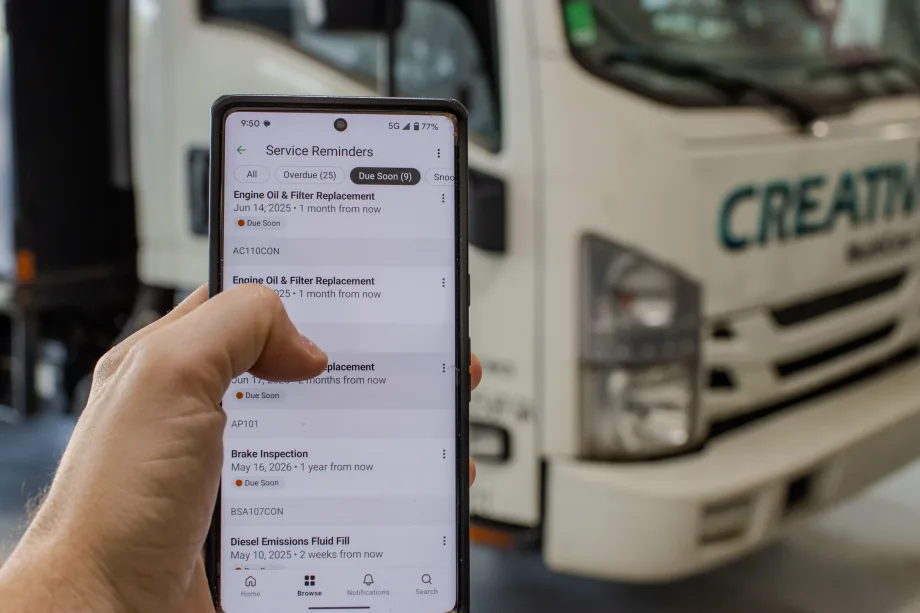
Digital fleet solutions streamline maintenance tasks by automating scheduling, using service tracking, and reporting.
Photo: Fleetio
4 min to read
Maintenance and repairs are not only essential for keeping fleets running, they also represent one of the highest cost centers. Technician hiring, training, and retention can add to the challenge, especially when poor processes lead to comeback repairs or high technician turnover due to workflow and workload frustrations. To maximize uptime and reduce costs, fleets need skilled technicians, safe working conditions, and efficient shop processes.
That’s why preventive maintenance (PM) programs aren’t just about protecting assets, they’re about protecting technicians too. A structured, well-supported maintenance strategy reduces daily firefighting, eliminates rework, and creates a more predictable and satisfying environment for technicians.
Preventive Maintenance as a Technician Enabler
A preventive maintenance (PM) program is essential to fleet health, but the benefits extend beyond vehicles. For technicians, PM programs mean fewer last-minute crises, better workload balance, and more opportunities to focus on quality work. Here are five core pillars in developing a strong PM program — reframed with technician satisfaction in mind:
Develop a PM schedule: Predictable schedules keep technicians from being overwhelmed by urgent, avoidable repairs. Use time or mileage intervals as criteria for routine PM based on OEM recommendations.
Provide training: Ensure drivers and technicians know how to identify early issues, empowering techs with skills and recognition.
Maintain detailed records: Tracking service histories eliminates confusion, prevents duplication, and makes technicians’ jobs easier.
Monitor performance: Metrics like repair costs and recurring issues give technicians proof of the impact of their work.
Leverage fleet software: Digital platforms automate scheduling, service tracking, and reporting so technicians spend less time on paperwork and more time on tools.
While many fleets struggle with PM compliance when relying on paper or spreadsheets, digital fleet solutions streamline the process with automated reminders and centralized service data. For technicians, that means fewer manual tasks, easier access to repair histories, and less frustration overall.
From Preventive to Predictive Maintenance
Most fleets operate mixed asset types, which makes PM scheduling complex. By creating a list of each asset — including age, mileage, and make/model/year (MMY) — fleets can prioritize upcoming maintenance more effectively. For technicians, this clarity reduces rework and unnecessary tasks.
Best practices for PM adherence also benefit technicians directly:
Automate service reminders: Real-time odometer updates ensure technicians get vehicles at the right time.
Use digital inspections: Early issue detection helps technicians avoid time-wasting comeback repairs.
Leverage digital work orders: These streamline scheduling and allocate technician time more efficiently.
Tap third-party shops: Automated approvals and billing reduce bottlenecks that frustrate in-house teams.
Ensure reliable fleet reporting: Identifying recurring issues helps technicians solve root causes, not just symptoms.
“A well-executed maintenance strategy is about more than just avoiding breakdowns,” explains Kevin Chan, director of product marketing at Fleetio. “Combining structured preventive programs with predictive practices allows fleets to improve uptime, control costs, and extend asset lifespans.”
And critically, it also makes the technician’s day-to-day easier and more rewarding.
Retention Starts with Frictionless Workflows
The U.S. faces ongoing technician shortages, making it vital to create work environments that not only attract skilled labor but also keep technicians engaged and satisfied. Preventive maintenance programs that reduce chaos and digitize workflows are one of the best retention tools fleets have.
Here are additional ways fleets can strengthen retention:
Invest in career development: Ask about career goals, sponsor certifications, and create mentorship opportunities so technicians see a path forward.
Cover tool-related costs: Starter toolboxes, allowances, or milestone-based support reduce a major financial burden.
Eliminate pain points with digitization: Digital work orders accessible via mobile or tablet let technicians focus on vehicles instead of paperwork.
Safety, Compliance, and Technician Health
Retention isn’t just about career growth, it’s also about protecting long-term health. The physical demands of the job drive many to exit the field early. Fleets can address this through better shop safety practices that reduce injuries and fatigue.
Practical steps include:
Ergonomic tools and anti-vibration gloves
Back, knee, and wrist supports
High-quality eye protection
Lifts, hoists, and carts to minimize strain
Equally important: ask technicians for input on their pain points and preferences. Direct feedback helps fleets make smart investments that truly improve safety and productivity. Workload distribution should also be part of the safety conversation, as overburdened technicians face higher risks of burnout and injury.
Training and Upskilling
As fleets adopt new diagnostic tools, telematics, and digital platforms, technician roles are evolving. Fleets that prioritize training and growth create not only better operations but also more engaged technicians. Upskilling makes technicians feel valued while preparing them for new technologies and higher-paying roles.
Best practices include:
Assess current skills and gaps to guide training investments.
Invest in hands-on training through workshops or mentorship programs.
Encourage continuous learning with stipends, certifications, or online platforms.
Bring in experts and mentors for specialized areas like EV maintenance.
Track progress and give feedback tied to clear goals.
Upskilling, paired with safer environments and frictionless workflows, creates a technician culture built on trust, respect, and career longevity.
The Right Priorities
The technician shortage won’t resolve overnight. But fleets that prioritize structured PM programs, safety, professional development, and digital tools will not only improve asset uptime and cost control, but also create workplaces where technicians want to stay.
Technician success and asset health go hand in hand. And in today’s market, supporting your technicians is the most strategic way to support your fleet.
Subscribe to Our Newsletter
More Maintenance

Sponsored•October 1, 2026
Fleet Manager’s Ultimate Playbook: Navigating the New Standard in OEM Connectivity
Rising operating costs, driver safety concerns, and unplanned downtime are putting unprecedented pressure on modern fleets. Discover how fleet managers use embedded OEM connectivity and real-time vehicle data to cut TCO, prevent downtime, and protect drivers without aftermarket telematics hardware.
Read More →
How Can Fleet Managers Tell Which Repairs Require Closer Review?
Fleetio’s Brianna Perry demonstrates how Service Advisor evaluates maintenance requests, identifies pricing anomalies, and provides the context fleet managers need to focus their attention on potential problems.
Read More →
Why Roadside Assistance Belongs in a Fleet Risk Strategy
Roadside assistance is more than a tow. See how the right partner can protect drivers, uncover fleet trends, and strengthen your risk strategy.
Read More →
Sponsored•August 7, 2026
Hidden in Plain Sight: Fleet Compliance Risks
Fleet compliance isn't just about having policies — it's about consistently enforcing them. This practical guide reveals six hidden compliance risks common in public sector and shared fleet operations and outlines proven strategies to improve visibility, accountability, and audit readiness
Read More →
How Maintenance Costs Compare Across 27 Fleet Vehicles
Vincentric’s three-year, 60,000-mile projections reveal wide differences for both scheduled and unscheduled maintenance among selected vehicle categories. Projected maintenance visits also play a factor.
Read More →
The EV Breakdown Nobody's Talking About: Why Most Electric Vehicle Roadside Calls Aren't Mechanical Failures
Here's why EV breakdowns are widely misunderstood.
Read More →
How Stellantis Plans to Get Ahead of Fleet Downtime
Keeping fleet vehicles on the road has become as important as buying them. Darren Bradshaw of Mopar North America explains how connected vehicle data, AI, and proactive service strategies are helping Stellantis reduce downtime and move closer to predictive maintenance.
Read More →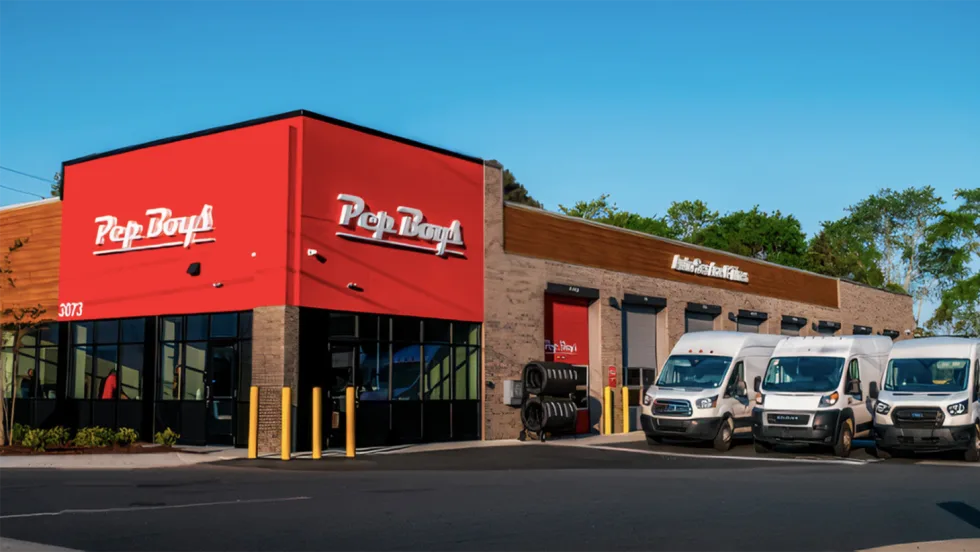
Merchants Fleet Expands Maintenance Network with Pep Boys
Merchants Fleet has expanded its relationship with Pep Boys, increasing the service provider's role within its national maintenance network. The move is intended to enhance maintenance coordination and support commercial fleets through Pep Boys' nationwide footprint.
Read More →
The Two Biggest Summer Downtime Threats for Fleets
A conversation with a maintenance expert reveals the two most common summer maintenance pains and how to prevent them.
Read More →
From Marine Corps Motor Pool to Managing 460 Fleet Vehicles
Cesar Ayala of O’Connell Landscape Maintenance shares how he transitioned from the Marine Corps to managing a 460-vehicle fleet—and the real-world challenges of maintenance, compliance, and driver management in California.
Read More →