





Read On: What Is a Collision Analysis Team — And How to Build One
Q3 Earnings Analysis: From Scarce Vehicle Supply to Competition
Automakers’ latest earnings show higher revenues and sales, but thinner margins due to incentive inflation, higher cost of capital, increased component costs, and EV-related investment charges. What does it mean for fleets?
November 6, 2025

Automakers’ Q3 2025 results mark a normalized market: U.S. sales and revenues are up, but margins are slimmer amid 60–80% higher incentives, rising labor and component costs, and EV investment headwinds.
Image: Automotive Fleet
6 min to read
Remember two to three years ago, when production lines were tight, post-pandemic supply shortages gripped manufacturing, automakers’ profits were through the roof, and even rental fleets were paying $4k over MSRP? That era is long gone, having given way to the realities of what we’ll dare to call “a normalized market.”
Across virtually every automaker, Q3 2025 earnings reflect higher revenues and U.S. sales volume, but thinner margins due to incentive inflation, a higher cost of capital, increased labor and component costs, and EV-related investment charges.
Higher Incentives, Higher Costs
After two years of tight supply, dealer lots are whole again. Incentive spending, which had been negligible post-pandemic, surged by 60% to 80% year-over-year across several manufacturers.
Ford, GM, and Hyundai each cited higher rebates and financing costs as contributors to lower margins. Even Toyota, a leader in incentive discipline, noted slightly higher incentive activity to maintain momentum on high-volume models such as the RAV4, Camry, and Tacoma.
At the same time, the cost of doing business has risen, likely permanently.
GM estimated that its new UAW/Unifor labor contracts would increase its total costs by approximately $9.3 billion over the life of the agreement, which translates to roughly $575 per vehicle. Ford calculates $900 per vehicle over the life of its deal.
Logistics and semiconductor costs, while improved from pandemic peaks, will remain higher.
Financing Headwinds
Higher interest rates continued to temper retail sales and squeeze profits at automakers’ finance arms in Q3. Toyota Motor Credit’s net income fell 23% year-over-year due to higher borrowing costs, while Ford Credit also reported thinner margins.
However, the Federal Reserve lowered rates by a quarter point at the end of the quarter, which will provide modest relief to buyers in the coming months.
Tariffs Cost Burden and Production Shifts
The Trump administration’s tariff push is producing a split impact across the auto industry. On one hand, higher duties on imported vehicles, batteries, and components have added costs to the bottom line.
Automakers with Asian or European import exposure cited margin compression from elevated tariff and logistics costs alongside battery expenses and lingering inflation in materials and labor.
Hyundai attributed tariffs and incentives as the primary factors hindering its operating profit margin, which declined to 5.4% from over 8% a year earlier.
At the same time, those same policies are accelerating the move to bring production to the U.S. to insulate against tariff shocks. Toyota is expanding operations in Texas and Kentucky, while Hyundai is ramping up EV and SUV production in Alabama and Georgia after announcing billions in investments to avoid tariffs.
BMW’s Spartanburg plant is adding hybrid capacity while satisfying the administration’s tariff demands.
Of course, the cost of shifting plants stateside becomes another burden.
EV Recalibration to Demand
Automakers are recalibrating their EV spending as pure EV sales will continue to drop following the sunset of the $7,500 federal tax credit on Sept. 30.
This dynamic is leaving automakers with excess EV capacity and underutilized plants. Ford reported its Model e division lost $1.3 billion in Q3 on reduced EV production, price reductions, and higher engineering and battery costs. Ford halved Model e output guidance.
In general, you could call the new plans “pacing, not pausing” EV investments to better match current consumer demand.
GM is undergoing a “strategic realignment” of EV capacity, manufacturing footprint, and battery investment pace. After the quarter ended, GM announced the shuttering of BrightDrop van production.
Mercedes-Benz and BMW continue their EV rollouts but at a more gradual pace. Volkswagen continues to scale up ID.4 production in Chattanooga. ID.4 sales were a sales bright spot in the quarter (+17%), but VW’s total EV mix still limited.
After a few quarters of cratering sales, EVs should experience a gradual comeback based on product benefits and costs, not mandates. For instance, new electric models such as 2026 Mercedes CLA offer improved range (up to 492 miles!) and a shrinking price premium over ICE vehicles.
Product and Feature Evolution
In their quarterly announcements, automakers reported advancements in new connectivity and software-driven services. Ford Pro, GM Envolve, and Hyundai BlueLink Pro are expanding their over-the-air (OTA) capabilities to deliver predictive maintenance insights and deeper fleet data integration.
Volkswagen, GM, and Mercedes-Benz reported enhancements to their advanced driver-assistance systems, including Super Cruise and EQ Assist.
The industry’s shift toward software revenue models is accelerating. Ford, BMW, and Mercedes are positioning recurring software and subscription features as future profit streams. The industry has been signaling this potential revenue to the financial markets for years — will it finally be realized?
Product Mix: Trucks, SUVs, and Hybrids Reign
Every automaker reported light-truck gains, the continued center of profitability. Toyota’s RAV4, Tacoma, and Tundra remained its top sellers, and SUV share was close to 70% of mix.
Nissan’s truck mix rose 20% year over year (even with the discontinuation of Titan for MY-24). Pathfinder sales were up 33% and Rogue up 9%, while sedans, including Altima, fell 47%.
Hyundai and Kia continued to post double-digit growth for Tucson, Santa Fe, and Palisade. At Nissan, sales of Pathfinder and Murano surged, and GM and Ford maintained strength with full-size pickups and SUVs.
Luxury brand sales also leaned heavily on SUVs, with BMW’s X5 and X3 and Mercedes-Benz’s GLE, GLC, and G-Class posting increases.
Automakers are pivoting from the term “electric” to “electrified” to reflect the growth of hybrids. Toyota reported that hybrids made up 45% of Q3 volume across 30 models. Hyundai’s electrified sales were up 25%, driven by hybrids (161K units) against slower pure-EV growth.
Ford’s F-150 Hybrid and Maverick Hybrid adoption offset declining Model e sales. While Nissan’s LEAF sales plunged 84%, hybrid variants (e-Power) are expected to increase.
GM’s results presented the same dynamic: stable ICE and hybrid sales, but heavier spending on EV realignment.
Stellantis saw mixed performance as its truck-heavy Ram and Jeep brands continued to face retail headwinds, though Dodge and Chrysler posted gains.
Fleet Outlook
Is this what “normalization” looks like?
According to fleet sales data collected by Bobit, of the three fleet segments, rental drove the most growth (up 14.1% year to date), while commercial was down 5.8% overall YTD and government was down 14.1%.
The Korean automakers had the highest rental sales increases, followed by the Detroit three, while Japanese brands experienced moderate to negative rental growth.
With vehicle supply returning to a predictable cadence, the buying power dynamic has shifted slightly back to fleet buyers. But it’s likely automakers will continue to use rental as the release valve, not so much commercial and government fleet sales.
Fleets will benefit from increasing hybrid options, which provide meaningful emissions reductions, great fuel economy, and buoyant residual values. And allocation will be there.
The evolution of software-defined vehicles will continue. (Where are all those buttons and knobs going? To the digital head unit!) But this, along with more microchips to power cameras and sensors, is creating out-of-whack repair bills and a much greater percentage of vehicles being totaled.
Initial costs aren’t skyrocketing, thankfully, but they’ll never return to pre-pandemic levels. At the same time, wholesale markets will see an influx of off-lease inventory in 2026 that will pressure residual values, though the sky certainly isn’t falling.
So this is what “normal” looks like for the near future: elevated but manageable cap costs, improving TCO for fleets choosing hybrids, a softening but still historically elevated wholesale market, and alarming repair and accident costs.
Welcome to 2026!
Subscribe to Our Newsletter
More Vehicle Research
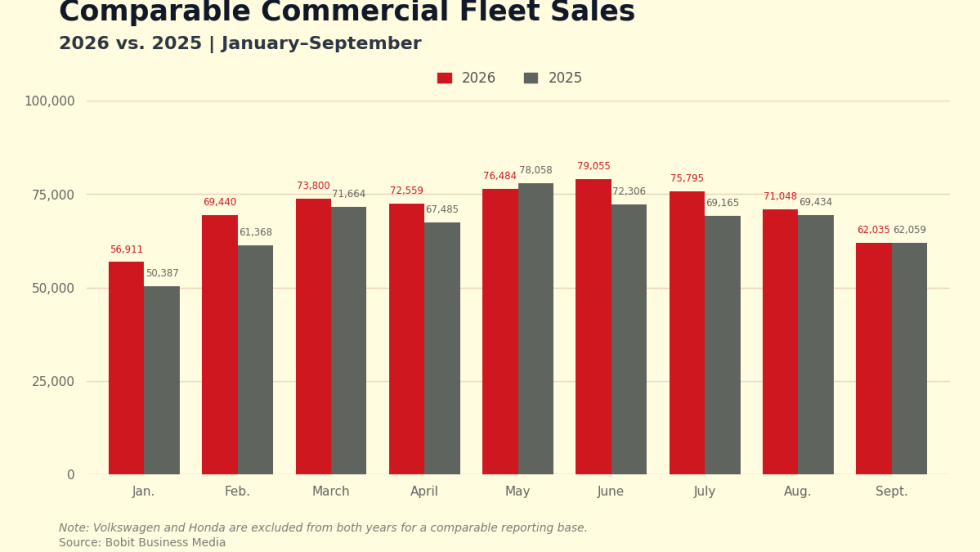
Commercial Fleet Sales Rise 5.8% Through September 2026
September commercial fleet sales were essentially unchanged from a year earlier, slowing year-to-date growth while keeping volume ahead of 2025.
Read More →
Hall of Fame Inductee: John Dmochowsky
The longtime Mondelēz International fleet executive joins the Automotive Fleet Hall of Fame.
Read More →
Hall of Fame Inductee: Lee Miller
After more than four decades at Boehringer Ingelheim, Lee Miller leaves a legacy built on fleet expertise.
Read More →
Hall of Fame Inductee: Mark F. Petersen
From managing fleets of thousands of vehicles to advancing safety and mentoring fellow professionals, Mark F. Petersen made his mark across both the corporate and supplier sides of fleet.
Read More →
When Charger Downtime Becomes a Fleet Availability Problem
As EV deployments move beyond pilot programs, charger reliability can directly affect vehicle readiness, driver productivity and route scheduling.
Read More →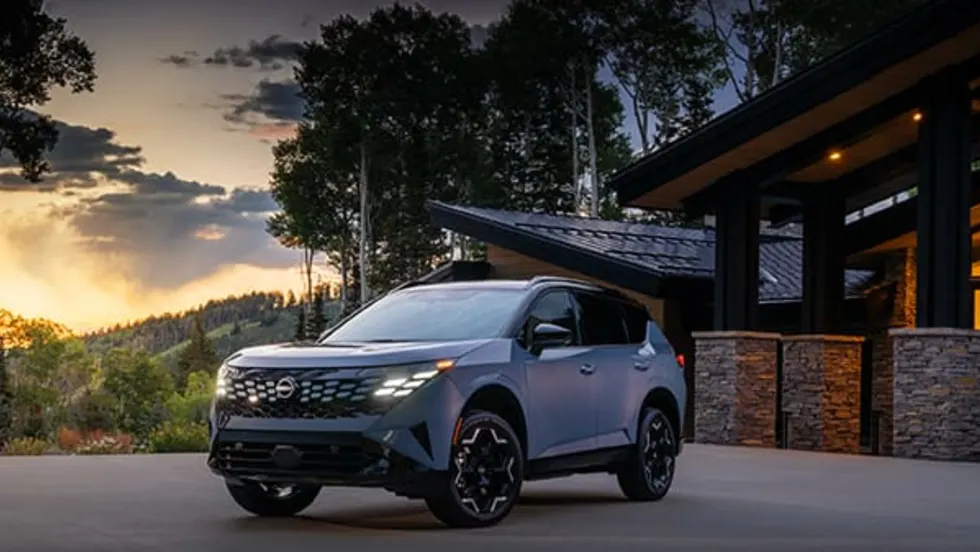
2027 Nissan Rogue Hybrid Adds e-POWER, Standard AWD
The new Rogue Hybrid uses Nissan’s e-POWER system with dual electric motors, offers an estimated 40 mpg and starts at $35,490.
Read More →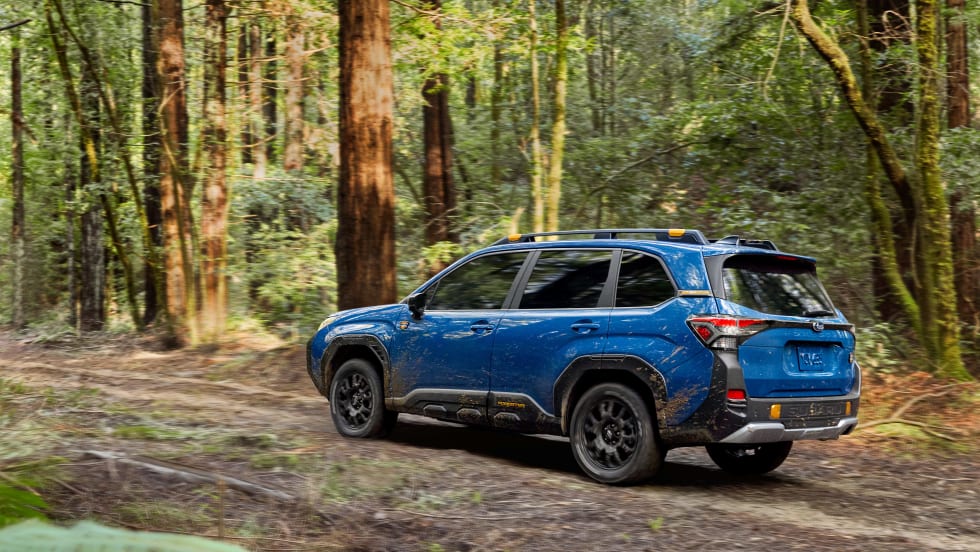
2027 Subaru Forester Adds First Wilderness Hybrid
The 2027 Forester lineup starts at $29,995 and adds a Wilderness Hybrid with 194 combined horsepower and 9.3 inches of ground clearance.
Read More →
EV Realty Names Henrik Holland President as Charging Platform Expands
The former Prologis Mobility and Shell executive will help expand EV Realty’s truck charging business and move its power-first infrastructure model into autonomous vehicle depots and other fleet sectors.
Read More →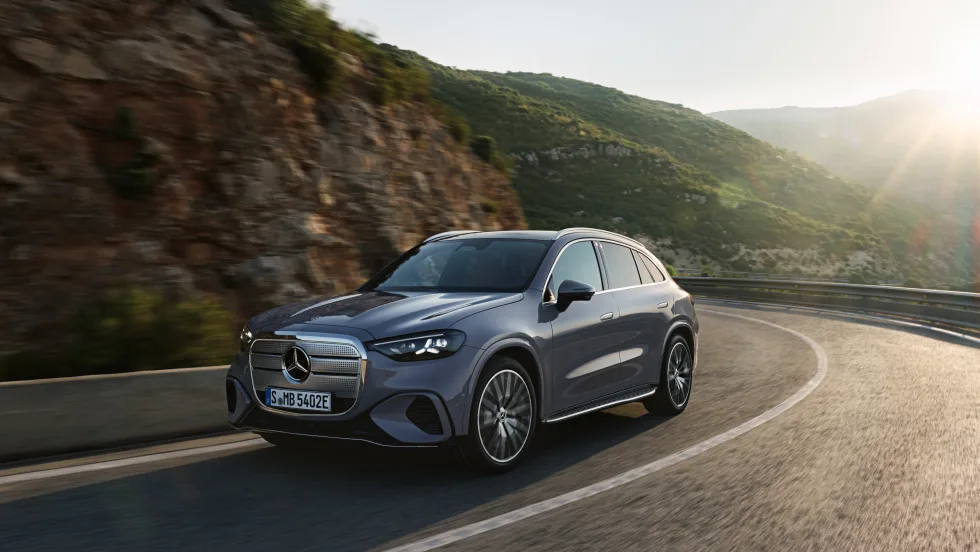
Mercedes-Benz Introduces Electric GLC With Up to 350 Miles of Range
The GLC 400 4MATIC Electric features an 800-volt architecture, 330-kW DC fast charging and a 94-kWh battery, along with Mercedes-Benz's new MB.OS operating system.
Read More →
Fleet Has a Talent Pipeline Problem, not a Talent Problem
Where will the next generation of fleet leaders come from, and what does the industry need to do differently to find them?
Read More →