




Fleet Experts Break Down How Repair Bills, Tariffs, and Inflation Are Impacting Budgets
Fleets often can’t avoid higher costs, but managers can minimize their impacts through better discipline, smart parts choices, and stronger vendor partnerships.

Strong vendor relationships remain a fleet’s most powerful tool, especially in today's changing fleet landscape.
Image: Automotive Fleet
Repair bills are climbing, tariffs are adding hidden costs, and inflation continues to squeeze budgets. For fleet managers, it’s no longer just about paying more; it’s about knowing where and how to control what you have on hand.
At the recent Fleet Forward Tour stop in Somerset, New Jersey, industry experts Robert Martines, founder and CEO of Corporate Claims Management, and Trip O’Neil, vice president of strategic services at Holman, explored how repair bills, inflation, tariffs, and tightening warranty practices are converging to challenge fleets like never before.
The High Price of Repairs
Martines has been walking shop floors for decades, and the changes he’s seen in accident repair costs are
eye-opening. “A mirror that used to cost $600 now runs $1,600,” he explained, “and that’s before a $3,000 calibration to reset the sensors.”
The takeaway is that once-simple repairs are now bundled with advanced electronics, and fleets must plan for costs that were unheard of just a few years ago. For certain parts, Martines advises restraint. Sheet metal, wheels, and tires can be sourced from the aftermarket, but safety-critical components — such as suspensions, seats, and airbags — should remain OEM.
Tariffs, Inflation, and Economic Pressures
O’Neil pointed out that lingering inflation, high interest rates, and tariffs are all raising costs — not just for vehicles, but also for parts and labor.
When asked whether fleets should buy aggressively now as a hedge against future increases, O’Neil reminded the audience that during the pandemic supply crunch, stockpiling vehicles made sense because no one knew how OEM allocation would shake out.
Today, however, the dynamics are different. It’s no longer a supply shortage but steadily rising input costs that are squeezing budgets. Now, instead of stockpiling vehicles, fleets should align ordering decisions with their company’s broader business outlook. “What’s the C-suite thinking, and how does that impact the business units you’re serving with fleet assets?” he asked.
For service-heavy operations, vehicle replacement timing may differ significantly from that of installation-based fleets. The key is to treat lifecycle discipline as a guiding principle but apply it flexibly. To do this, fleets can follow a practical checklist when conditions are uncertain:
Know the economic “sweet spot” when a vehicle should be replaced by age, mileage, or duty cycle.
Make surgical choices if budgets get cut — retiring the right assets, not just the oldest or highest mileage.
Redeploy vehicles into lighter-use roles when replacement isn’t possible.
Prioritize mission-critical units to ensure essential operations aren’t disrupted.
O’Neil also cautioned against viewing vehicles like speculative inventory. “You could think you’re buying at the right price,” he said, “but if the bottom falls out of the market, you’re left holding assets at a higher book value.”
With affordability already strained by high interest rates, he predicted cost pressures would rise before they ease.
The OEM Relationship Challenge
Both panelists acknowledged the tension fleets feel with OEMs. In the past, automakers might have honored warranty claims beyond the letter of the contract; today, that flexibility is much harder to find. O’Neil explained that, with margins improving during and after the pandemic, OEMs have had less incentive to exceed the written warranty terms.
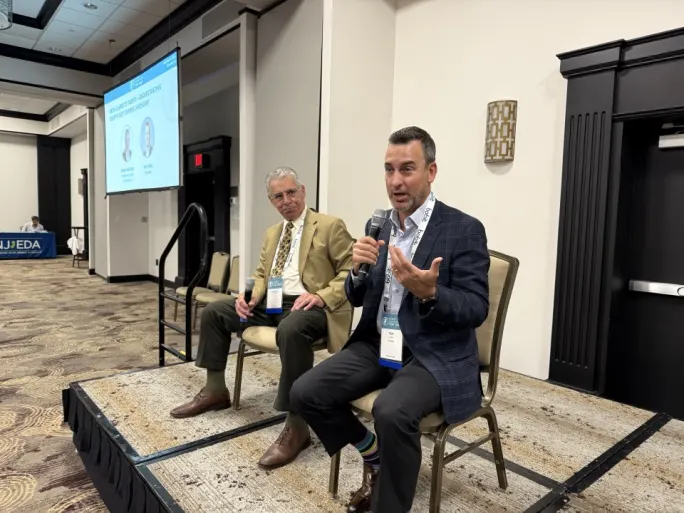
At the Fleet Forward Tour stop in Somerset, N.J., Corporate Claims Management’s Robert Martines and Holman’s Trip O’Neil dissect how soaring repair costs, inflation, and tightening OEM policies are reshaping fleet strategies.
Photo: Chris Brown
Martines recounted cases where OEM reps walked away from customers even after product defects were proven. “When a fleet manager says, ‘I’ll never buy another one of your vehicles,’ that’s a problem,” he warned.
The lesson for fleets is to maintain active relationships at multiple levels within the OEM, not just with the day-to-day representative. "Whether at an OEM or other vendors, fleets should cultivate different relationships that will help in the decision-making process," O'Neil said.
Turnover is common on the ground level, and broader connections can provide continuity. That includes other vendor partners such as FMCs, maintenance providers, and even upfitters, who can serve as advocates when warranty disputes or large repairs hit a roadblock.
“It’s not a perfect science,” O’Neil admitted, “but having an extra voice at the table can help connect fleets and OEMs to find a better path forward.”
Why Vendor Relationships Still Matter
If there was one theme Martines and O’Neil agreed on, it was the power of relationships. From payment terms to shop loyalty, they argued that human connections can soften the hardest economic edges. Holman, for example, pays independent shops within 72 hours to build trust and flexibility.
Martines urged fleet managers to be transparent with their suppliers about concerns and needs: “You can’t hang a fender online. You need people. Talk to your shops, tell them the problem, and they’ll work with you.”
O’Neil broadened that advice: “Whether it’s your maintenance providers, your OEMs, or your FMC, staying connected and doing contingency planning is critical. It gives you flexibility when things go sideways.”
The Levers to Pull
The session ended on a practical but encouraging note. Rising costs and stringent OEM policies may be here to stay, but fleets still have levers they can pull — disciplined lifecycles, informed part choices, and robust partnerships.
As Martines summed up, “After 47 years, I can say this — relationships work. They always have, and they always will.”
More Vehicle Research
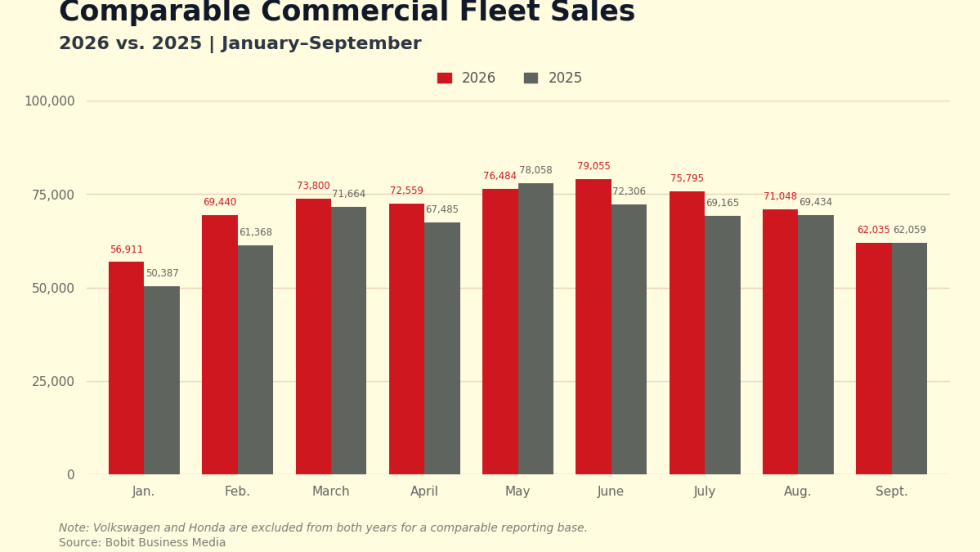
Commercial Fleet Sales Rise 5.8% Through September 2026
September commercial fleet sales were essentially unchanged from a year earlier, slowing year-to-date growth while keeping volume ahead of 2025.
Read More →
Hall of Fame Inductee: John Dmochowsky
The longtime Mondelēz International fleet executive joins the Automotive Fleet Hall of Fame.
Read More →
Hall of Fame Inductee: Lee Miller
After more than four decades at Boehringer Ingelheim, Lee Miller leaves a legacy built on fleet expertise.
Read More →
Hall of Fame Inductee: Mark F. Petersen
From managing fleets of thousands of vehicles to advancing safety and mentoring fellow professionals, Mark F. Petersen made his mark across both the corporate and supplier sides of fleet.
Read More →
When Charger Downtime Becomes a Fleet Availability Problem
As EV deployments move beyond pilot programs, charger reliability can directly affect vehicle readiness, driver productivity and route scheduling.
Read More →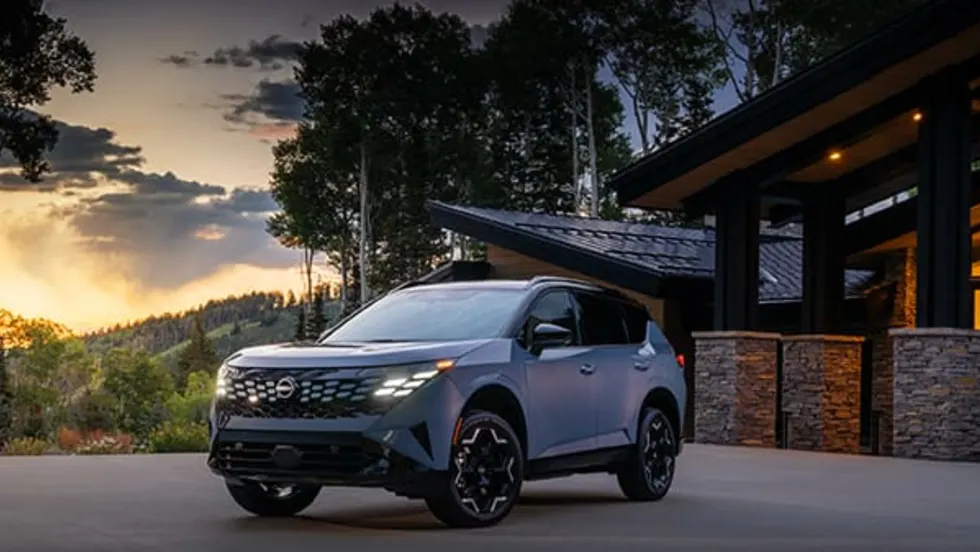
2027 Nissan Rogue Hybrid Adds e-POWER, Standard AWD
The new Rogue Hybrid uses Nissan’s e-POWER system with dual electric motors, offers an estimated 40 mpg and starts at $35,490.
Read More →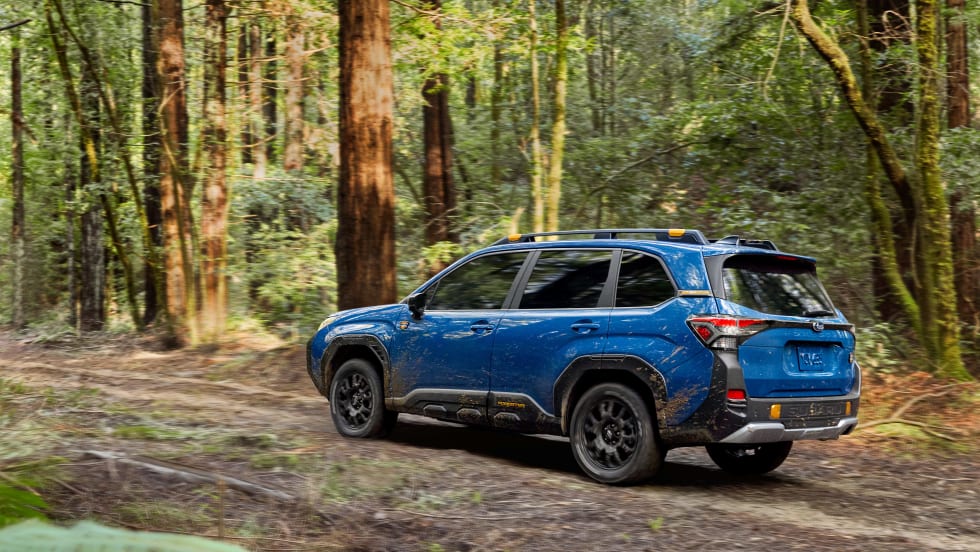
2027 Subaru Forester Adds First Wilderness Hybrid
The 2027 Forester lineup starts at $29,995 and adds a Wilderness Hybrid with 194 combined horsepower and 9.3 inches of ground clearance.
Read More →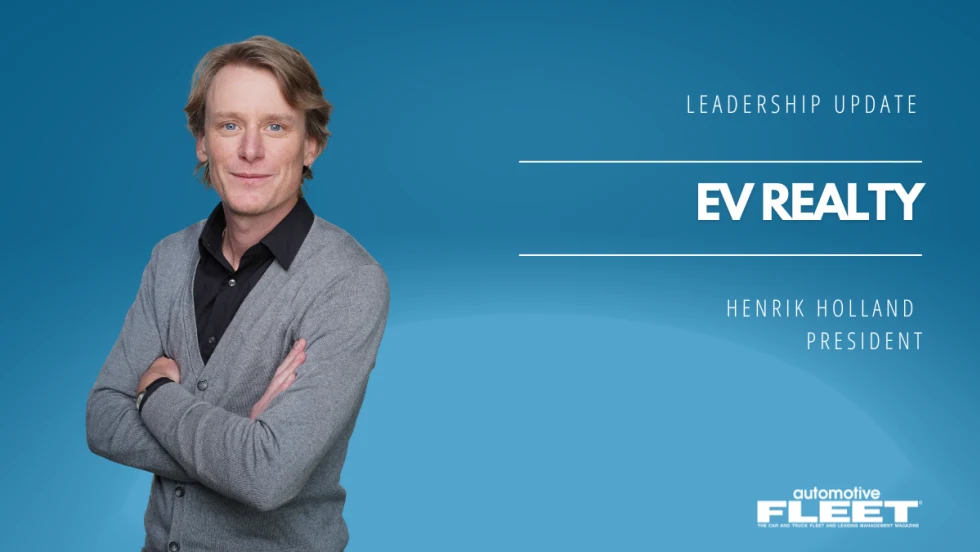
EV Realty Names Henrik Holland President as Charging Platform Expands
The former Prologis Mobility and Shell executive will help expand EV Realty’s truck charging business and move its power-first infrastructure model into autonomous vehicle depots and other fleet sectors.
Read More →
Mercedes-Benz Introduces Electric GLC With Up to 350 Miles of Range
The GLC 400 4MATIC Electric features an 800-volt architecture, 330-kW DC fast charging and a 94-kWh battery, along with Mercedes-Benz's new MB.OS operating system.
Read More →
Fleet Has a Talent Pipeline Problem, not a Talent Problem
Where will the next generation of fleet leaders come from, and what does the industry need to do differently to find them?
Read More →