




When Fuel Runs Out, the Fleet Plan Falls Apart
When disaster hits, fleets fail on fuel, power, and idle planning. See the energy gaps fleet managers need to fix before the next storm.

BBM
When a disaster hits, fleets usually don’t fail because they picked the wrong truck or didn’t care enough. They fail because the basics quietly disappear: Fuel, Power, and the ability to idle without getting yelled at later.
These aren’t flashy topics, but they’re the reason response plans unravel fast. You can have vehicles staged, drivers ready, and routes mapped out, but without access to energy, everything stops. And it usually stops sooner than anyone expects.
For fleet leaders, energy planning isn’t a side conversation. It’s the backbone of disaster response.
Fuel Shortages Don’t Announce Themselves
Most disaster plans assume fuel will be available in some form. Maybe limited, perhaps delayed, but still available.
In reality, fuel access often collapses before the storm even makes landfall. Stations close early, deliveries get rerouted, and priority access rules get confusing fast. Fleets that thought they were covered suddenly realize they were relying on the same fuel infrastructure as everyone else.
The biggest mistake fleets make is assuming fuel problems are a post-disaster issue. They’re not; They’re a pre-disaster issue. Smart fleets plan fuel like they plan vehicles, able to answer such tough questions as:
Where will fuel will come from when normal routes are disrupted?
How much on-site storage actually buys them time?
Who has priority access and who doesn’t?
What happens if drivers can’t reach their usual fueling locations?
Fuel planning isn’t about hoarding. It’s about understanding how long your fleet can operate when the surrounding system breaks down.
Power Loss Changes Everything
Power outages don’t just affect buildings. They affect maintenance, communications, and even basic safety. No power means:
Shops go dark.
Air compressors don’t run.
EV chargers are offline.
Digital systems become unreliable.
Gate access and security systems fail.
Fleets that rely heavily on centralized facilities feel this immediately. Suddenly, mobile operations aren’t nice to have. They’re often your only option.
Generators become critical, but only if they’re tested, fueled, and assigned to the right priorities. Too often, generators exist on paper but not in practice. Or they’re allocated to buildings while fleets scramble to keep vehicles running.
A solid disaster energy plan answers uncomfortable questions upfront:
Which operations get power first?
Which functions can operate manually?
What fails if the generator doesn’t start?
If the answer is “we’ll figure it out,” that’s the plan that breaks.
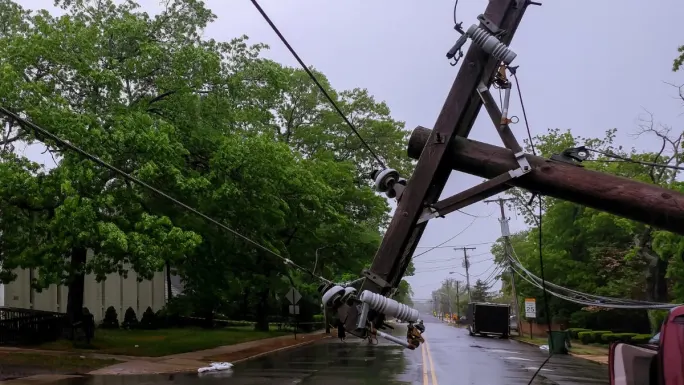
Downed power lines and blocked roads are where disaster response slows to a crawl, exposing the fuel, power, and access gaps fleets can’t afford to overlook.
Envato | photovs
What Happens When Idle Policies Collide with Reality?
Remember: Disasters don’t care about idle reduction goals. Extreme heat, extreme cold, smoke conditions, and long response hours force fleets into uncomfortable tradeoffs. Drivers need climate control to stay safe, equipment needs power to function, and vehicles (typically) idle because they have to.
Fleets that don’t plan for this end up with confusion in the field and finger-pointing later. Drivers worry about compliance. Managers worry about metrics. Meanwhile, safety takes a back seat.
Idle policy flexibility isn’t a failure. It’s a safety decision. A better approach is to address this head-on before disaster season. Make sure you are clear on:
Define when idle rules are suspended.
Communicate those exceptions clearly.
Document why they exist.
Align safety, compliance, and leadership expectations early.
Fuel, Power, and People are Connected
Energy planning isn’t just operational. Drivers and technicians are dealing with their own realities during disasters. Their homes may be without power. Their families may be affected. Asking them to operate without clear access to fuel, power support, or guidance only adds stress to an already high-pressure situation.
Fleets that think through energy logistics reduce chaos for their people. They eliminate guesswork. They create confidence in moments when confidence is hard to find.
Clear plans answer questions drivers don’t want to ask out loud. And when those answers are available in advance, response improves across the board. Consider:
Will I be able to fuel this vehicle?
Will this truck keep me safe in extreme heat or cold?
What happens if I’m stuck idling longer than expected?
What Should Fleets be Asking BEFORE a Disaster?
Disaster energy planning doesn’t require a massive budget, but it does require honesty. And preparation is essential. There is a reason there are dozens of idioms and sayings that just say the same thing: A stitch in time saves nine; An ounce of prevention is worth a pound of cure.
To really make an impact, fleet leaders should be asking:
How long can we realistically operate without outside fuel deliveries?
What breaks first if the power goes out for 24, 48, or 72 hours?
Where are our energy single points of failure?
Have we tested these assumptions recently?
The answers aren’t always comfortable, but they’re far better discovered in planning meetings than during a storm.
How Fleets Can Close Critical Energy Gaps Now
Disaster response doesn’t fail because fleets don’t care. It fails because energy assumptions go unchallenged.
Fuel access, power availability, and idle flexibility don’t make headlines, but they determine whether fleets move, stall, or shut down entirely. The fleets that perform best during disasters aren’t the ones with the flashiest tech. They’re the ones who planned for the basics to disappear.
Because when fuel runs out, and the power goes dark, the rest of the plan doesn’t matter.
More Disaster Response
From Storm Prep to Emergency Response: The Growing Role of Telematics in Disaster Management
Telematics is transforming disaster response by giving fleets real-time visibility, improving routing, readiness, and coordination when every second counts.
Read More →
Disaster Readiness Is Not a Fleet Count, It’s a Stress Test of the Whole System
Fleet readiness isn’t about your vehicle count. It’s about condition, capacity, and whether your system can actually perform under stress.
Read More →
How Fleets Keep Fuel Flowing During Disasters
U.S. Bank Voyager explains the most common fleet payment failures during emergencies and how proactive planning helps keep vehicles moving when conditions deteriorate.
Read More →
The Waffle House Effect: How They Impacted How Storms are Measured While Keeping Hot Meals Ready
Why one restaurant chain became a benchmark for disaster response and what fleets can learn about readiness, operations, and recovery.
Read More →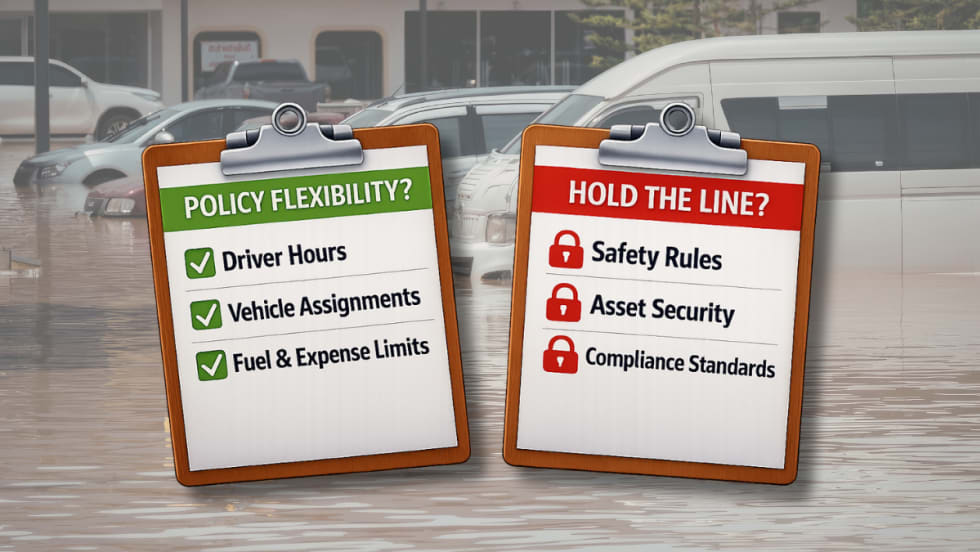
Adapting Fleet Policy When Disasters Strike
In the middle of natural disasters fleet managers must shift priorities to protect people and assets. What policy items should be loosened, and when should the line be held?
Read More →
The Missing Data Point in Disaster Response
Human reports fill the gaps that telematics can’t during disasters. Here’s how fleets can use structured input (not social chaos) to respond faster and safer.
Read More →
Essential Strategies for Fleet Preparation and Protection During Hurricane Season
Prepare your fleet for hurricane season with proactive strategies to protect drivers, vehicles, and assets before, during, and after the storm.
Read More →
When Disaster Strikes: Equipping Your Fleet for Survival and Recovery
Discover how fleets can stay operational during hurricanes, wildfires, floods, and storms with strategic planning, technology, and data-driven maintenance.
Read More →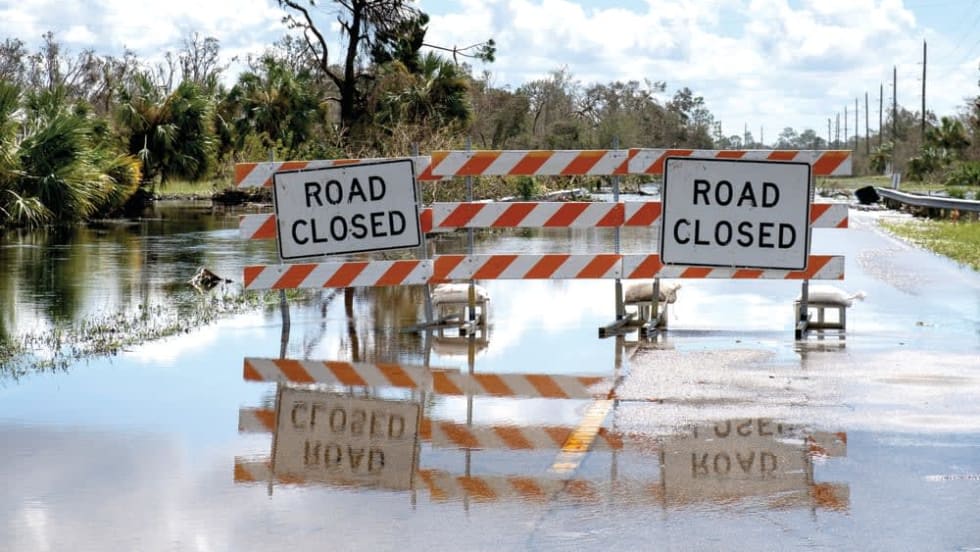
Mobilizing for Recovery When it Matters Most
When disaster strikes, reliable transportation becomes a lifeline for recovery, ensuring first responders and relief crews can reach those in need most.
Read More →
My GPS Position on Weather Apps
Discover how hyper-local weather alerts paired with GPS telematics can protect workers from sudden storms. Are your crews prepared for the unexpected?
Read More →