




Essential Strategies for Fleet Preparation and Protection During Hurricane Season
Prepare your fleet for hurricane season with proactive strategies to protect drivers, vehicles, and assets before, during, and after the storm.
by BRYAN ST. EVE, ENTERPRISE FLEET MANAGEMENT
May 1, 2025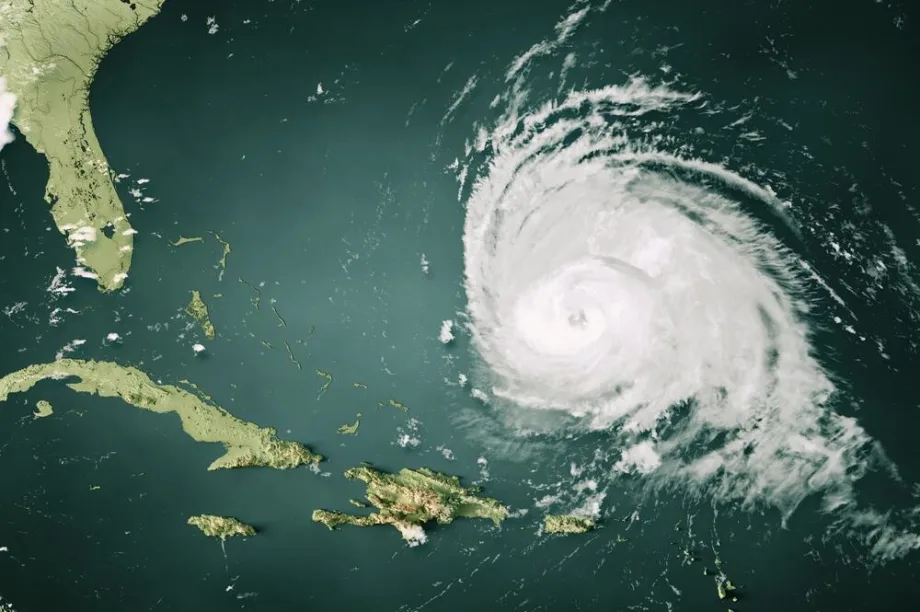
Photo Credit: Getty Images/FrankRamspott
4 min to read
In recent years, hurricanes have caused significant damage to businesses, organizations, and communities. While the forces of nature are unpredictable, proactive planning can help mitigate the impact before and after a disaster, especially when hurricane season is on the horizon.
STRATEGY 1: Monitor Weather Forecasts and Stay Informed
Fleet managers should stay informed with reliable weather forecasts and predictions and closely monitor changes. Reviewing fleet policies and procedures is crucial to understanding available resources, such as Early Alert and World Aware, which provide real-time updates to enable quicker responses to areas of increased risk.
“Navigating hurricanes in regions like New York, Florida, and the Carolinas has personally taught me the importance of staying ahead of the storm,” said Rob Guglielmo, director of fleet management, North Carolina. “Proactive measures and real-time updates are key to helping ensure the safety of our clients’ drivers and vehicles.”
The more self-sustaining an organization can be during a crisis, the more resilient it becomes.
STRATEGY 2: Secure Extra Fuel Supplies Ahead of Time
Hurricanes often disrupt fleet navigation, fuel access, and supply chains. If a hurricane is imminent, secure extra fuel in advance. Ensure on-site fuel storage tanks are topped off before the storm.
If this isn’t possible, supply drivers with portable fuel canisters and activate their fuel cards to process payments for food, water, and emergency supplies at fueling stations.
STRATEGY 3: Perform Proactive Maintenance and Repairs
Complete necessary maintenance and repairs proactively, as service locations may be closed and parts unavailable for days after a hurricane. Telematics programs are invaluable for fleets preparing for storm impact, providing accurate transportation insights to identify vulnerable areas before a weather event strikes.
“Dependable transportation is vital to help ensure the safety of those in the wake of a storm and relief teams in the aftermath of a major weather event,” said Christopher Zaworski, VP, Enterprise Fleet Management, Orlando. “Many of our clients operate within service-based industries and rely heavily on vehicles to transport team members and essential supplies, especially during natural disasters.”
In 2024, the United States experienced 27 weather and climate disasters, each causing at least $1 billion in damages and totaling $182.7 billion, according to the National Oceanic and Atmospheric Administration (NOAA). Detailed GPS and onboard diagnostic information from telematics can quickly identify vehicle locations and maintenance needs.
STRATEGY 4: Collaborate with Your Fleet Partners
Connecting with your fleet management company, telematics, and fuel-card partners can help guide you in relocating vehicles to higher ground, driving out of impacted areas, and securing vehicles in safe locations during inclement weather.
For example, winter storm analysis from January 2024 in New York revealed significant decreases in vehicle volumes and increases in travel times, demonstrating severe weather’s impact on transportation networks. During the first snowstorm’s peak, the NHS road network saw a 220% increase in average travel times, according to Geotab.
STRATEGY 5: Plan for Recovery and Secure Additional Protection
For vehicles on Enterprise Fleet Management’s maintenance programs, it’s best to have the National Service Department’s phone number readily available, allowing drivers to connect with its network of over 80,000 service providers to set up tow services, locate open service vendors or ask questions about maintenance and repairs.
“Our National Service Department is dedicated to providing comprehensive support during and after hurricanes,” said Dawn Schremp, assistant VP of the National Service Department. “With such a comprehensive network of service providers, we ensure that our clients receive timely assistance for maintenance and repairs.”
STRATEGY 6: Maintain Clear and Consistent Communication
Maintain open lines of communication with drivers and operators in the impacted zone to ensure their safety and provide the latest updates on weather and available resources whenever possible.
Keep a list of personal phone numbers and email addresses for employees and drivers in case normal business communication channels are disrupted.
STRATEGY 7: Assess and Prepare for Post-Hurricane Hazards
After a hurricane, remain aware of ongoing dangers, such as flooding, downed power lines, and other impacts that can delay service and recovery efforts.
Avoid driving into standing water, as even a few inches can stall an engine, cause expensive damage, strand a driver, and cause vehicle flotation. Moving water can be extremely dangerous.
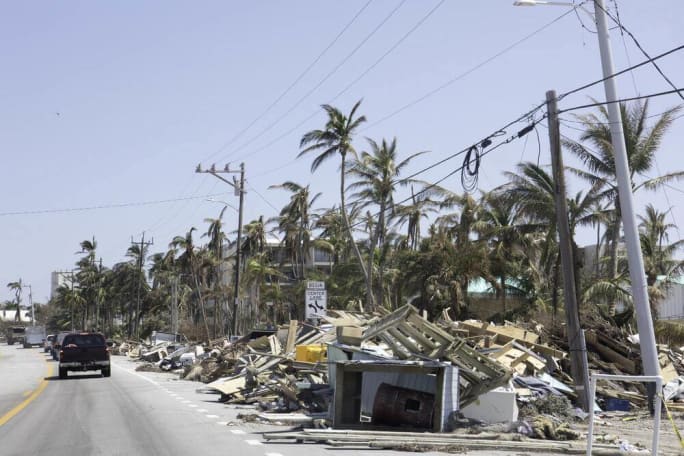
Photo Credit: Getty Images/Jodi Jacobson
Building a Resilient Fleet for Hurricane Season
By implementing these strategies, fleet managers can significantly reduce the risks associated with hurricane season. Proactive planning, effective communication, and leveraging technology are key to ensuring the safety of drivers, vehicles, and operational assets. As hurricanes become increasingly unpredictable and severe, staying prepared and informed is more crucial than ever.
Protecting your fleet not only safeguards your business, but also contributes to the resilience of the communities you serve.
Remember, the best defense against nature’s fury is a well-prepared offense.
About the Author: Bryan St. Eve is the vice president of operations for Enterprise Fleet Management.
Subscribe to Our Newsletter
More Disaster Response
From Storm Prep to Emergency Response: The Growing Role of Telematics in Disaster Management
Telematics is transforming disaster response by giving fleets real-time visibility, improving routing, readiness, and coordination when every second counts.
Read More →
Disaster Readiness Is Not a Fleet Count, It’s a Stress Test of the Whole System
Fleet readiness isn’t about your vehicle count. It’s about condition, capacity, and whether your system can actually perform under stress.
Read More →
How Fleets Keep Fuel Flowing During Disasters
U.S. Bank Voyager explains the most common fleet payment failures during emergencies and how proactive planning helps keep vehicles moving when conditions deteriorate.
Read More →
The Waffle House Effect: How They Impacted How Storms are Measured While Keeping Hot Meals Ready
Why one restaurant chain became a benchmark for disaster response and what fleets can learn about readiness, operations, and recovery.
Read More →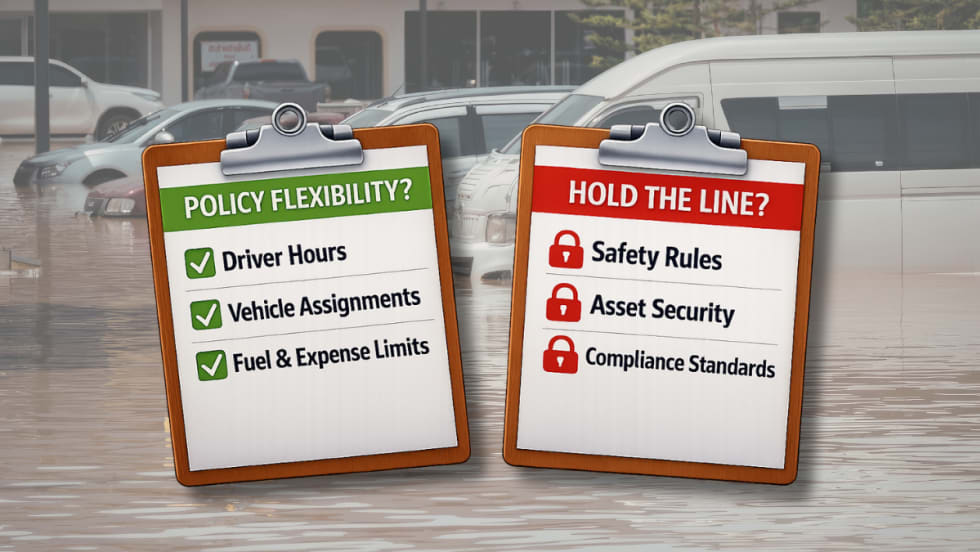
Adapting Fleet Policy When Disasters Strike
In the middle of natural disasters fleet managers must shift priorities to protect people and assets. What policy items should be loosened, and when should the line be held?
Read More →
When Fuel Runs Out, the Fleet Plan Falls Apart
When disaster hits, fleets fail on fuel, power, and idle planning. See the energy gaps fleet managers need to fix before the next storm.
Read More →
The Missing Data Point in Disaster Response
Human reports fill the gaps that telematics can’t during disasters. Here’s how fleets can use structured input (not social chaos) to respond faster and safer.
Read More →
When Disaster Strikes: Equipping Your Fleet for Survival and Recovery
Discover how fleets can stay operational during hurricanes, wildfires, floods, and storms with strategic planning, technology, and data-driven maintenance.
Read More →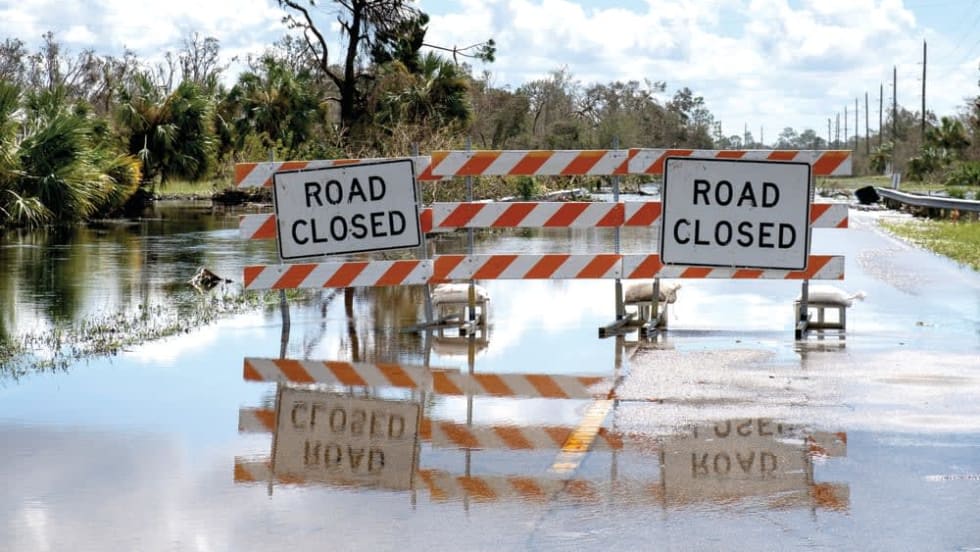
Mobilizing for Recovery When it Matters Most
When disaster strikes, reliable transportation becomes a lifeline for recovery, ensuring first responders and relief crews can reach those in need most.
Read More →
My GPS Position on Weather Apps
Discover how hyper-local weather alerts paired with GPS telematics can protect workers from sudden storms. Are your crews prepared for the unexpected?
Read More →