




Keep Learning: When Fuel Runs Out, the Fleet Plan Falls Apart
From Storm Prep to Emergency Response: The Growing Role of Telematics in Disaster Management
Telematics is transforming disaster response by giving fleets real-time visibility, improving routing, readiness, and coordination when every second counts.
by Dylan Jones, WEX
May 4, 2026
Staying coordinated depends on real-time visibility across fleets, routes, and changing conditions.
Credit:
Automotive Fleet | Work Truck
5 min to read
- Telematics provides fleets with real-time visibility crucial for disaster management.
- The technology enhances routing and readiness in emergency situations.
- Improved coordination through telematics enables more effective disaster response.
*Summarized by AI
When hurricanes flood highways or wildfires force evacuations, the challenge for fleets isn’t just reaching people in need; it’s knowing where vehicles are, which routes remain open, and whether they’re ready to respond. Telematics delivers that operational intelligence in real time, even as disasters disrupt entire transportation networks. Just as crucial is working with a trusted telematics provider that ensures systems remain reliable when it matters most.
Severe weather events are becoming more frequent and costly across the United States. In 2024, there were 27 separate billion-dollar disasters totaling $182.7 billion in damages, followed by 23 events in 2025 worth $115 billion in economic loss. These events place enormous strain on first responders and service fleets operating in hazardous, time-sensitive conditions.
Telematics is evolving from a tracking tool into mission-critical infrastructure, shifting fleet operations from reactive to predictive, with data now as pivotal as physical assets.
Ensuring Vehicles Are Ready Before Disaster Strikes
Disaster responders must be fully operational and ready to deploy at a moment’s notice. Telematics systems support this readiness by continuously monitoring vehicle diagnostics, including engine performance, battery health, and fuel levels.
Scott Powerline is a utility equipment and services provider and WEX telematics customer operating out of Monroe, Louisiana, a hurricane-prone region. Its mission centers on helping customers complete complex utility projects efficiently while maintaining high standards of safety and performance.
“We use our telematics prior to and during any major weather event to prepare our team to gauge time and possible delays in reaching their destinations,” said Renee Mizell, Service Administrator at Scott Powerline. “This helps determine departure time and approximate arrival time for our customers. We value the consistency of the site to guide our road technicians to where they need to be.”
Fuel and energy management is also important, especially when supply chains are disrupted. Telematics helps fleets monitor levels, prioritize refueling or charging, and maintain uptime during extended operations. When integrated with fuel cards – such as those offered by WEX – data provides visibility into fuel usage and potential misuse.
Smarter Dispatching in Rapidly Changing Conditions
Recent events highlighted in a Geotab study illustrate how quickly conditions can change. Flooding during Hurricane Helene rendered roads and bridges impassable in parts of North Carolina, while winter storms in New York sharply reduced traffic volumes along major corridors. Wildfires in the Los Angeles region triggered large-scale evacuations that significantly altered travel patterns. In each case, traditional routing assumptions no longer applied.
Utility crews, for example, are often staged outside projected impact zones. With telematics, managers can track those vehicles as they move into affected areas, reroute them around hazards, and ensure they have the resources needed to remain in service.
Live mapping and geofencing tools allow dispatchers to identify and deploy the nearest unit. Telematics also provides insight into driver behavior, helping fleets monitor speeding, harsh braking, and other risk factors that can increase during high-stress emergency response situations.
“Telematics has been wonderful in guiding our technicians in traveling the safest route to reach our customers,” Mizell said. “All our technicians have the application software on their phones to navigate the most efficient and safest route during poor road conditions or any other event that would cause them to have to use an alternate route.”
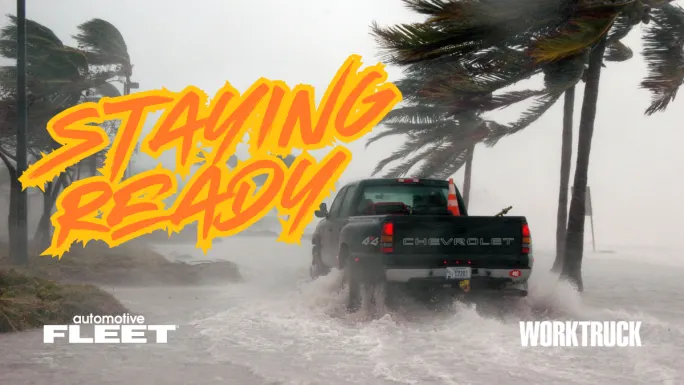
Staying ready means knowing your fleet can respond in real time, even when conditions are working against you.
Credit:
Automotive Fleet | Work Truck
Improving Coordination Across Emergency Agencies
Large-scale disasters often require coordination among multiple organizations and shared visibility that improves communication across teams.
Telematics supports the management of equipment and personnel. Automated alerts notify teams of issues like engine faults or route deviations, enabling faster intervention and better resource allocation.
“The difference in telematics products is in the overall performance,” Mizell said. “When we are called out for emergency preparedness, we do not have time to waste. So when we start the dispatch process, our telematics is 100% relied on to get where we need to be and to know ahead of time what our fleet is possibly going to face on the road ahead of them.”
Collected data can offer insights to improve preparedness for future incidents. By analyzing patterns in response times, traffic disruptions, and vehicle utilization, fleet managers and planners can better understand how disasters impact operations. These insights can inform more effective strategies, from optimizing evacuation routes to identifying infrastructure vulnerabilities.
The Importance of a Trusted Telematics Partner
While technology is indispensable, its effectiveness depends on the strength of the people behind it. A dependable telematics provider ensures systems remain operational, data is accurate, and support is available when needed. In disaster scenarios, even brief downtime can delay response and put crews at risk.
Providers that understand a fleet’s specific needs can help tailor solutions, refine reporting, and deliver insights that improve future planning. Ongoing collaboration allows fleets to adapt and strengthen their operations.
“Reliability and customer support are essential when you are dispatching a team of technicians to assist customers during an emergency or day-to-day operations,” Mizell said. “By knowing the provider is there to assist with any issue that may arise, to keep our fleet active, it relieves us of stress. This goes for dispatching and also locating our units that are in the field that need repair to keep our customers running.”
Building a More Resilient Emergency Fleet
As extreme weather grows more frequent and unpredictable, fleets are under increasing pressure to stay prepared and respond without delay. Telematics plays a vital role in that readiness, giving organizations the visibility and control needed to position vehicles, coordinate crews, and act quickly when conditions change.
Looking ahead, the ability to turn real-time data into informed decisions will separate reactive operations from truly resilient ones. Organizations that invest in connected systems, actionable insights, and dependable partners will not only improve response efforts in the moment but also strengthen their ability to plan for and withstand future disasters.
About the Author:Dylan Jones is Senior Vice President and General Manager of Mobility Growth at WEX. For more information about WEX, please visit www.wexcard.com/wex-edge.
Quick Answers
Telematics in disaster management refers to the use of telecommunications and informatics to provide real-time data and improve the coordination and effectiveness of fleet operations during emergencies.
*Summarized by AI
Subscribe to Our Newsletter
More Disaster Response
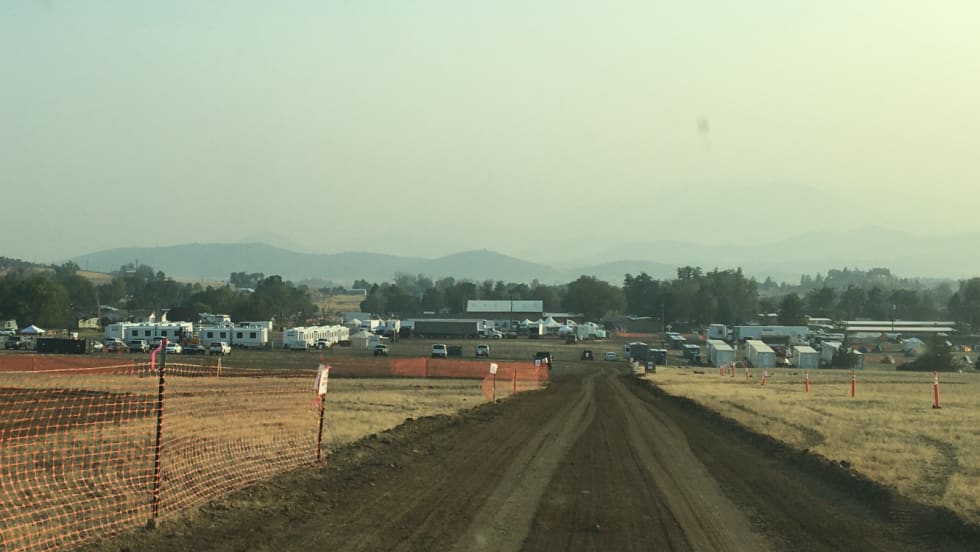
Disaster Readiness Is Not a Fleet Count, It’s a Stress Test of the Whole System
Fleet readiness isn’t about your vehicle count. It’s about condition, capacity, and whether your system can actually perform under stress.
Read More →
How Fleets Keep Fuel Flowing During Disasters
U.S. Bank Voyager explains the most common fleet payment failures during emergencies and how proactive planning helps keep vehicles moving when conditions deteriorate.
Read More →
The Waffle House Effect: How They Impacted How Storms are Measured While Keeping Hot Meals Ready
Why one restaurant chain became a benchmark for disaster response and what fleets can learn about readiness, operations, and recovery.
Read More →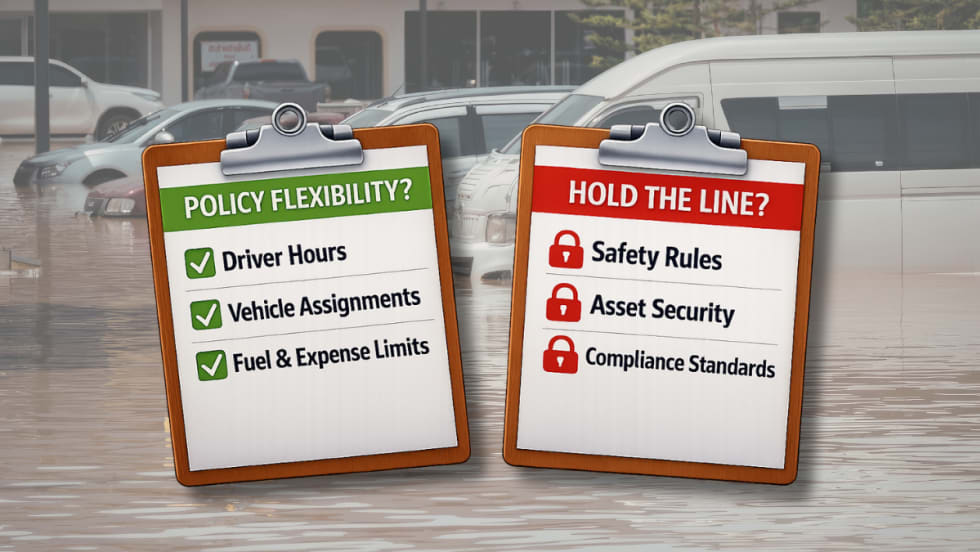
Adapting Fleet Policy When Disasters Strike
In the middle of natural disasters fleet managers must shift priorities to protect people and assets. What policy items should be loosened, and when should the line be held?
Read More →
When Fuel Runs Out, the Fleet Plan Falls Apart
When disaster hits, fleets fail on fuel, power, and idle planning. See the energy gaps fleet managers need to fix before the next storm.
Read More →
The Missing Data Point in Disaster Response
Human reports fill the gaps that telematics can’t during disasters. Here’s how fleets can use structured input (not social chaos) to respond faster and safer.
Read More →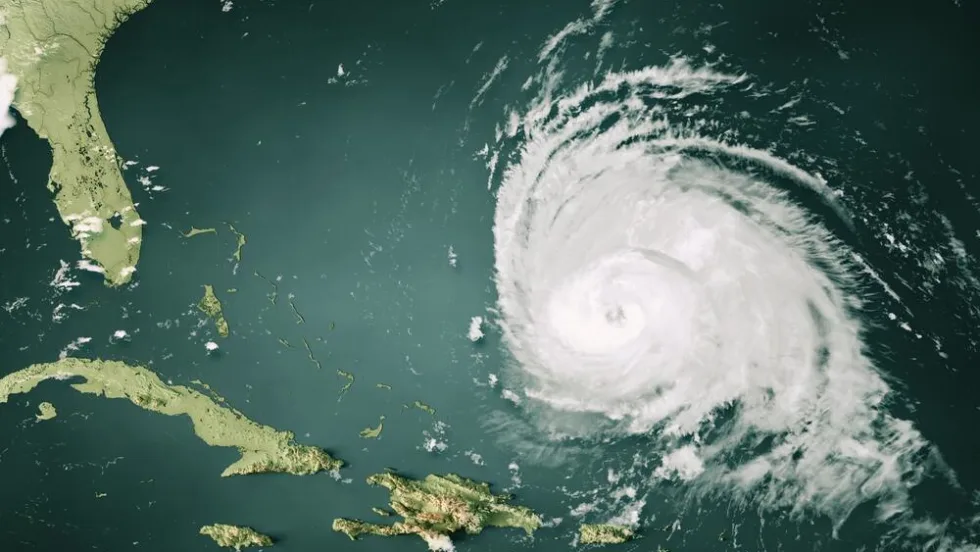
Essential Strategies for Fleet Preparation and Protection During Hurricane Season
Prepare your fleet for hurricane season with proactive strategies to protect drivers, vehicles, and assets before, during, and after the storm.
Read More →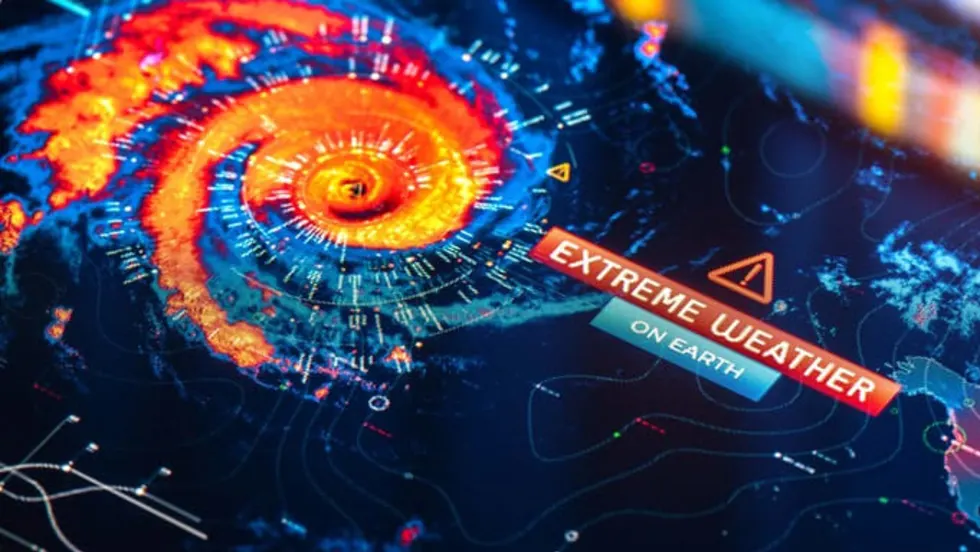
When Disaster Strikes: Equipping Your Fleet for Survival and Recovery
Discover how fleets can stay operational during hurricanes, wildfires, floods, and storms with strategic planning, technology, and data-driven maintenance.
Read More →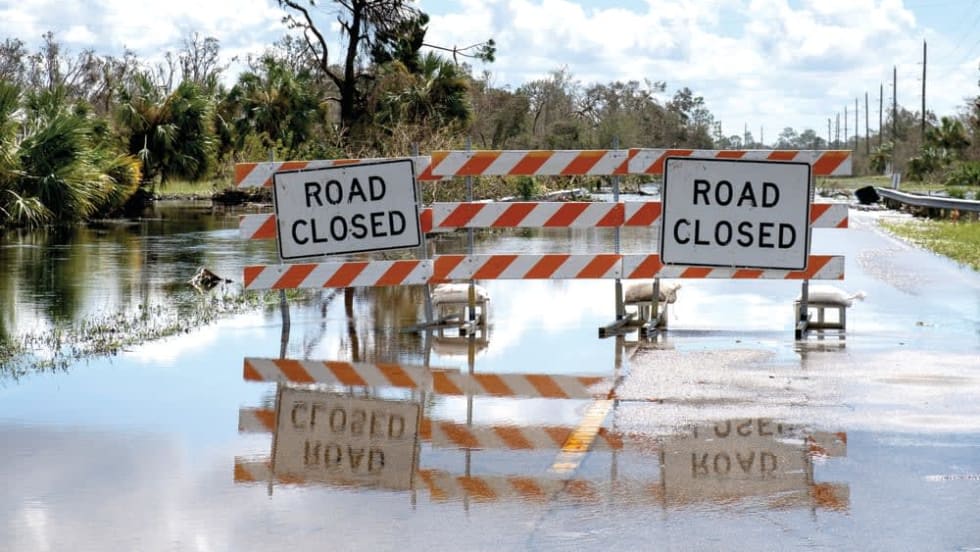
Mobilizing for Recovery When it Matters Most
When disaster strikes, reliable transportation becomes a lifeline for recovery, ensuring first responders and relief crews can reach those in need most.
Read More →
My GPS Position on Weather Apps
Discover how hyper-local weather alerts paired with GPS telematics can protect workers from sudden storms. Are your crews prepared for the unexpected?
Read More →