




When Disaster Strikes: Equipping Your Fleet for Survival and Recovery
Discover how fleets can stay operational during hurricanes, wildfires, floods, and storms with strategic planning, technology, and data-driven maintenance.
by Stefano Daneri, Fleetio
May 1, 2025
Fleet readiness plans help minimize downtime and speed up recovery when disasters disrupt operations.
Photo Credit: Getty Images/da-kuk
6 min to read
Natural disasters pose significant challenges for any fleet but are a daily operational concern for electricians and contracting fleets. This was evident in 2022 during Hurricane Ian, when 42,000 linemen from numerous utility companies were deployed to tackle widespread power outages in Florida. As recovery efforts continued, more FEMA contractors arrived to manage debris cleanup and other immediate needs, all while operating in disaster zones.
Disasters play a heavy role in disrupting fleet operations, affecting the vehicles, the supply chain, and workforce efficiency. Severe weather events can damage fleet assets, resulting in prolonged downtime and increased maintenance and repair costs.
Additionally, logistical disruptions, including fuel shortages, infrastructure damage, and communication breakdowns, can severely limit a fleet’s operational capabilities during critical times. This operational paralysis affects immediate business continuity, jeopardizes safety, erodes customer confidence, and increases operational expenses.
Recent severe weather events show the critical need for fleets to be prepared year-round. From January 1 through April 7, 2025, tornado activity across the United States has increased significantly. The 461 reported tornadoes left widespread damage, devastation, and disruption in their path.
When Texas was slammed by the unprecedented freeze of Winter Storm Uri in February 2021, fleet operations across the state came to a standstill. Treacherous, ice-covered roads made it nearly impossible for medium- and large-duty truck drivers to navigate safely. The halt in movement left countless residents without access to essential supplies, including food, clean water, and emergency resources.
Strategic Preparedness for Hurricane Season
Then there’s hurricane season. Hurricanes pose immense logistical challenges for fleet operations, including supply chain disruptions, fuel shortages, and communications breakdowns. Fleets can mitigate these impacts through proactive planning, including reinforcing infrastructure and storage facilities to withstand severe conditions. Clearly defined emergency communication protocols must be established to ensure the timely dissemination of critical information during crises.
While 2025 is expected to be less intense than 2024, experts predict an “above-average” hurricane season in the Atlantic. This poses substantial threats to fleets, including downed infrastructure, communication breakdowns, vehicle damage, and fuel shortages. In these conditions, fleets must have everything they need to operate effectively in environments that lack convenience or quick access to resources.
Maintaining strategic fuel reserves and securing alternate supply chains can provide operational resilience. Additionally, detailed evacuation and asset relocation plans are crucial for protecting fleet resources and ensuring uninterrupted operations in the face of hurricane threats.
This is where a purpose-built fleet management system becomes essential: it consolidates asset records, maintenance histories, and team communication into one platform, allowing fleet teams to organize information, take action, and plan ahead quickly.
Harnessing Data for Wildfire Readiness
While hurricanes pose significant threats, wildfires are another constant danger that demands proactive fleet readiness in many parts of the country.
Preventive maintenance is a critical part of fleet readiness, and daily inspections are the first line of defense, allowing operators to catch and surface issues before the asset ever hits the road.
Paper-based inspections are inefficient and don’t offer real-time updates on issues tracked by field teams. Digital solutions, however, can simplify these processes by improving record-keeping and expediting repairs, ensuring fleet readiness, especially during emergencies.
Before the wildfire season, first responder fleets should adopt a strong, proactive strategy involving thorough off-season equipment inspections and audits, scheduled replacements of critical high-wear components, continuous data monitoring based on historical failures, and modernized inventory management. This comprehensive approach reduces vehicle downtime and enhances team productivity.
“In high-stakes situations, fleet managers need to stay ahead of problems, not just react to them,” said Kevin Chan, director of product marketing at Fleetio. “Access to live vehicle data provides the visibility to spot issues early, helping prevent breakdowns and ensure all assets needed to handle the job are ready to go.”
Broadening the Scope: Flooding and Storm Preparedness
In addition to wildfires, flooding and severe storms pose significant hazards for fleets nationwide. Rising water can quickly damage vehicles, contaminate fuel systems, and compromise electronics, creating immediate and long-term operational risks.
Effective preparation involves routine inspections of vehicle drainage systems and storage areas to prevent flooding risks. Vehicles should be stored in elevated locations during flood warnings, protecting them from water intrusion. Regular checks and maintenance of seals, brakes, tires, and electrical components help prevent water-related damage. At the same time, training drivers and fleet personnel in flood avoidance and response measures ensures operational continuity and personnel safety during severe weather events.
Real-World Lessons from Fire Department Response
Fleet operations serving critical infrastructure and emergency services have shown the importance of preventive maintenance and technology for disaster response.
One fire response team transitioned from a paper-based inspection and maintenance system to a mobile fleet optimization platform to better prepare for emergency calls. With 37 assets across four stations, the team needed a solution that enabled real-time inspection tracking, instant notification of maintenance issues, and faster communication between drivers, technicians, and leadership.
Moving to a digital solution reduced vehicle downtime, increased inspection compliance, and allowed the team to make data-backed decisions when replacing older vehicles.
This can also be seen with a utility contractor operating across state lines tasked with frequent emergency deployments during severe storms. By unifying its maintenance operations into a centralized platform and tracking preventive maintenance closely, the fleet cut down service delays, ensuring its equipment (including heavy bucket trucks and specialized repair vehicles) was ready to respond immediately.
In both cases, adopting mobile fleet optimization platforms streamlined inspection workflows, optimized maintenance scheduling, and improved accountability across the organization, key factors in maintaining operational readiness before, during, and after disasters.
The Role of Fleet Technology in Disaster Recovery
To fully optimize fleet readiness, technology plays an indispensable role— not just in preparation but in recovery as well. Real-time reporting, maintenance data, and repair tracking give fleets immediate visibility into operational gaps that arise during a crisis.
Predictive analytics based on historical fleet performance, like engine faults, recurring repairs, and battery voltage, can help identify vulnerabilities before the next disaster. Fleet operators can use this data to update preventive maintenance plans, identify high-risk vehicles, and prioritize replacements for assets that underperform during emergencies.
“Disaster response fleets can’t afford delays due to missed inspections or repair requests,” Chan said. “By adopting a mobile fleet optimization platform, organizations can streamline inspections, prioritize maintenance schedules, and strengthen accountability across teams, all essential to keeping assets ready before, during, and after a crisis.”
Operational metrics such as total cost of ownership (TCO), asset availability rates, maintenance compliance rates, and repair turnaround times help fleet managers justify decisions about budget allocation, uptime readiness, and driver safety to leadership, especially during or after a disaster.
For example, high vehicle uptime rates and strong maintenance compliance percentages can prove to executive leadership that the fleet is prepared and reliable. Conversely, tracking maintenance costs can highlight when assets cost more to maintain than replace, supporting decisions to retire older vehicles. Fleets that use maintenance data to build replacement forecasts and parts budgets can better plan for disasters, ensuring critical equipment stays operational and avoids unplanned downtime.
About the Author: Stefano Daneri is a product marketing manager at Fleetio.
Subscribe to Our Newsletter
More Disaster Response

From Storm Prep to Emergency Response: The Growing Role of Telematics in Disaster Management
Telematics is transforming disaster response by giving fleets real-time visibility, improving routing, readiness, and coordination when every second counts.
Read More →
Disaster Readiness Is Not a Fleet Count, It’s a Stress Test of the Whole System
Fleet readiness isn’t about your vehicle count. It’s about condition, capacity, and whether your system can actually perform under stress.
Read More →
How Fleets Keep Fuel Flowing During Disasters
U.S. Bank Voyager explains the most common fleet payment failures during emergencies and how proactive planning helps keep vehicles moving when conditions deteriorate.
Read More →
The Waffle House Effect: How They Impacted How Storms are Measured While Keeping Hot Meals Ready
Why one restaurant chain became a benchmark for disaster response and what fleets can learn about readiness, operations, and recovery.
Read More →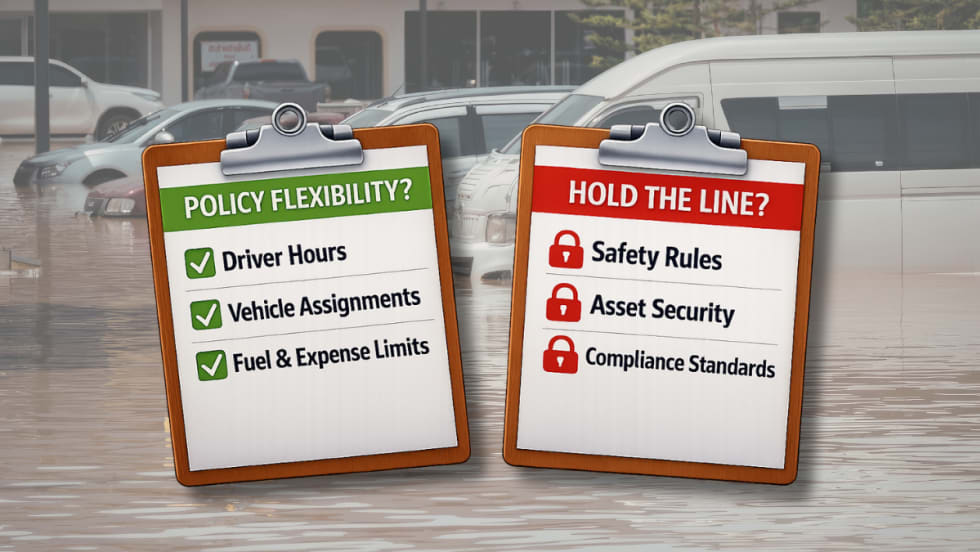
Adapting Fleet Policy When Disasters Strike
In the middle of natural disasters fleet managers must shift priorities to protect people and assets. What policy items should be loosened, and when should the line be held?
Read More →
When Fuel Runs Out, the Fleet Plan Falls Apart
When disaster hits, fleets fail on fuel, power, and idle planning. See the energy gaps fleet managers need to fix before the next storm.
Read More →
The Missing Data Point in Disaster Response
Human reports fill the gaps that telematics can’t during disasters. Here’s how fleets can use structured input (not social chaos) to respond faster and safer.
Read More →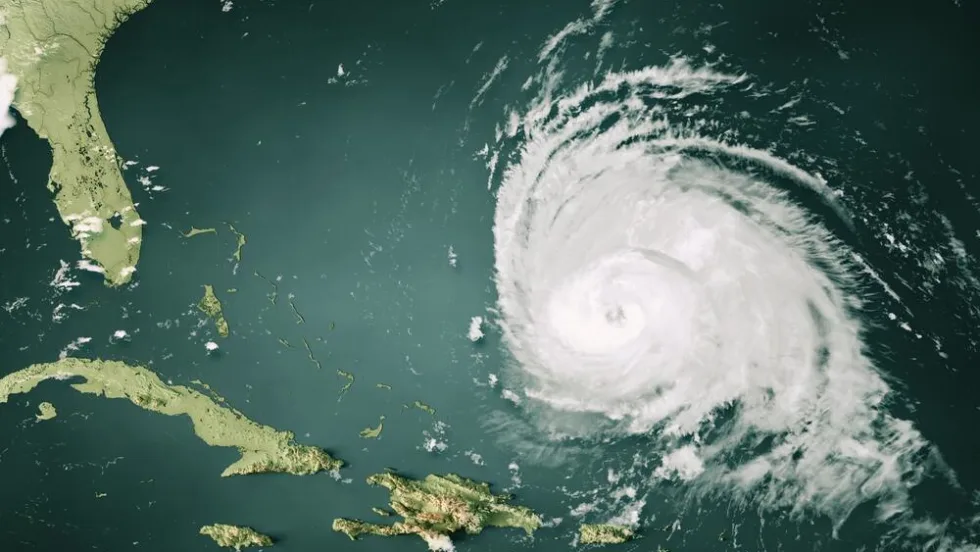
Essential Strategies for Fleet Preparation and Protection During Hurricane Season
Prepare your fleet for hurricane season with proactive strategies to protect drivers, vehicles, and assets before, during, and after the storm.
Read More →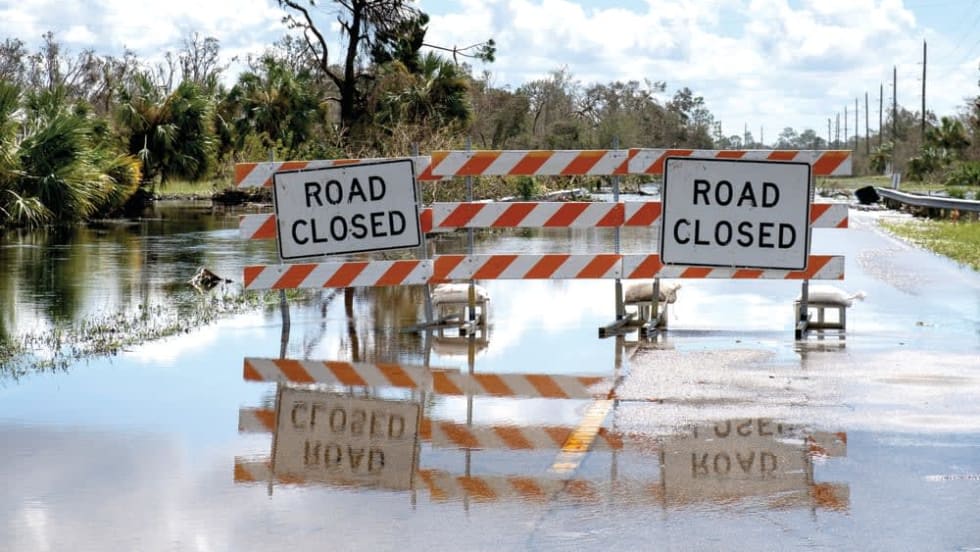
Mobilizing for Recovery When it Matters Most
When disaster strikes, reliable transportation becomes a lifeline for recovery, ensuring first responders and relief crews can reach those in need most.
Read More →
My GPS Position on Weather Apps
Discover how hyper-local weather alerts paired with GPS telematics can protect workers from sudden storms. Are your crews prepared for the unexpected?
Read More →