




Mobilizing for Recovery When it Matters Most
When disaster strikes, reliable transportation becomes a lifeline for recovery, ensuring first responders and relief crews can reach those in need most.
by Bryan Scott, Enterprise Mobility
May 1, 2025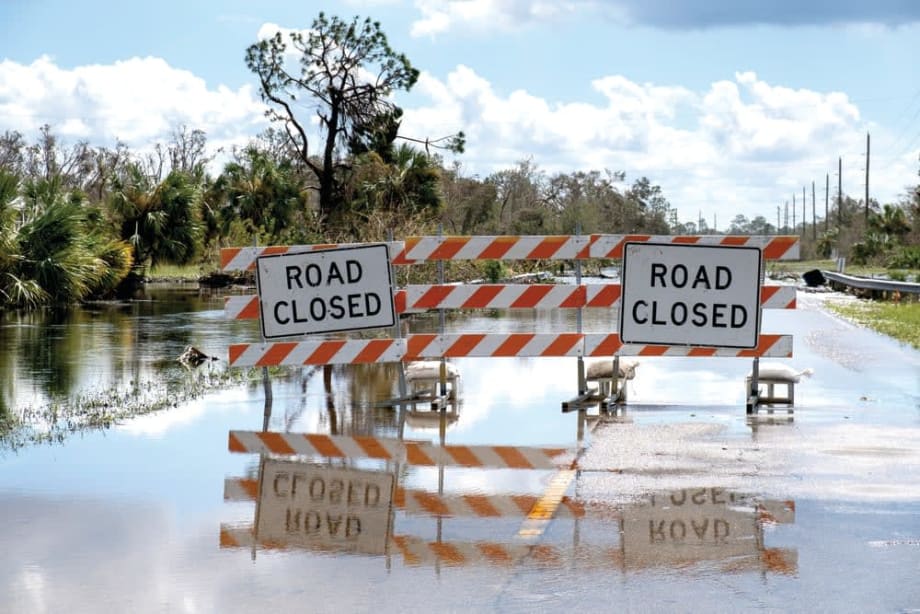
Fleet vehicles play a vital role in transporting essential goods, services, and personnel during disaster recovery operations.
Photo Credit: Getty Images/Bilanol
3 min to read
In the aftermath of natural disasters, Enterprise Mobility and Enterprise Fleet Management prioritize recovery efforts by leveraging decades of experience and a vast neighborhood network. With a U.S. fleet of over 2 million vehicles and rental locations within 15 miles of 90% of the U.S. population, they are positioned to quickly mobilize cars and trucks to areas where they are needed most.
This extensive network provides critical support for first responders, FEMA officials, insurance adjusters, infrastructure repair crews, and state emergency teams working to aid recovery in impacted communities. Swift access to reliable vehicles helps these teams navigate affected areas, assess damage, and coordinate relief efforts more effectively.
Supporting local communities during disaster recovery goes beyond just providing vehicles. Once residents begin assessing the damage and initiating repairs, Enterprise Mobility collaborates with partners to ensure that those affected have access to transportation to manage the recovery process smoothly and efficiently.
Preparing for the Unexpected
Even before disaster strikes, Enterprise collaborates with catastrophe teams. Emergency action plans ensure its regional branches have the right number and types of vehicles available during disaster recovery.
We work hand-in-hand with emergency responders, including FEMA, the National Guard, and state officials, to support mobility needs during disaster recovery efforts.
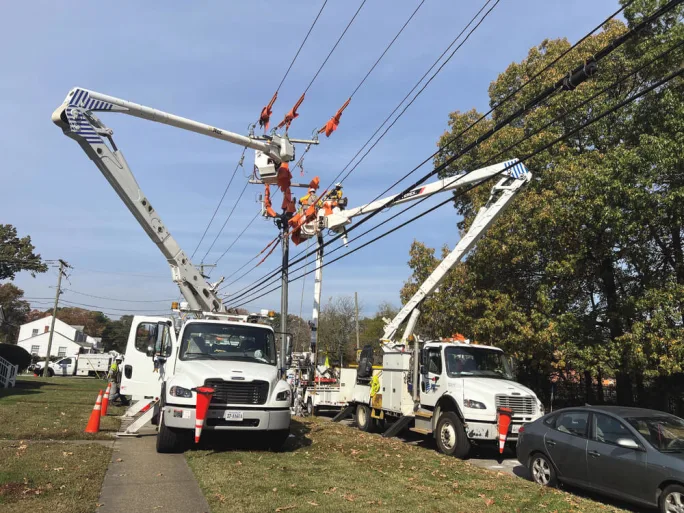
Enterprise Mobility supports disaster recovery by quickly delivering essential transportation solutions for emergency crews, insurers, and communities.
Photo Credit: Getty Images/Ahmed Janabi
Proactively Preparing a Fleet
As hurricanes become increasingly unpredictable and severe, fleet managers and operators can benefit from developing strategies to help protect drivers, vehicles, and valuable operational assets.
Dependable transportation is vital for ensuring the well-being and safety of disaster victims and relief teams in the aftermath of a major weather event. Many of Enterprise Fleet Management’s clients operate within service-based industries and rely heavily on vehicles to transport team members and essential supplies, especially during natural disasters.
Hurricanes affect fleet navigation, fuel access, and supply chains. It is best practice to save extra fuel ahead of time and proactively complete any needed maintenance, as service locations may be closed during storms.
Telematics programs are invaluable assets for fleets preparing for storm impact. Detailed GPS and onboard diagnostic information can quickly identify vehicle locations and maintenance needs.
Connecting with Enterprise Fleet Management through local client strategy managers and telematics and fuel-card partners, such as Geotab and WEX, can provide valuable tips, including moving vehicles to higher ground, driving out of the impact area, or finding secure locations to store vehicles during inclement weather.
For vehicles enrolled in Enterprise maintenance programs, drivers can contact the National Service Department, which collaborates with a network of over 80,000 service providers to assist with setting up tow services, locating service vendors open for business, or addressing maintenance and repair questions.
Having a mobility and fleet management company you can trust with its experience and fleet aid is essential in disaster recovery for communities in need. Through partnerships and careful planning, they support first responders, federal relief agencies, insurance adjusters, repair crews, and emergency officials during times of crisis.
By prioritizing local communities and working closely with response teams, your fleet management company should be committed to helping communities recover from natural disasters quickly and efficiently. Their commitment to readiness and quick response will demonstrate their dedication to providing critical transportation support during critical times.
About the Author: Bryan Scott is AVP of federal government business at Enterprise Mobility.
Subscribe to Our Newsletter
More Disaster Response
From Storm Prep to Emergency Response: The Growing Role of Telematics in Disaster Management
Telematics is transforming disaster response by giving fleets real-time visibility, improving routing, readiness, and coordination when every second counts.
Read More →
Disaster Readiness Is Not a Fleet Count, It’s a Stress Test of the Whole System
Fleet readiness isn’t about your vehicle count. It’s about condition, capacity, and whether your system can actually perform under stress.
Read More →
How Fleets Keep Fuel Flowing During Disasters
U.S. Bank Voyager explains the most common fleet payment failures during emergencies and how proactive planning helps keep vehicles moving when conditions deteriorate.
Read More →
The Waffle House Effect: How They Impacted How Storms are Measured While Keeping Hot Meals Ready
Why one restaurant chain became a benchmark for disaster response and what fleets can learn about readiness, operations, and recovery.
Read More →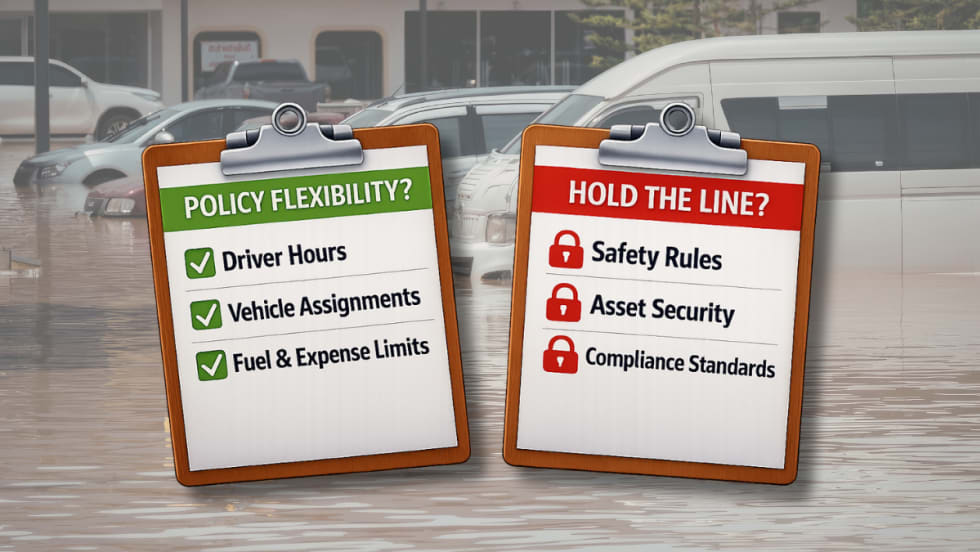
Adapting Fleet Policy When Disasters Strike
In the middle of natural disasters fleet managers must shift priorities to protect people and assets. What policy items should be loosened, and when should the line be held?
Read More →
When Fuel Runs Out, the Fleet Plan Falls Apart
When disaster hits, fleets fail on fuel, power, and idle planning. See the energy gaps fleet managers need to fix before the next storm.
Read More →
The Missing Data Point in Disaster Response
Human reports fill the gaps that telematics can’t during disasters. Here’s how fleets can use structured input (not social chaos) to respond faster and safer.
Read More →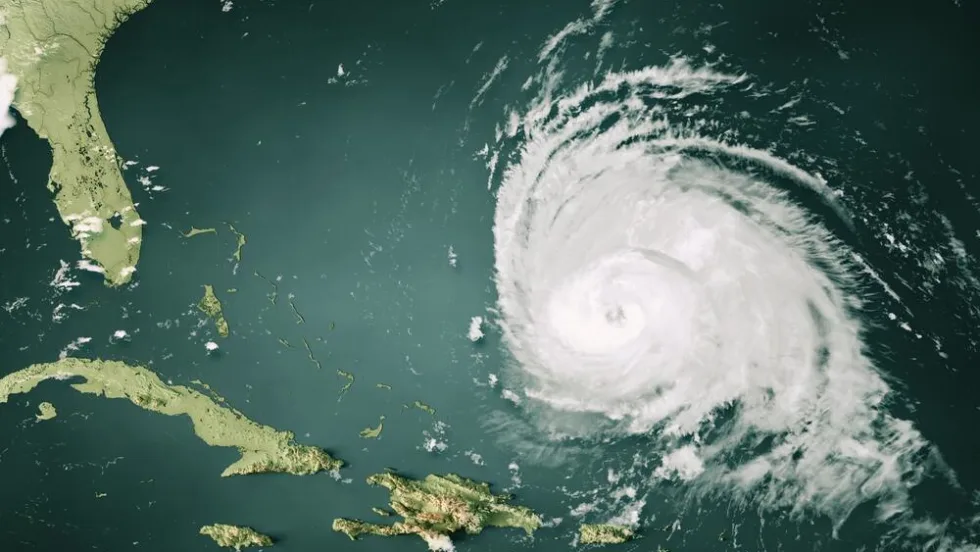
Essential Strategies for Fleet Preparation and Protection During Hurricane Season
Prepare your fleet for hurricane season with proactive strategies to protect drivers, vehicles, and assets before, during, and after the storm.
Read More →
When Disaster Strikes: Equipping Your Fleet for Survival and Recovery
Discover how fleets can stay operational during hurricanes, wildfires, floods, and storms with strategic planning, technology, and data-driven maintenance.
Read More →
My GPS Position on Weather Apps
Discover how hyper-local weather alerts paired with GPS telematics can protect workers from sudden storms. Are your crews prepared for the unexpected?
Read More →