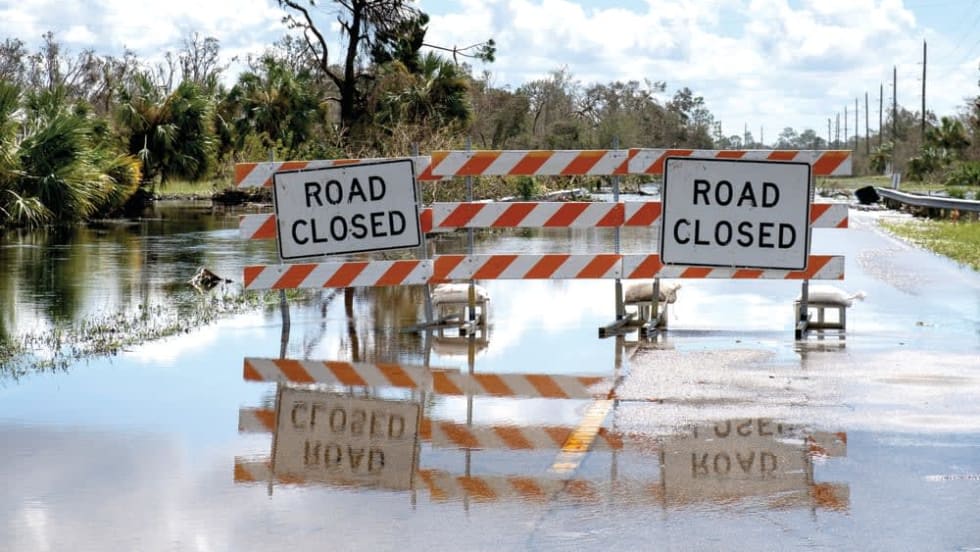
Electric fleets must prepare for disaster by securing charging infrastructure, using real-time data, maintaining battery health, training teams, and creating detailed deployment plans.
As the intensity of natural disasters grows, electric vehicle (EV) fleets face distinct challenges that demand new strategies for disaster preparedness. While EVs offer environmental and cost-saving benefits, they also come with dependencies on charging infrastructure and grid stability that can become critical liabilities during emergencies.
Therefore, fleet operators must be responsible for their vehicles and the systems that keep them powered. When hurricanes, floods, or wildfires knock out power and block roadways, fleets must be ready with well-planned solutions.
Focus on Charging Infrastructure
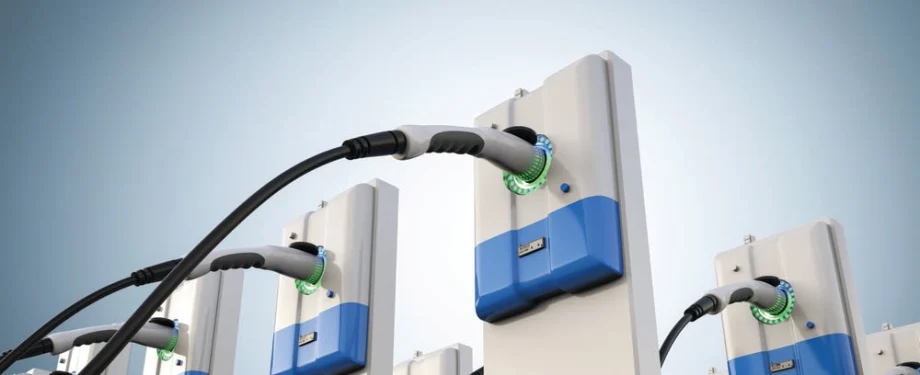
A significant vulnerability for EV fleets is access to charging during power outages, which frequently accompany natural disasters. “To address this challenge, fleet operators must take proactive measures to secure charging capabilities in disaster-prone areas,” said George Survant, vice president of business development at EVAI, a fleet electrification and management platform.
“Investing in on-site charging solutions such as solar-powered stations, mobile charging units, or even backup generators can help ensure that fleets have access to reliable charging during an emergency,” he said.
Many operators assume power will be restored quickly, but that’s not always true. “Unless you operate critical infrastructure, your public utility will probably not prioritize restoring service to your fleet location during an outage,” said Maria Neve, VP-eFMC services at Inspiration Mobility, a fleet management company for electric vehicles.
To ensure continuity, Neve also recommends generator-compatible chargers (not all are).
Survant advises placing mobile charging infrastructure adjacent to restoration fleet staging areas and moving infrastructure with staging areas to address progressing restoration plans.
This was a hard-learned lesson, said Survant, referencing his time as a fleet manager in disaster situations. “Even the state police used my mobile fuel stations when they were easily accessed next to evacuation routes, along with tree crews and other non-essential restoration vehicles,” he said.
Use Data to Guide Emergency Response
For EV fleets, in particular, smart and quick interpretation of data is essential.
“The most prepared fleets merge their internal data — vehicle locations, battery state of charge (SoC), and charging station status — with external sources like weather alerts, utility outage maps, and evacuation orders,” said Chris Getner, CTO at Inspiration Mobility.
That means fleet management platforms should incorporate alerts for battery levels before a weather event, charger availability in threatened zones, and backup power capacity for vehicles equipped with vehicle-to-grid (V2G) or vehicle-to-home (V2H) capabilities.
“Though the data is public, contextualizing it for fleet use is something every FMC should make a priority,” Genter added.
Understand Battery Performance Issues & Fire Hazards
EV batteries are sensitive to hot and cold extremes, and environmental impacts can compromise performance and safety. “EV batteries are sensitive to temperature extremes, in which cold can reduce range by 41%, while high temperatures shorten life,” Survant explained.
Post-flooding risks also loom large. Following Hurricane Ian in 2022, submerged EVs caught fire in Florida due to saltwater damage.
Survant pointed to multiple EV fires in Florida that were linked to submerged vehicles. He recommends that fleet operators implement preventive measures, such as battery management systems, and inspect vehicles for corrosion after storms.
Raising charger infrastructure, using waterproof equipment, and conducting inspections post-disaster are essential safety measures.
Leverage Emergency Energy with V2G Technology
“One of the lesser-known perks of running an EV fleet is that your vehicles aren’t just another passive asset — they can serve as emergency power sources for facilities or your employees’ homes,” said Gary Gadsden, SVP of fleet sales at Inspiration Mobility.
He recommends staying ahead of utility regulations on V2G or V2H use, mapping which vehicles are V2G-capable, and ensuring employees understand how to use this emergency power feature safely.
Train Staff for Crisis Conditions
Even with the best tools and infrastructure, human readiness remains critical.
“Technology is only one piece of the puzzle,” said Adam Seifert, VP of fleet advisory & analytics at Inspiration Mobility. “If your drivers aren’t trained or routes aren’t mapped, none of the hardware or assets will be effective at helping your team navigate a disaster.”
Seifert’s six key recommendations include:
Driver training for storm prep and emergency charging strategy.
Drills and simulations to test team coordination.
Integrated response plans with facilities, HR, and IT.
Strategic placement of chargers along evacuation routes.
Telematics-based rerouting for road closures.
Beginning each day at full charge to reduce range anxiety.
Lay the Groundwork for Fleet Resilience
Survant said all effective restoration efforts have three key elements: deployment and staging plans, adequate supply lines, and a defined mobility plan.
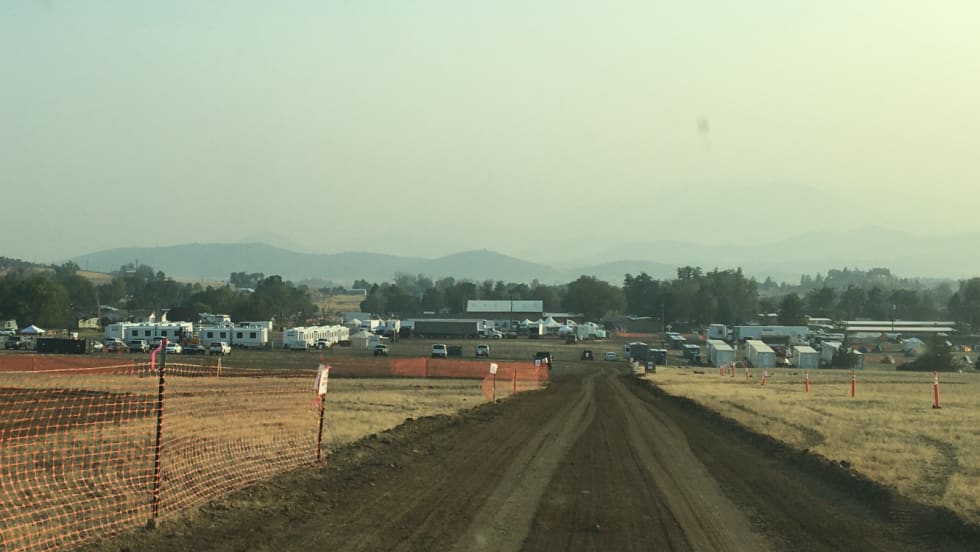
Deployment and staging plans should identify where vehicles, personnel, and support resources can be pre-positioned during an event. This includes mapping temporary command centers and staging areas for mobile charging equipment.
Supply lines encompass fuel, spare parts, and mobile charging units and must be designed for replenishment over days or weeks if conditions persist. Mobility plans establish how fleet resources will move in real-time to meet high-priority needs, factoring in road closures, safety zones, and rerouting logic.
“These elements determine how well an EV fleet can respond and recover during disaster scenarios,” Survant said.
Supply lines include fuel, repair parts, and mobile charging. Mobility plans ensure priority routes and vehicle redeployment are coordinated in real-time.
While upfront costs and charging times remain hurdles, fleets can overcome them by gradually keeping a rotational charge schedule and phasing in EV adoption.
Prepared Fleets are Resilient Fleets
With the right strategies, EVs can switch from liabilities to allies during disasters.
Data-driven planning, backup charging solutions, and team preparedness help fleets move from reactive to proactive.
“The ability to foresee vulnerabilities and address them through strategic foresight enables a fleet to turn adversity into action,” Survant concluded.