




Power Natural Disaster Response Through Fleet Fuel Cards
Check out how fleet fuel cards helped keep drivers moving and businesses running during Hurricane Milton’s path of destruction in Florida.
by Brian Fournier, Wex
May 1, 2025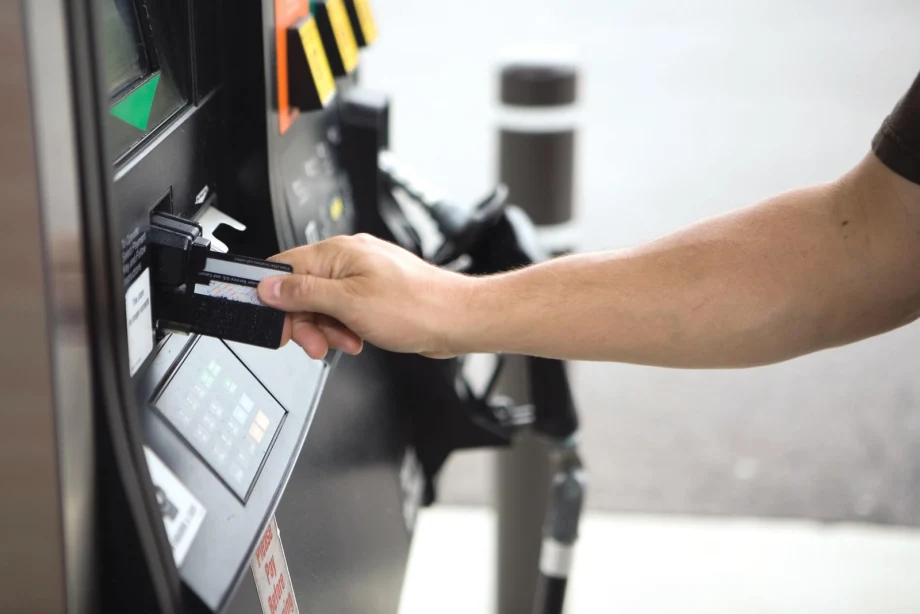
Fuel cards support disaster recovery by giving fleets reliable access to fuel, tracking, and spending controls when it matters most.
Photo Credit: Getty Images/aabejon
5 min to read
Preparing for the worst means being ready for any extreme weather scenarios. Thankfully, many fleet drivers have access to one of the unsung heroes in natural disaster response in their pockets: the fleet fuel card.
In October 2024, Hurricane Milton barreled toward the west coast of Florida, intensifying to a Category 5 storm, the third hurricane to hit Florida that season. It would leave a path of destruction in its wake, upending daily life for months as residents and businesses cleaned up hard-hit areas. The storm caused an estimated $34 billion in damage, with potential total costs from property damage and economic loss exceeding $160 billion, according to AccuWeather.
The fleet industry is not immune to losses and disruptions, and Hurricane Milton was no exception. The ripple effects of disasters are potentially devastating for fleet operations; fuel supplies dwindle, infrastructure falters, and logistics are at serious risk. For businesses that rely on transportation and mobility, maintaining operational continuity during these events is crucial.
When storms threaten to bring business to a standstill, fleet fuel card providers often offer valuable resources alongside proactive planning, real-time tools, and critical help to keep businesses moving. For fleet fuel card payment providers like WEX, customers can tap into a comprehensive disaster response framework to help fleets maintain continuity, minimize downtime, and navigate emergencies with confidence.
Proactive Preparedness: Planning Ahead of the Storm
Building a plan before a catastrophic event is an important first step to managing operations. For WEX customers, fleet managers are encouraged to engage with their account teams to review emergency protocols and ensure their operations are disaster-ready. In many adverse weather situations, WEX initiates outreach to customers in potentially affected areas, offering tailored procedures to prepare for impending storms.
These steps include:
- Transitioning customer accounts to an “emergency profile” with elevated authorization limits, ensuring uninterrupted fuel access during critical periods.
- Collaborating with fraud and banking partners to monitor shifting fueling patterns, safeguarding security, and preventing potential fraud during emergencies.
- Issuing proactive storm reports three times daily, including on weekends, providing alerts on active fueling stations in affected areas.
- Prioritizing communication with customers in impacted regions, especially first responders and essential services, and encouraging drivers to download the WEX Connect app for real-time information.
- Maintaining close contact between relationship and account management teams and affected customers, offering assistance as situations evolve.
David Abraham, VP, North America mobility at WEX, works ahead of, during, and after weather events with key customers to provide critical infrastructure recovery. His team reaches out to confirm important emergency processes are in place to help handle the impact.
“While we cannot control the weather, we can take proactive measures to boost preparedness, minimize downtime, and maintain optimal productivity,” Abraham said. “When disasters impact the availability of fuel, lodging, and food, WEX fuel card customers receive assistance in managing and locating essential resources while also providing savings on fuel and other related expenses. These cards provide critical support to drivers in challenging situations and give fleet managers the confidence they need to maintain efficiency during a disaster.”
Ready-Made Tools for Real-World Challenges
Through any crisis, communication is key, and the ability to know the location of fleet drivers and vehicles at any given point can help mitigate the impact. In addition to fleet fuel cards, WEX equips fleets with additional advanced tools to navigate the complexities of disaster scenarios.
- WEX Connect App: This mobile application shows fuel and charging stations with power and active fueling capabilities, enabling drivers to locate essential resources.
- Telematics Integration: By integrating vehicle tracking systems, businesses can monitor vehicle locations in real-time, facilitating better coordination and decision-making.
- Fuel Management Services: WEX’s fuel management solutions help fleets maintain sufficient fuel supplies and access to fueling stations, even amidst emergencies.
- Mobile Payment and Fleet Card Solutions: These tools streamline the procurement of essential supplies, providing flexibility and ensuring that drivers have resources during crises.
“Fleet management tools allow businesses to monitor vehicle locations, enabling better coordination and decision-making,” Abraham said. “Mobile payment and fleet card solutions can assist in streamlining the process of purchasing essential needs, providing flexibility, and ensuring that drivers have the resources they need.”
Adaptive Controls and Fraud Prevention
Online platforms that often come with fleet fuel cards offer flexible authorization controls, allowing fleet managers to adjust fueling spend and transaction permissions at the card level to accommodate changes in vehicle behavior during disasters.
The platform also provides monitoring capabilities based on various criteria and incorporates fraud prevention tools that consider regional situations, enhancing security during vulnerable times.
Financial Support and Recovery Assistance
Unfortunately, assessing damage and getting through the first few days after a weather event is just the beginning. Damages can have long-lasting effects that require adaptability to ensure customer accounts are up to speed and ready to return to a normal routine. For instance, recognizing that natural disasters can upset payments due to power outages or equipment loss, WEX works diligently to restore these systems and assist in managing relationships with vendors, partners, and suppliers post-storm.
Since fleet services rely on their own customers, who may be engaged in recovery efforts, revenue streams can become fragmented. Fleet operators should inquire with their fleet fuel card provider for additional financial support and whether they can provide immediate cash-flow solutions and fleet card resources. WEX offers fleets and owner-operators financing options to help overcome business issues and expedite the rebuilding of lost infrastructure.
Commitment to Continuous Assistance
Account management teams remain in close contact with affected customers, committed to providing aid as situations unfold. By leveraging innovative platforms, real-time tools, and a proactive approach, fleet customers are equipped to handle the challenges posed by natural disasters, maintaining resilience in the face of adversity.
In an unpredictable world, fleet fuel card providers can be reliable partners, helping fleets navigate the storm and emerge stronger on the other side.
“Our customers are located around the world, so we need to meet them where they are, and that sometimes means dealing with serious weather,” Abraham said. “Even if it’s as simple as providing controls and features through their fleet fuel cards, it’s imperative that we do our best to ensure they can work through the days and months after a storm with flexibility and compassion so they can get back to their livelihoods.”
About the Author: Brian Fournier is the Americas senior vice president & general manager, mobility at WEX.
Subscribe to Our Newsletter
More Disaster Response
From Storm Prep to Emergency Response: The Growing Role of Telematics in Disaster Management
Telematics is transforming disaster response by giving fleets real-time visibility, improving routing, readiness, and coordination when every second counts.
Read More →
Disaster Readiness Is Not a Fleet Count, It’s a Stress Test of the Whole System
Fleet readiness isn’t about your vehicle count. It’s about condition, capacity, and whether your system can actually perform under stress.
Read More →
How Fleets Keep Fuel Flowing During Disasters
U.S. Bank Voyager explains the most common fleet payment failures during emergencies and how proactive planning helps keep vehicles moving when conditions deteriorate.
Read More →
The Waffle House Effect: How They Impacted How Storms are Measured While Keeping Hot Meals Ready
Why one restaurant chain became a benchmark for disaster response and what fleets can learn about readiness, operations, and recovery.
Read More →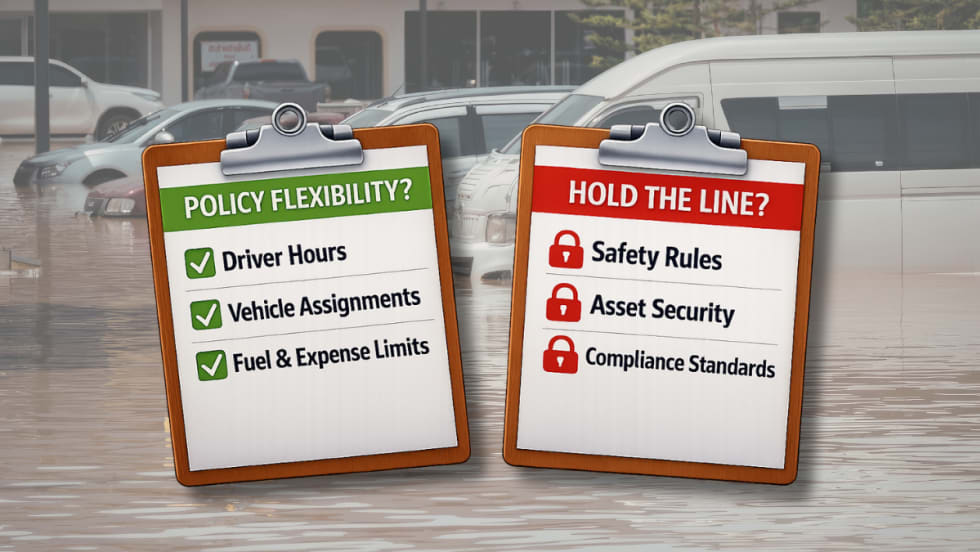
Adapting Fleet Policy When Disasters Strike
In the middle of natural disasters fleet managers must shift priorities to protect people and assets. What policy items should be loosened, and when should the line be held?
Read More →
When Fuel Runs Out, the Fleet Plan Falls Apart
When disaster hits, fleets fail on fuel, power, and idle planning. See the energy gaps fleet managers need to fix before the next storm.
Read More →
The Missing Data Point in Disaster Response
Human reports fill the gaps that telematics can’t during disasters. Here’s how fleets can use structured input (not social chaos) to respond faster and safer.
Read More →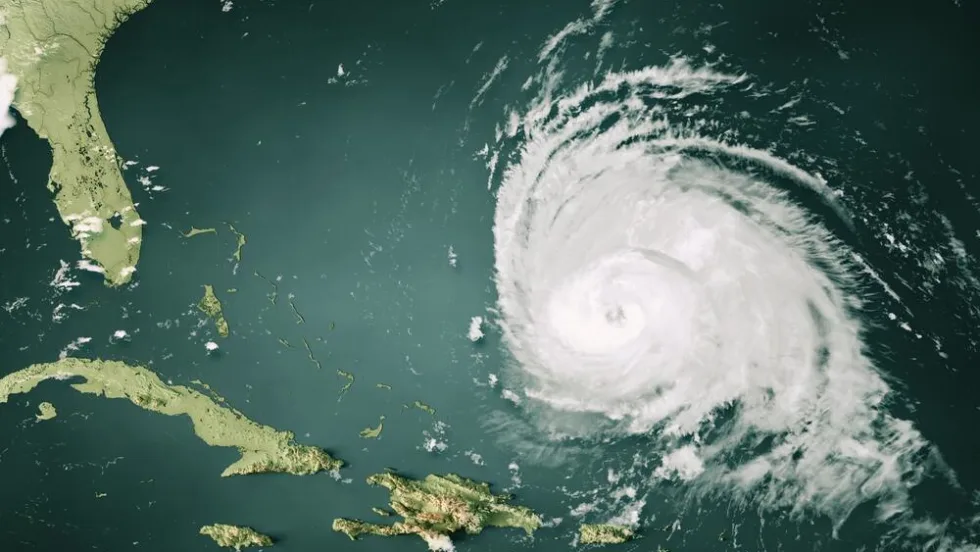
Essential Strategies for Fleet Preparation and Protection During Hurricane Season
Prepare your fleet for hurricane season with proactive strategies to protect drivers, vehicles, and assets before, during, and after the storm.
Read More →
When Disaster Strikes: Equipping Your Fleet for Survival and Recovery
Discover how fleets can stay operational during hurricanes, wildfires, floods, and storms with strategic planning, technology, and data-driven maintenance.
Read More →
Mobilizing for Recovery When it Matters Most
When disaster strikes, reliable transportation becomes a lifeline for recovery, ensuring first responders and relief crews can reach those in need most.
Read More →