




How Fleets Can Strengthen Disaster Preparedness with Predictive Data and Safety Technology
by Erin Gilchrist, Intellishift
May 1, 2025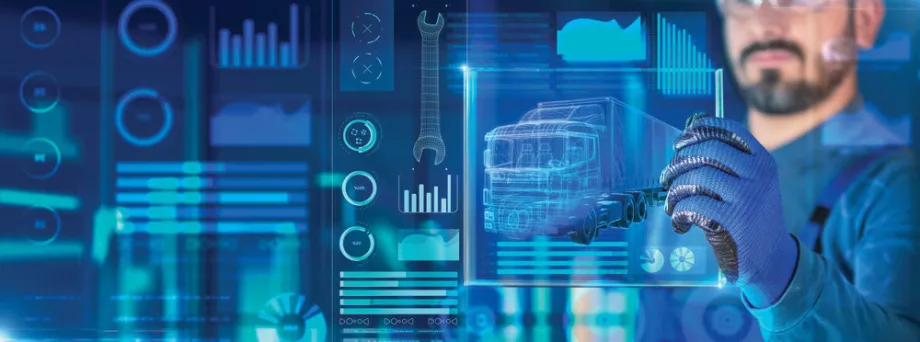
Telematics helps fleets prepare for disasters by improving visibility, communication, and real-time decision-making.
Photo Credit: Getty Images/sefa ozel
6 min to read
Disasters, whether hurricanes, wildfires, floods, or winter storms, are inevitable. But its impact on fleet operations doesn’t have to be. Fleet managers who prioritize proactive planning, safety culture, and real-time data insights position themselves not just to react and recover, but to prepare and respond to these high-stakes events.
It’s 2025: disaster readiness isn’t just about having a recovery plan. It’s about using predictive analytics, unified data, and safety technology to stay ahead of disasters and ensure drivers and teams are fully prepared to respond under pressure.
Spotting Risks Before They Become Roadblocks
The best disaster response doesn’t start when a storm hits; it starts long before. With the right mix of historical telematics data and predictive analytics, fleet managers can get ahead of the storm by identifying vulnerabilities before they become real problems.
This intelligence helps fleet leaders determine which routes, assets, or regions are most likely to be impacted based on past patterns and current conditions. Instead of reacting in the moment, they can reroute vehicles away from danger zones, stage equipment where needed most, and make smart calls on asset protection well in advance.
This predictive modeling also helps plan staffing and driver schedules more efficiently, reducing last-minute scrambles, not to mention the stress that comes with them. When you know where disruptions are likely to happen, you can allocate your resources appropriately and keep your team and operations one step ahead.
Responding in Real-Time When Seconds Count
When a crisis hits, everyone knows seconds matter, and guesswork isn’t an option. The last thing any fleet manager needs in an emergency is to be stuck waiting on delayed data or flipping between disconnected systems trying to piece together what’s happening.
This is the beauty of unified telematics. By bringing together vehicle tracking, driver behavior monitoring, and maintenance diagnostics into one real-time dashboard, managers get the clear, up-to-the-minute picture they need to act fast.
For example, if a wildfire suddenly shuts down a key transport route, managers can immediately see which drivers are in the area and reroute while issuing safety alerts, all without missing a beat. Layer on predictive insights, and now you’re not just reacting; you’re staying ahead. This adaptability helps fleets keep people safe, avoid unnecessary downtime, and maintain operations even when the unexpected arrives.
Driver Safety: The Cornerstone of Resilience
No emergency plan is complete without putting driver safety front and center. Building a strong safety culture isn’t just about having the right tools — though things like in-cab coaching, AI-powered dash cams, and behavior-based scorecards certainly help. It’s about ensuring drivers are truly prepared, confident, informed, and ready to handle whatever the road throws.
Good safety habits, like keeping a safe following distance, managing speed in bad weather, and reducing cognitive distractions become even more critical when conditions become unpredictable. And with real-time driver monitoring and telematics alerts, managers can catch risky behaviors early and offer immediate, actionable feedback to keep drivers on track.
That said, technology alone isn’t enough to ensure safety during disasters. Regular training, clear emergency protocols, and hands-on drills give drivers the skills to stay calm, make smart decisions, and prioritize safety, even in the most chaotic situations. When drivers are prepared, the whole operation is stronger and safer.
Minimizing Downtime Through Proactive Maintenance
Disaster scenarios amplify the consequences of vehicle failure. A breakdown that might normally cause a minor delay can escalate into a dangerous failure during a hurricane evacuation or wildfire response. Proactive maintenance strategies — backed by telematics-driven diagnostics and automated service alerts — help keep vehicles road-ready and reduce the risk of disaster-related breakdowns.
By monitoring engine health, tire pressure, brake performance, and other key indicators, fleets can catch issues early and address them before they lead to unexpected downtime. Preventive maintenance schedules, powered by these automated alerts, ensure critical upkeep never falls through the cracks, especially when disaster response activities are straining day-to-day operations.
In addition to reducing breakdown risk, proactive maintenance enhances vehicle longevity and cost efficiency. Well-maintained fleets are better positioned to perform reliably under pressure, ensuring that disaster readiness efforts aren’t derailed by avoidable equipment failures.
Smarter Decisions When It Matters Most
Just collecting data is not enough anymore. When things become unpredictable, guessing your way through won’t cut it. Today’s telematics platforms give fleet managers the real-time insights they need to make smart, fact-based decisions, not assumptions.
These tools don’t just tell you where your vehicles are. They show you which routes pose the biggest risks, how your drivers are doing, and whether your vehicles are in top shape to handle what’s ahead. With predictive insights and real-time analytics, you’re not waiting for problems to happen. Instead, you’re spotting them early and steering clear.
Even better, these systems track key safety metrics like speeding, hard braking, and early signs of driver fatigue before, during, and after a disaster. That kind of full-picture view helps managers respond at the moment and fine-tune their plans for the future.
It’s about learning from every experience and coming back stronger the next time around.
What Fleets Get Wrong: Preparedness Pitfalls
Despite good intentions, many fleets still fall into the trap of reactive disaster management. Relying on outdated systems, manual processes, or disconnected communication tools limits a fleet’s ability to respond effectively. Common mistakes include:
- Outdated Communication Channels: Relying on phone chains or mass emails leads to slow, fragmented responses. Integrated communication platforms with instant, fleet-wide notifications improve responsiveness.
- Reactive Maintenance: Waiting for breakdowns to occur instead of using predictive diagnostics leaves vehicles vulnerable. Automating preventive maintenance and diagnostic monitoring reduces this risk.
- Limited Driver Visibility: Failing to track driver behavior and route adherence makes it harder to ensure safety in unpredictable conditions. AI dash cams and driver monitoring tools provide essential real-time insights.
- Data Silos: Using separate systems for safety, compliance, telematics, and maintenance creates gaps in information flow. Unified platforms eliminate these silos, streamlining decision-making.
By replacing outdated methods with integrated, forward-looking strategies, fleets can build greater resilience into every layer of their operations.
The Human Factor: Empowering Drivers and Teams
The best disaster plan in the world won’t work if your people aren’t ready to implement it. Real preparedness isn’t just about having the right technology; it’s about making sure your drivers, managers, and teams have the tools, training, and confidence to handle whatever comes their way.
That means more than just monitoring data. It’s about regular coaching, open feedback, and celebrating when drivers get it right. When safety is a shared priority (not just a box to check) it becomes part of how your entire team operates every day.
Preparedness also means making sure everyone knows exactly what to do if and when disaster strikes. Clear communication plans, easy-to-follow protocols, and hands-on drills help eliminate guesswork in high-pressure situations.
When people know their role and have practiced for it, they’re ready to act fast, which can make all the difference.
Subscribe to Our Newsletter
More Disaster Response
From Storm Prep to Emergency Response: The Growing Role of Telematics in Disaster Management
Telematics is transforming disaster response by giving fleets real-time visibility, improving routing, readiness, and coordination when every second counts.
Read More →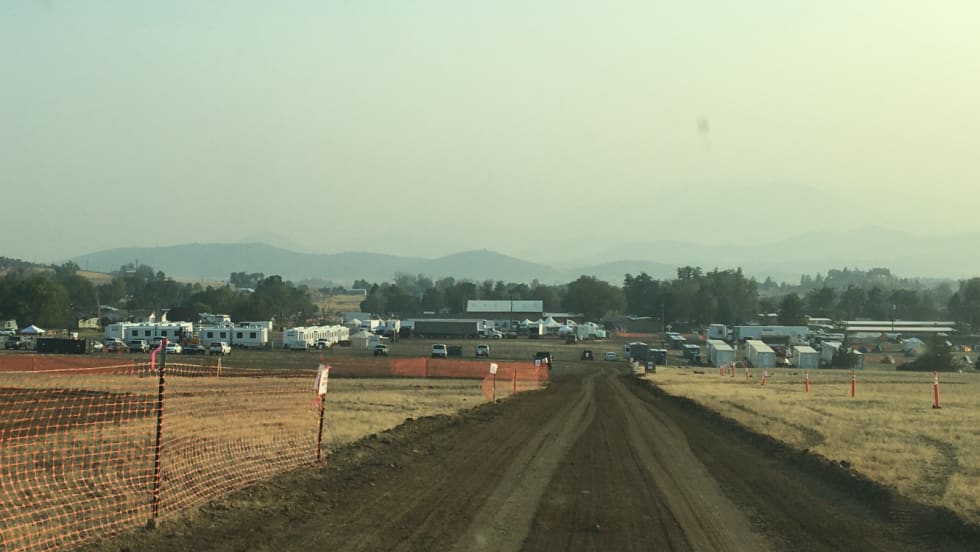
Disaster Readiness Is Not a Fleet Count, It’s a Stress Test of the Whole System
Fleet readiness isn’t about your vehicle count. It’s about condition, capacity, and whether your system can actually perform under stress.
Read More →
How Fleets Keep Fuel Flowing During Disasters
U.S. Bank Voyager explains the most common fleet payment failures during emergencies and how proactive planning helps keep vehicles moving when conditions deteriorate.
Read More →
The Waffle House Effect: How They Impacted How Storms are Measured While Keeping Hot Meals Ready
Why one restaurant chain became a benchmark for disaster response and what fleets can learn about readiness, operations, and recovery.
Read More →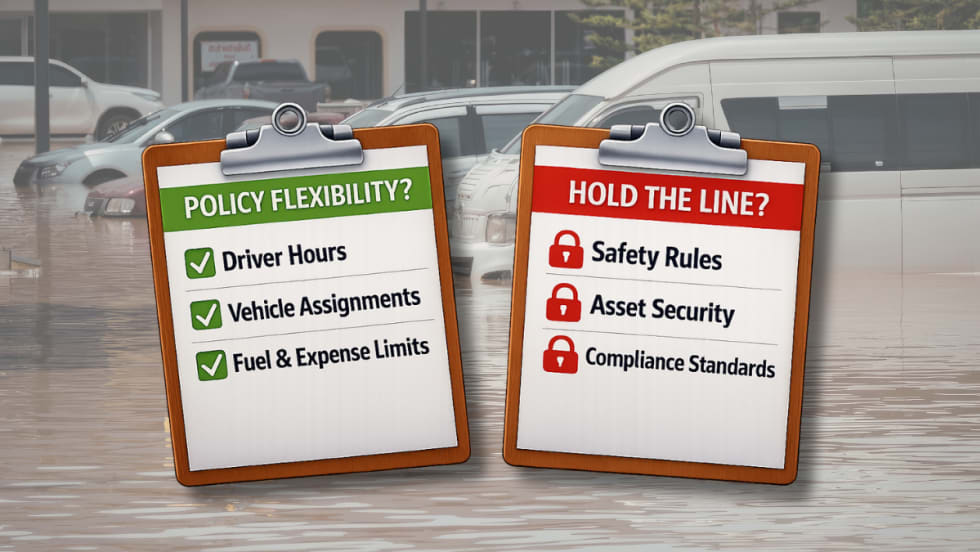
Adapting Fleet Policy When Disasters Strike
In the middle of natural disasters fleet managers must shift priorities to protect people and assets. What policy items should be loosened, and when should the line be held?
Read More →
When Fuel Runs Out, the Fleet Plan Falls Apart
When disaster hits, fleets fail on fuel, power, and idle planning. See the energy gaps fleet managers need to fix before the next storm.
Read More →
The Missing Data Point in Disaster Response
Human reports fill the gaps that telematics can’t during disasters. Here’s how fleets can use structured input (not social chaos) to respond faster and safer.
Read More →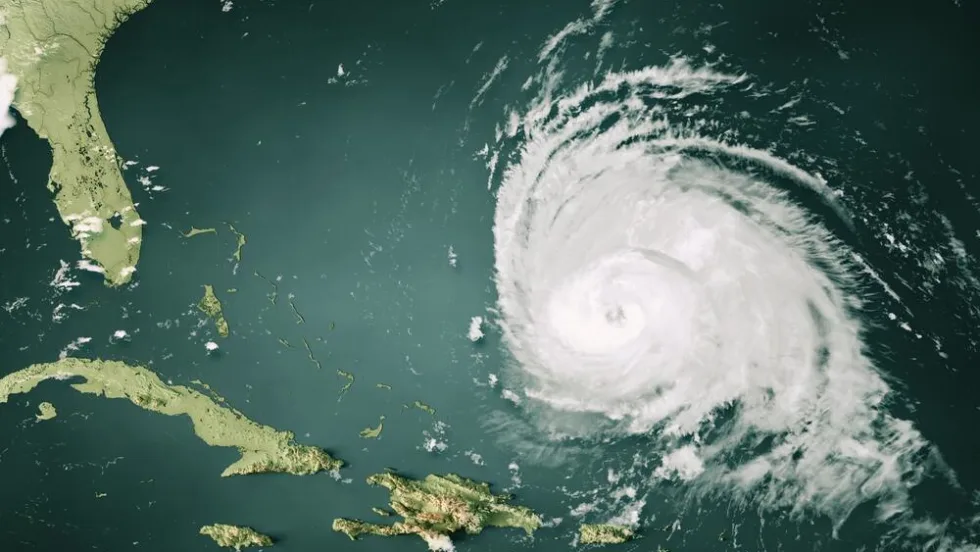
Essential Strategies for Fleet Preparation and Protection During Hurricane Season
Prepare your fleet for hurricane season with proactive strategies to protect drivers, vehicles, and assets before, during, and after the storm.
Read More →
When Disaster Strikes: Equipping Your Fleet for Survival and Recovery
Discover how fleets can stay operational during hurricanes, wildfires, floods, and storms with strategic planning, technology, and data-driven maintenance.
Read More →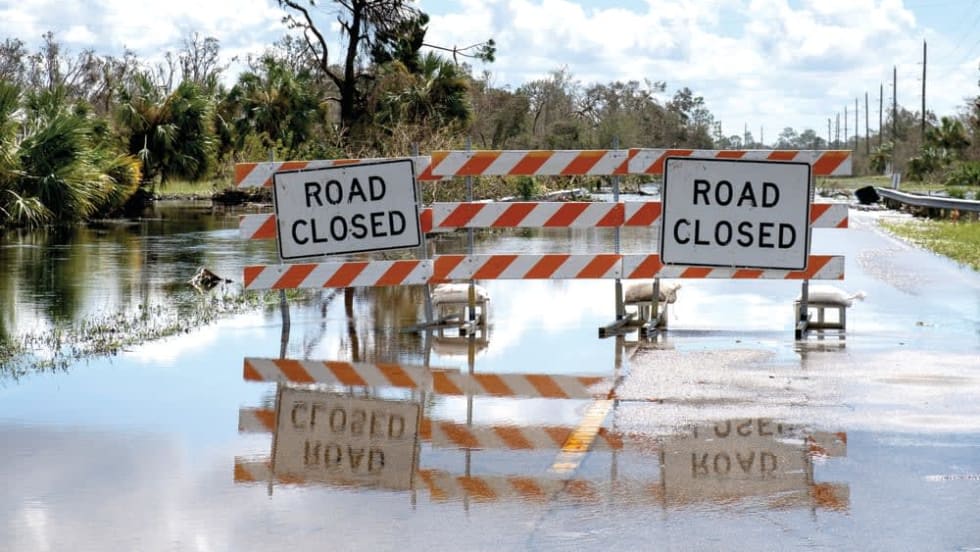
Mobilizing for Recovery When it Matters Most
When disaster strikes, reliable transportation becomes a lifeline for recovery, ensuring first responders and relief crews can reach those in need most.
Read More →