


FUEL EMERGENCY RESOURCES
- Gasbuddy Fuel Outage Tracker:
tracker.gasbuddy.com - National Hurricane Center Tropical Weather Outlook:
nhc.noaa.gov/gtwo.php - U.S. PowerOutage Tracker:
poweroutage.us
 MENU
MENU SEARCH
Prepare your fleet for emergencies with a foolproof disaster fuel strategy that keeps operations running when it matters most.
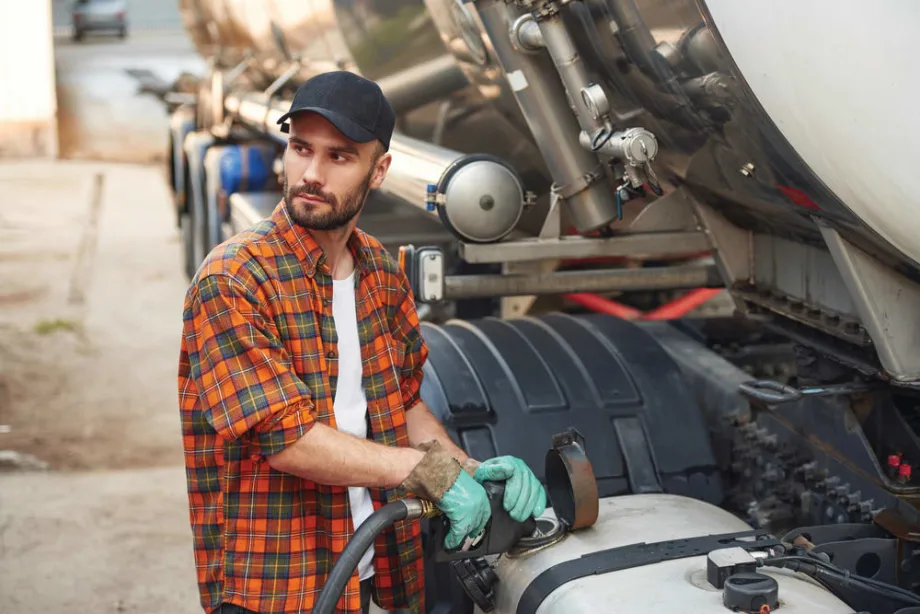
Building a disaster fuel strategy helps fleets maintain uptime, control costs, and avoid disruptions during emergencies.
Photo Credit: Getty Images/standret
It’s easy to take fuel availability for granted during normal fleet operations. Your driver goes to the pump, swipes their card, unhooks the nozzle, and is back on the road in minutes with a full tank. However, procuring fuel isn’t easy when natural disasters, emergencies, or other unforeseeable circumstances strike. And without it, your fleet is dead in the water.
When planning for disasters, fuel is one of the easiest topics for fleet managers to overlook. Yet it’s invariably one of the first things you’ll worry about when disaster strikes. So why leave it to chance?
Having an emergency fuel plan before disasters will reduce operational anxieties and uncertainties whenever the unexpected happens. Here are seven keys to creating an emergency fuel strategy for your fleet.
Unforeseen emergencies leave uncertainty and confusion in their wake. Before disaster strikes, you should know who in your organization will make critical fuel supply decisions. Whether this is a “point person” or a small internal team of decision makers, the first key to a strong emergency fuel plan is to establish who will manage your fuel strategy.
Their responsibilities may include creating a “playbook” for responding to fuel emergencies, identifying your organization’s fuel needs after a disaster, contacting fuel vendors, placing fuel orders, and communicating up-to- date information to your logistics team, drivers, and other operational stakeholders.
You’ll eliminate much operational and logistical confusion by designating specific people to make informed fuel
procurement decisions in times of crisis.
Be Prepared
We’ve all seen news footage of cars and trucks idling in long lines at fuel stations whenever fuel supplies get critically low. Rather than wait hours to fill up at the pump (with no guarantee that any fuel will be left), consider looking at other means of fuel procurement.
Direct-to-truck fueling, mobile fueling, or “wet hosing” brings fuel directly to your fleet, saving your drivers the hassle of hunting down fuel during supply disruptions.
Wet hosing can also be a great time-saver during normal, non-emergency operations.
Here’s how it works: At the end of their shift, your drivers park their vehicles at your facility or yard. During your fleet’s off hours, a fuel truck shows up at your yard and tops off your vehicles’ tanks. The next day, your drivers show up for their shift and their fuel tanks are full, saving them a trip to the fuel station.
Be Prepared
In the aftermath of a natural disaster, it’s not just your fleet that may need fuel, but also your facilities.
If you expect to rely on generators to fill the gap between a sudden power outage and the restoration of electric service, ensure you have plenty of fuel and a plan to get more.
Larger generators have bigger fuel tanks but tend to burn many gallons per hour, making it easy to be caught off guard when your generator’s fuel levels get critically low.
Know how many gallons your generator uses at maximum usage and plan new fuel deliveries accordingly.
During normal operation, establish relationships with multiple fuel vendors to have backup suppliers in the case of power outages.
Consider obtaining auxiliary fuel cubes to boost your generator fuel storage capacity so you can go longer between refills, reducing the risk of your operations grinding to a halt if your generator runs out of fuel.
Be Prepared
Many organizations that domicile large fleets of vehicles in one spot — such as bus fleets, large trucking terminals, and municipal vehicle pools — have on-site bulk fuel tanks at their facilities. These tanks give the convenience of easy refueling during “normal” times, as well as an operational advantage during disasters.
In the bulk fuel business, wholesalers and suppliers often use the terms “run off the bottom” and “run off the top.”
“Run off the bottom” means waiting to place a bulk fuel order when you’re almost out of fuel. This is fine during normal supply scenarios, but the smarter play is to “run off the top,” i.e., requesting a fuel order as soon as you have enough space in your bulk tank.
This one small change in your bulk fuel reordering strategy can buy a much-needed cushion when local fuel supplies dry up after a disaster.
Be Prepared
Local fuel supplies often get stretched to the breaking point during natural disasters and other emergencies.
In especially challenging emergencies, fuel terminals, loading racks, and barge facilities may shut down, making an already tenuous fuel supply situation even worse. As fuel supplies dry up, retail stations and truck stops may run out of fuel, and even your local fuel wholesalers may find it difficult to meet customer needs.
Have a list of contacts at local fuel suppliers you can rely on for up-to-date information about supply outages and expected resupply dates. Use websites and apps like GasBuddy to track retail fuel station outages in a storm and relay this information to your fleet managers and drivers.
This also ensures your team will be among the first to know when local gas stations and truck stops begin to receive new fuel shipments.
Staying “in the know” will help avoid costly procurement missteps during an ever-changing fuel supply scenario.
Be Prepared
In the aftermath of a disaster, you don’t want to leave the success or failure of mission-critical operations to chance. Unfortunately, interruptions to fuel supply introduce unwelcome operational uncertainty in the wake of storms, floods, or other emergencies.
Instead of being uncertain whether you can obtain fuel in an emergency, consider buying or renting temporary fuel tanks.
These are often small cylindrical “skid” or “cube”-style tanks with capacities between 200 and 500 gallons. Look for ones with a pump attached. A hand pump will pump slower but require no power, while a battery-powered pump will pump faster.
In both cases, these pumps will let you conveniently dispense fuel into your yard equipment.
These tanks can be kept on-site at your facility, acting as a strategic hedge against possible fuel supply interruptions. Keep these tanks full and have a plan to get them refilled by a local fuel provider during emergencies.
Be Prepared
Beyond local fuel wholesalers and suppliers, another class of fuel providers can provide mission-critical support during chaotic situations: emergency fuel companies. These are often national- scale providers that can quickly mobilize fuel deliveries for affected organizations, fleets, and companies after a disaster.
These companies will often charge hefty delivery fees or a much higher price per gallon (PPG) than typical fuel wholesalers to cover the expense of bringing fuel to you across a considerable distance. However, if you need fuel and need it fast, these are often the most dependable options in the aftermath of a disaster.
Have a shortlist of emergency fuel companies you can call in times of critical need. Understand their pricing and fee structures beforehand to avoid sticker shock during a crisis. Vet them in advance and ensure they have the credentials, insurance, and capacity to serve your region.
These companies are particularly useful during extended outages when local infrastructure is offline or overwhelmed. Some offer direct-to-vehicle services, portable tank refills, and 24/7 dispatch during declared emergencies.
Be Prepared
Emergencies by nature are unpredictable. But how your fleet responds to them doesn’t have to be.
Fuel is the lifeblood of your fleet. And unlike other commodities, when it’s in short supply, the ripple effect can grind your entire operation to a halt.
That’s why an emergency fuel strategy isn’t optional. It’s essential.
From creating a rapid response decision team to investing in temporary tasks and building relationships with multiple suppliers, each step you take today improves your ability to operate confidently tomorrow.
About the Authors: Thom Robinson is the vendor relationship manager and Glen Sokolis is the CEO of Sokolis.

Telematics is transforming disaster response by giving fleets real-time visibility, improving routing, readiness, and coordination when every second counts.
Read More →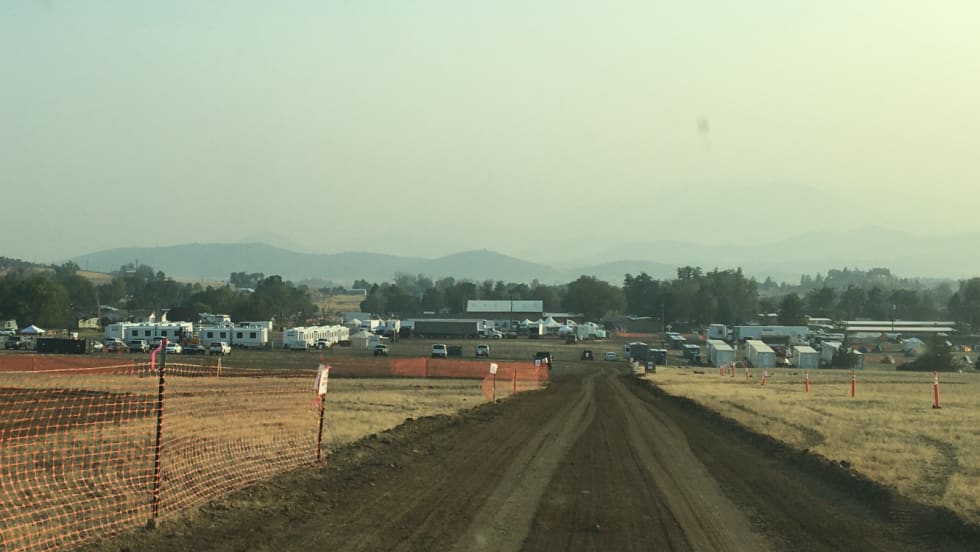
Fleet readiness isn’t about your vehicle count. It’s about condition, capacity, and whether your system can actually perform under stress.
Read More →
U.S. Bank Voyager explains the most common fleet payment failures during emergencies and how proactive planning helps keep vehicles moving when conditions deteriorate.
Read More →
Why one restaurant chain became a benchmark for disaster response and what fleets can learn about readiness, operations, and recovery.
Read More →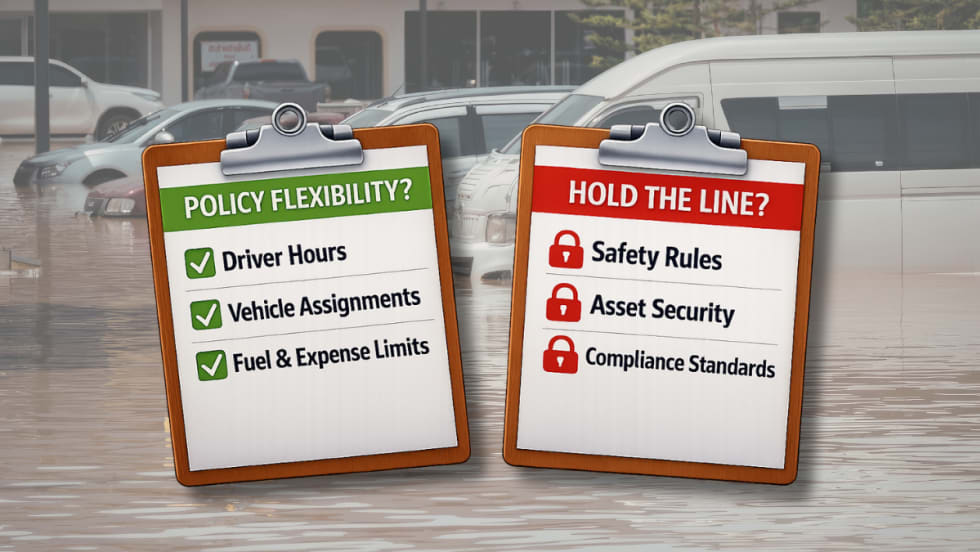
In the middle of natural disasters fleet managers must shift priorities to protect people and assets. What policy items should be loosened, and when should the line be held?
Read More →
When disaster hits, fleets fail on fuel, power, and idle planning. See the energy gaps fleet managers need to fix before the next storm.
Read More →
Human reports fill the gaps that telematics can’t during disasters. Here’s how fleets can use structured input (not social chaos) to respond faster and safer.
Read More →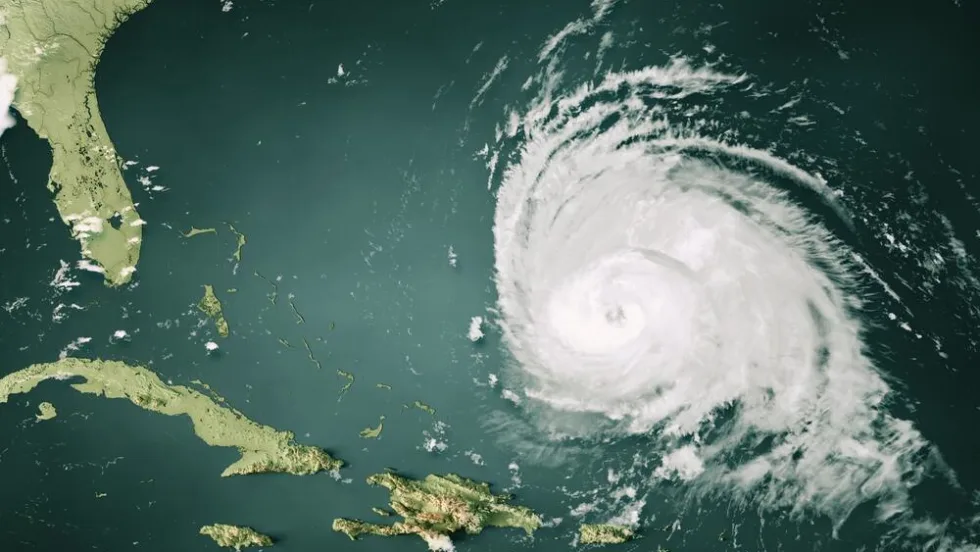
Prepare your fleet for hurricane season with proactive strategies to protect drivers, vehicles, and assets before, during, and after the storm.
Read More →
Discover how fleets can stay operational during hurricanes, wildfires, floods, and storms with strategic planning, technology, and data-driven maintenance.
Read More →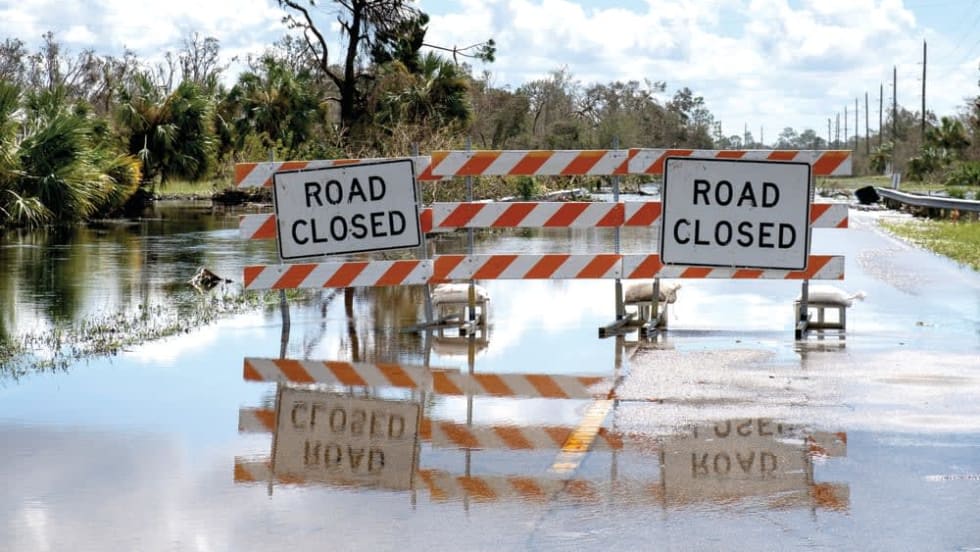
When disaster strikes, reliable transportation becomes a lifeline for recovery, ensuring first responders and relief crews can reach those in need most.
Read More →