




10 Safety Tips for Emergency Evacuations
Stay safe on the road during hurricanes, wildfires, or storms with these 10 smart emergency evacuation tips for drivers and fleet managers.
by Element Fleet Management
May 1, 2025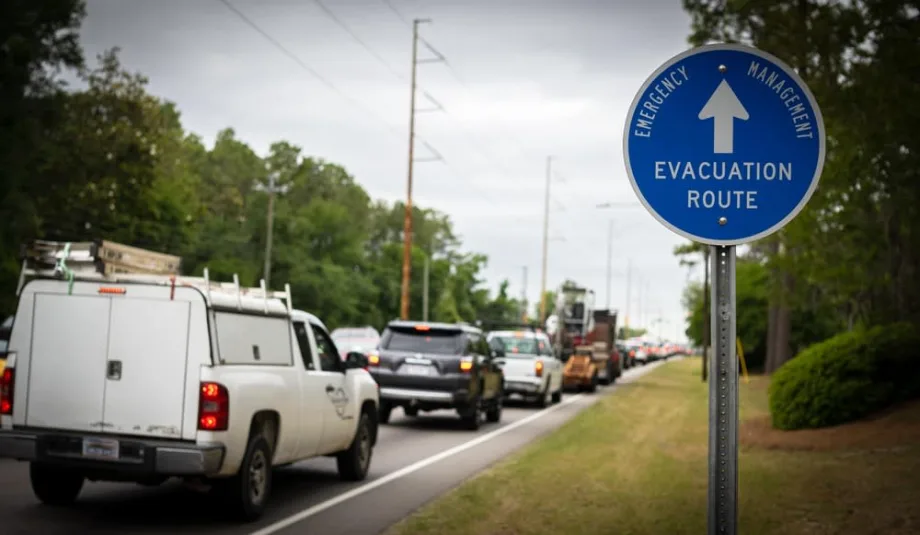
Fleet vehicles play a critical role in post-storm recovery, helping move supplies, personnel, and resources where they’re needed most.
Photo Credit: Getty Images/Darwin Brandis
2 min to read
Safety on the road becomes a top priority when emergencies like hurricanes, wildfires, or severe storms strike. Follow these 10 essential tips to help ensure a safe evacuation.
1. Be Prepared
Pack an emergency kit with food, water, medications, a flashlight, and a fully charged phone. Make sure your vehicle is fueled or charged and in working order. Plan multiple destinations in case routes change.
2. Follow Official Guidance
Listen to evacuation orders from local authorities and agencies like the National Weather Service. Use designated routes and avoid waiting until the last minute to leave.
3. Stay Weather Aware
Track weather conditions closely using forecasts and emergency radio updates. Adjust your route and speed based on the latest information.
4. Use Navigation Apps Safely
Apps like Google Maps and Waze can help avoid traffic and road closures. Let a passenger assist with navigation or set your route before driving.
5. Drive Defensively
Expect congestion and changing traffic patterns. Stay patient, follow the rules, and leave plenty of space between vehicles. Fleets should consider assigning defensive driver training ahead of time.
6. Use Headlights and Signals
Keep headlights on even during the day for better visibility. Signal early to help others anticipate your movements.
7. Slow Down and Keep Distance
Wet roads require extra caution. Follow the three-second rule (maintaining a three-second gap between you and the vehicle in front of you) to maintain a safe buffer and reduce your speed in poor conditions.
8. Watch for Hydroplaning
Avoid large puddles and drive slower on wet roads. If your vehicle begins to hydroplane, ease off the gas and steer straight until control is regained.
9. Skip Cruise Control
Manual control is safer during emergencies. Cruise control can slow your reaction time and reduce traction on slick roads.
10. Stay Calm and Focused
Limit distractions and keep your attention on the road. Staying calm helps you make better decisions and react to unexpected situations.
Subscribe to Our Newsletter
More Disaster Response
From Storm Prep to Emergency Response: The Growing Role of Telematics in Disaster Management
Telematics is transforming disaster response by giving fleets real-time visibility, improving routing, readiness, and coordination when every second counts.
Read More →
Disaster Readiness Is Not a Fleet Count, It’s a Stress Test of the Whole System
Fleet readiness isn’t about your vehicle count. It’s about condition, capacity, and whether your system can actually perform under stress.
Read More →
How Fleets Keep Fuel Flowing During Disasters
U.S. Bank Voyager explains the most common fleet payment failures during emergencies and how proactive planning helps keep vehicles moving when conditions deteriorate.
Read More →
The Waffle House Effect: How They Impacted How Storms are Measured While Keeping Hot Meals Ready
Why one restaurant chain became a benchmark for disaster response and what fleets can learn about readiness, operations, and recovery.
Read More →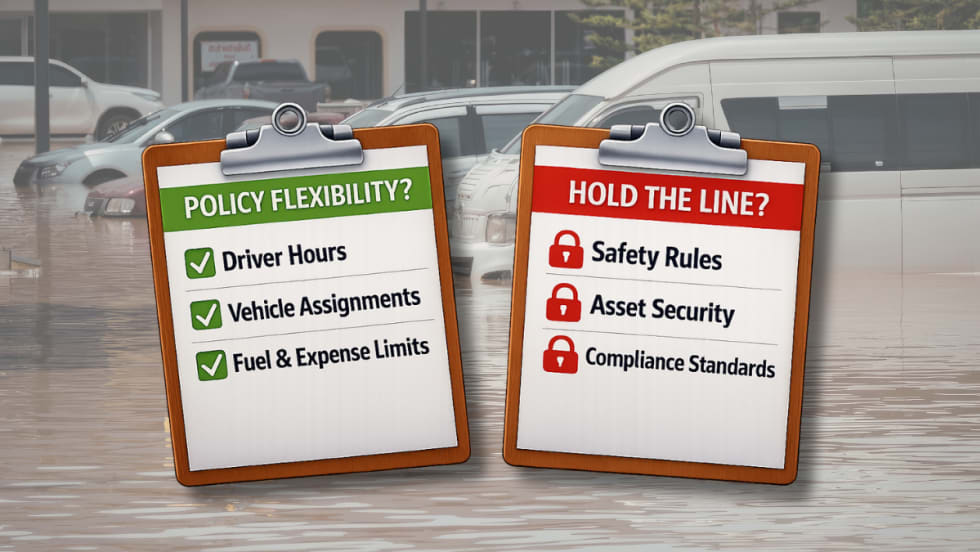
Adapting Fleet Policy When Disasters Strike
In the middle of natural disasters fleet managers must shift priorities to protect people and assets. What policy items should be loosened, and when should the line be held?
Read More →
When Fuel Runs Out, the Fleet Plan Falls Apart
When disaster hits, fleets fail on fuel, power, and idle planning. See the energy gaps fleet managers need to fix before the next storm.
Read More →
The Missing Data Point in Disaster Response
Human reports fill the gaps that telematics can’t during disasters. Here’s how fleets can use structured input (not social chaos) to respond faster and safer.
Read More →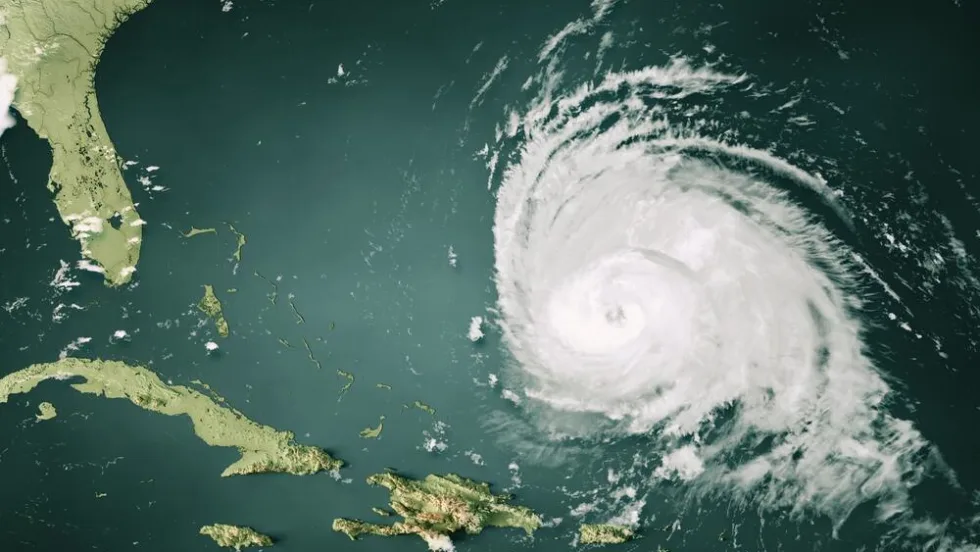
Essential Strategies for Fleet Preparation and Protection During Hurricane Season
Prepare your fleet for hurricane season with proactive strategies to protect drivers, vehicles, and assets before, during, and after the storm.
Read More →
When Disaster Strikes: Equipping Your Fleet for Survival and Recovery
Discover how fleets can stay operational during hurricanes, wildfires, floods, and storms with strategic planning, technology, and data-driven maintenance.
Read More →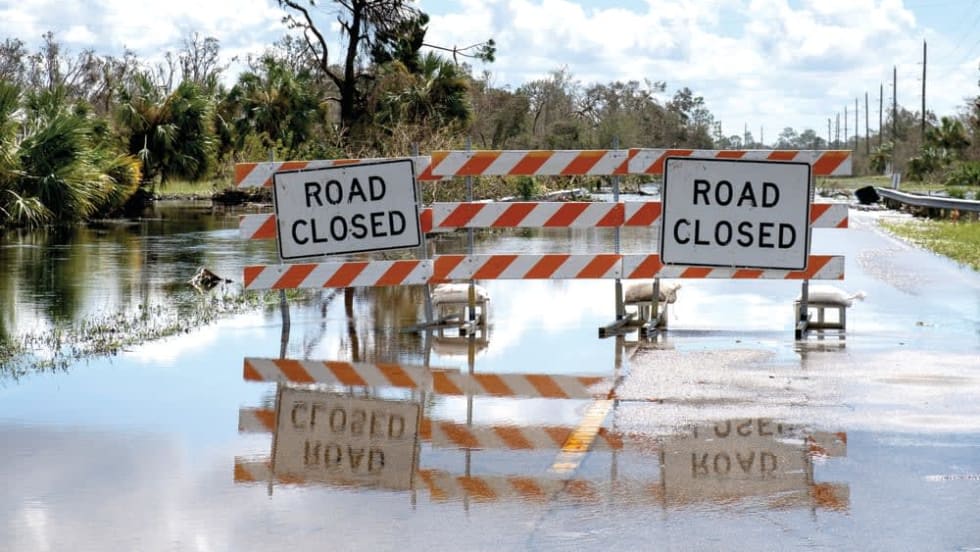
Mobilizing for Recovery When it Matters Most
When disaster strikes, reliable transportation becomes a lifeline for recovery, ensuring first responders and relief crews can reach those in need most.
Read More →