




Toyota Camry Named 2024 Fleet Car of the Year
For fleet drivers, the Camry mixes comfort, power, and fuel economy. See where the iconic sales fleet workhorse ranks in the historical list of winners.
December 9, 2024

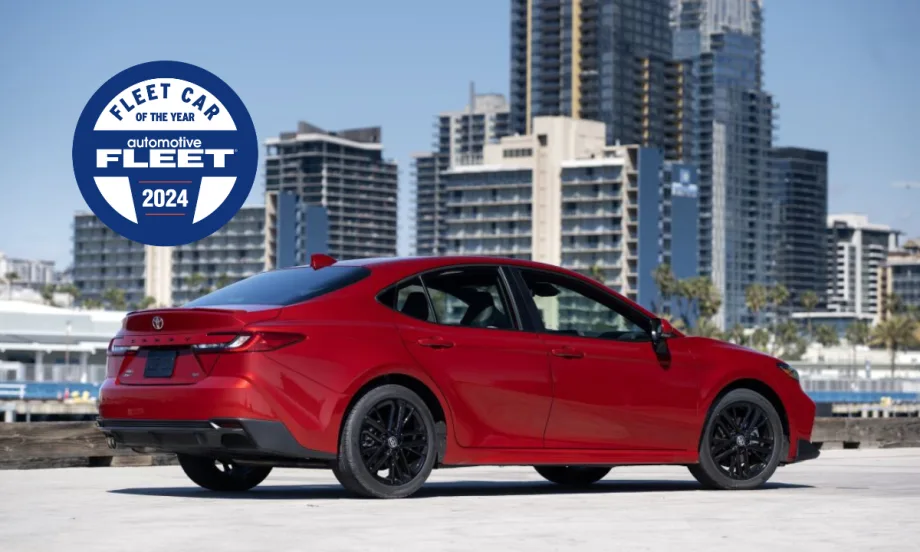
Toyota made the Camry hybrid-only for the 2025 model year.
Photo: Toyota / Automotive Fleet
3 min to read
The Toyota Camry is synonymous with sales and corporate fleets — the Camry first launched in the 1983 model year, when Toyota launched its fleet program in the U.S. While Camry continues to be a top seller in fleets, it has also been the best-selling sedan in the U.S. every year since 2002.
And for 2024, Camry has been named Fleet Car of the Year by Automotive Fleet. This is the fourth time that a Camry model has won the award; it's first win was in 2019.
Toyota made the Camry hybrid-only for the 2025 model year. The Camry’s transition to a fully hybrid lineup reflects this overall market shift and fits with Toyota’s strategy of providing multiple pathways to reduce carbon emissions.
This also includes plug-hybrid electric vehicles and fuel-cell electric vehicles, in addition to traditional internal combustion engine vehicles.
“We are proud to have Camry recognized as Automotive Fleet’s 2024 Car of the Year,” said Kevin Curran, general manager of Toyota Fleet Sales.
“Earlier this year, we launched the all-new Camry exclusively with a hybrid powertrain, and we are thrilled to hear that our fleet customers are enjoying Camry’s efficiency, quality, and dependability in their fleets.”
2025 Camry: No Power Sacrifice
For the 2025 model year, Toyota pared down Camry’s three engine choices to one: a 2.5-liter, four-cylinder gasoline engine paired with Toyota’s fifth-generation hybrid system.
While hybrids have always been known for sipping fuel, they have a reputation for lacking oomph. The new generation of hybrids, across all manufacturers, doesn’t sacrifice power.
The 2025 Camry's LE FWD grade offers an EPA-rated combined 51 MPG and a combined output of 225 horsepower for the front-wheel-drive version and 232 horsepower for the all-wheel-drive variant.
Fleets moving from the previous model’s gas engine to the hybrid-only powerplant would realize a savings of at least $1,650 over a three-year lease when driving 15,000 miles a year.
The new Camry also offers available Electronic On-Demand AWD across all four grades: LE, SE, XLE, and XSE, a first for a Toyota hybrid model.
The AWD system is designed to provide on-demand front and rear torque distribution in conjunction with driving conditions. If the system senses loss of tire grip on a slippery road, the distribution of torque to the rear wheels is then controlled to deliver enough traction to keep the Camry firmly planted.
Technology enhancements include a new 7-inch digital gauge cluster that is standard on lower trims, an upgraded 12.3-inch cluster, and an optional 10-inch Head-Up Display on higher trims.
On the safety side, Toyota Safety Sense 3.0 is now standard. The system has improved pedestrian detection, especially during turns, and better recognition of traffic signs and speed limits. Additionally, for the first time on a Camry, Front Cross-Traffic Alert and Reverse Automatic Braking are available.
Toyota has also introduced Traffic Jam Assist for hands-free driving at low speeds, available via subscription on higher trims. The 2025 model offers an optional surround-view camera and automatic lane change assistance.
Fleet Car of the Year, Historical
2024 Toyota Camry Hybrid
2023 Chevrolet Bolt EV
2022 Toyota Camry Hybrid
2021 Toyota Camry
2020 Chevrolet Malibu
2019 Toyota Camry
2018 Ford Fusion
2017 Ford Fusion
2016 Chevrolet Malibu
2015 Ford Fusion
2014 Chevrolet Cruze
2013 Ford Fusion
2012 Ford Fusion
2011 Ford Fusion/Fusion Hybrid
2010 Chevrolet Malibu
2009 Chevrolet Malibu
2008 Chevrolet Impala
2007 Chevrolet Impala
2006 Chevrolet Impala
2005 Chrysler 300
2004 Chrysler 300
2003 Chevrolet Malibu
More Vehicle Research
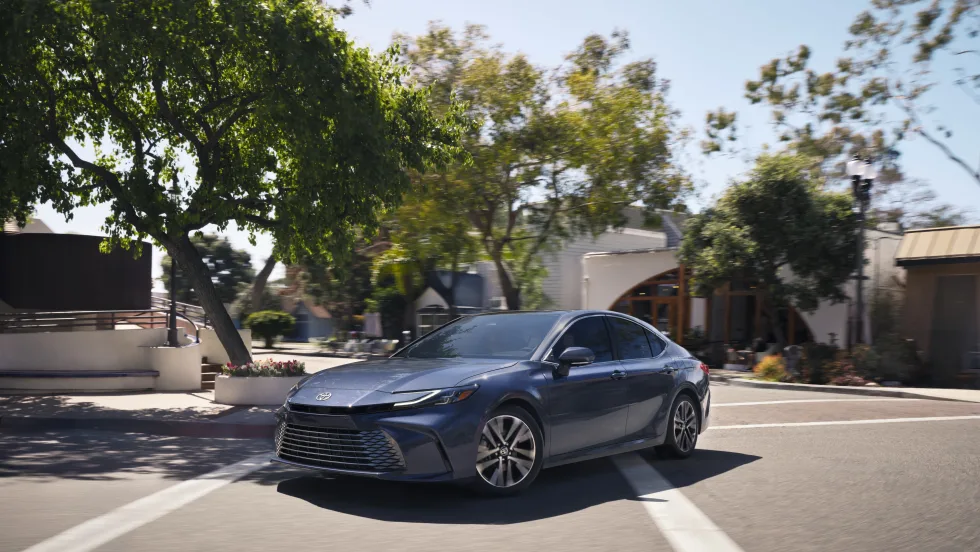
2027 Toyota Camry Offers Hybrid Powertrain Across Five Grades
The 2027 Toyota Camry is a carryover with new pricing.
Read More →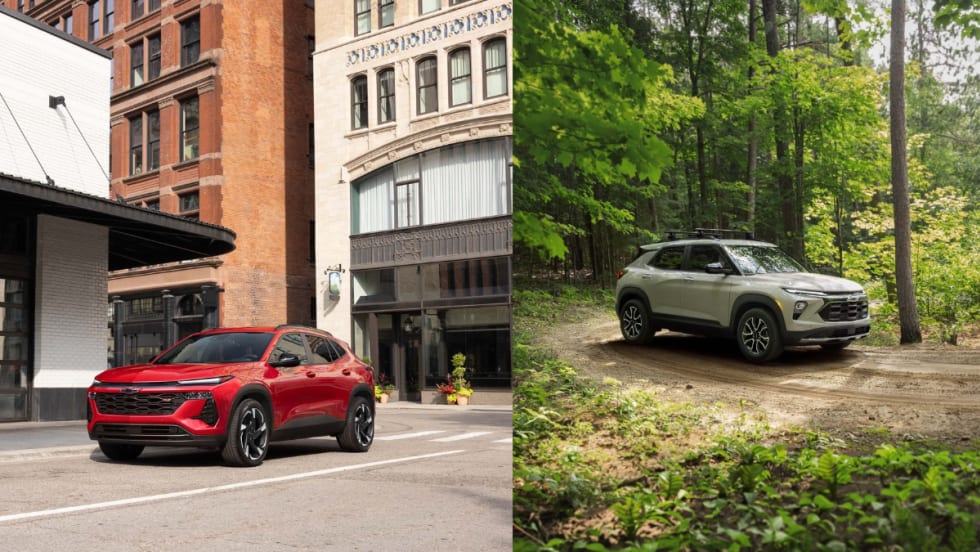
Chevrolet Updates 2027 Trax and Trailblazer with More Standard Safety Features
Chevrolet is updating two of its smallest SUVs with added driver-assistance technology, redesigned interiors, and revised trim options. The changes could add more safety equipment as standard for commercial fleets, while a new Trailblazer configuration adds another all-wheel-drive option.
Read More →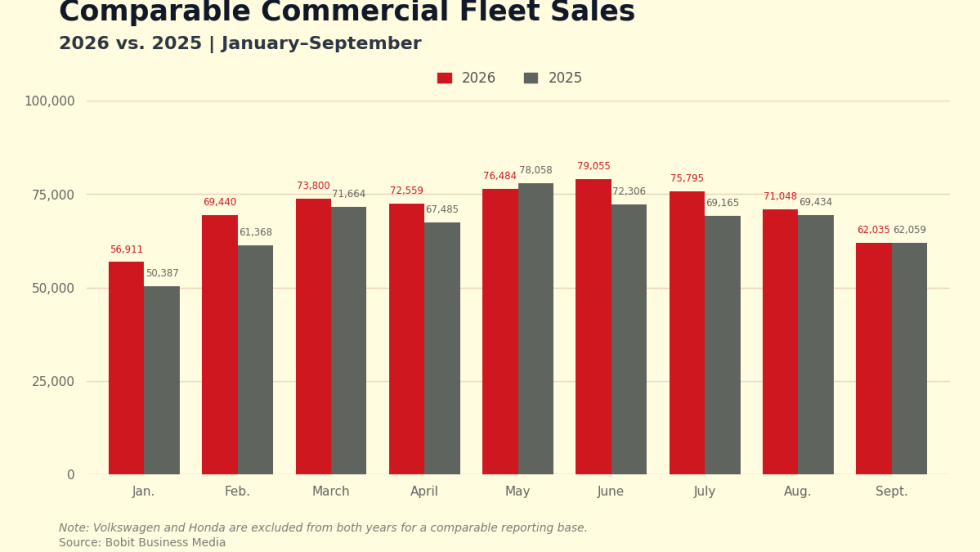
Commercial Fleet Sales Rise 5.8% Through September 2026
September commercial fleet sales were essentially unchanged from a year earlier, slowing year-to-date growth while keeping volume ahead of 2025.
Read More →
Hall of Fame Inductee: John Dmochowsky
The longtime Mondelēz International fleet executive joins the Automotive Fleet Hall of Fame.
Read More →
Hall of Fame Inductee: Lee Miller
After more than four decades at Boehringer Ingelheim, Lee Miller leaves a legacy built on fleet expertise.
Read More →
Hall of Fame Inductee: Mark F. Petersen
From managing fleets of thousands of vehicles to advancing safety and mentoring fellow professionals, Mark F. Petersen made his mark across both the corporate and supplier sides of fleet.
Read More →
When Charger Downtime Becomes a Fleet Availability Problem
As EV deployments move beyond pilot programs, charger reliability can directly affect vehicle readiness, driver productivity and route scheduling.
Read More →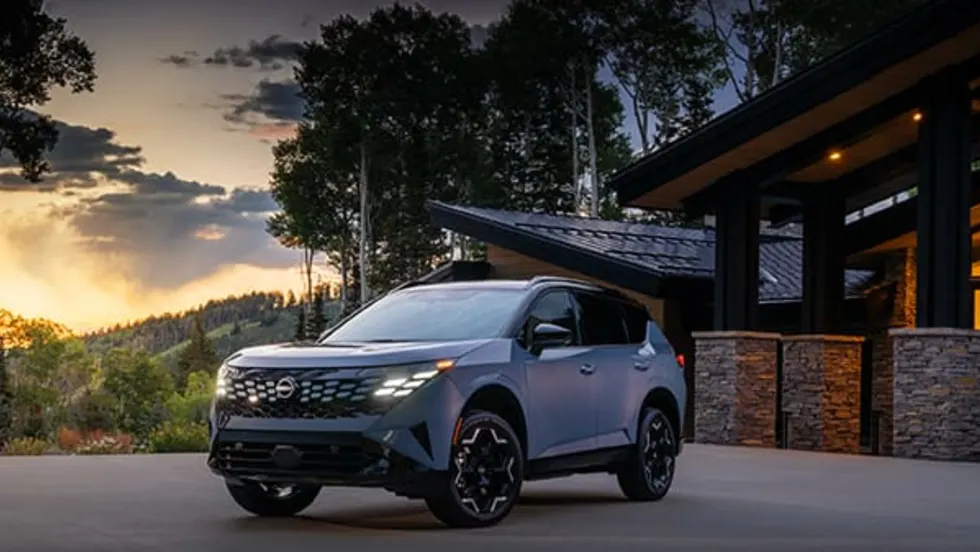
2027 Nissan Rogue Hybrid Adds e-POWER, Standard AWD
The new Rogue Hybrid uses Nissan’s e-POWER system with dual electric motors, offers an estimated 40 mpg and starts at $35,490.
Read More →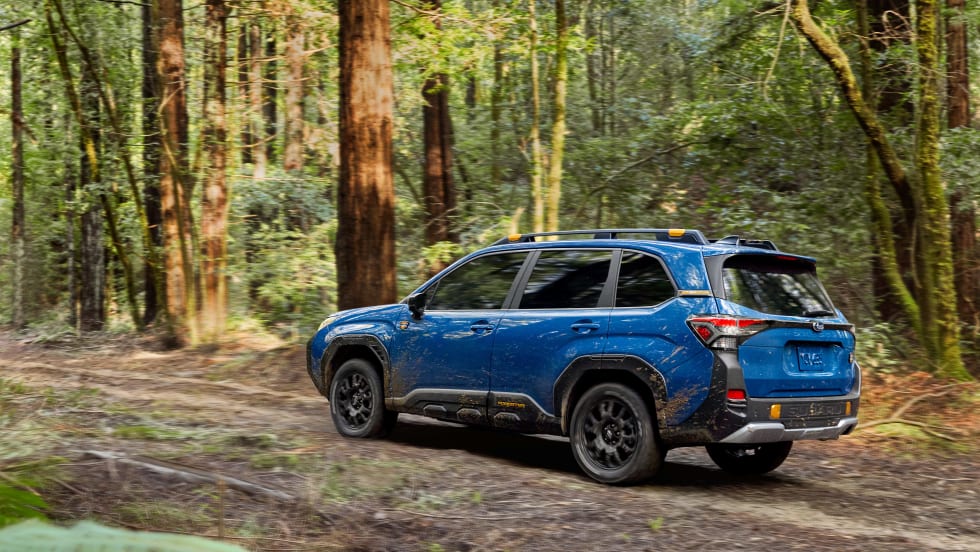
2027 Subaru Forester Adds First Wilderness Hybrid
The 2027 Forester lineup starts at $29,995 and adds a Wilderness Hybrid with 194 combined horsepower and 9.3 inches of ground clearance.
Read More →
EV Realty Names Henrik Holland President as Charging Platform Expands
The former Prologis Mobility and Shell executive will help expand EV Realty’s truck charging business and move its power-first infrastructure model into autonomous vehicle depots and other fleet sectors.
Read More →