




Fleet Hacks: What Are You Still Doing Manually?
From daily recaps to repeatable workflows, fleet professionals share how AI can cut through busywork while keeping human judgment at the center.


Here’s how to turn repetitive work into reusable AI workflows without giving up oversight.
Automotive Fleet
- Fleet professionals highlight how AI streamlines tasks from daily recaps to repeatable workflows.
- AI assists in reducing busywork, allowing fleet managers to focus on strategic decision-making.
- Despite AI integration, human judgment remains crucial in overseeing and refining automated processes.
*Summarized by AI
At its core, a good fleet hack doesn't have to reinvent an operation. It solves a point of friction that has become part of the everyday routine.
The Fleet Hacks series highlights the seemingly small, practical ideas that can save fleet managers time, money, and headaches.
For this edition, Automotive Fleet connected with professionals to uncover strategies that can be put to work in everyday life.
Let AI Handle the First Pass
Fleet managers aren't exactly lacking data, emails, reports, meetings, and messages to review. The challenge is finding the time to sort through it all and determine what actually needs attention.
For Lori Olson, a fleet technology leader with experience across telematics, customer success, and AI-driven workflow automation, one answer has been letting AI handle the first pass.
Every morning, Olson asks an internal AI agent to create a list of the top conversations happening across different internal chat rooms. Rather than spending more than an hour combing through each conversation individually, she can get a roughly 10-minute recap of what's top of mind.
It's a relatively simple use case, but it points to a larger question fleet managers can ask themselves: Which tasks am I still doing manually that I don't need to be?
Jen VrMeer, manager of sales operations at BD, automates first reminders, such as mileage reporting, maintenance, violations, safety training, or documentation, and more. Personal outreach can be for more specific needs.
“Internal fleet discussions specifically identify automation of reminders, escalations, and reporting as a way to redirect lean teams toward higher-value work,” said VrMeer.
The hack isn't about eliminating communication. It's about deciding which communication actually requires a person.
Build It Once, Use It Again
Olson recommends looking beyond one-off AI prompts and identifying repetitive workflows you can build once and reuse repeatedly.
Fleet is full of recurring processes. Quarterly business reviews, maintenance summaries, benchmarking reports, onboarding, meeting recaps, and data organization often require similar steps each time.
Instead of starting from scratch every month or quarter, fleet professionals can look for opportunities to create repeatable AI workflows where the structure stays largely the same and the information changes.
For example, Olson pointed to a quarterly business review workflow that could pull relevant telematics data, safety events, fault codes, and support history into a structured presentation for leadership.
The same idea can be applied on a much smaller scale. A fleet manager who repeatedly asks AI to organize the same type of spreadsheet, summarize meeting notes, or format a recurring report can save the instructions and create a more consistent process for the next time the task comes around.
Olson describes the principle simply: build once, run many times.
VrMeer replaces longer case status reviews with quick vendor cards covering aging items, repeat issues, SLA misses, and more.
“It shifts vendor meetings from updates to decisions and accountability,” said VrMeer.
Know How AI Got to the Answer
Saving time doesn't mean removing the fleet manager from the process.
Oleg Cytowicz, a longtime fleet industry professional, offered a simple piece of advice for fleet managers incorporating AI into their work: use some of the time AI saves to understand how it developed its answer.
AI can quickly summarize information, organize data, or generate an analysis, but the fleet manager is still responsible for what ultimately gets presented.
As Cytowicz put it, when leadership has questions about the information being presented, the fleet manager will answer them, not the bot.
That means reviewing the source information, checking important figures, and understanding the logic behind an AI-generated conclusion before putting it into a report or presentation.
The goal isn't necessarily to remove yourself from a task entirely. It may simply mean spending less time gathering and organizing information so you can spend more time understanding and acting on it.
Where Can Fleet Managers Start?
Fleet managers don't need to begin by connecting AI to every vehicle, data source, or system in their operation.
Instead, Olson recommends starting close to the work that's already being done.
Think about one task you completed manually this week that followed a predictable pattern. Maybe you summarized a meeting, organized a spreadsheet, reviewed a stack of reports, or prepared a recurring update.
Could AI handle the first pass? Will you have to complete the same task again next week, next month, or next quarter? If so, could you save the process and reuse it?
And, importantly, what information would you need to verify before using the output?
Start with one repetitive task. The time savings can build from there.
More Vehicle Research
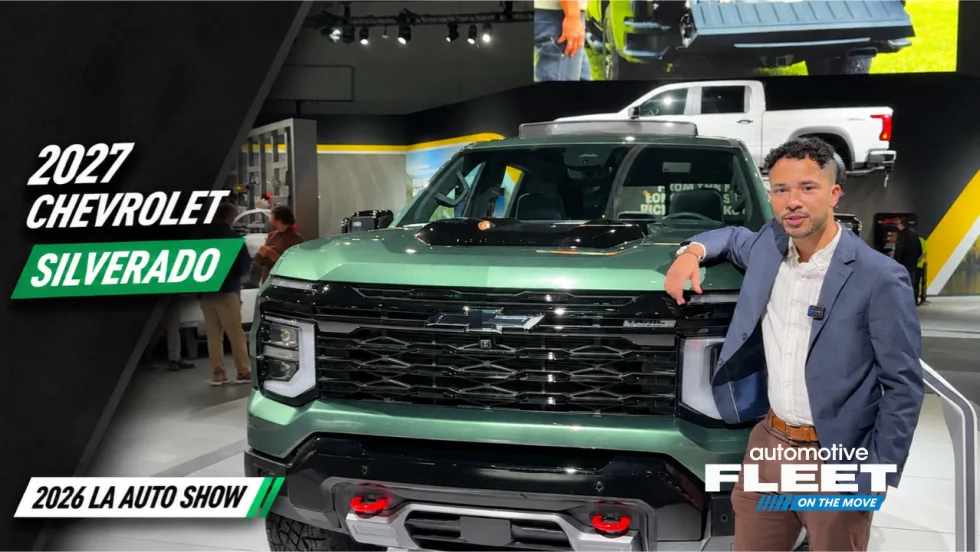
More Muscle! Up Close With the 2027 Chevrolet Silverado 1500
Automotive Fleet got a firsthand look at the redesigned 2027 Chevrolet Silverado 1500, featuring new V-8 engines, a 13,700-pound towing capacity, and hands-free trailering tech.

Company Vehicle or Reimbursement? Plus Fleet News | AF News Recap
Get the latest news from last week.
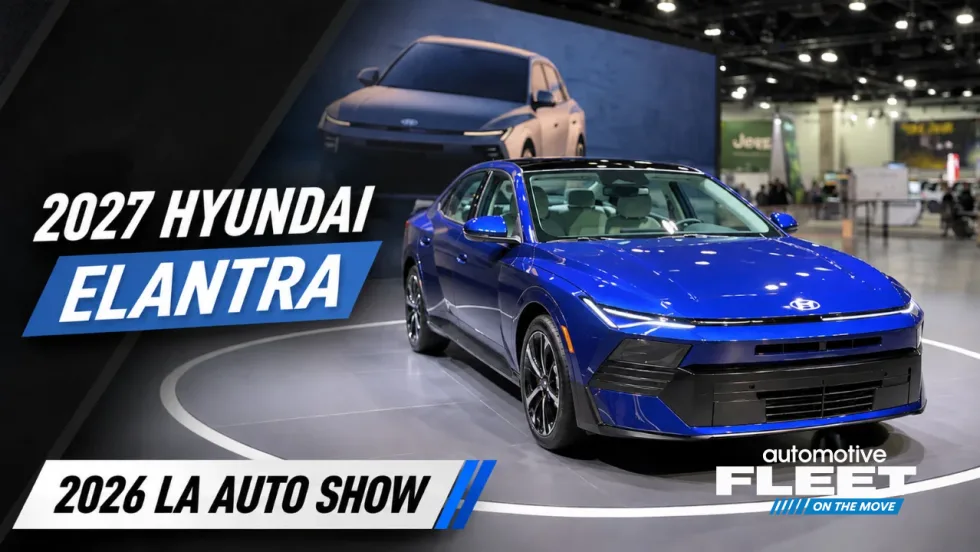
Redesign Alert! First Look at the 2027 Hyundai Elantra
Automotive Fleet previews the newly redesigned Elantra, including its hybrid powertrain, design language, and initial specs.
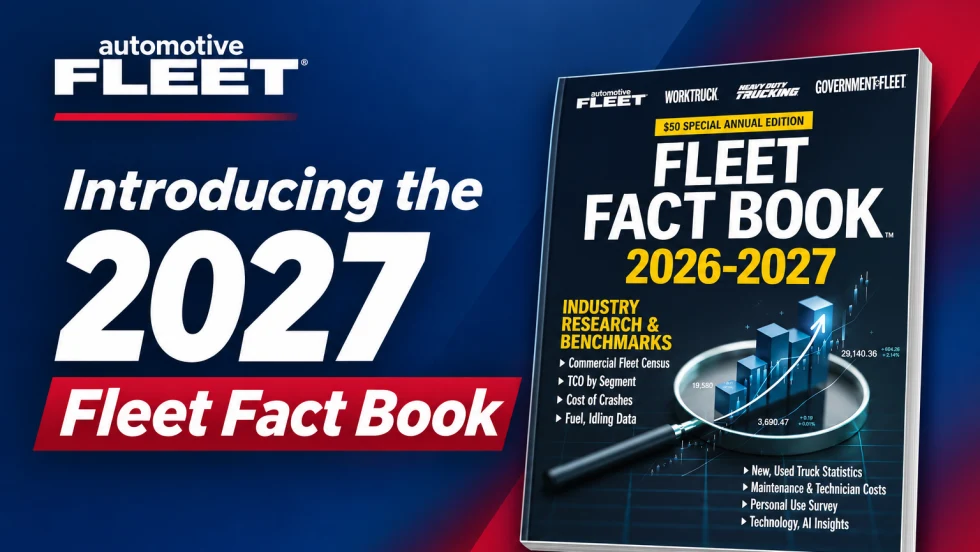
Introducing the 2027 Fleet Fact Book
Automotive Fleet, Government Fleet, Work Truck, and Heavy Duty Trucking present the 2027 Fleet Fact Book, bringing together data and research from commercial, government, vocational, and heavy-duty fleets in one edition.
Can AEB Really Prevent Intersection Crashes? | AF News Recap
This week we covered the latest AEB test from AAA, a new scholarship opportunity, and Holman's huge leadership change.
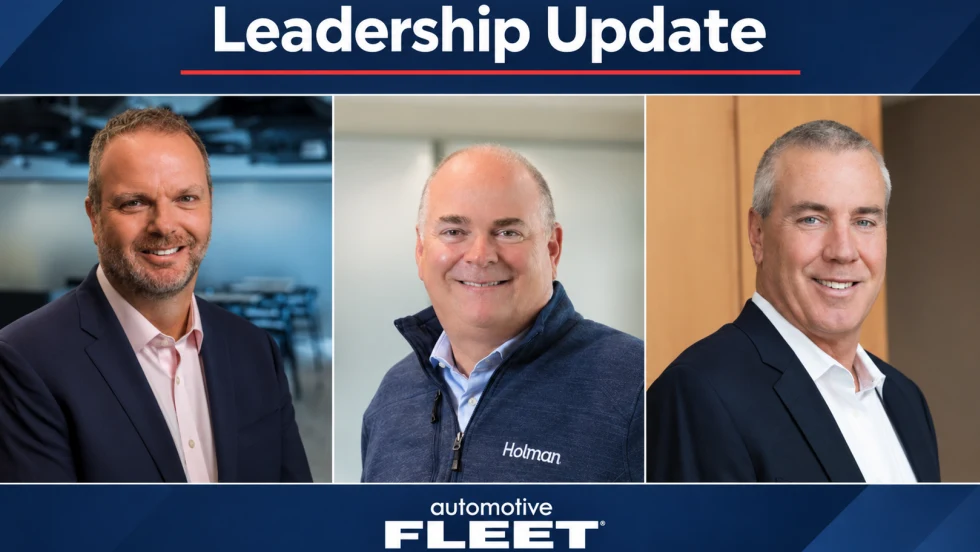
Holman Announces Fleet Leadership Changes as Bob White Retires
Nick Caller will become president of Fleet, while Mark Bryan will take on the role of executive vice president and chief operating officer of Fleet, effective Jan. 1, 2027.
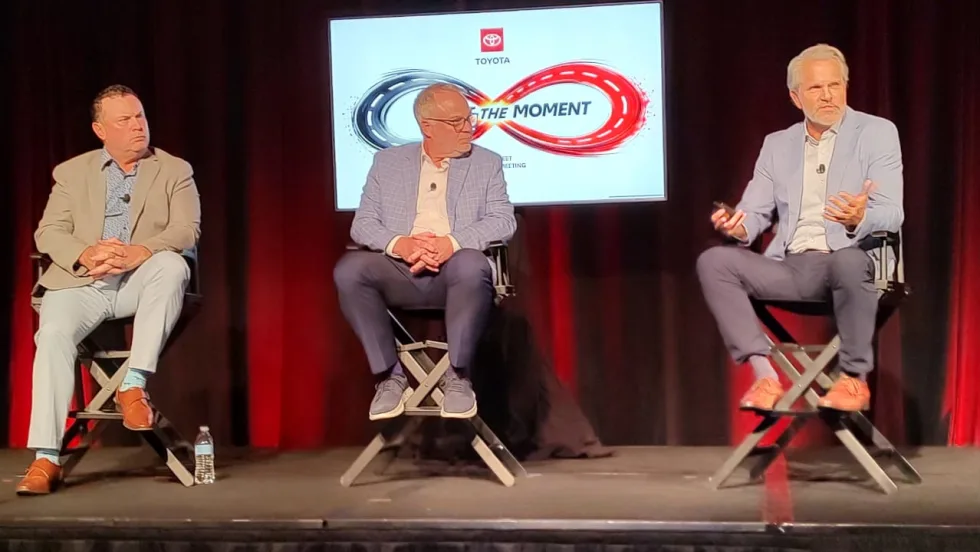
Toyota Fleet Briefs Fleet Leaders on Rapidly Growing Fleet Service Program, Successes of Hybrids, and Supply
During the annual Toyota Fleet Executive Meeting, fleet leaders learned about Toyota’s legacy of driving fuel efficiency with hybrids, its investments in U.S. production, the early success of Toyota Fleet Service Advantage, and much more.
NAFA Launches CAFM Scholarship Program for Fleet Professionals
The new program will award up to four scholarships annually to help eligible fleet professionals cover the cost of Certified Automotive Fleet Manager certification.
Your Fleet Experience Deserves a Vote in the 2027 Fleet Awards
Cars, trucks, vans, SUVs, and upfits. Help choose the 2027 fleet award winners and unlock early-access resources for voters. Ballots close December 31.
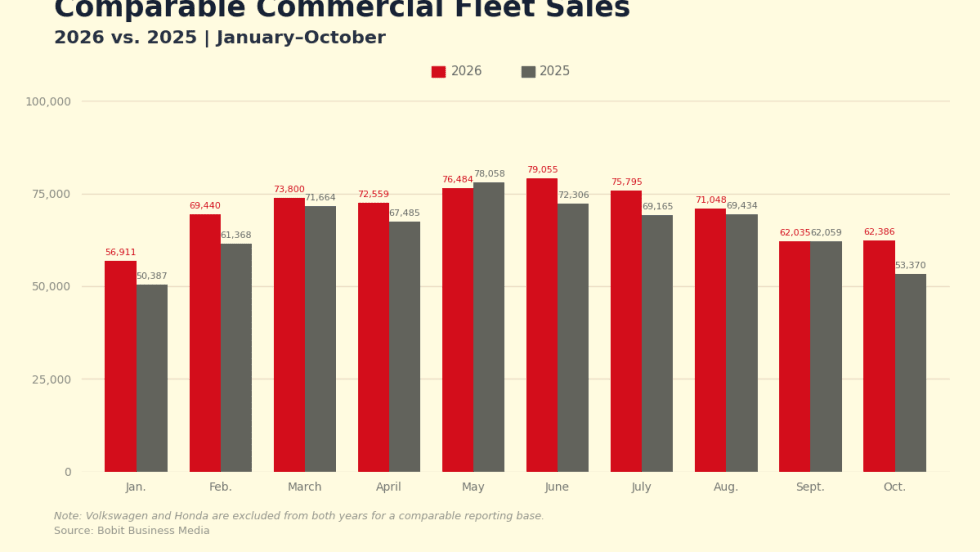
Commercial Fleet Sales Rebound 16.9% Through October
October's stronger results lifted commercial fleet sales growth to 6.7% through the first 10 months of 2026.