





Read More: 2024 Toyota Prius Prime: What's New?
Toyota Camry Moves to Hybrid with Latest Vehicle Unveiling
The 2025 Toyota Camry will be an exclusively hybrid-electric vehicle with a standard 225 net combined horsepower on Front Wheel Drive (FWD) models and 232 horsepower on Electronic On-Demand All-Wheel Drive (AWD) equipped models.
November 16, 2023
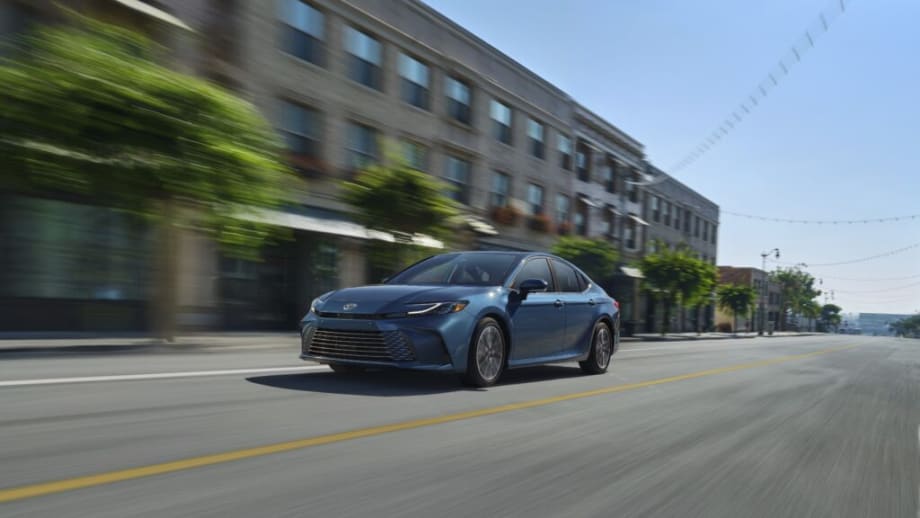
The Toyota Camry will also adopt the “Beyond Zero” badge to signal Toyota’s strong commitment to reducing carbon emissions and its vision for a carbon-neutral future.
Photo: Toyota
3 min to read
Toyota announced that the Toyota Camry enters its ninth generation with a hybrid powertrain and is designed and assembled in the U.S.
The 2025 Toyota Camry will be an exclusively hybrid-electric vehicle (HEV).
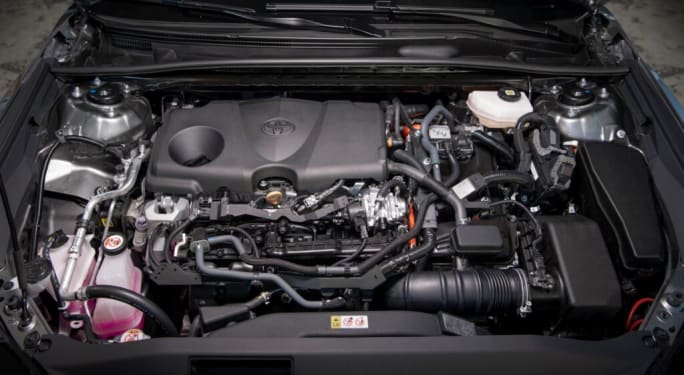
Powering the Camry is Toyota’s 2.5-liter, four-cylinder engine, and fifth-generation Toyota Hybrid System (THS 5).
Combining the engine’s power with two electric motors, this new HEV has a standard 225 net combined horsepower on Front Wheel Drive (FWD) models and 232 horsepower on Electronic On-Demand All-Wheel Drive (AWD) equipped models.
Toyota engineers have also tuned the new HEV system at lower speeds to reduce engine RPMs and increase power from the traction battery.
For the first time on a Camry Hybrid, Toyota’s Electronic On-Demand All-Wheel Drive (AWD) system will be available on all grades.
The AWD system provides additional traction when needed, like during inclement weather or while cornering. The AWD system’s capability comes from a dedicated rear electric drive motor generator that automatically supplies power to the rear wheels when needed.
The 2025 Toyota Camry is expected to arrive at Toyota dealerships in the spring of 2024.
The 2025 Toyota Camry features re-engineered suspension and braking system for balanced handling.
Photo: Toyota
Under the Hood of the Toyota Camry
The Camry comes standard with the fifth-generation Toyota Hybrid System (THS 5).
When paired together, THS 5 and Toyota’s Electronic On-Demand All-Wheel Drive (AWD) system results in 232 net combined horsepower – 30 more horsepower than the current generation with a mechanical All-Wheel Drive system.
The electronic On-Demand All-Wheel Drive (AWD) has been adapted to work with the hybrid system. The electronically controlled AWD features on-demand front-rear torque distribution in accordance with driving conditions to support start-off acceleration, handling, fuel efficiency, and stability when driving on slippery road surfaces such as snow.
The Camry also has a retuned suspension for enhanced responsiveness and agile handling. The sport grades have a specific sport-tuned suspension.
Technology, Safety Features
For the 2025 model, a seven-inch digital gauge cluster comes standard on LE and SE models, while a standard 12.3-inch fully digital gauge cluster is found in the XLE and XSE grades.
The XLE and XSE grades also come with an available 10-inch Head-Up Display to allow drivers to check their speed, see warning indicators, and turn-by-turn navigation.
The Toyota Audio Multimedia System includes a standard eight-inch touchscreen display or an available 12.3-inch screen.
The system includes standard wireless Apple CarPlay and Android Auto compatibility. The Camry also offers a standard combination of USB-A and USB-C ports, with three in the front and two in the rear across all grades.
The Toyota Camry comes standard with Blind Spot Monitor, which is designed to help detect and warn you of vehicles approaching or positioned in the adjacent lanes.
For those looking for additional driver assistance features, the XLE and XSE grades come available with a Premium Plus Package which includes features such as:
Traffic Jam Assist
Front-Cross Traffic Alert
Lane Change Assist
Panoramic View Monitor
Front and Rear Parking Assist with Automatic Braking
The Toyota Camry comes standard with Toyota Safety Sense 3.0 (TSS 3.0).
More Vehicle Research
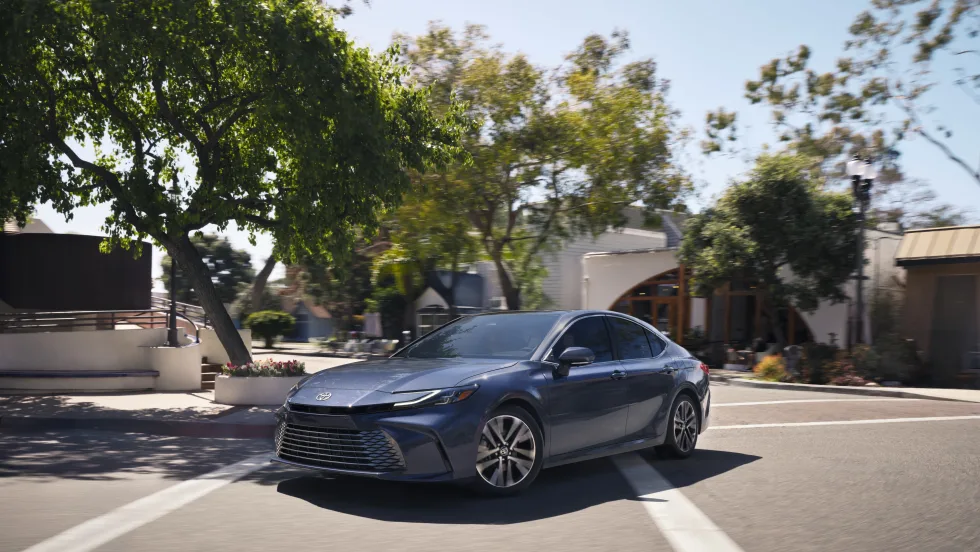
2027 Toyota Camry Offers Hybrid Powertrain Across Five Grades
The 2027 Toyota Camry is a carryover with new pricing.
Read More →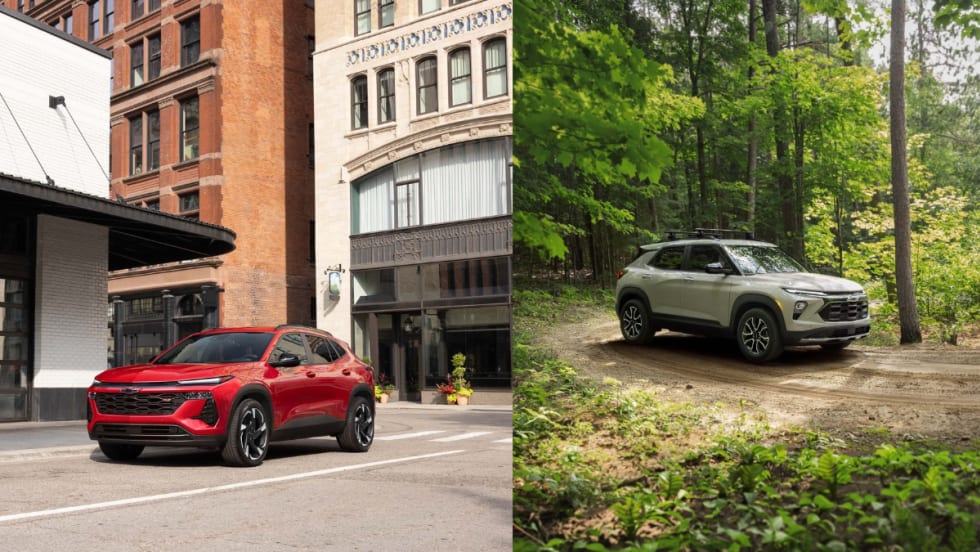
Chevrolet Updates 2027 Trax and Trailblazer with More Standard Safety Features
Chevrolet is updating two of its smallest SUVs with added driver-assistance technology, redesigned interiors, and revised trim options. The changes could add more safety equipment as standard for commercial fleets, while a new Trailblazer configuration adds another all-wheel-drive option.
Read More →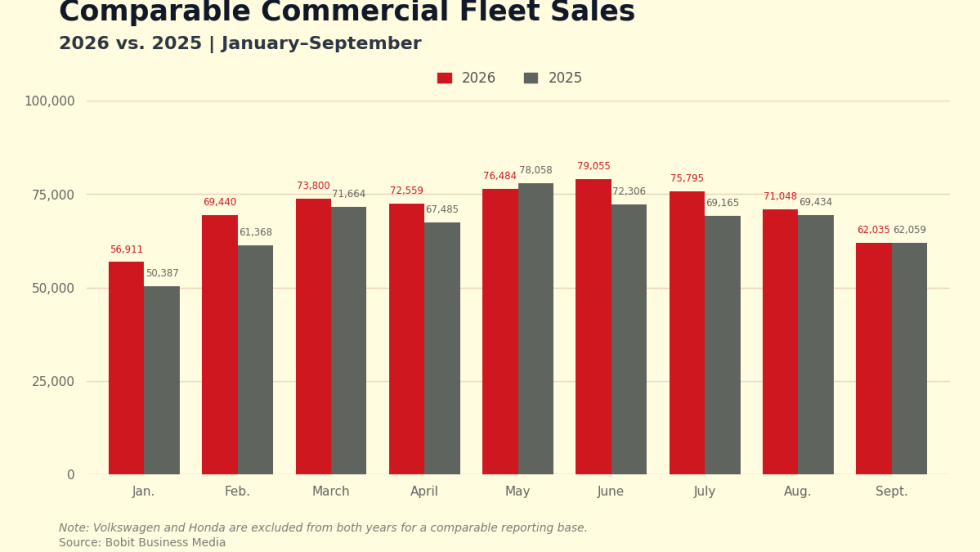
Commercial Fleet Sales Rise 5.8% Through September 2026
September commercial fleet sales were essentially unchanged from a year earlier, slowing year-to-date growth while keeping volume ahead of 2025.
Read More →
Hall of Fame Inductee: John Dmochowsky
The longtime Mondelēz International fleet executive joins the Automotive Fleet Hall of Fame.
Read More →
Hall of Fame Inductee: Lee Miller
After more than four decades at Boehringer Ingelheim, Lee Miller leaves a legacy built on fleet expertise.
Read More →
Hall of Fame Inductee: Mark F. Petersen
From managing fleets of thousands of vehicles to advancing safety and mentoring fellow professionals, Mark F. Petersen made his mark across both the corporate and supplier sides of fleet.
Read More →
When Charger Downtime Becomes a Fleet Availability Problem
As EV deployments move beyond pilot programs, charger reliability can directly affect vehicle readiness, driver productivity and route scheduling.
Read More →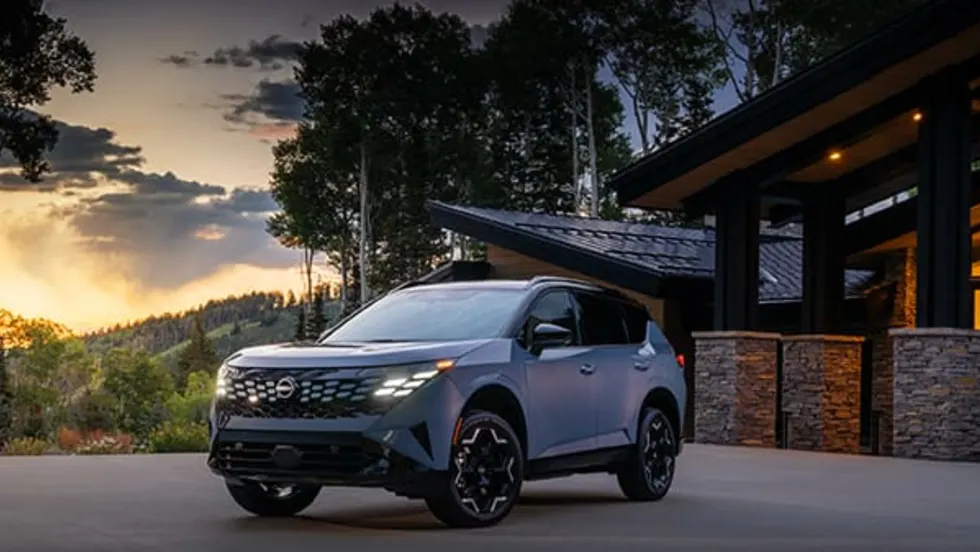
2027 Nissan Rogue Hybrid Adds e-POWER, Standard AWD
The new Rogue Hybrid uses Nissan’s e-POWER system with dual electric motors, offers an estimated 40 mpg and starts at $35,490.
Read More →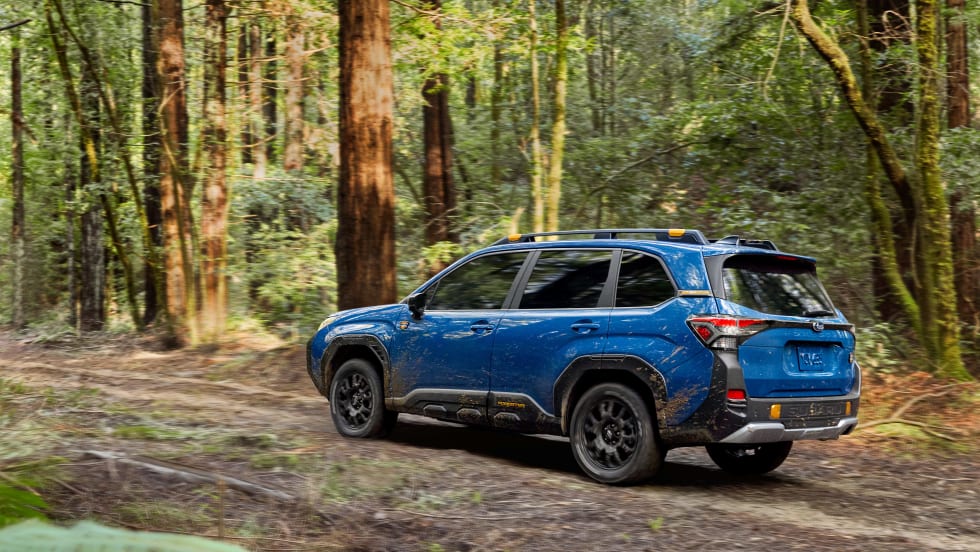
2027 Subaru Forester Adds First Wilderness Hybrid
The 2027 Forester lineup starts at $29,995 and adds a Wilderness Hybrid with 194 combined horsepower and 9.3 inches of ground clearance.
Read More →
EV Realty Names Henrik Holland President as Charging Platform Expands
The former Prologis Mobility and Shell executive will help expand EV Realty’s truck charging business and move its power-first infrastructure model into autonomous vehicle depots and other fleet sectors.
Read More →