




Fleet Has a Talent Pipeline Problem, not a Talent Problem
Where will the next generation of fleet leaders come from, and what does the industry need to do differently to find them?


Reaching the next generation of fleet professionals may require showing students and young talent how careers in fleet span more than they think.
Automotive Fleet
- The fleet industry struggles with a talent pipeline issue, not a lack of talent, indicating the need for strategic recruitment and development efforts.
- To attract future fleet leaders, the industry should innovate its hiring and training practices, appealing to younger generations and diverse skill sets.
- Building partnerships with educational institutions and providing clear career advancement paths could help bridge the gap in cultivating future industry leaders.
*Summarized by AI
Ask a college student studying business, operations, or data analytics to name potential career paths, and fleet management probably will not be one of the first that comes to mind.
It may not come to mind at all.
Unlike other areas of business, fleet is rarely a career young professionals encounter before entering the workforce. Many of the people who have built careers in the industry did not originally set out to work in fleet. They found their way into it from operations, procurement, finance, sales, or another part of the business.
“Fleet isn’t a high-profile position, not something you see in the news or promoted,” said US Fleet Program Manager Matt Bolf. “Historically, fleet is a job you ‘stumble into’ rather than pursue because most people don’t know it exists or that it is as expansive as it is.”
That raises a challenge for an industry thinking about its next generation of leadership: If young professionals do not know fleet exists, how can the industry expect them to pursue it?
Showing Young Professionals What Fleet Actually Is
Part of the challenge may be changing what prospective employees think a fleet career entails.
“Most assume you order vehicles and that’s about it,” said Bolf.
The reality can look considerably different.
Fleet professionals can find themselves working across operations, finance, safety, procurement, sustainability, data analytics, technology and vendor management. The role can also provide exposure to departments throughout an organization.
For a young professional still deciding where to take a career, that breadth could be part of the fleet industry's appeal.
Bolf also pointed to college students and interns as two groups the industry should prioritize.
“Business majors that are looking for a career that would be highly impactful but still not front and center would find a good spot in fleet,” he said. “It also has the benefit of being everywhere. It’s a job that is in every industry and every country.”
But reaching those students means going to places where fleet traditionally may not have had much of a presence.
Job fairs, college partnerships and internships were among the opportunities Bolf identified for putting fleet in front of potential employees before they happen to encounter the industry on their own.
Internships, in particular, can provide something a presentation about fleet cannot: an opportunity to see what the job looks like day to day.
“Having someone experience the field and live in the day-to-day is the best way to show them what a future could look like in the field,” Bolf said.
Does the Next Fleet Manager Need Fleet Experience?
Getting young professionals interested in fleet is only one part of the equation.
The industry also has to be willing to hire them.
Employers often want candidates who can walk into a position with substantial experience. That can make sense for a small fleet department that needs someone who can take on significant responsibility quickly. But it can also make it difficult to develop the people who will eventually fill those experienced positions.
“Like most positions, I feel that companies want the perfect candidate with overwhelming experience, and they don’t give younger individuals the opportunity to learn and grow,” Bolf said.
Tyler Teter from AVP Fleet transitioned into fleet after holding roles across other corporate functions and sees value in looking beyond a candidate's direct fleet experience.
The move into fleet provided an opportunity to work more closely with the field and develop a greater understanding of the operational side of the business.
Skills developed elsewhere also translated.
Previous experience managing large teams in fast-paced environments helped build trust and align with field leaders. Understanding the demands those employees faced also helped shape an approach to making fleet processes easier for them.
That experience has influenced how Teter thinks about hiring.
“I am a big believer in finding a person who is a natural leader and has drive and teaching the specific skills,” Teter said. “There is certainly value when you have that person that also has industry experience, but I think in general I would guide people to hire for personality and train for the specific skill.”
That approach could widen the pool of people fleet employers consider.
As fleet operations become increasingly connected to data and technology, the next generation of fleet talent may also come from disciplines not traditionally considered part of the industry.
A well-rounded team, Teter said, increasingly needs people who can handle large amounts of data, conduct analysis and turn those findings into recommendations. Just as important are leaders who can take that information, tell a story, and influence drivers and other stakeholders.
Building a Pipeline Before It Is Needed
Hiring someone without years of fleet experience also requires giving that person room to develop.
That can present a challenge in an industry where fleet departments are often small.
“A lot of fleet directors are solo or have one or two admins,” Bolf said.
But he also suggested investing in a fleet analyst or manager who can develop under an experienced leader, as it could help organizations build their next generation internally.
“People move around a lot in this industry, and we need to build the ‘pipeline’ more.”
Developing that pipeline also means giving newer employees meaningful responsibility once they arrive.
Fleet teams may be small, but that can create opportunities for newer employees to gain experience across multiple areas of the operation rather than remaining confined to one function.
"You have to continue to delegate more and more to allow people to grow and advance their careers,” Teter said. “From my experience, most fleet teams are relatively small, so allowing people to become well-rounded in all areas of the fleet and giving them opportunities to lead high-visibility projects or opportunities helps.”
Industry involvement can play a role as well.
Conferences, events and professional organizations give newer fleet professionals opportunities to build relationships beyond their own companies. Those connections can help employees see fleet not simply as their current job, but as a larger career.
“Getting involved in the conferences and events will help to grow those roots that make people want to stay around,” Bolf said.
That may be particularly important in an industry where long careers and movement between different parts of the fleet ecosystem are common.
Teter said he has been struck by the amount of tenure within fleet and how frequently the same professionals reappear throughout their careers at different organizations, fleet management companies, upfitters or OEMs.
For someone entering fleet without a traditional background, that existing experience can become a resource.
“Your background isn’t required,” he said. “It’s an industry full of people with a lot of tenure and expertise that you will be able to learn from along the way.”
Asking Why Fleet Does Things the Way It Does
Bringing younger and newer professionals into fleet is not only about filling future vacancies.
It can also bring in people willing to challenge practices that have become routine.
“This industry is still stuck in a lot of its old ways,” Bolf said. “Young talent will bring new ideas and will bring individuals who will question ‘why.’ ‘Why do we do it this way?’ ‘Why do we have to keep doing it this way?’”
Those questions can lead to measurable changes in how a fleet operates.
And that may be one of the strongest arguments for expanding the industry's talent pipeline.
Fleet has built generations of experienced professionals who found their way into the industry, developed expertise, and stayed. But if the industry wants to develop its next generation of leaders, waiting for them to stumble into fleet may no longer be enough.
More Vehicle Research
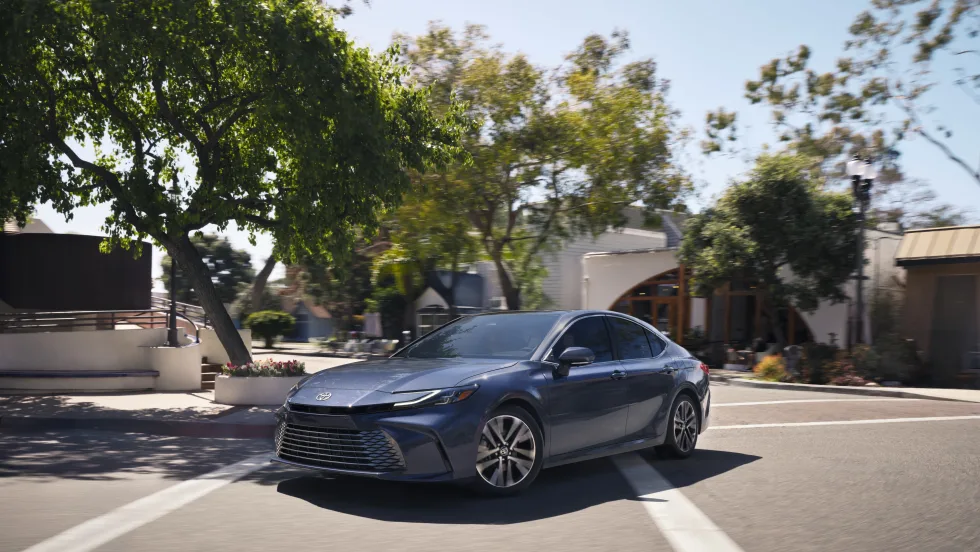
2027 Toyota Camry Offers Hybrid Powertrain Across Five Grades
The 2027 Toyota Camry is a carryover with new pricing.
Read More →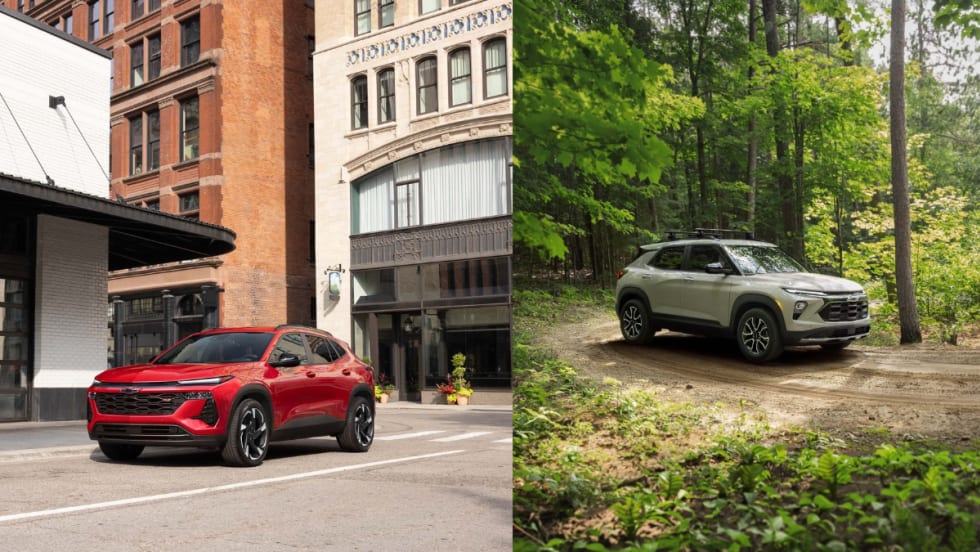
Chevrolet Updates 2027 Trax and Trailblazer with More Standard Safety Features
Chevrolet is updating two of its smallest SUVs with added driver-assistance technology, redesigned interiors, and revised trim options. The changes could add more safety equipment as standard for commercial fleets, while a new Trailblazer configuration adds another all-wheel-drive option.
Read More →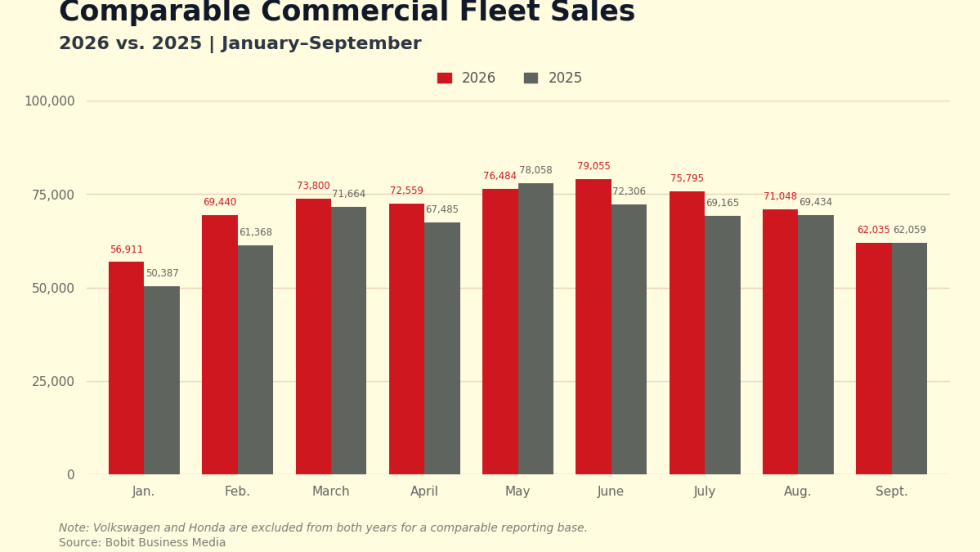
Commercial Fleet Sales Rise 5.8% Through September 2026
September commercial fleet sales were essentially unchanged from a year earlier, slowing year-to-date growth while keeping volume ahead of 2025.
Read More →
Hall of Fame Inductee: John Dmochowsky
The longtime Mondelēz International fleet executive joins the Automotive Fleet Hall of Fame.
Read More →
Hall of Fame Inductee: Lee Miller
After more than four decades at Boehringer Ingelheim, Lee Miller leaves a legacy built on fleet expertise.
Read More →
Hall of Fame Inductee: Mark F. Petersen
From managing fleets of thousands of vehicles to advancing safety and mentoring fellow professionals, Mark F. Petersen made his mark across both the corporate and supplier sides of fleet.
Read More →
When Charger Downtime Becomes a Fleet Availability Problem
As EV deployments move beyond pilot programs, charger reliability can directly affect vehicle readiness, driver productivity and route scheduling.
Read More →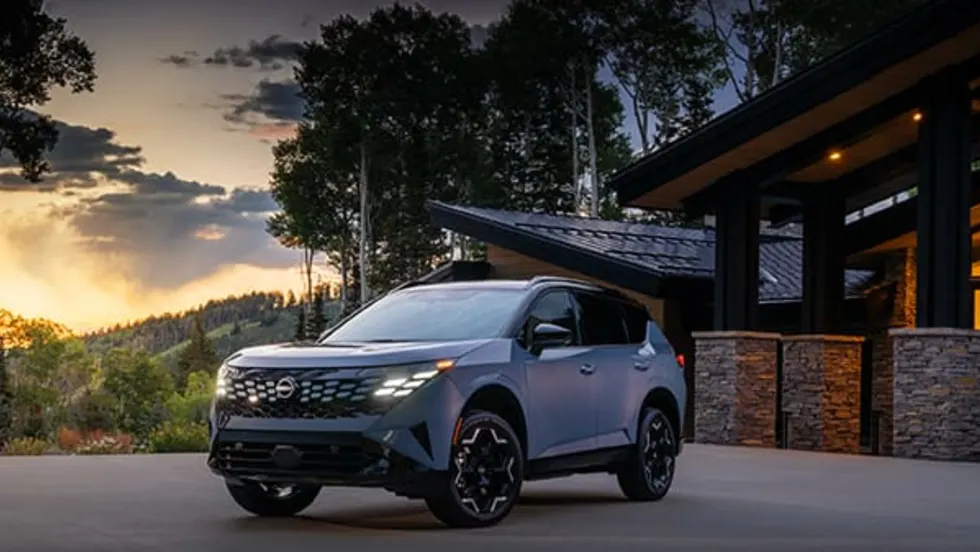
2027 Nissan Rogue Hybrid Adds e-POWER, Standard AWD
The new Rogue Hybrid uses Nissan’s e-POWER system with dual electric motors, offers an estimated 40 mpg and starts at $35,490.
Read More →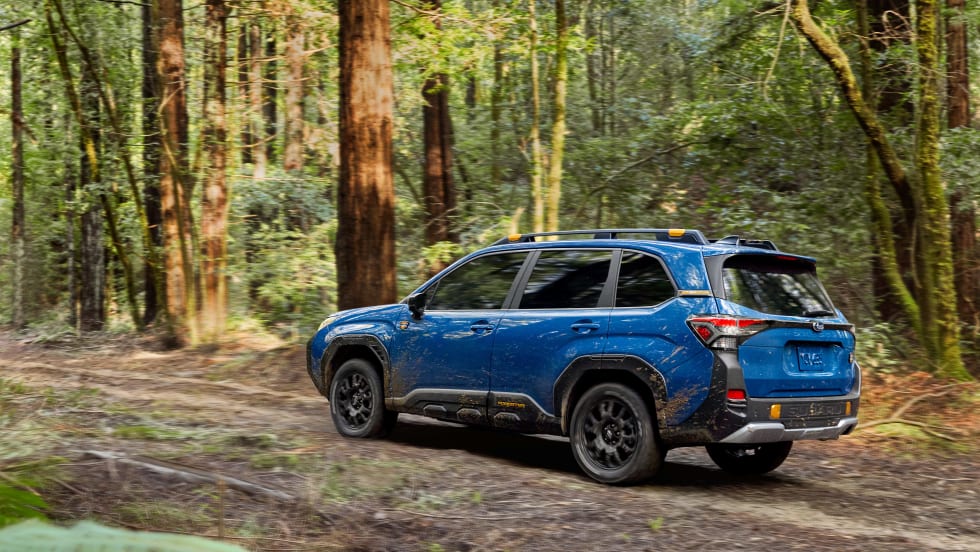
2027 Subaru Forester Adds First Wilderness Hybrid
The 2027 Forester lineup starts at $29,995 and adds a Wilderness Hybrid with 194 combined horsepower and 9.3 inches of ground clearance.
Read More →
EV Realty Names Henrik Holland President as Charging Platform Expands
The former Prologis Mobility and Shell executive will help expand EV Realty’s truck charging business and move its power-first infrastructure model into autonomous vehicle depots and other fleet sectors.
Read More →