




CARB Ups Sales Targets for Electric Trucks in California
New California rules increase the percentage of electric-truck sales targets across all vehicle categories, from ¾-ton pickups to Class 8 trucks, starting in 2024.

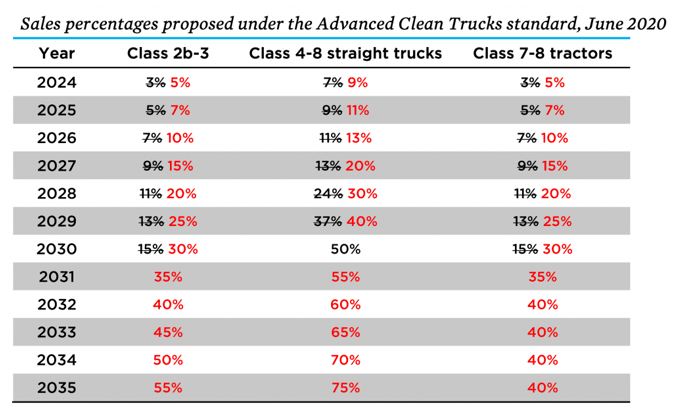
This chart created by the Union of Concerned Scientists outlines the sales percentage increases in the final draft of CARB's Advanced Clean Trucks (ACT) standard.
Photo courtesy of Union of Concerned Scientists.
This week, the California Air Resources Board (CARB) released the final draft of the Advanced Clean Trucks (ACT) standard, following an earlier draft from December.
The regulation seeks to accelerate adoption of zero-emission vehicles (ZEVs) in the medium-and heavy-duty truck sector and reduce emissions from on-road sources.
The most prominent change was to increase manufacturers’ sales targets for battery or fuel cell electric vehicles in California across all vehicle categories. The targets start in model year 2024.
The Union of Concerned Scientists assembled the enclosed chart that outlines the sales percentage increases. Further analysis can be found in this UCS blog post.
Highlights of the proposed changes include:
Increasing the percentage of ZEV sales in California across all vehicle groups from 2024 to 2030 and to increase the percentage requirements from 2030 to 2035 rather than keeping them constant during that period.
Including pickups in the ZEV sales requirement for the Class 2b-3 vehicle group (3/4-ton pickups) beginning with the 2024 model year, rather than excluding them until 2027.
Increasing sales percentage requirements for Class 7 and 8 tractors to meet the goal of achieving an all zero-emission drayage fleet by 2035. This would intend to increase ZEV sales in all vehicle size categories and to achieve carbon neutrality by 2045.
Allowing additional flexibility for manufacturers that produce a small number of tractors each year, and changes to ZEV and NZEV credit lifetimes to align credit life for manufacturers with California's Greenhouse Gas Phase 2 regulations.
Extending NZEV (near-zero emissions) credit for an additional five years from 2030 to 2035 for NZEVs that achieve more than 75 miles of all-electric range.
Streamlining reporting by eliminating the requirement for reporting facility-based information along with weekly truck trip counts. CARB says it will still seek to gather this information through other means, including potentially a separate non-regulatory contracted survey.
Lowering the vehicle count threshold for the reporting requirement to fleets with 50 or more trucks and buses rather than the originally proposed 100 vehicle fleet size.
A public comment period follows, leading up to a vote on June 25-26.
More Fleet Forward
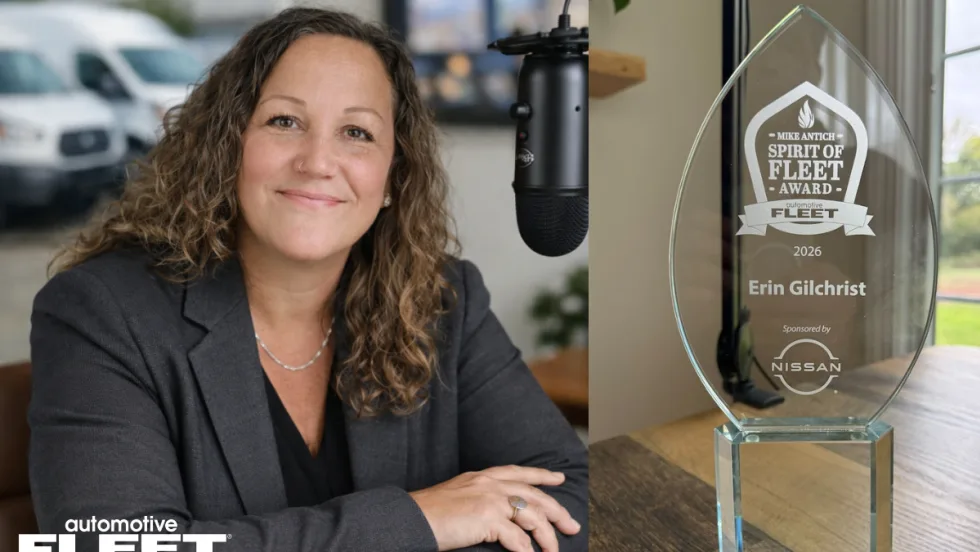
Erin Gilchrist Receives Mike Antich Spirit of Fleet Award
Last week at AFLA in Vegas, Erin Gilchrist received the inaugural, brand-new Spirit of Fleet Award.
Read More →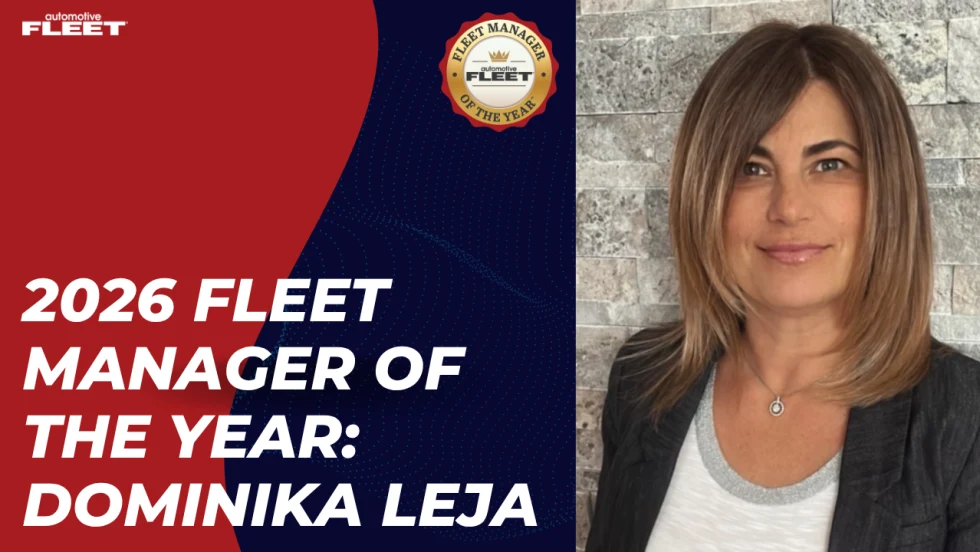
Dominika Leja Named the 2026 Fleet Manager of the Year
The AstraZeneca associate director of fleet was recognized for her leadership in fleet electrification, cost savings, and operational transformation.
Read More →
Jamie McKay Named the 2026 Fleet Visionary Award Winner
The Aptive Pest Control fleet manager was recognized for her approach to operations, data, lifecycle management, and driver needs.
Read More →
Fleet Forward Conference Introduces One-Day Passes for 2026
New one-day registration gives fleet professionals the flexibility to attend Tuesday, Wednesday, or Thursday, with passes available for $199 through Sept. 18.
Read More →
Vibe Coding: When Fleet Managers Become Software Builders
Five fleet professionals — none with programming skills — discuss how they’re using AI to build fleet solutions in-house and in a fraction of the time.
Read More →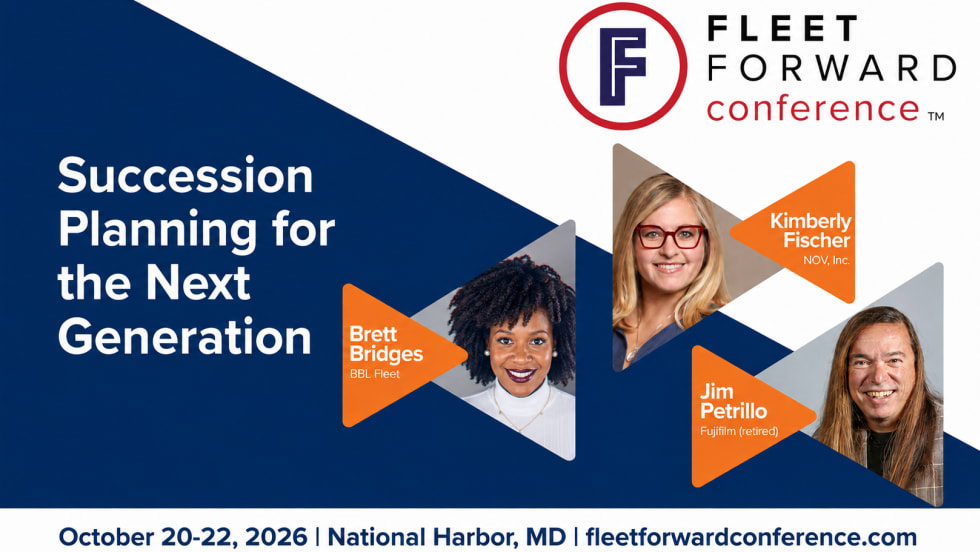
Fleet Forward Conference Tackles Fleet Industry’s Growing Leadership Gap
This session will examine succession planning, knowledge transfer, and the skills the next generation of fleet leaders will need as veteran professionals leave the industry.
Read More →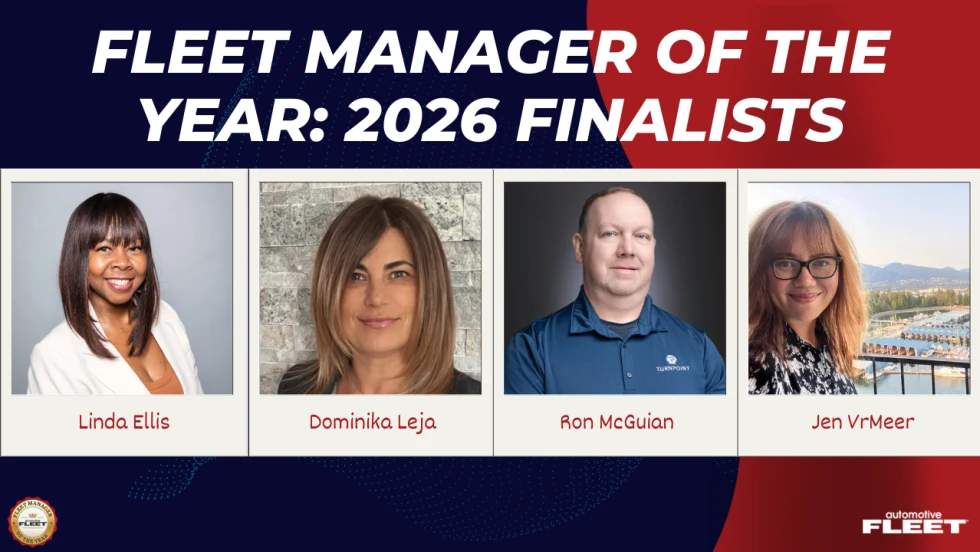
2026 Fleet Manager of the Year Finalists Announced
Who are the 2026 Fleet Manager of the Year finalists?
Read More →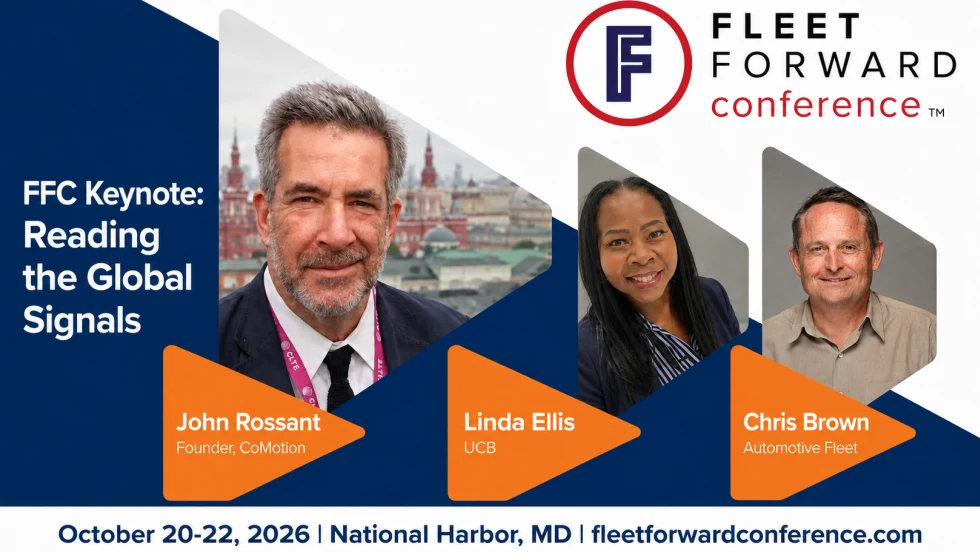
John Rossant to Deliver Opening Keynote at 2026 Fleet Forward Conference
The CoMotion founder will draw on developments across Europe, China, the Middle East, and other international markets to identify trends that could influence how U.S. fleets plan for the coming decade.
Read More →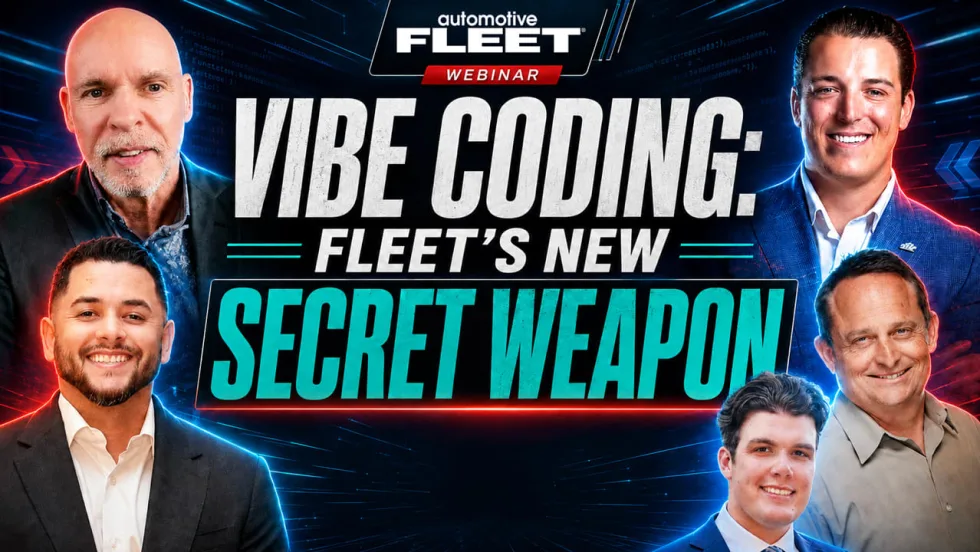
How to Build Custom Fleet Tools With AI and Vibe Coding [Webinar]
A new Automotive Fleet webinar explores how fleet managers are using AI and vibe coding to automate routine work and create simple operational tools without traditional programming skills.
Read More →
Is Fleet Ready for Its New Disruptors?
Three emerging leaders from a corporate fleet, public fleet, and the automotive supply chain will bring new ideas and a willingness to challenge industry norms to the Fleet Forward Conference stage.
Read More →