





Enterprise Fleet Management Enters Its Next Leadership Chapter
Understanding Mobility Habits of Gen Z
Enterprise Mobility's On the Move study analyzes Gen Z's attitudes on car ownership, ride-hailing, and public transportation.
October 28, 2025
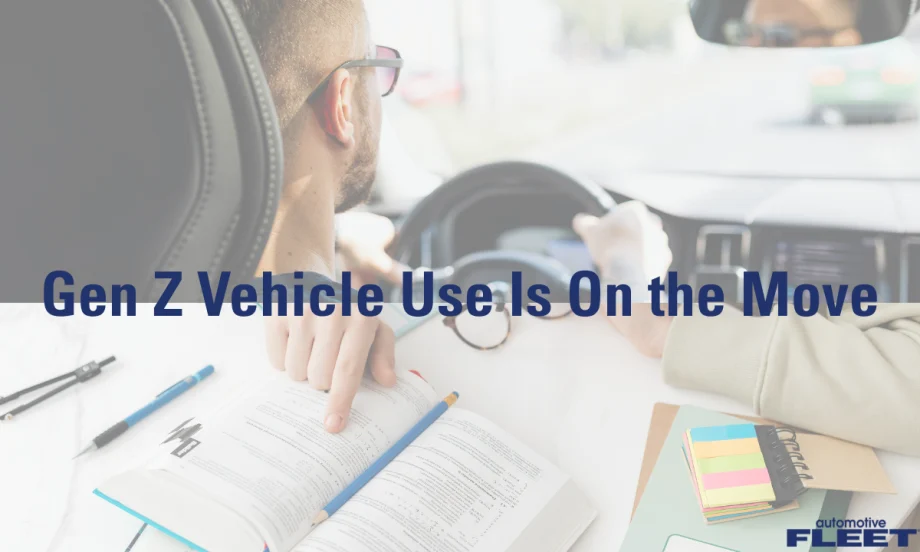
Enterprise Mobility’s 2025 ‘On the Move’ survey reveals that 66% of Gen Z now drive weekly or more, up from 62% in 2024, while interest in balanced in-car tech and cautious optimism toward automation signal a generation redefining mobility on their own terms.
Image: Automotive Fleet
6 min to read
Despite the narrative that Gen Z is abandoning car ownership, new findings from Enterprise Mobility's second annual "On the Move" mobility survey show that the frequency of their private vehicle use is quietly rising, with weekly or more usage increasing to 66% in 2025, up from 62% in 2024. In addition, 52% of Gen Z respondents report driving their cars more this year than last, the most significant increase among any generation.
Gen Z respondents who reported using a private vehicle once or twice a month decreased year over year to 3% in 2025, down from 7% in 2024.
At the same time:
Gen Z (14%), Millennials (13%), and Gen X (11%) are more likely than Baby Boomers (2%) or the Silent Generation (1%) to use mass rapid transit weekly or more often.
Gen Z (16%) and Millennials (12%) are more likely than other generations to use ride-hailing services weekly or more.
Gen Z (18%), Millennials (14%), and Gen X (16%) are more likely than Baby Boomers (4%) or the Silent Generation (3%) to use the public bus system weekly or more.
"Gen Z's transportation habits defy easy categorization," said Will Withington, Executive Vice President of Global Operations at Enterprise Mobility. "The mobility landscape is changing fast, and consumers are shaping what comes next. This survey gives us valuable insight into how we can deliver mobility solutions that are people-centric and forward-thinking."
Americans Want Balance with Automotive Technology
From touch screens to self-driving vehicles, technology continues to reshape the driving experience. Rather than embracing every new feature, many drivers are calling for balance: over half say they would prefer a mix of touchscreens and physical buttons.
In addition, more than half (54%) of Americans believe new cars have too much technology, while nearly three-quarters (72%) worry about things like repair costs if something breaks. Almost 7 in 10 drivers say they would willingly give up the latest tech for a more affordable vehicle (68%).
Yet, everyday tools like GPS and Bluetooth are still considered must-haves, and safety is a key consideration for consumers, with nearly half (47%) preferring advanced driver assistance features in their vehicles, including blind spot detection, automatic emergency braking, and lane departure warning.
Although less than 1-in-5 respondents said they desire high or full automation, Gen Z and Millennials were most likely to prefer high or full automation in their vehicle, indicating younger generations are more accepting of advanced vehicle technology.
As drivers navigate this tech shift, rentals are becoming more than just a convenience. U.S. drivers may be viewing rentals as a good way to test new features before making a long-term commitment. In fact, nearly half (48%) of U.S. drivers say they expect rental vehicles to have all the latest technology.
For Self-Driving Cars, "Experience Changes Perception"
Awareness of autonomous vehicles (AVs) continues to grow, climbing 8% since 2024. Among the 10% of those surveyed who have actually ridden in an AV, 92% reported walking away with the same or a better perception of AVs.
Americans' comfort level with technology has actually dropped 5%.
"This is not surprising for an emerging technology that is starting to come into the spotlight," said Chris Haffenreffer, Vice President of Strategy at Enterprise Mobility.
Some are cautious about AVS due to technical errors (67%) and safety concerns (54%).
6 in 10 Americans who are excited about AVs recognize that they could be game changers for people who can't or don't drive (60%), and more than half (51%) acknowledge that AVs give riders time to do things in a car besides drive; for example, turning commutes into "me time."
"There's still some hesitation around AVs, but these insights reinforce the fact that experiencing technology changes everything," said Haffenreffer. "As a global mobility leader, we have the opportunity to expose customers to new technology to increase their comfort and adoption. We will continue to research and test new technologies, listen to our customers' needs, preferences, and concerns, to gain a deeper understanding of how these innovations could shape the future of mobility."
The Electric Vehicle Movement May Have Hit a Plateau
Though more Americans are using hybrid or electric vehicles as their primary ride (up 7%), overall EV consideration has hit cruise control, inching up just 1% since 2024 to 41%. The top purchase motivators are saving money on gas (38%) and using a vehicle that's "better for the environment" (30%). The top deterrents are up-front costs (35%) and range anxiety (35%).
The market appears to be splitting into two camps:
Committed enthusiasts who are likely to purchase an EV as their next car are more likely to consider an EV purchase than they were 12 months ago (93%).
Holdouts, who are unlikely to purchase an EV as their next car, remain firmly opposed (98%).
Regional divides also stand out, with Americans in the West (52%) more likely than those in other regions to consider EV adoption.
"For nearly 70 years, Enterprise Mobility's business has been grounded in listening to the people we serve," said Withington. "The results of this survey make clear that no matter how mobility evolves, the goal remains the same: Solutions that keep people at the center."
The Survey Also Revealed:
Nearly a quarter (21%) are choosing to drive rather than fly more often this year than last year.
Around 1 in 4 employees are commuting to the office more this year than last. 89% of those whose commute times have increased did so by less than an hour, with the average increase being 16 minutes. An additional 11% of those whose commute times increased say they increased by more than an hour.
The majority (54%) of Americans say they would be more willing to go into the office if their employer provided commuter benefits.
Nearly one-quarter (21%) of respondents who travel for work prefer company or rental vehicles, and the top reason is to avoid wear and tear on their personal vehicles.
Gen Z and Millennials are most inclined to use rental cars at least monthly, compared with Gen X, Baby Boomers, and the Silent Generation.
When asked the top three factors inhibiting a car purchase over the next two years, affordability takes center stage. Concerns include: "I can't afford the type of car I want" (34%), "interest rates are too high" (31%), and "cars are too costly to maintain" (24%).
Among respondents who use mass rapid transit at least monthly, usage is up year-over-year for Gen Z (30% in 2025 vs. 27% in 2024) and Millennials (24% in 2025 vs. 18% in 2024).
About the Survey
The Mobility Survey was conducted online between April 30 and May 17, 2025, among a population of 3,000 total adults across the U.S. (n=1,500) and the U.K. (n=1,500). The generation breakdown of the U.S. sample was Gen Z (18%), Millennials (27%), Gen X (24%), Baby Boomers (25%), and the Silent Generation (6%).
TRUE Global Intelligence and FleishmanHillard's in-house research practice conducted the study using an opt-in research panel. At the time of the survey, qualified participants were 18 years or older.
More Vehicle Research
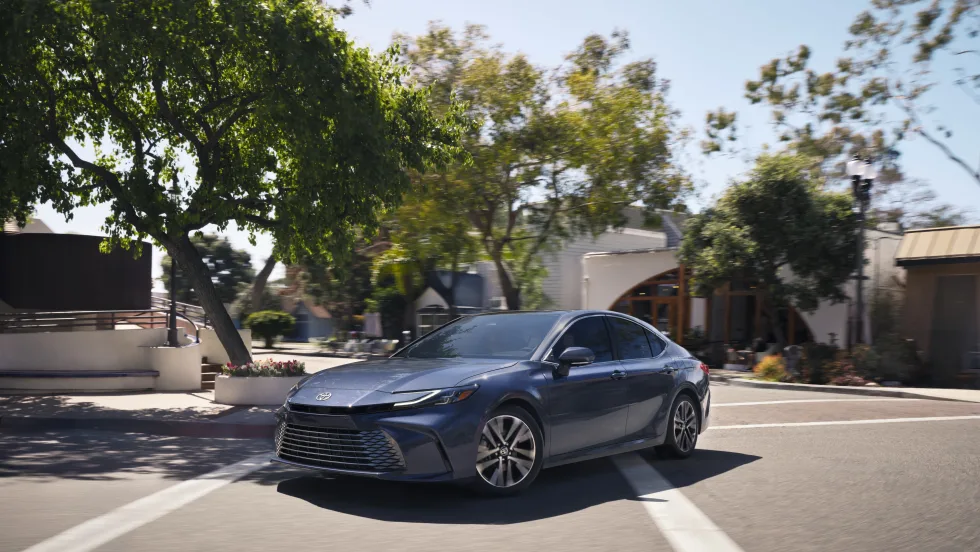
2027 Toyota Camry Offers Hybrid Powertrain Across Five Grades
The 2027 Toyota Camry is a carryover with new pricing.
Read More →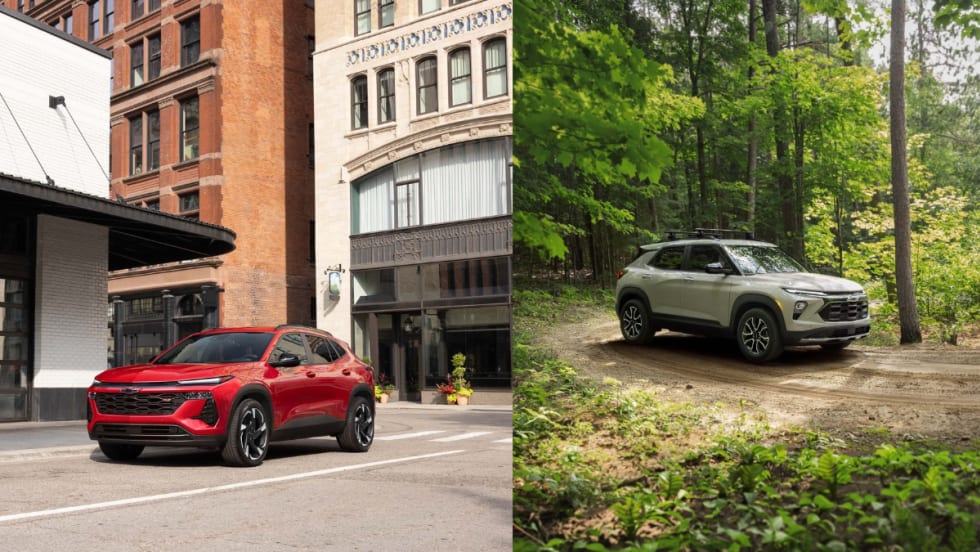
Chevrolet Updates 2027 Trax and Trailblazer with More Standard Safety Features
Chevrolet is updating two of its smallest SUVs with added driver-assistance technology, redesigned interiors, and revised trim options. The changes could add more safety equipment as standard for commercial fleets, while a new Trailblazer configuration adds another all-wheel-drive option.
Read More →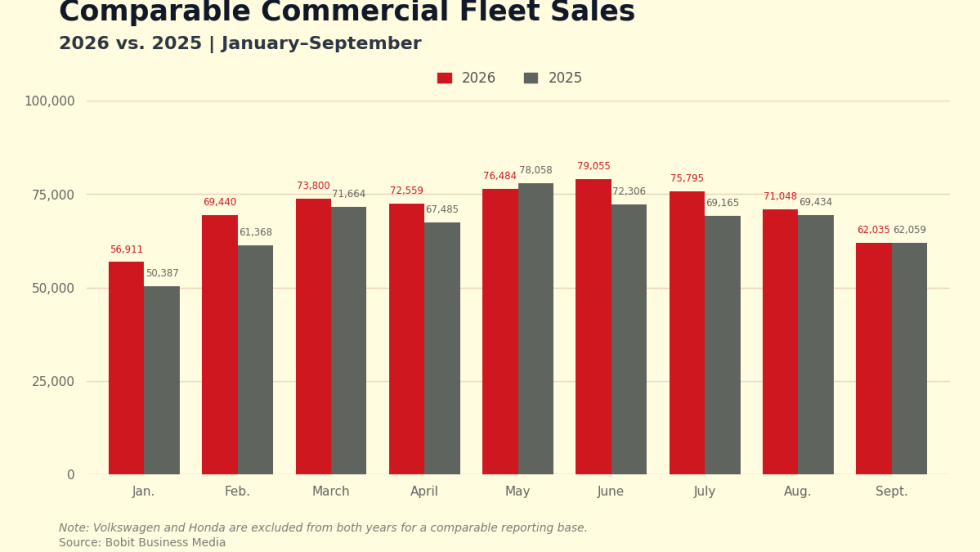
Commercial Fleet Sales Rise 5.8% Through September 2026
September commercial fleet sales were essentially unchanged from a year earlier, slowing year-to-date growth while keeping volume ahead of 2025.
Read More →
Hall of Fame Inductee: John Dmochowsky
The longtime Mondelēz International fleet executive joins the Automotive Fleet Hall of Fame.
Read More →
Hall of Fame Inductee: Lee Miller
After more than four decades at Boehringer Ingelheim, Lee Miller leaves a legacy built on fleet expertise.
Read More →
Hall of Fame Inductee: Mark F. Petersen
From managing fleets of thousands of vehicles to advancing safety and mentoring fellow professionals, Mark F. Petersen made his mark across both the corporate and supplier sides of fleet.
Read More →
When Charger Downtime Becomes a Fleet Availability Problem
As EV deployments move beyond pilot programs, charger reliability can directly affect vehicle readiness, driver productivity and route scheduling.
Read More →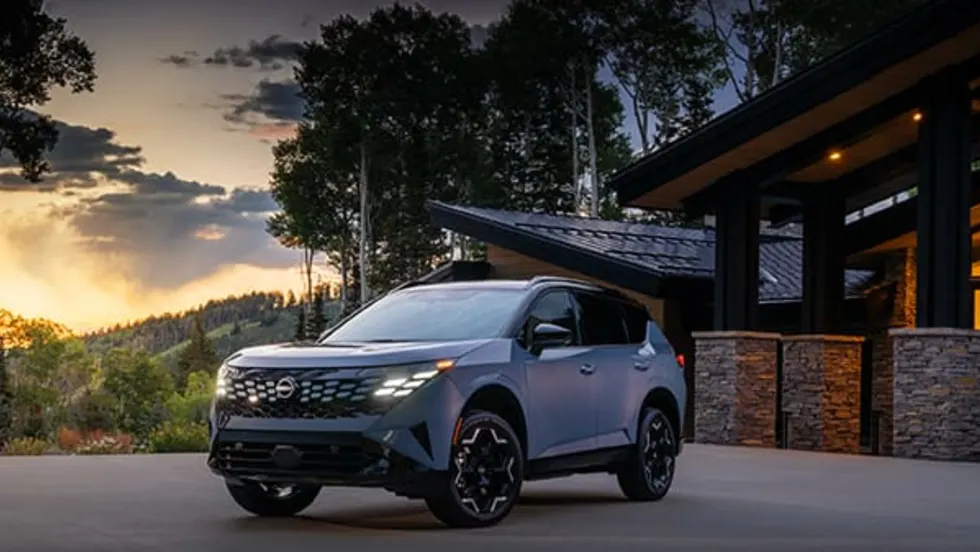
2027 Nissan Rogue Hybrid Adds e-POWER, Standard AWD
The new Rogue Hybrid uses Nissan’s e-POWER system with dual electric motors, offers an estimated 40 mpg and starts at $35,490.
Read More →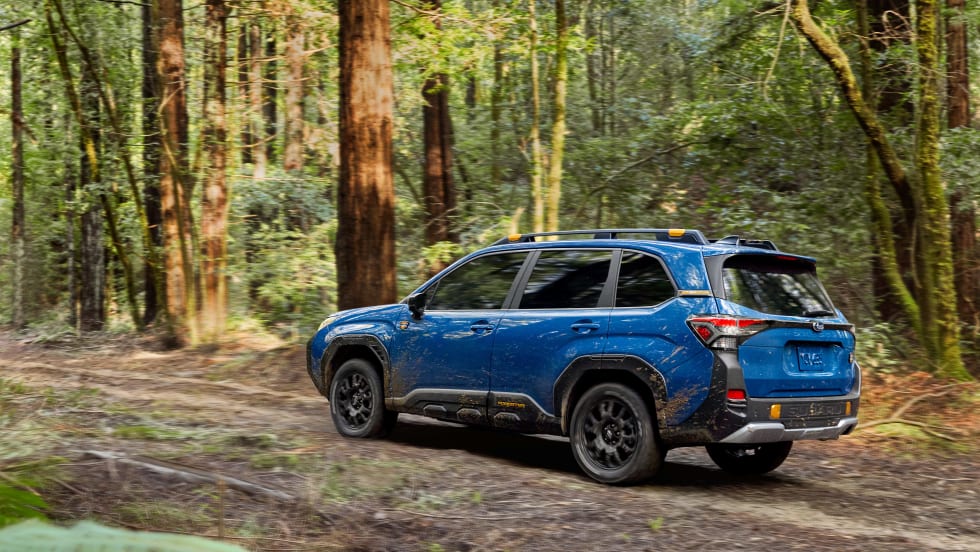
2027 Subaru Forester Adds First Wilderness Hybrid
The 2027 Forester lineup starts at $29,995 and adds a Wilderness Hybrid with 194 combined horsepower and 9.3 inches of ground clearance.
Read More →
EV Realty Names Henrik Holland President as Charging Platform Expands
The former Prologis Mobility and Shell executive will help expand EV Realty’s truck charging business and move its power-first infrastructure model into autonomous vehicle depots and other fleet sectors.
Read More →