




Keep Reading: A Reintroduction to Your Fleet-Focused Dealer
Would a Rental Purchase Option Work for Commercial Fleets?
A Rental Purchase Option (RPO) for commercial trucks allows companies to rent vehicles while simultaneously building equity. Learn the fleet applications where they make sense.
by Jacob Koester, City Rent a Truck
March 4, 2025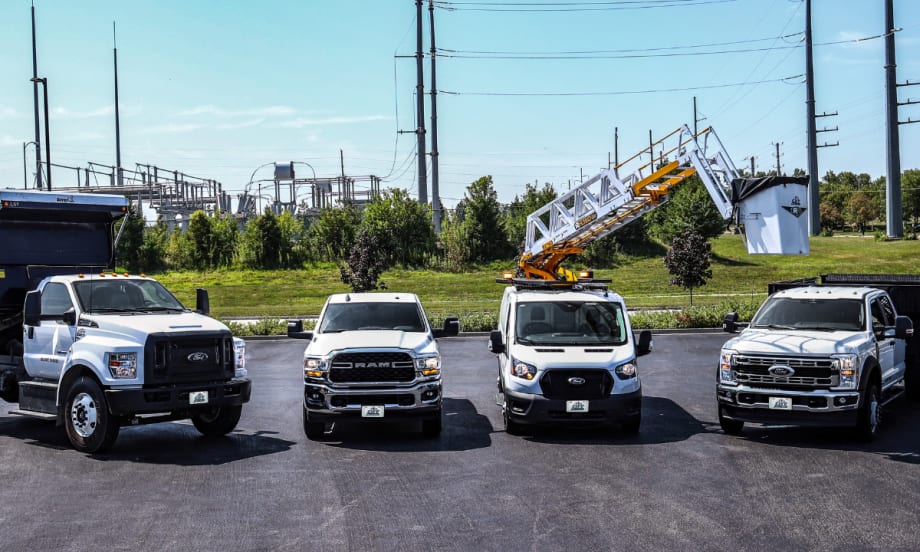
An RPO is an agreement that allows companies to rent vehicles while simultaneously building equity.
Photo: City Rent a Truck
3 min to read
Fleet management has always been about managing costs, but increasingly fluctuating demands and the need for adaptability demand new ways to expose cracks in traditional ownership models. Every idle truck, rigid contract, and inflexible decision is a missed opportunity to save money and grow.
For fleet managers ready to break free from these limitations, Rental Purchase Options (RPOs) could be an option for the right application.
What Is an RPO?
An RPO is an agreement that allows companies to rent vehicles while simultaneously building equity. Unlike traditional leases or lease-to-own options that impose rigid, long-term commitments, RPOs combine the flexibility of rentals with the potential for ownership, making them an option for businesses managing shifting demand.
How an RPO Works
Flexible Rentals: Start by renting the vehicle. During this time, you can use it for your business needs without being locked into a long-term contract.
Apply Rental Payments Toward Purchase: As you make your rental payments, a portion of those payments goes toward the vehicle’s purchase price. This means that the longer you rent, the more equity you build.
Purchase Option: Throughout the rental term, you have the option to procure the vehicle at a predetermined value minus the rental credits accumulated during the rental period. If you decide not to buy, return the vehicle like a normal rental.
When RPOs Make Sense for Your Company
Budget Optimization and Cash Flow Control: For businesses looking to acquire vehicles without large upfront costs, an RPO provides a structured way to manage monthly payments while still building equity. This approach helps companies preserve capital and allocate resources strategically.
Scalability With Ownership Potential: If your business experiences fluctuations in demand, RPOs are a smart, adaptable solution. Whether you’re ramping up for a major project or scaling back after a seasonal peak, RPOs allow you to adjust fleet size without being stuck in a long-term commitment or required purchase.
Risk Mitigation With a "Try Before You Buy" Model: An RPO provides a low-risk way for companies to test new vehicles or upfit configurations in real-world conditions before committing to ownership. This approach ensures that the vehicle meets your operational needs before fully investing in it.
Sidestepping Capital Expenditure (CapEx) Budgets: Many organizations receive an annual allocation for fleet purchases. Once that budget runs out, they often still need vehicles. Renting, in general, is a great way to overcome this hurdle because rentals typically fall under operating expenses (OpEx), meaning they don’t count against the CapEx budget. An RPO takes this a step further — allowing businesses to rent in the short term to fill the need while still building equity. When the CapEx budget refreshes in the new year, they can execute the purchase option using their accumulated rental credits.
When RPOs Might Not Be the Best Fit
Steady, Predictable Work Flow: If your business has a stable fleet requirement with minimal fluctuations, outright purchasing or long-term leasing may be a more cost-effective solution. RPOs shine in dynamic environments where flexibility is essential.
Short-Term Needs With No Interest in Ownership: If you only need a vehicle for a limited time and have no plans to purchase it, a standard rental is the better option. RPOs are designed for companies that see long-term value in potentially owning the asset.
Already Optimized CapEx Budget: If you have plenty of room left in your CapEx budget and prioritize direct ownership, an RPO may not provide enough added value to justify using it.
How a Typical RPO Is Structured
Note: The numbers in this example are arbitrary and for illustrative purposes only.
Terms: 60% rental credit in months 1-12.
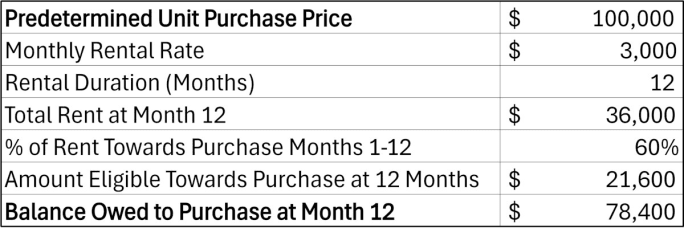
This breakdown shows rental payments and equity accumulation over 12 months under a typical RPO agreement.
Source: City Rent a Truck
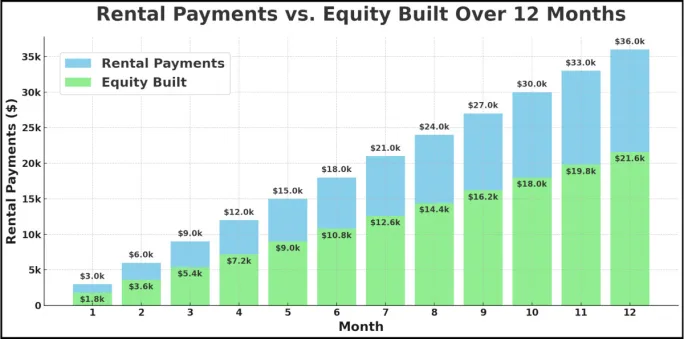
This visual comparison of total rental payments (blue) and equity (green) built over time shows that in month 12, the operator accumulated $21,600 toward the purchase price of the unit.
Source: City Rent a Truck
Building a Future-Ready Fleet Strategy
As fleet managers plan for the future, combining flexibility with fiscal responsibility is key.
For the right fleet applications, RPOs bridge the gap between immediate rental needs and the long-term advantages of ownership, empowering businesses to adapt quickly in a competitive market.
Subscribe to Our Newsletter
More Operations
Here's When You Should Make an Exception to Fleet Policy
Fleet policies are designed to create consistency, but not every driver or situation fits neatly within standard rules.
Read More →
AI-Native or AI-Acquired: What Should Fleet Managers Look for in an AI Platform?
Six questions can help fleet managers look beyond AI marketing claims to evaluate integration, data access, and real-world operational performance.
Read More →
Sponsored•October 14, 2026
A buyer's guide to fleet management software in 2027
Buying fleet management software in 2027 means looking beyond features and price. As fleet operations, technology and expectations evolve, this guide explores what today’s fleet professionals should consider when choosing a system that can deliver value now and adapt to what comes next.
Read More →

What Will Shape the Next Era of Fleet Management?
EVs, AI, and autonomous vehicles are reshaping fleet management. Discover what’s ahead—and how fleet leaders can prepare for the next era.
Read More →
How Fleets Can Recruit and Train Veterans for Technician Roles
Here's how the technician shortage has affected uptime for fleets, and what to do about it.
Read More →
Avis Budget Group Deploys Neology Toll Management Technology Across Major Brands
Neology’s neoFleet platform will manage toll transactions and toll-authority operations for vehicles across Avis, Budget, Payless, Budget Truck and Zipcar.
Read More →
Fleet Personal-Use Charges Edge Higher in 2026
Nearly eight in 10 surveyed fleets allow personal use of company vehicles, while just over half of respondents report charging employees for the privilege.
Read More →
The Future of Fleet + What’s Changing Right Now | AF News Recap
Could developments overseas offer a preview of what’s coming for U.S. fleets? This week, we’re looking at the future of AI, autonomy, and electrification, plus Ford Pro’s new certified pre-owned program, smarter vehicle offboarding, and a new way for fleets to manage toll expenses.
Read More →
How to Handle Vehicle Offboarding
What do fleet managers need to do when a driver leaves?
Read More →
Sponsored•October 1, 2026
Fleet Manager’s Ultimate Playbook: Navigating the New Standard in OEM Connectivity
Rising operating costs, driver safety concerns, and unplanned downtime are putting unprecedented pressure on modern fleets. Discover how fleet managers use embedded OEM connectivity and real-time vehicle data to cut TCO, prevent downtime, and protect drivers without aftermarket telematics hardware.
Read More →