




AI Is the Trojan Horse
The greatest risk of AI isn't what it knows. It's what we stop doing ourselves.

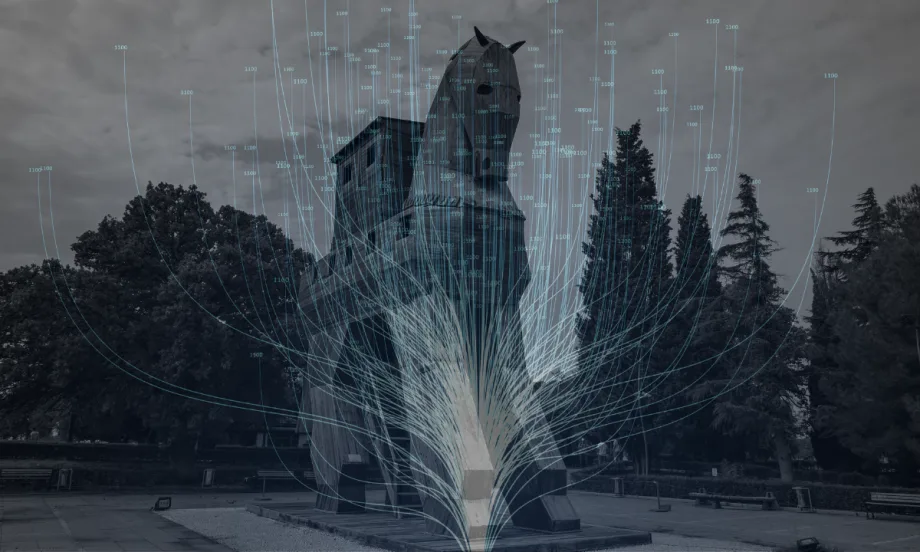
Is AI eroding our creative instincts?
Automotive Fleet
During the past quarter century, I've watched one genuine technological revolution unfold from the inside. I saw GPS, the internet, and vehicle diagnostics converge into what became the telematics industry. That convergence didn't simply create a new product—it changed how we understood driving, insurance risk, fleet operations, and road safety.
The telematics industry I helped create matured. Investors chased recurring revenue, consolidation followed, and innovation slowed as competition declined.
Big Data and machine learning promised the next wave of exponential growth, but neither created the innovation or new revenue many expected. They recognize them now as stepping stones to a data dependency.
I have come to see AI as a Trojan Horse — not because artificial intelligence is inherently dangerous, but because it quietly persuades us that it is a gift to our improved society and to surrender the very habits that produce creativity, curiosity, and entrepreneurship.
As publishers, we're adapting to how society now consumes ideas. Years ago, I would look forward to reading a two-page article written in any of our magazines. I would take away perspectives and then apply those perspectives to my own business.
Consuming Conclusions Instead of Ideas
Today, readers increasingly consume conclusions instead of ideas.
We produce podcasts, YouTube videos, social media clips to engage our community of readers and followers who are multi-tasking due to workload and will listen to this rather while knocking out emails or commuting to or from work. We invite you to respond and engage and participate in our interviews.
Homer’s writing reflects on the ending of the Bronze Age. Over 3,000 years ago, humans were creators, writers, global traders then within 100 years it all collapsed with famine, natural disasters and conflict. Global trade stopped, materials could not be sourced so bronze was no longer manufactured and industry ground to a halt. The Greek population lost its ability to read and write for over 300 hundred years. Can you imagine that happening today? Could today’s civilization lose the habit of thinking without losing access to information?
Embracing Creative Spirit
Sadly, I think it can. Society’s embracing tools including the internet that now comes standard with AI is serving up answers and not challenging our creative spirit. Here we will continue to write our opinion, share our thoughts, and not just serve up answers. We will continue to share creative problem solving from experts, critical thinking, and debate.
The Trojan Horse is convenience.
The hidden cost is the erosion of human curiosity and creative struggle and perhaps the next generation of entrepreneurs. I built my career in applying technologies having experienced failures and successes and passing my knowledge on to people I have mentored.
Christopher Nolan's The Odyssey revisits one of history's greatest stories about deception hidden inside a gift. The wooden horse wasn't the danger — it merely carried it.
More Blog Posts
Is This Theft Disguised as Training?
If AI is still “training,” why is it already publishing, summarizing, and profiting from the work of creators? In this provocative Insight Lane column, Colin Sutherland challenges the industry’s most convenient narrative—and asks a simple question: when does training become extraction, and why is credit still optional?
Read More →
How China Quietly Reduced Its Dependence on Oil (And What Fleets Should Learn)
China didn’t just bet on EVs. It used them to cut oil dependence at scale. Here’s what that strategy reveals and why smart fleets should be paying attention.
Read More →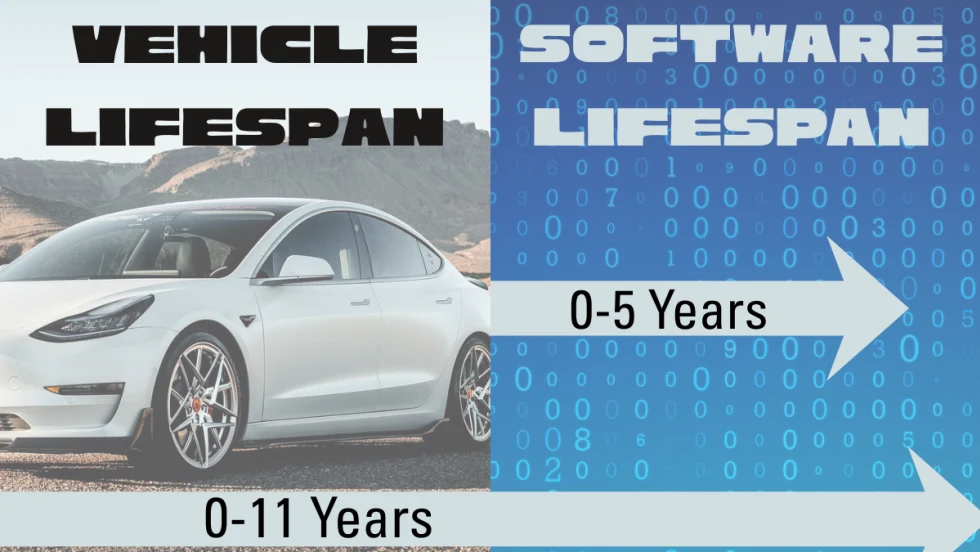
When Cars Stop Updating but Don’t Stop Driving
When the US’s largest EV manufacturer discontinues a model, it gives me pause to consider the software that drives it.
Read More →
The Cart is Pulling the Horse
Here's why software features shouldn’t be allowed to dictate your business goals.
Read More →
The Story of 2025: Outsourcing Accountability
The fleet world has been transformed by technology, so a choice must be made: how do we discern when to use AI and when not to?
Read More →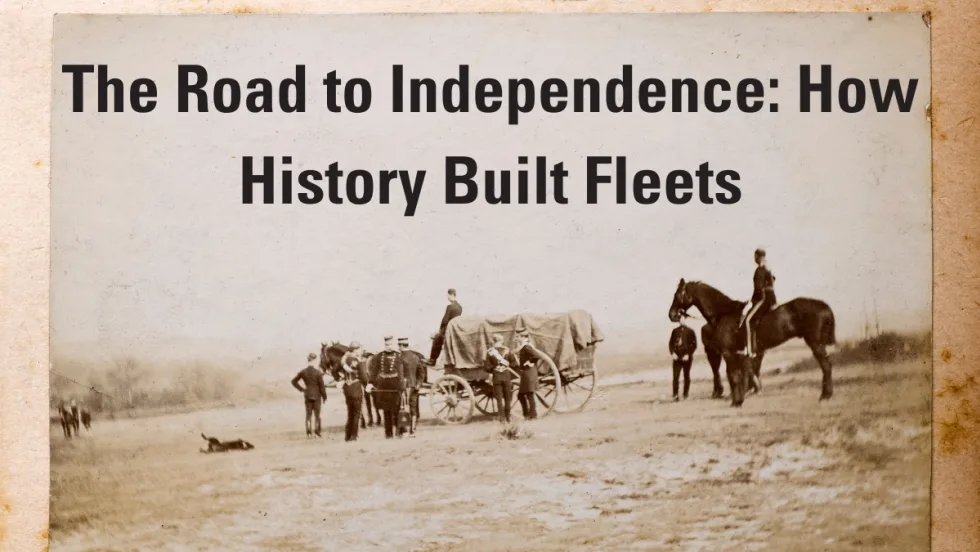
The 250-Year-Old Fleet Manager: Quartermasters & Wagon Masters of the American Revolution
“Fleet manager” wasn’t a title then, but Quartermasters and Wagon Masters lived the job on the road to independence.
Read More →
The New Reality of Disaster Preparedness
When disaster strikes, every second matters. From must-have Grab & Go essentials to lessons the fleet community is sharing right now, this piece explores what real preparedness looks like and why waiting until the last minute is no longer an option.
Read More →