




The New Reality of Disaster Preparedness
When disaster strikes, every second matters. From must-have Grab & Go essentials to lessons the fleet community is sharing right now, this piece explores what real preparedness looks like and why waiting until the last minute is no longer an option.
May 1, 2025
3 min to read
When Seconds Count, Are You Truly Ready to Grab & Go?

To me, the expression “prepare for the worst, hope for the best” seems heavier this year.
As a person from a telematics data background, I have poured over data and analysis of before and after storm damage, and I’ve been somewhat frustrated with the lack of preparation advice and even coordination of resources in conjunction with a storm event.
What experiences can people share with the collective so we can perhaps avoid loss and do better together?
It’s important that individuals actively take interest in being prepared as we were empowered on March 19, 2025, by the President of the United States’ Executive Order entitled: Achieving Efficiency Through State and Local Preparedness. The EO effectively de-emphasizes the dependency individuals might consider available from federal assistance, but rather states, “it is the policy of the United States that State and local governments and individuals play a more active and significant role in national resilience and preparedness.”
Turns out, there is quite a LOT you can do to prepare, as evidenced by the outpouring of support we have received for our Special Edition on Disaster Preparation & Response. Rather than simply checking your insurance policy and evaluating your tolerance for the deductible amount or how much you will self-insure, the experiences shared in our Special Edition reflect the caring within the fleet community.
Let’s start simple. If you had minutes to evacuate your home, have you thought about what you’d take? As a frequent traveler, I can pack my overnight bag with essentials in five minutes, but what would I pack in my Grab & Go bag if I could never return home? My first instinct was electricity — I need a backup battery for my mobile device, charging cables for my phone and wearable smartwatch, and a power inverter for my car (so I can charge my laptop from my car). To me, connectivity and communication tools are the most essential components of being prepared.
After I gathered my electronics chattel, I went looking for a Grab & Go bag. I found a great one created for first responders that I now keep packed with my charging essentials, a first aid kit, water bottle, and a reminder list so I can dash on a moment’s notice without second guessing. I am interested in knowing, what would you prioritize in your Grab & Go bag? Click the button below to let me know.
This Special Edition is brought to you with the generous support of AT&T Fleet Management. From our team at BBM and from the many contributors whose experiences are captured within our pages, we wish you safety and fleet unity this year. Always know that the fleet community is with you.
Subscribe to Our Newsletter
More Blog Posts

AI Is the Trojan Horse
The greatest risk of AI isn't what it knows. It's what we stop doing ourselves.
Read More →
Is This Theft Disguised as Training?
If AI is still “training,” why is it already publishing, summarizing, and profiting from the work of creators? In this provocative Insight Lane column, Colin Sutherland challenges the industry’s most convenient narrative—and asks a simple question: when does training become extraction, and why is credit still optional?
Read More →
How China Quietly Reduced Its Dependence on Oil (And What Fleets Should Learn)
China didn’t just bet on EVs. It used them to cut oil dependence at scale. Here’s what that strategy reveals and why smart fleets should be paying attention.
Read More →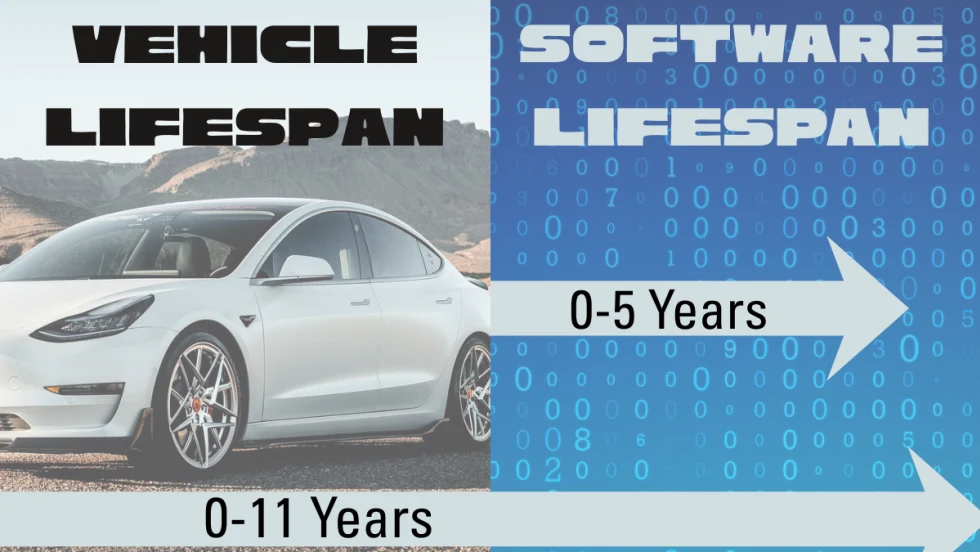
When Cars Stop Updating but Don’t Stop Driving
When the US’s largest EV manufacturer discontinues a model, it gives me pause to consider the software that drives it.
Read More →
The Cart is Pulling the Horse
Here's why software features shouldn’t be allowed to dictate your business goals.
Read More →
The Story of 2025: Outsourcing Accountability
The fleet world has been transformed by technology, so a choice must be made: how do we discern when to use AI and when not to?
Read More →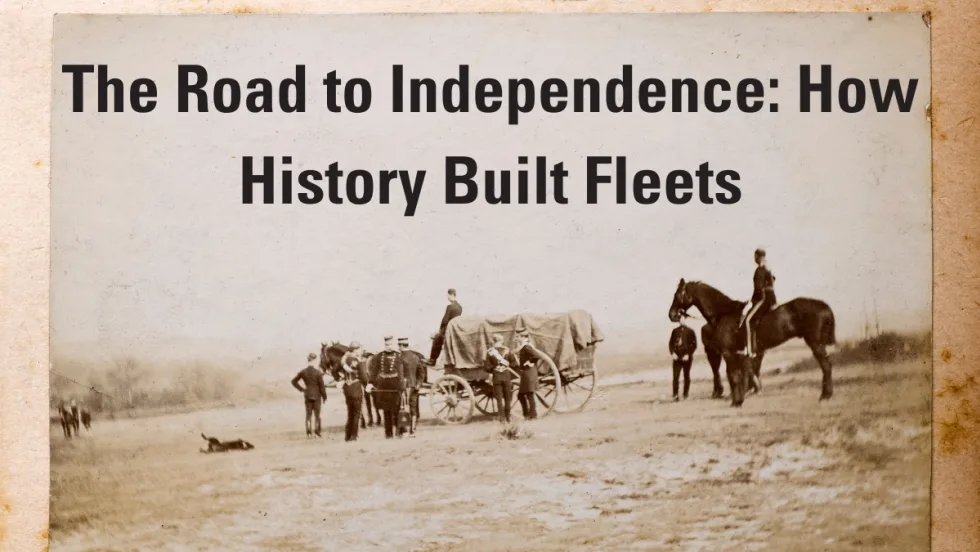
The 250-Year-Old Fleet Manager: Quartermasters & Wagon Masters of the American Revolution
“Fleet manager” wasn’t a title then, but Quartermasters and Wagon Masters lived the job on the road to independence.
Read More →