




How to Support Your Community Reporting
AI is changing how we consume information, but our editors provide the perspective to understand what’s happening in our industry and why it matters.
October 28, 2026


More than 300,000 individuals have opted in to receive Bobit's industry content, highlighting the role of direct connections between readers, editors, and the professionals whose experiences shape fleet reporting.
Credit:
Automotive Fleet
3 min to read
I spent a lot of my time in 2026 dwelling on community and the importance of human connection in sharing experience and transferring institutional knowledge.
Perhaps like many of you, I have seen the decline in LinkedIn content. When LinkedIn launched, it was possible to create and join interest groups. Selling was forbidden, and accounts were blacklisted if someone posted a sales pitch.
I want to be candid about a concern: it’s getting harder to make sure our newsletters reach your inbox. If you value staying connected with us, please subscribe and mark our newsletters as trusted in your email settings.
We are working against Gemini and Copilot, specifically, which offer up summaries of the emails you receive. But our newsletters go beyond the summaries. They provide the stories and blogs our editors have specifically curated for our community, bringing the expertise that helps you understand what’s happening and why it matters.
Over 300,000 individuals have opted in to receive our content, and I’d hate for you to miss the insights and experience of the talented human beings who write for you and care about you and the industry you work in as it evolves.
We call readers our "audience" in the media industry. Like a performer on stage, our editorial staff compose their words and deliver them to a variety of platforms, including magazines, newsletters, website blogs, YouTube videos, social media handles, and during events.
Audience seems one-way, though. We appreciate your likes and comments, but we value your subscription most, because it shows us our words matter to you and that you support original writing and reporting on your industry. We measure success through subscriptions as well as your engagement when you read our writing. That is what is missing with Gemini and Copilot: You might not engage with the blogs, articles, and videos, but instead read an AI recap with no interest in, or years of experience in, your industry.
If you follow our media on social, like Automotive Fleet, you’ve started to see our editors introduce themselves throughout this year. This week I saw the talented Faith Howell share the stories Automotive Fleet is working on and why they matter. We hope that by sharing not only our written work with you but also showing you our faces and voices, we’ll connect in a more personal way.
That’s also why we just launched MyPeer (mypeer.com), a peer-to-peer network where you can connect with peers – no AI slop, no noise – simple connections where our editors are there and part of the discussion.
If you value independent reporting about the industry in which you work, I'm asking you to do something remarkably simple.
Subscribe. Read. Engage.
Subscribe to our newsletters and digital magazines. Mark our emails as trusted so they reach your inbox. Take a moment to open the stories our editors have selected for you. Share an article with a colleague. Leave a comment. Tell our editors what we're missing.
And join us on MyPeer, where conversations between industry professionals can continue without the noise.
Your subscription tells us you're interested. Your engagement tells us that our reporting matters. And your participation makes our community stronger.
We're committed to showing up for your industry every day. I'm asking you to show up for the people who report on it.
Subscribe to Our Newsletter
More Blog Posts
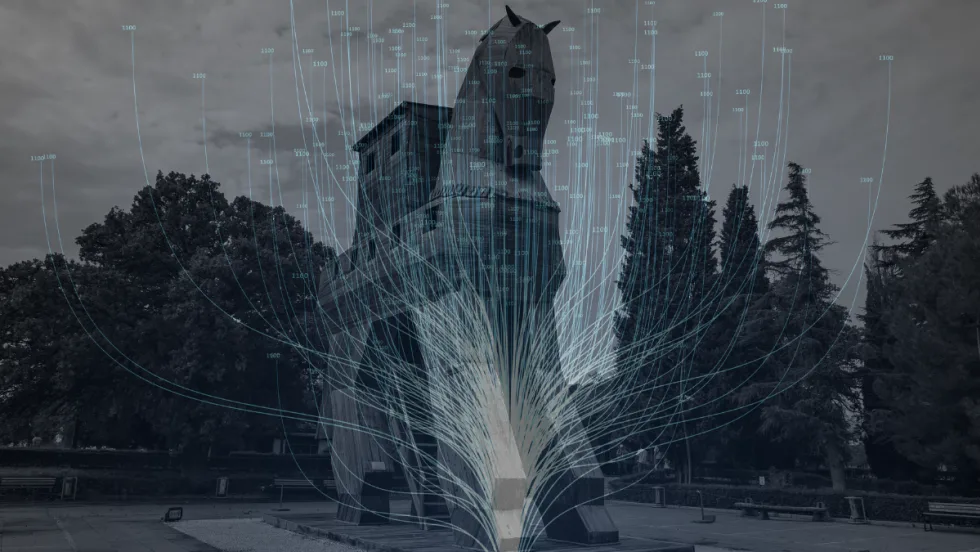
AI Is the Trojan Horse
The greatest risk of AI isn't what it knows. It's what we stop doing ourselves.
Read More →
Is This Theft Disguised as Training?
If AI is still “training,” why is it already publishing, summarizing, and profiting from the work of creators? In this provocative Insight Lane column, Colin Sutherland challenges the industry’s most convenient narrative—and asks a simple question: when does training become extraction, and why is credit still optional?
Read More →
How China Quietly Reduced Its Dependence on Oil (And What Fleets Should Learn)
China didn’t just bet on EVs. It used them to cut oil dependence at scale. Here’s what that strategy reveals and why smart fleets should be paying attention.
Read More →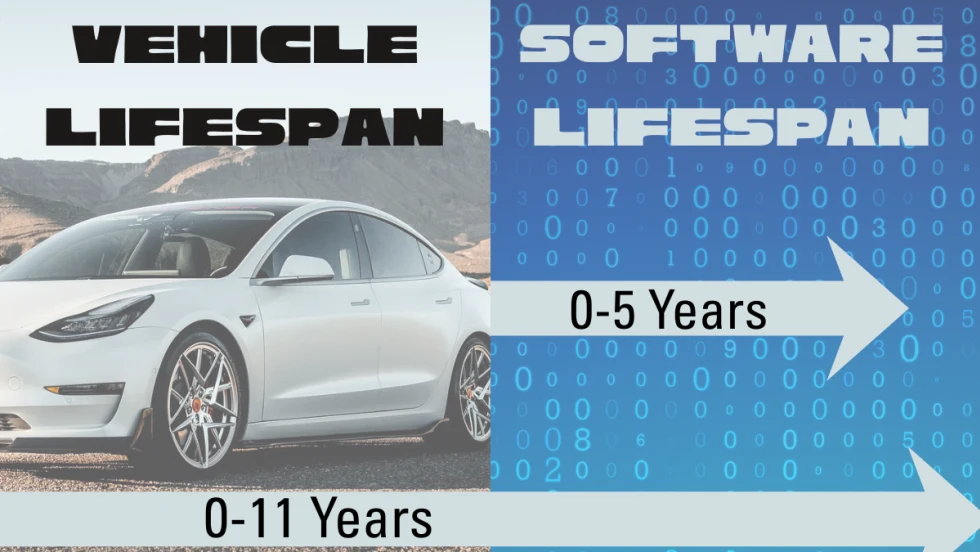
When Cars Stop Updating but Don’t Stop Driving
When the US’s largest EV manufacturer discontinues a model, it gives me pause to consider the software that drives it.
Read More →
The Cart is Pulling the Horse
Here's why software features shouldn’t be allowed to dictate your business goals.
Read More →
The Story of 2025: Outsourcing Accountability
The fleet world has been transformed by technology, so a choice must be made: how do we discern when to use AI and when not to?
Read More →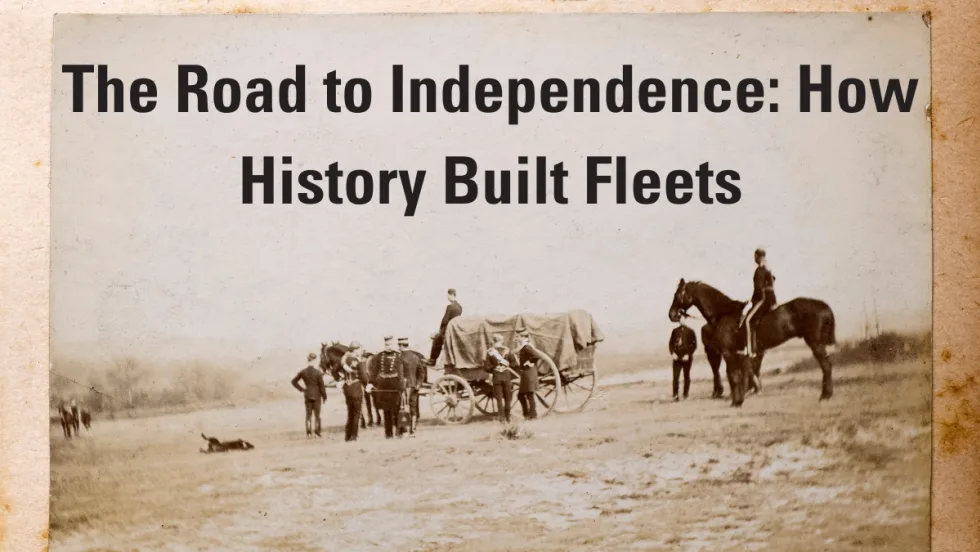
The 250-Year-Old Fleet Manager: Quartermasters & Wagon Masters of the American Revolution
“Fleet manager” wasn’t a title then, but Quartermasters and Wagon Masters lived the job on the road to independence.
Read More →
The New Reality of Disaster Preparedness
When disaster strikes, every second matters. From must-have Grab & Go essentials to lessons the fleet community is sharing right now, this piece explores what real preparedness looks like and why waiting until the last minute is no longer an option.
Read More →