




Keep Reading! How Does a Mid-Major FMC Compete? Ask BBL Fleet
What NASCAR Pit Crews and Fleet Teams Have in Common
Fleetio’s partnership with 23XI Racing highlights parallels between motorsports and fleet management, from preventative maintenance to communication and uptime.
by Rachael Plant
May 27, 2026
Fleet teams operate much like a NASCAR pit crew, working behind the scenes with precision, communication, and preventative maintenance to keep every asset performing at its best.
Credit:
Automotive Fleet
5 min to read
- Fleetio partners with 23XI Racing to explore the similarities between motorsports and fleet management.
- Both sectors emphasize preventative maintenance to ensure optimal performance and longevity.
- Effective communication is crucial to maintaining uptime in both NASCAR pit crews and fleet teams.
*Summarized by AI
When most people watch a NASCAR race, they focus on the driver, but anyone familiar with motorsports knows races are often won or lost in the pit. Behind every successful driver is a highly coordinated crew working under pressure, making split-second decisions, executing preventative maintenance (PM), and keeping equipment operating at peak performance. Fleetio recently brought that connection to life through its partnership with 23XI Racing, serving as the primary partner for Corey Heim and the No. 67 Toyota Camry XSE at the Coca-Cola 600.
That same dynamic exists in fleet operations every day. Fleet teams may not be servicing stockcars during a 12-second pit stop, but they are responsible for keeping assets on the road, minimizing downtime, controlling costs, and ensuring drivers can perform their jobs safely and efficiently. Whether it’s a utility fleet, construction operation, delivery service, or field service organization, the similarities between fleet management and a pit crew are closer than many people realize.
Success Depends on PM
Pit crews closely monitor a car’s components, including tire wear, engine temperatures, and fuel consumption. They operate with detailed maintenance schedules designed to prevent problems before they happen because even minor mechanical issues can cost valuable track position.
Fleet operations function much the same way. Surprise repairs create costly downtime and disrupt schedules. A missed oil change or delayed brake inspection may seem minor initially, but it can quickly escalate into expensive repairs and unexpected out-of-service time. High-performing fleet teams prioritize PM because they understand availability is everything. Assets that stay healthy stay productive, so many fleets are creating stronger service schedules based on mileage, engine hours, telematics data, or OEM recommendations to ensure maintenance doesn’t fall through the cracks.
Communication is Critical
During a race, pit crews and drivers remain in constant communication. Crew chiefs relay information about fuel strategy, tire conditions, lap times, weather, and track incidents in real time. A communication breakdown can lead to mistakes, penalties, or lost positions.
Fleets face similar challenges every day, as managers coordinate between drivers, technicians, vendors, dispatchers, and leadership teams, often across multiple locations and shifting priorities. When communication is fragmented, delays happen. Drivers may miss service appointments, maintenance approvals can stall, and critical asset issues may go unreported. According to a2026 fleet benchmark report, 31.5% of fleets surveyed reported gaps in communication as a barrier to on-time maintenance.
However, when drivers can quickly report defects, technicians have access to complete maintenance histories, and managers can monitor fleet status from a centralized platform, teams spend less time chasing information and more time solving problems. Clear workflows also improve accountability by ensuring everyone understands what needs to happen next and who is responsible for it. Speed matters in both motorsports and fleet, but coordinated communication is what enables teams to move quickly without sacrificing accuracy.
Data Helps Teams Make Faster, Smarter Decisions
Pit crews analyze telemetry, fuel usage, tire degradation, lap consistency, and hundreds of additional performance indicators throughout a race weekend. Decisions that once relied heavily on instinct are now supported by real-time analytics and predictive insights. Fleet management has evolved in much the same way. Today’s fleets generate enormous amounts of operational data across maintenance, fuel usage, inspections, utilization, driver behavior, and asset lifecycle performance.
Organizations that can centralize and interpret that data gain a significant operational advantage. Instead of relying solely on assumptions or manual spreadsheets, fleets can identify trends, optimize replacement schedules, reduce unnecessary costs, and improve asset availability with confidence. Data-driven decisions also help organizations justify budget requests, forecast maintenance expenses, and identify underperforming assets before they become larger operational issues.
Racing teams constantly search for marginal gains that compound over time, and fleets work the same way. Small improvements in fuel efficiency, downtime reduction, maintenance compliance, or technician productivity can create major long-term cost savings.
Every Second of Downtime Impacts Performance
One slow pit stop can dramatically alter the outcome of a race. Every second spent on pit roads time competitors use to gain track position. Fleets experience downtime differently, but the impact is just as real. When an asset is unavailable, productivity suffers. Routes may be delayed, jobs postponed, customers inconvenienced, and replacement assets required.
That’s why operational efficiency matters so much in fleet. The most successful fleet teams focus on streamlining maintenance workflows, improving parts availability, reducing approval delays, and increasing visibility across the entire service process. Faster diagnostics, better scheduling, and proactive maintenance planning all contribute to keeping assets operational and productive.
Pit crews practice relentlessly to reduce wasted movement and eliminate inefficiencies because even small delays matter. Fleets can benefit from the same mindset. Optimizing daily processes can significantly improve asset uptime across the organization.
Great Teams Win Through Coordination
While drivers may receive the attention, races are won by entire teams working together seamlessly. Tire changers, fuelers, jack operators, crew chiefs, engineers, and spotters each play a specialized role, and success depends on coordination and consistency across the organization. Fleet operations are no different. Effective fleet management requires collaboration between multiple stakeholders, including fleet managers, technicians, drivers, finance teams, procurement departments, and external vendors. No single person can manage every moving piece alone.
Strong fleets succeed because they establish repeatable systems, shared visibility, standardization, and clear accountability across departments. Drivers understand inspection expectations, while technicians have access to accurate service information, managers can track asset performance and operational status in real time, and leadership teams leverage reporting to support strategic planning and budgeting decisions.
When everyone operates from the same information, organizations can make faster decisions and avoid costly operational silos. That team-first mentality is one of the strongest parallels between motorsports and fleet. Both industries understand that performance comes from preparation, collaboration, and operational excellence behind the scenes.
Fleet Operations Are Built for Performance
Pit crews operate in one of the most demanding performance environments in the world. They succeed through preparation, communication, maintenance discipline, and data-driven decision-making. Fleets face many of those same pressures every day, as they must keep assets operational, keep downtime low, and control costs.
While fleet professionals may not work in front of packed grandstands or national TV audiences, their work is just as essential to operational success. The systems, discipline, and teamwork required to manage a high-performing fleet closely mirror what happens on pit road every weekend.
Subscribe to Our Newsletter
More Articles
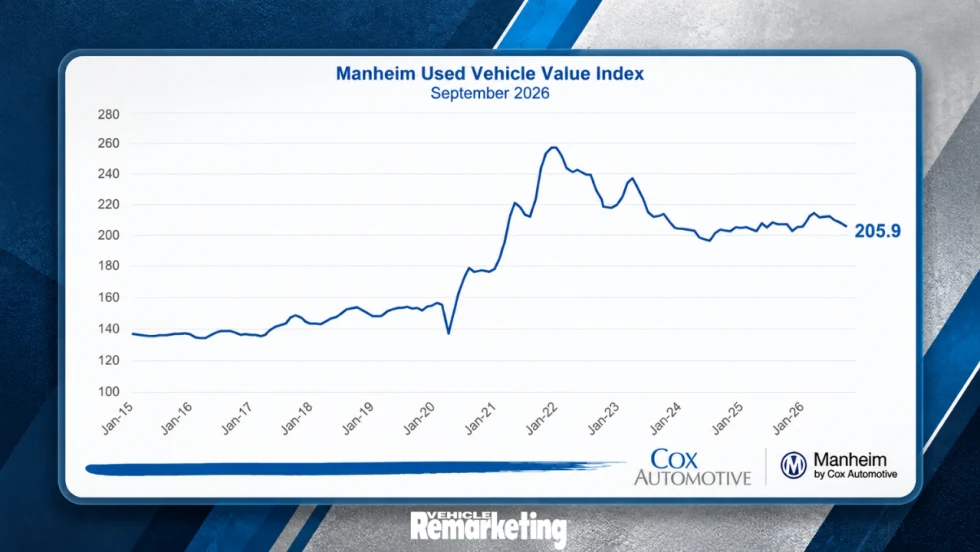
Wholesale Used-Vehicle Values Fall as Cox Automotive Cuts 2026 Forecast
Wholesale used-vehicle prices declined in September as depreciation accelerated, prompting Cox Automotive to lower its year-end forecast.
Read More →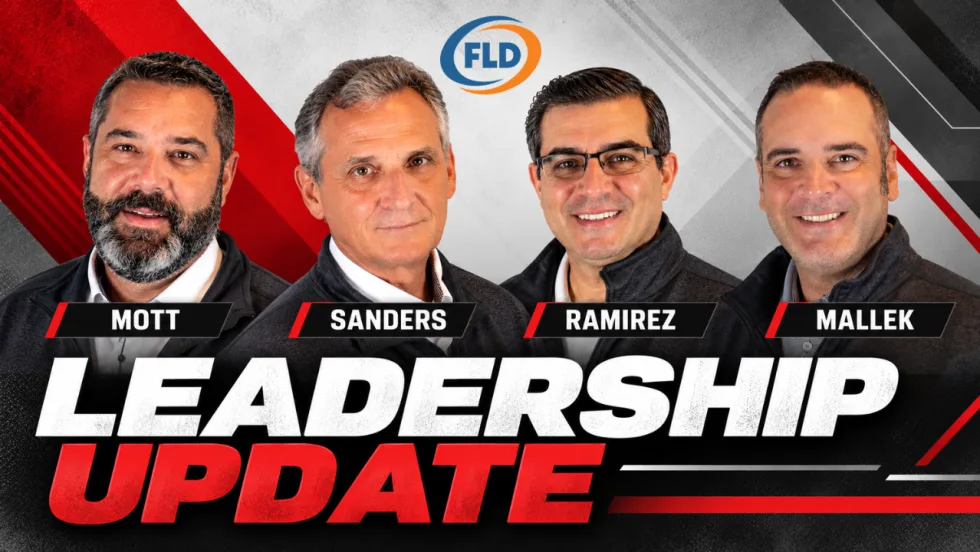
FLD Promotes Three Executives in Leadership Changes
FLD has promoted three longtime executives, naming Gary Mott CEO, Richard Mallek president, and Ron Sanders managing partner.
Read More →
How Fleets Can Recruit and Train Veterans for Technician Roles
Here's how the technician shortage has affected uptime for fleets, and what to do about it.
Read More →

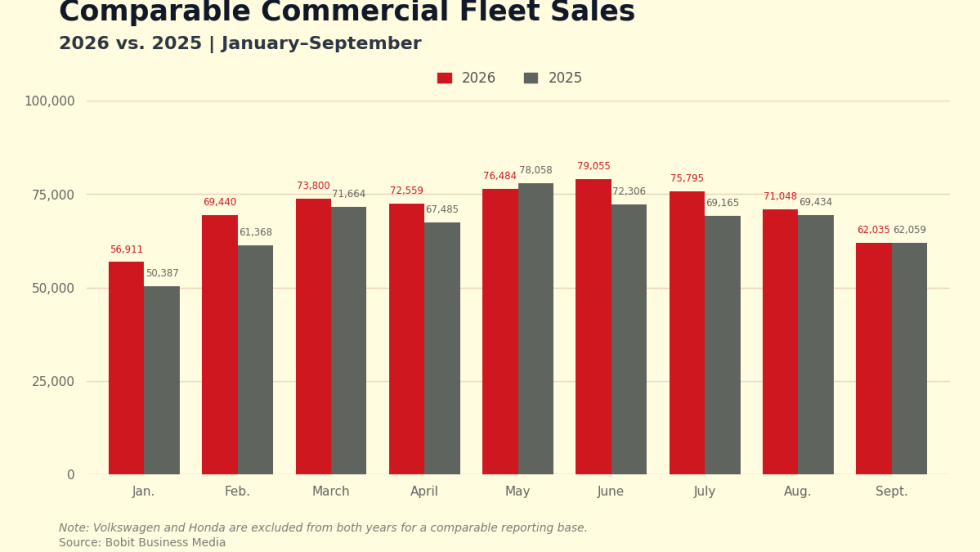
Commercial Fleet Sales Rise 5.8% Through September 2026
September commercial fleet sales were essentially unchanged from a year earlier, slowing year-to-date growth while keeping volume ahead of 2025.
Read More →
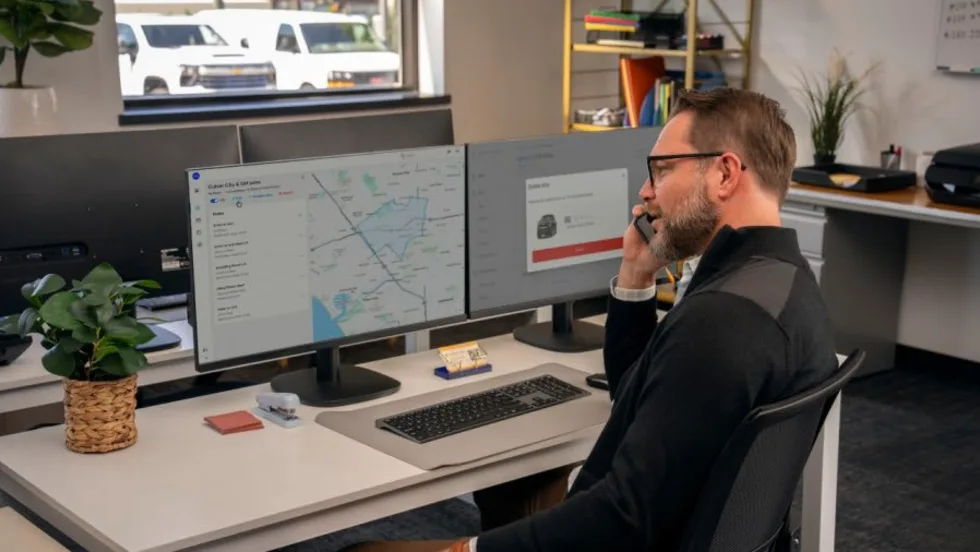
GM Launches OnStar Fleet Intelligence Platform With AI Assistant
The new platform brings vehicle data, order tracking, connected services and fleet analytics into one system, with an AI assistant that can answer fleet questions using natural-language prompts.
Read More →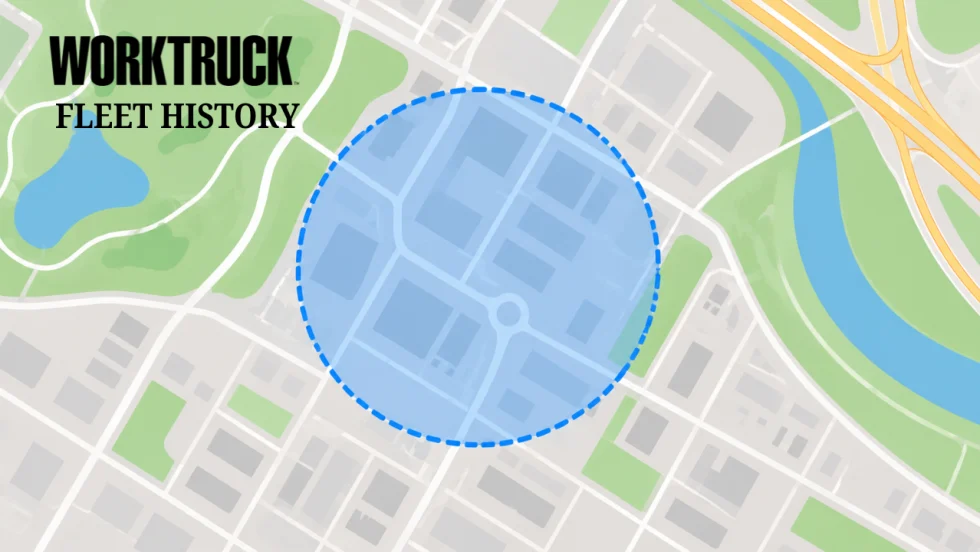
GeoFencing Adds to Your Truck Security Arsenal
Geofencing is a familiar fleet tool today, but its early adoption marked a major shift in vehicle tracking, route monitoring, and the debate over employee privacy.
Read More →
Sponsored•October 5, 2026
Fleet Operations, Unfiltered: Operators Share What Actually Works for Scale
Read More →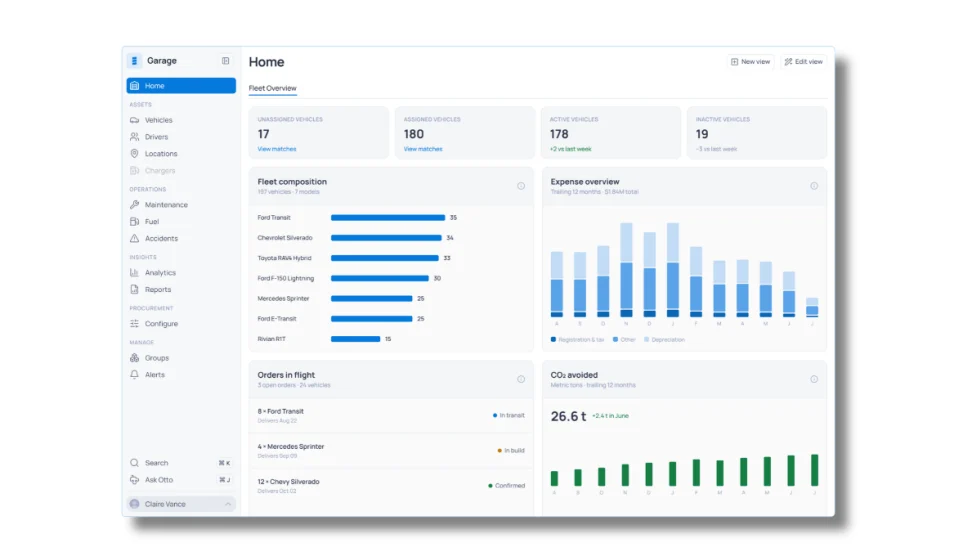
Inspiration Fleet Introduces Garage 2.0 Fleet Intelligence Platform
Fleet managers increasingly have access to data from vehicles, telematics, fuel, charging, and other systems, but those sources don't always communicate with one another. Inspiration Fleet's Garage 2.0 platform brings that information together while letting fleets keep working with different technology and service providers.
Read More →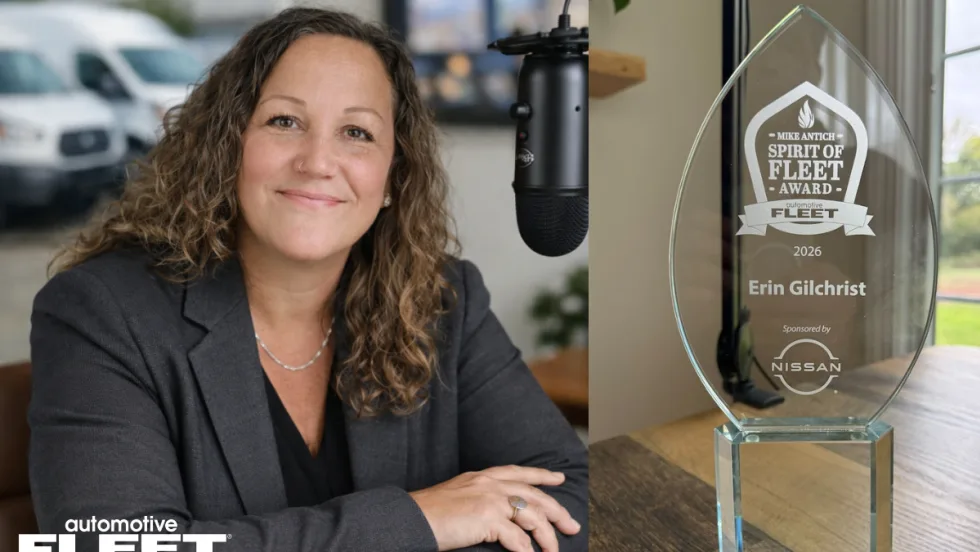
Erin Gilchrist Receives Mike Antich Spirit of Fleet Award
Last week at AFLA in Vegas, Erin Gilchrist received the inaugural, brand-new Spirit of Fleet Award.
Read More →