





The Distractions You Can’t Turn Off: What Drivers Face Outside the Vehicle
Deleting Driver Data Is No Longer Enough in Connected Vehicles
A factory reset may erase what's stored inside a vehicle, but it doesn't always end a former driver's digital connection. Here's how fleets can make digital offboarding part of every vehicle transition to reduce privacy, security, and compliance risks.
July 8, 2026
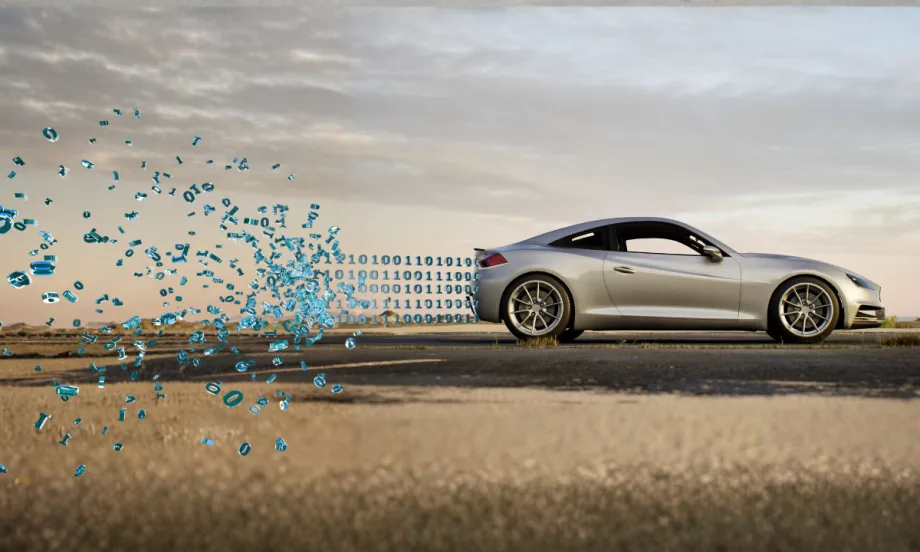
Connected vehicles generate a form of "digital exhaust" — personal data that can linger long after the keys change hands if vehicles aren't properly disconnected from former users.
Credit:
Automotive Fleet
5 min to read
The pharma fleet sales guy was terminated four months ago, but he can still see where his old company car goes. He knows when it leaves the office. He knows that its new driver stops at the smoothie shop after work.
Depending on the automaker and telematics services involved, he may still have remote access to the vehicle through a mobile app, even after the fleet has completed what it believed was the vehicle's offboarding process.
Maybe nothing ever happens. But if the former sales guy has a grudge against the company or the salesperson who replaced him, who knows?
The fleet manager certainly doesn’t, which is precisely why disconnecting vehicles from former users (called digital offboarding) is becoming just as important as collecting the keys and wiping personal data from the vehicle.
Removing a driver's contacts, navigation history, garage door codes, and other personal information from the vehicle is no longer enough. Fleets must also ensure the vehicle is digitally disconnected from its previous user.
Deleting Personal Information Is Still a Challenge
Yet before fleets can address this newer challenge, many are still grappling with the first one.
Deleting personal information from vehicles remains an inconsistent, often overlooked process because each automaker has its own infotainment system, menu structure, and data deletion procedure.
The steps can vary not only by manufacturer, but also by model year and software version, making it difficult for technicians handling dozens of different vehicles to consistently erase personal information before a vehicle changes hands.
For years, many fleets have relied on technicians to manually navigate each vehicle's menus, often with little assurance the process was completed correctly.
"There are simply too many variations," said Andrea Amico, founder and CEO of Privacy4Cars. "If you have a seven-step process and miss step four, you haven't completed the process correctly."
Standardizing Data Deletion
That complexity is what led Privacy4Cars to launch AutoCleared in 2019.
The platform standardizes in-vehicle data deletion by guiding users through the manufacturer-specific process for each vehicle after they scan the VIN with a mobile device. Instead of relying on memory, users receive step-by-step instructions tailored to the vehicle's infotainment system while the platform documents completion for compliance purposes.
Beyond simplifying the process, AutoCleared creates a documented record showing personal data was removed using a consistent, repeatable workflow. Amico said that type of objective, auditable process is becoming increasingly important as privacy regulations evolve and organizations are expected to demonstrate they took reasonable steps to protect personal information.
Amico said Privacy4Cars has spent years building a database that covers tens of thousands of infotainment system variations across automakers and model years, enabling the software to identify the correct workflow for each vehicle.
The Cloud Changed the Equation
As Privacy4Cars refined its data deletion platform, Amico said the company realized clearing information stored inside the vehicle solved only part of the problem.
For several years, the conversation around vehicle privacy centered on deleting what drivers left behind inside the vehicle. Today, he said, fleets also need to address how users are connected to the vehicle.
Modern vehicles are internet-connected computers. Personal information comes not only from navigation systems and infotainment screens, but also from smartphones paired to the vehicle, cloud-based manufacturer accounts, and data collected by onboard sensors.
"Modern cars are much more like your laptop, your smartphone, and a collection of other computers, all attached together and put on wheels," Amico said.
That realization led to Privacy4Cars' newest platform, DisconnectedCar, introduced in June. The product is designed to disable applicable data-sharing settings and revoke prior users' authorizations via compatible manufacturer-connected services, helping sever the digital relationship between a vehicle and its previous users.
Why Fleets Should Care
The issue is more than protecting the privacy of former drivers. It could create potential compliance concerns.
Amico said organizations should ensure connected vehicles are no longer collecting or sharing personal data under the consent of someone who no longer has a relationship with the vehicle. He noted that regulators, particularly in Europe, increasingly expect organizations to follow documented, repeatable processes for removing personal information from vehicles and maintaining records demonstrating those actions.
"Connected services deliver tremendous value for fleets, but they become a liability if they're left unmanaged after the vehicle leaves the fleet," Amico said. "You have to cut that digital leash when the relationship with the vehicle ends."
Turning Privacy Into a Repeatable Process
Manufacturers intentionally require someone to be physically present with the vehicle before operations affecting ownership credentials or connected services can be performed. Rather than eliminating those safeguards, Privacy4Cars focuses on making the process faster and more consistent.
A technician scans the VIN using the company's mobile app, which identifies the vehicle and presents the appropriate workflow. Some actions are completed manually inside the vehicle, while others occur in the background via communication with the manufacturer's systems. At the end of the process, the technician receives confirmation showing whether personal data has been deleted, connected settings have been updated, and prior users have been disconnected where supported.
According to Amico, deleting in-vehicle data typically takes about a minute, while the disconnection process averages about 15 seconds for supported vehicles, although timing varies by manufacturer.
Privacy4Cars currently supports 19 automakers for the disconnection process and continues expanding coverage. The company said its privacy platform processed more than one million vehicles over the past year.
Digital Offboarding Becomes Part of Fleet Operations
Fleet vehicle offboarding has traditionally focused on inspections, maintenance, fueling, title transfers, and preparing vehicles for resale or reassignment.
As connected vehicle technology becomes standard across the industry, disconnecting vehicles from former users is emerging as another essential operational step.
Clearing the infotainment system remains critical, but fleets may increasingly need to ensure the driver's digital relationship with the vehicle ends when the vehicle changes hands.
Subscribe to Our Newsletter
More Telematics
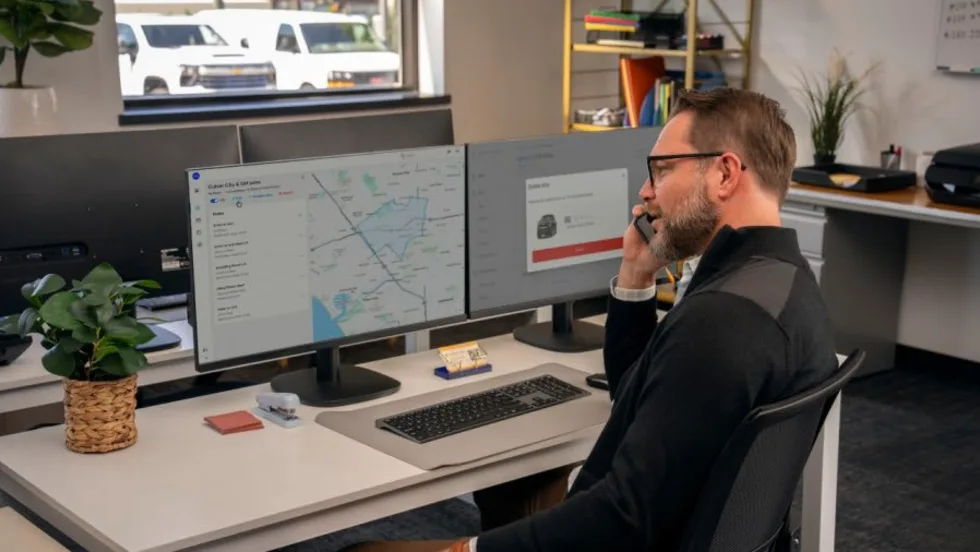
GM Launches OnStar Fleet Intelligence Platform With AI Assistant
The new platform brings vehicle data, order tracking, connected services and fleet analytics into one system, with an AI assistant that can answer fleet questions using natural-language prompts.
Read More →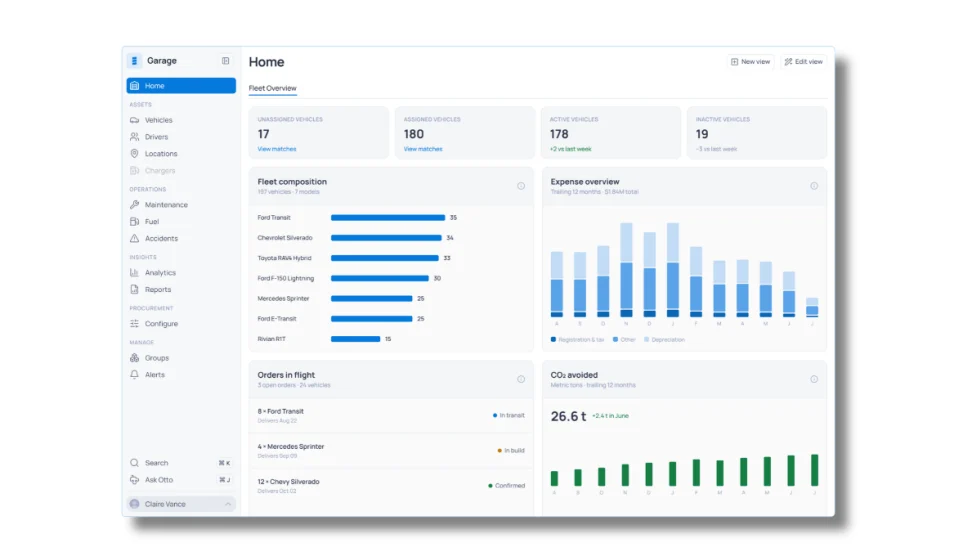
Inspiration Fleet Introduces Garage 2.0 Fleet Intelligence Platform
Fleet managers increasingly have access to data from vehicles, telematics, fuel, charging, and other systems, but those sources don't always communicate with one another. Inspiration Fleet's Garage 2.0 platform brings that information together while letting fleets keep working with different technology and service providers.
Read More →
Inside Inspiration Fleet’s New Platform for Connecting Fleet Data
Inspiration Fleet CTO Chris Getner explains how the new Garage 2.0 platform is designed to connect disparate fleet data and what that could mean for fleet managers in practice.
Read More →
Sponsored•October 1, 2026
Fleet Manager’s Ultimate Playbook: Navigating the New Standard in OEM Connectivity
Rising operating costs, driver safety concerns, and unplanned downtime are putting unprecedented pressure on modern fleets. Discover how fleet managers use embedded OEM connectivity and real-time vehicle data to cut TCO, prevent downtime, and protect drivers without aftermarket telematics hardware.
Read More →
Samsara Driver Perks Adds New Benefit for Corporate Fleet Drivers
The rewards program gives eligible professional drivers access to discounts from more than 50 brands while giving fleets another way to support recruitment, retention, and the driver experience.
Read More →
Inside the Church of Jesus Christ of Latter-day Saints’ Two-Track Telematics Strategy
With 20,000 vehicles and two fundamentally different driver populations, the Church faced a fleet management problem that a single telematics program couldn't solve. How it responded offers a replicable framework for any fleet where one size doesn't fit every driver.
Read More →
How Conversational AI Can Make Fleet Tasks Easier for Drivers
While most generative AI tools help fleet managers interpret data at their desks, Connex2X is applying voice interaction to tasks behind the wheel.
Read More →
Why Fleets Are Creating Dedicated Fleet Analyst Positions
Are fleet analyst positions the new norm? Listen here to find out.
Read More →
Teletrac Navman Begins Next Chapter as Standalone Private Company
What's new with Teletrac Navman and its new owner?
Read More →
Why Fleets Are Creating Dedicated Fleet Analyst Positions
Telematics, AI, EVs, and connected technologies are generating more fleet data than traditional teams can effectively manage. Reed Jackson explains why dedicated fleet analytics roles are emerging to turn that information into better operational decisions.
Read More →