




Cameras, Safety and Insurance: From Reactive Claims to Real-Time Prevention (Part 2 of 2)
Part Two: Commercial auto remains one of the most challenging and costly lines of coverage for fleet operators and insurers alike. Continue learning more about how to effectively address these issues from Onur Aksan, Enterprise Business Development Executive, Geotab

- Commercial auto insurance presents significant challenges and costs for fleet operators and insurers.
- Onur Aksan from Geotab discusses methods to effectively tackle these issues.
- Real-time prevention strategies are emphasized as a way to improve safety and reduce claims.
*Summarized by AI
Article Republished from AFLA Fleet Insight Newsletter
In Part 1, we explored how connected video and telematics eliminate delayed feedback and build driver trust through contextual intelligence. Now, we turn to the strategies that convert safety technology into measurable business value: predictive modeling, claims control, and thoughtful deployment.
Predictive Modeling: Seeing Risk Before It Happens
Perhaps the most significant advancement in loss control is the ability to look forward rather than backward. Unified platforms are now capable of predictive modeling, using historical data to forecast which drivers are most likely to be involved in a collision in the next 90 days.
By analyzing patterns, such as a sudden increase in harsh cornering combined with late-night driving, these models can flag high-risk drivers who may have a clean accident record but are trending toward a collision. Armed with these insights, managers can prioritize their limited time, focusing coaching efforts on the 10% of drivers who represent 50% of the risk.
Reducing Caims Frequency and Severity
From an insurance perspective, integrating video with telematics is critical for reducing both the number and cost of claims.
First, safer driving leads directly to fewer collisions. Lower frequency alone has a meaningful impact on loss performance, especially in urban or high-exposure operations. Second, when incidents do occur, unified video evidence helps to show what actually happened. This can:
- Accelerate claims investigations
- Reduce fraudulent or exaggerated claims
- Support faster, fairer liability determinations
- Prevent costly litigation driven by uncertainty
In many cases, video evidence has exonerated drivers who were initially assumed to be at fault. Defending drivers with data protects loss ratios and helps retain experienced staff who might otherwise be unfairly penalized.
Controlling Losses in a Challenging Insurance Market
With commercial auto insurance premiums under continued pressure, fleets are being asked to demonstrate stronger risk controls. Insurers view connected safety programs as a signal of a fleet’s commitment to loss prevention. Fleets with well-documented camera usage, coaching protocols and measurable safety improvements are often better positioned when negotiating coverage terms, deductibles and renewals.
Driving Adoption: From Alerts to Habits
The success of a connected safety strategy is heavily dependent on how it's introduced to the fleet. Organizations that see the strongest results typically follow three core principles:
- Transparency first: Clearly communicate that the technology is for protection, exoneration, and self-improvement (not punishment). When drivers understand that the system defends them against false claims, buy-in increases significantly.
- Empower self-correction: Use in-cab voice alerts so drivers can fix mistakes in the moment, rather than waiting for a manager to review footage days later.
- Gamify safety: Don’t just flag risks, use the data to recognize and reward safe driving behaviors. Building a positive culture is the most effective way to sustain long-term results.
Technology alone does not change outcomes – how it’s used does.
A Strategic Investment in Prevention
The era of passive recording is over. As commercial auto risks evolve, the technology used to manage them must change from reactive observation to predictive prevention. By unifying video data with telematics and real-time coaching, fleets can finally close the gap between detecting a risk and stopping a collision. It’s a fundamental change in strategy that moves past simply managing claims to securing long-term insurability and operational resilience.
Quick Answers
Commercial auto coverage is challenging for fleet operators due to the high costs associated with accidents, claims, and insurance premiums. Managing large fleets involves inherent risks, which can result in significant financial burdens if not properly addressed.
*Summarized by AI
More Telematics
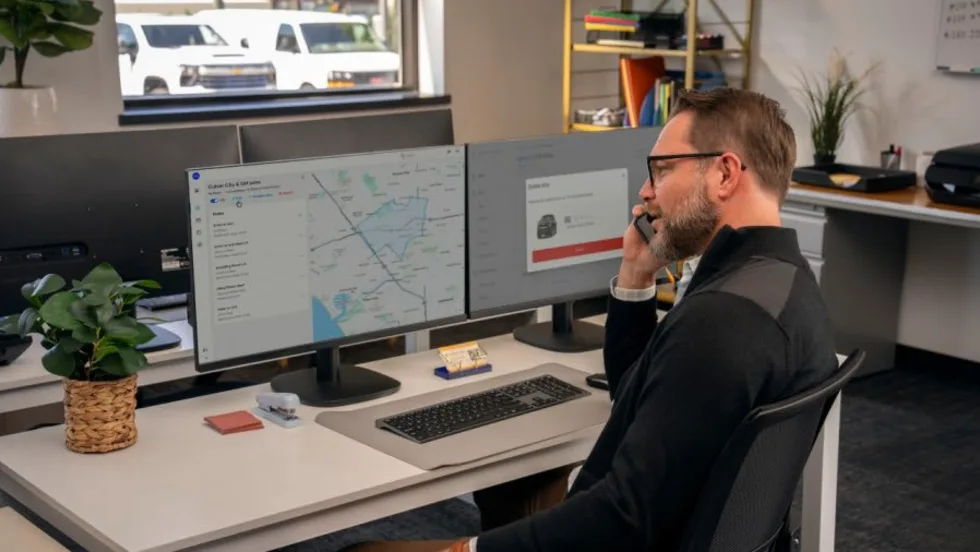
GM Launches OnStar Fleet Intelligence Platform With AI Assistant
The new platform brings vehicle data, order tracking, connected services and fleet analytics into one system, with an AI assistant that can answer fleet questions using natural-language prompts.
Read More →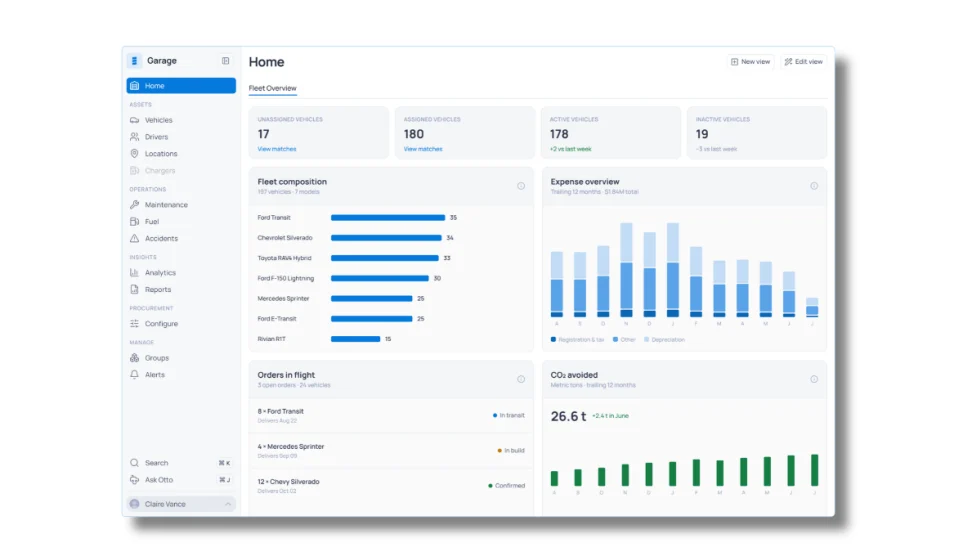
Inspiration Fleet Introduces Garage 2.0 Fleet Intelligence Platform
Fleet managers increasingly have access to data from vehicles, telematics, fuel, charging, and other systems, but those sources don't always communicate with one another. Inspiration Fleet's Garage 2.0 platform brings that information together while letting fleets keep working with different technology and service providers.
Read More →
Inside Inspiration Fleet’s New Platform for Connecting Fleet Data
Inspiration Fleet CTO Chris Getner explains how the new Garage 2.0 platform is designed to connect disparate fleet data and what that could mean for fleet managers in practice.
Read More →
Fleet Manager’s Ultimate Playbook: Navigating the New Standard in OEM Connectivity
Rising operating costs, driver safety concerns, and unplanned downtime are putting unprecedented pressure on modern fleets. Discover how fleet managers use embedded OEM connectivity and real-time vehicle data to cut TCO, prevent downtime, and protect drivers without aftermarket telematics hardware.
Read More →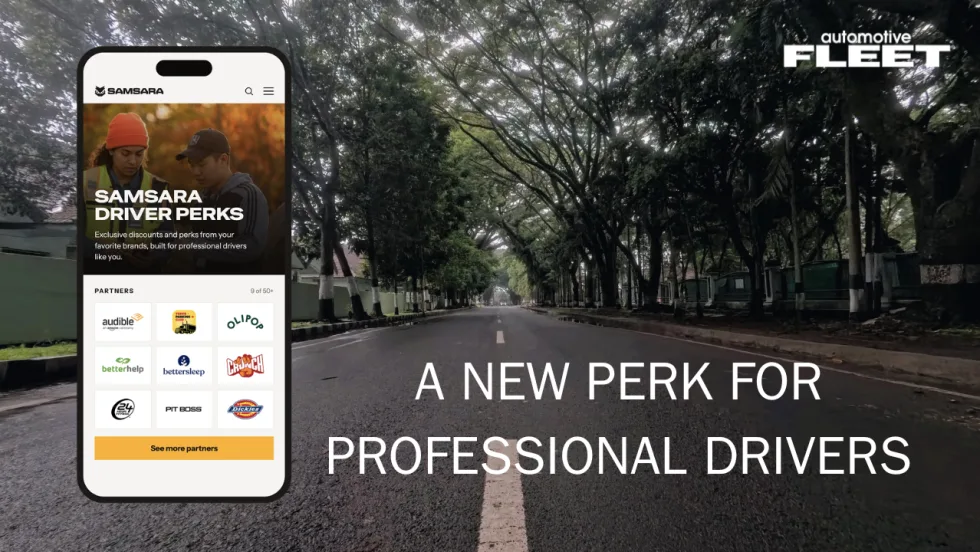
Samsara Driver Perks Adds New Benefit for Corporate Fleet Drivers
The rewards program gives eligible professional drivers access to discounts from more than 50 brands while giving fleets another way to support recruitment, retention, and the driver experience.
Read More →
Inside the Church of Jesus Christ of Latter-day Saints’ Two-Track Telematics Strategy
With 20,000 vehicles and two fundamentally different driver populations, the Church faced a fleet management problem that a single telematics program couldn't solve. How it responded offers a replicable framework for any fleet where one size doesn't fit every driver.
Read More →
How Conversational AI Can Make Fleet Tasks Easier for Drivers
While most generative AI tools help fleet managers interpret data at their desks, Connex2X is applying voice interaction to tasks behind the wheel.
Read More →
Why Fleets Are Creating Dedicated Fleet Analyst Positions
Are fleet analyst positions the new norm? Listen here to find out.
Read More →
Teletrac Navman Begins Next Chapter as Standalone Private Company
What's new with Teletrac Navman and its new owner?
Read More →
Why Fleets Are Creating Dedicated Fleet Analyst Positions
Telematics, AI, EVs, and connected technologies are generating more fleet data than traditional teams can effectively manage. Reed Jackson explains why dedicated fleet analytics roles are emerging to turn that information into better operational decisions.
Read More →