





Related: Ram Chassis Cab Named Medium-Duty Truck of the Year
All New Dodge Class 4-5 Trucks
Dodge expands its commercial presence with the launch of the all-new 2008 Dodge Ram 4500 and 5500 Chassis Cabs.The new cabs are targeted at small business and trade fleet customers, and traditional chassis cab users.
March 1, 2007
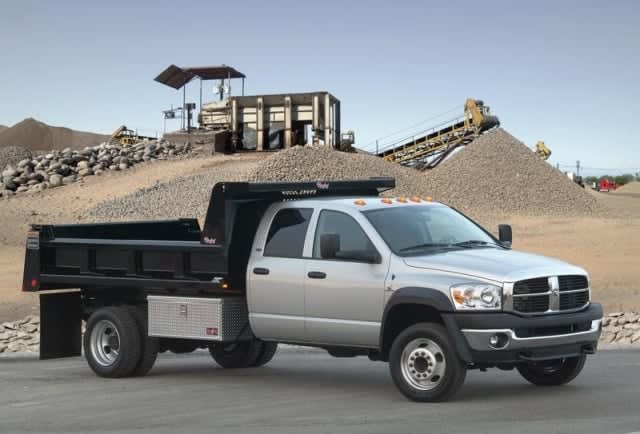
The 2008 Dodge Ram 4500 truck.
Photo: Ram Truck
3 min to read
Extending the Dodge Ram heritage to the medium-duty Class 4 and 5 commercial markets, Dodge expands its commercial presence with the launch of the all-new 2008 Dodge Ram 4500 and 5500 Chassis Cabs.
Targeted at small-business tradesmen, fleet customers, and traditional chassis cab users, the Dodge Ram 4500 and 5500 Chassis Cabs extend the Chrysler Group’s current commercial foundation and the line-up of full-size vans, minivans, and body-on-frame commercial vehicles.
Ready to Compete
The Ram 4500 and 5500 Chassis Cabs will compete in medium-duty truck Class 4 and 5 segments with a GVWR of 14,000-19,500 lbs. Overall industry forecasts for this range of chassis cab vehicles were 140,000 units in 2006 with growth expectations to 156,000 units by 2012.
“We built the all-new 2008 Dodge Ram 4500 and 5500 Chassis Cabs for heavy-duty chassis cab buyers who want a powerful, capable, and versatile commercial-quality vehicle,” said George Murphy, senior vice president, global brand marketing, Chrysler Group. “With commercial performance, durability, and capability, the 2008 Dodge Ram 4500 and 5500 Chassis Cabs offer dominant powertrain packages, a commercial-grade upfit-friendly chassis, and bold, ‘bigrig’ Ram styling.”
Powerful & Durable
The 6.7L engine generates 305 horsepower at 3,000 rpm and 610 lb.- ft. of torque at 1,600 rpm. It’s also a clean engine with B-5 biodiesel compatibility and a reduction in particulates and nitrogen oxide (NOx) that complies with the 50-state 2007 heavy-duty emission standards. The engine also has life-to-major overhaul intervals of 350,000 miles.
The 4500 and 5500 Dodge Ram features a six-speed automatic or manual transmission with power take-off (PTO) capability. An available electronic-shift transfer case is offered and a factory-installed exhaust brake contributes to both safety and longer brake life.
The Dodge Ram 4500 and 550 Chassis Cabs models are “job-rated,” meaning they are designed, engineered, tested, and built to meet the rigid standards of commercial truck buyers.
According to Dodge, two- and four-wheel-drive models feature a recirculating ball system that provides precise response and on-center steering feel through lower internal friction. Improved power steering lines contribute to the delivery of precise feel and response for better handling.
Upfit-Friendly
Meeting all cab-axle and industry upfitter specifications, the 4500 and 5500 Chassis Cabs bring versatility and upfit-readiness with an enhanced commercial-grade, user-friendly chassis to the Class 4 and 5 chassis segments.
Built on industry-standard 34-inch spacing and flat, clean frame rails on a one-piece C-channel rear-frame rail, upfit-friendliness was a primary theme in design, according to Dodge. All chassis components are below the frame surface for easy adaptability and versatility in virtually any upfit application.
Electrical connections are userfriendly due to three-fused battery feeds routed into the cab and onto the rear of the chassis. Upfitter wire circuits and electrical schematics are identified in the body builder guide.
Topics:DodgeRam 4500Ram 5500Medium-Duty TrucksChassis CabClass 4Class 5Ram Commercial2008-MYVehicle ResearchOperations
Originally posted on Work Truck Online
Subscribe to Our Newsletter
More Vehicle Research
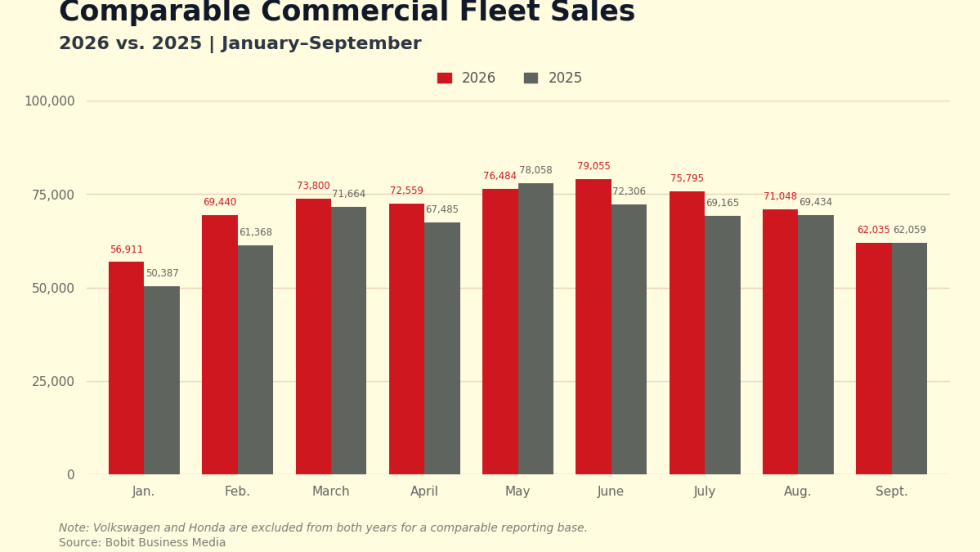
Commercial Fleet Sales Rise 5.8% Through September 2026
September commercial fleet sales were essentially unchanged from a year earlier, slowing year-to-date growth while keeping volume ahead of 2025.
Read More →
Hall of Fame Inductee: John Dmochowsky
The longtime Mondelēz International fleet executive joins the Automotive Fleet Hall of Fame.
Read More →
Hall of Fame Inductee: Lee Miller
After more than four decades at Boehringer Ingelheim, Lee Miller leaves a legacy built on fleet expertise.
Read More →
Hall of Fame Inductee: Mark F. Petersen
From managing fleets of thousands of vehicles to advancing safety and mentoring fellow professionals, Mark F. Petersen made his mark across both the corporate and supplier sides of fleet.
Read More →
When Charger Downtime Becomes a Fleet Availability Problem
As EV deployments move beyond pilot programs, charger reliability can directly affect vehicle readiness, driver productivity and route scheduling.
Read More →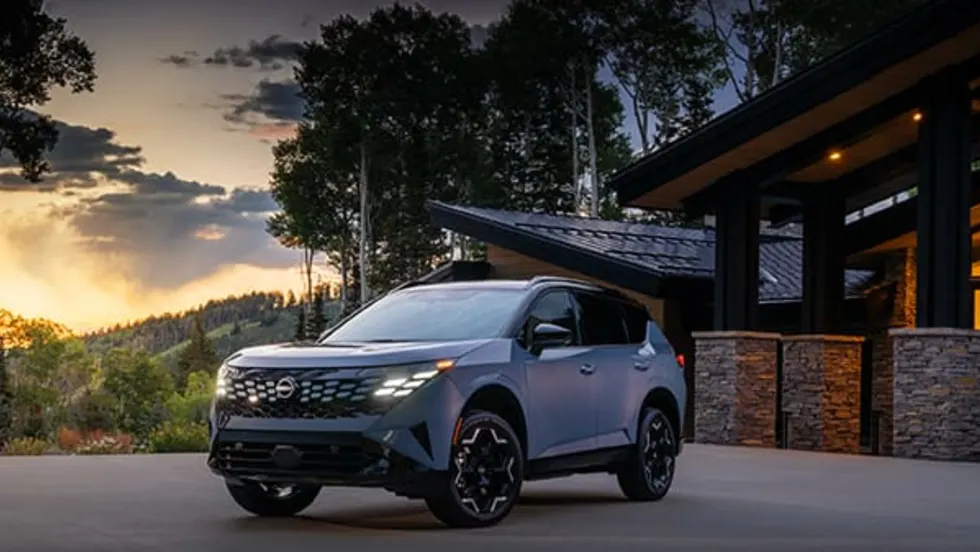
2027 Nissan Rogue Hybrid Adds e-POWER, Standard AWD
The new Rogue Hybrid uses Nissan’s e-POWER system with dual electric motors, offers an estimated 40 mpg and starts at $35,490.
Read More →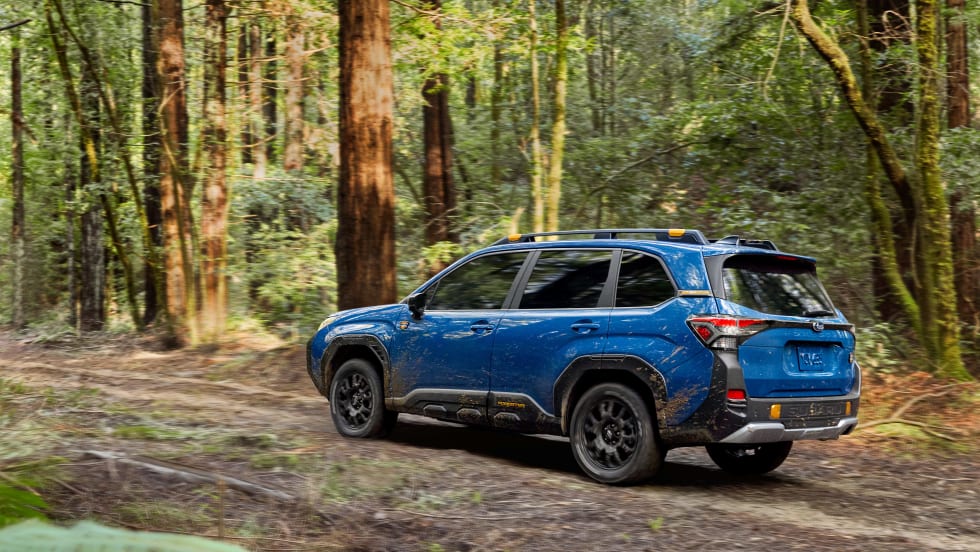
2027 Subaru Forester Adds First Wilderness Hybrid
The 2027 Forester lineup starts at $29,995 and adds a Wilderness Hybrid with 194 combined horsepower and 9.3 inches of ground clearance.
Read More →
EV Realty Names Henrik Holland President as Charging Platform Expands
The former Prologis Mobility and Shell executive will help expand EV Realty’s truck charging business and move its power-first infrastructure model into autonomous vehicle depots and other fleet sectors.
Read More →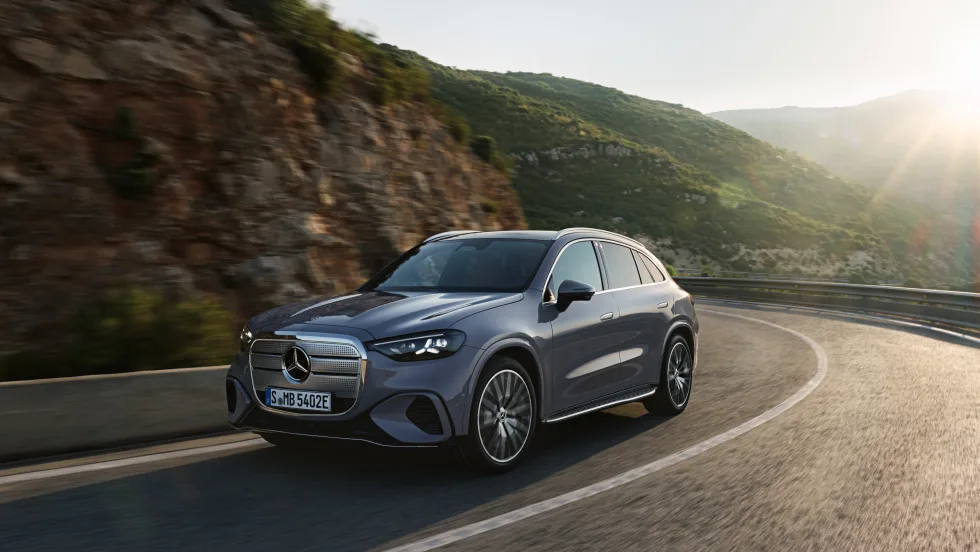
Mercedes-Benz Introduces Electric GLC With Up to 350 Miles of Range
The GLC 400 4MATIC Electric features an 800-volt architecture, 330-kW DC fast charging and a 94-kWh battery, along with Mercedes-Benz's new MB.OS operating system.
Read More →
Fleet Has a Talent Pipeline Problem, not a Talent Problem
Where will the next generation of fleet leaders come from, and what does the industry need to do differently to find them?
Read More →