




Elevating Visibility for Fleet Managers in the Corporate Hierarchy
It’s time we write Fleet with a capital F.


Fleet leaders weigh in on what drives the decisions that enable the industry.
Credit: Automotive Fleet
In many organizations, Fleet operates as invisible infrastructure. It is essential to daily operations, yet often noticed only when something breaks, costs spike, or complaints escalate. As a result, despite managing some of the company’s most complex and capital-intensive assets, Fleet managers are frequently viewed as cost managers rather than strategic contributors.
For Theresa Belding, that reality came into focus when she realized her company’s leadership believed the Fleet Management Company (FMC) was calling the shots.
“There was an idea that the FMC determined what vehicles we leased, the lease term, and the life of the vehicle,” recalled Belding, now a consultant and member of the Automotive Fleet Hall of Fame.
Rather than correcting the misconception in individual conversations, she built a presentation for senior management that showed where control and accountability actually lay:
Her team selected the vehicles offered and leased.
Manufacturer pricing and incentives were negotiated by the company, with supplemental credits provided by the FMC.
Lease terms and time-in-service were set internally, directly influencing monthly payments.
“This exercise was informative and eye-opening for leadership,” Belding said. “It created an understanding that our Fleet costs were directly impacted by our own business decisions.”
Once leadership understood how OEM choices, vehicle cap costs, ordering tiers, and lifecycle strategies shaped outcomes, those decisions could be adjusted to meet budget targets rather than debated after the fact.
“Informed leadership will always serve Fleet,” Belding said. “Uninformed leadership may result in forced bad decisions.”
When submitting her insights on this topic, Belding intentionally capitalized the “F” in Fleet. It was her way of reinforcing that Fleet is not a background function, but a business discipline. In that spirit, Fleet is capitalized throughout this article.
Why Fleet’s Value Often Goes Unseen
Experienced Fleet professionals know the reality is far different than the perception. Fleet influences safety, productivity, risk, revenue, and corporate reputation. The challenge is less about creating value (that’s happening) and more about making that value visible to non-Fleet stakeholders who may never see how their business decisions intersect with Fleet outcomes.
David Hayward, director of Fleet management for ABM, understands this paradox. “Fleet has always been a quiet function,” he said. “When it works well, nothing breaks, nothing escalates, and no one notices. That’s both the challenge and the opportunity.”
To understand how Fleet managers elevate their standing and earn executive recognition, we spoke with industry veterans who have successfully elevated Fleet’s perception in their organizations.
Building Visibility Through Proactive Communication
For Belding, visibility needs to start long before problems arise. “Lines of communication need to be established before there is a problem and communicated regularly without prompting,” she said.
One of the most effective tools she recommends is a “Fleet 101” presentation, an intentional effort to educate leadership on what actually drives Fleet decisions. Topics include OEM negotiations and incentives, lifecycle analysis, vehicle selection tradeoffs, and programs for fuel, maintenance, and telematics. The goal is to undo the assumption that Fleet executes decisions made elsewhere.
Hayward reinforces the same idea from a different angle.
“Non-Fleet leaders don’t engage with odometer readings or repair lines,” he said. “They engage with outcomes: uptime, risk, financial predictability, and operational continuity.”
That perspective shapes how Fleet should report upward. Executive summaries issued quarterly or biannually should focus on the metrics leadership cares about most. Those are safety trends, utilization, cost drivers, compliance risks, and notable wins, among others.
Budget transparency is essential. “Budget will get everyone’s attention,” Belding noted. Yes, sharing projections early and comparing actuals throughout the year invites scrutiny, but it also builds credibility.
Equally important is how data is teed up. “Presenting data as a ‘problem’ could result in solutions being proposed that may not be the best or most practical,” Belding warned. Hayward said that effective Fleet managers pair insight with recommendations, positioning themselves as decision partners rather than problem messengers. “Fleet’s greatest contributions often show up as the absence of disruption,” he said. “That story has to be told deliberately.”
Make Leadership Understand Early
Belding’s FMC experience highlights a broader lesson: when leadership understands where control resides, Fleet outcomes improve.
Executives often believe external partners dictate vehicle choices, pricing, and lifecycle strategy. By demonstrating that these were internal decisions with measurable consequences, Belding reframed Fleet as a collaborative internal effort involving the C-suite.
Hayward emphasizes the importance of examining tradeoffs early, before options narrow. Delaying replacement may preserve cash today but increase downtime tomorrow. “Waiting too long to decide removes options altogether,” he said.
When Fleet consistently explains those tradeoffs in advance, it earns credibility and a seat at the table.
Moving Beyond Cost Savings
Oleg Cytowicz, former Fleet manager and Automotive Fleet Hall of Famer, offers a candid perspective on why even impressive savings often fail to elevate Fleet’s standing.
“Yes, the millions saved are appreciated,” he said. “But they are also part of the role.”
What really captures leadership attention, Cytowicz argues, is when Fleet expands its influence beyond traditional boundaries. Safety initiatives are a prime example. By leading aggressive driver safety awareness and education programs, not only for Fleet drivers but across the organization, Fleet reduces liability, lowers insurance exposure, and protects employees company-wide.
“You expanded your role from Fleet manager to safety advocate,” Cytowicz said. “That’s when senior leadership support shows up, and champions emerge.”
Here again, Hayward’s experience applies: Fleet becomes visible when it connects decisions to outcomes leadership wants to avoid, such as incidents, disruption, and unpredictability.
Speaking the Language of Leadership
Jennifer VrMeer, Fleet manager for BD, a global medical device company, describes Fleet leaders as “revenue accelerators, competitive advantages, and strategic enablers” — if they communicate in the right terms.
“Use language that resonates with leaders,” said VrMeer, who manages about 2,500 vehicles in North America. Cost per mile, utilization, downtime reduction, and compliance risk mitigation are metrics executives understand instinctively. Dashboards and trend analysis should link Fleet performance directly to sales effectiveness, service reliability, customer experience, and growth objectives.
“Don’t be shy in showcasing accomplishments,” VrMeer said. “You need to be seen as a strategic partner, not the manager of a bunch of sunk costs.”
Visibility, she added, requires persistence. Hayward agrees. “The same message delivered the same way, month after month,” he said, is what pulls Fleet into conversations earlier, where real value is created.
Balancing Finance and Operations
Bob Adamsky, senior director of enterprise Fleet for AWP Safety, emphasizes that visibility depends on financial fluency as much as operational expertise.
“Be the asset SME,” Adamsky said. That means understanding utilization, right-sizing, and how Fleet costs scale with business activity. He recommends quarterly reporting tied directly to the P&L, vendor scorecards, and metrics that show Fleet expense as a percentage of revenue.
“Time spent should be about 50/50 between finance and operations,” he noted. Just as important is proactive storytelling. “If nothing is said, most will assume you are doing nothing for progress.”
Adamsky’s experience reinforces the point that influence doesn’t come from being right, but rather from being reliable over time.
Owning the Role of Enterprise Expert
With 41 years of Fleet experience across multiple industries, Mark Petersen underscores that Fleet management is inherently cross-functional.
“Fleet management is not a role where you go to keep your head down,” Petersen said. “It’s front and center, even if the organization needs to be reminded of that.”
Successful Fleet managers tailor their message to the audience: liability and loss costs for risk managers, field productivity for sales leaders, and concise summaries for the C-suite. Petersen also stresses direct engagement with drivers through new-hire orientations and sales meetings, reinforcing Fleet’s role as an enabler of employee success.
Consistent reporting matters. “You don’t know what will resonate until you try,” he said.
From Cost Center to Corporate Champion
Elevating Fleet’s visibility requires more than strong operations. It demands education, disciplined communication, data-driven storytelling, and the confidence to expand Fleet’s role into safety, risk management, and revenue enablement.
As these leaders have shown, the path to “Fleet with a capital F” is less about being louder and more about being understood. When Fleet managers speak in outcomes, clarify tradeoffs early, and deliver reliable insights over time, leadership stops asking what Fleet costs and starts asking what Fleet enables.
More Vehicle Research
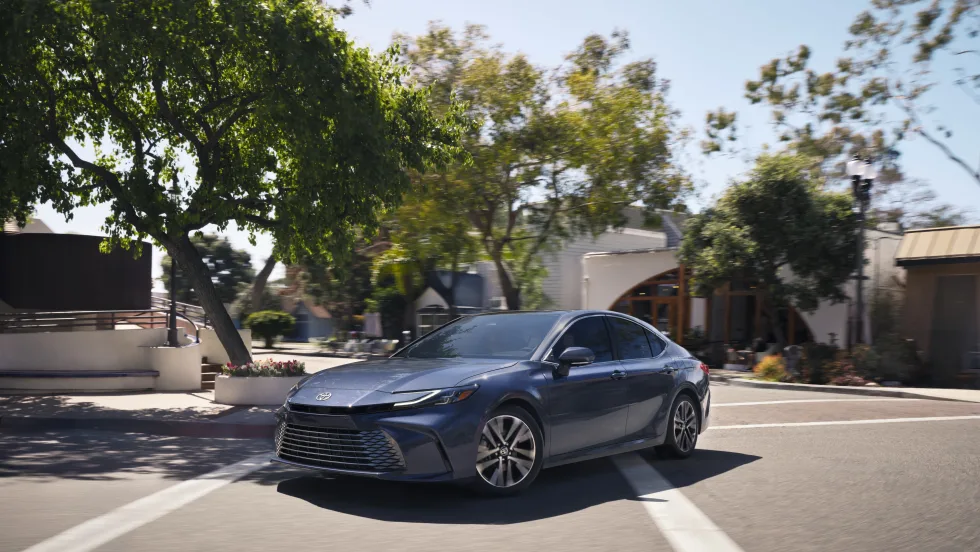
2027 Toyota Camry Offers Hybrid Powertrain Across Five Grades
The 2027 Toyota Camry is a carryover with new pricing.
Read More →
Chevrolet Updates 2027 Trax and Trailblazer with More Standard Safety Features
Chevrolet is updating two of its smallest SUVs with added driver-assistance technology, redesigned interiors, and revised trim options. The changes could add more safety equipment as standard for commercial fleets, while a new Trailblazer configuration adds another all-wheel-drive option.
Read More →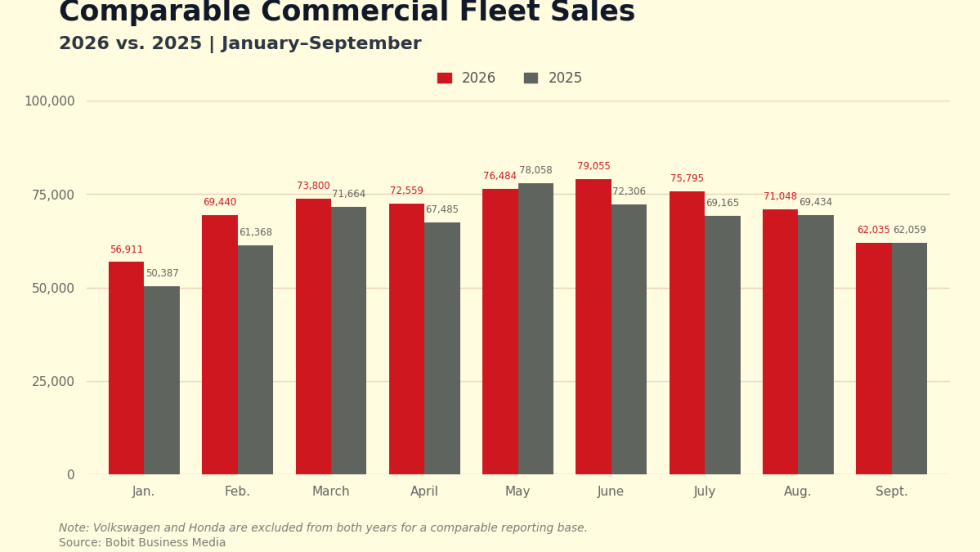
Commercial Fleet Sales Rise 5.8% Through September 2026
September commercial fleet sales were essentially unchanged from a year earlier, slowing year-to-date growth while keeping volume ahead of 2025.
Read More →
Hall of Fame Inductee: John Dmochowsky
The longtime Mondelēz International fleet executive joins the Automotive Fleet Hall of Fame.
Read More →
Hall of Fame Inductee: Lee Miller
After more than four decades at Boehringer Ingelheim, Lee Miller leaves a legacy built on fleet expertise.
Read More →
Hall of Fame Inductee: Mark F. Petersen
From managing fleets of thousands of vehicles to advancing safety and mentoring fellow professionals, Mark F. Petersen made his mark across both the corporate and supplier sides of fleet.
Read More →
When Charger Downtime Becomes a Fleet Availability Problem
As EV deployments move beyond pilot programs, charger reliability can directly affect vehicle readiness, driver productivity and route scheduling.
Read More →
2027 Nissan Rogue Hybrid Adds e-POWER, Standard AWD
The new Rogue Hybrid uses Nissan’s e-POWER system with dual electric motors, offers an estimated 40 mpg and starts at $35,490.
Read More →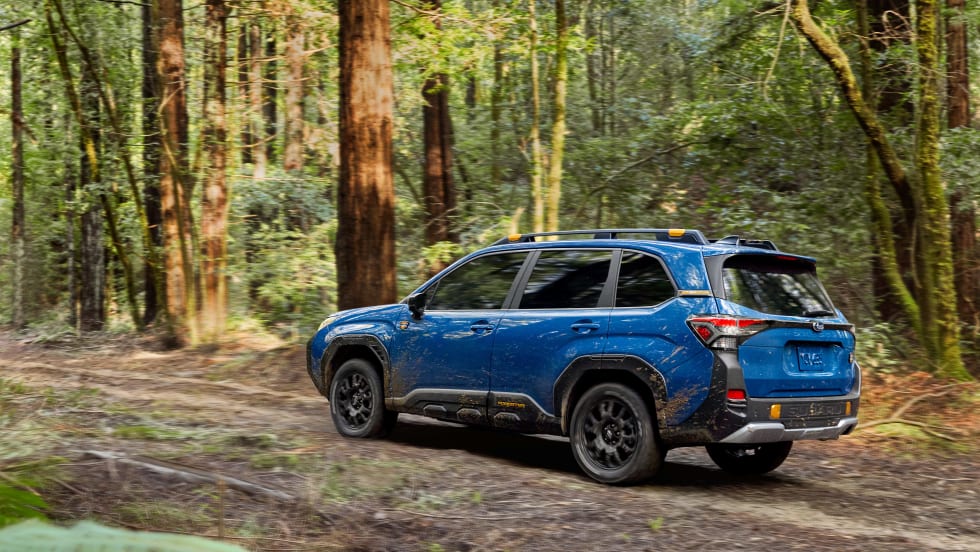
2027 Subaru Forester Adds First Wilderness Hybrid
The 2027 Forester lineup starts at $29,995 and adds a Wilderness Hybrid with 194 combined horsepower and 9.3 inches of ground clearance.
Read More →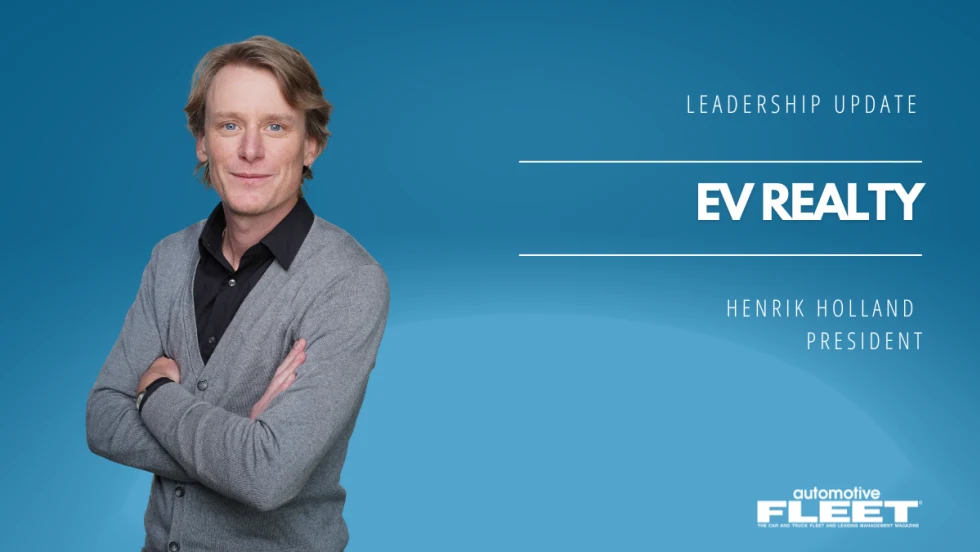
EV Realty Names Henrik Holland President as Charging Platform Expands
The former Prologis Mobility and Shell executive will help expand EV Realty’s truck charging business and move its power-first infrastructure model into autonomous vehicle depots and other fleet sectors.
Read More →