




Solving the Flexible-Lean Fleet Paradox
The lean fleets of yesterday are the fragile fleets of today. Where do we find the balance?
December 9, 2025


Standardization protects budgets — until the one vehicle you rely on becomes the bottleneck through a recall, allocation squeeze, or price hike.
Photo: Automotive Fleet
4 min to read
Hey fleet managers — when was the last time you heard, “Don’t worry, you’ll have all the resources you need. And if you don’t, just ask”?
More likely it was: “We’ve all got to do more with less. Be creative, share resources, and run lean. We’ve got this!”
Lean management was the norm for a generation, and the formula worked — until a global pandemic tested every assumption. What followed was less blip and more structural shock. And the leanest fleets turned out to be the most fragile.
Flexible systems cost more during stability but outperform during disruption. Lean systems run great in steady times but can fracture under volatility. I call it the Flexible-Lean Fleet Paradox. So how does the modern fleet master both?
After conversations on this year’s fleet circuit, several themes emerged:
Lean spec’ing leads to bottlenecks.
Standardization protects budgets — until the one vehicle you rely on becomes the bottleneck through a recall, allocation squeeze, or price spike. Upfitters echoed the same pain point: if only one body package fits the spec, a single disruption can stall the entire pipeline.
An upfitter panelist recommended building two specs: a primary standard and a secondary alternative that’s pre-approved, operationally compatible, and ready to deploy.
High utilization leaves no cushion during volatile times.
Running 95%+ utilization looks great — until it doesn’t. Fleets with no spares have no shock absorbers.
One manager shared that he stockpiles 50–65 older vehicles as insurance. “I’m building a buffer in case we can’t get some,” he said on a panel.
With the average age of commercial fleets now over 12 years — and PM compliance below 50% nationally — it’s no surprise fleets are pushing overextended assets to the breaking point.
Lean maintenance is only cheap when nothing goes wrong.
One technician or one shop works in stable times. But when backlogs build or PMs slip, downtime compounds fast.
Maintenance inflation has hovered around 8–9% annually for five years. Fleets with minimal oversight see repair times drag, costs spike, and breakdowns multiply.
Now’s the time to lock down on maintenance: integrate preventive replacements into PM schedules, enforce escalation pathways, and increase — not decrease — maintenance oversight.
Parts scarcity exposes just-in-time vulnerabilities.
Just-in-time parts management protects budgets… until backorders hit. One fleet manager watched a four-hour fix turn into 40 days of downtime when a sensor couldn’t be sourced.
Recurring shortages of NOx sensors, ADAS components, and electronics show how brittle ultra-lean strategies can be.
You don’t need a warehouse — just a strategic buffer of high-failure parts.
Lean staffing collapses under sudden shocks.
Lean staffing feels efficient on paper, but burnout, slow onboarding, and reduced visibility erode resilience. When compliance deadlines, seasonal surges, or crises hit, thin teams can’t absorb the load.
Automation helps — if it’s implemented and maintained properly. But human bandwidth remains irreplaceable for coaching, follow-up, escalation, and cross-functional coordination.
Lean (deferred) replacement cycles aren’t a strategy.
Deferring replacements hides short-term costs while building long-term liabilities: more downtime, more expensive repairs, and higher operational risk. Fleets running 12-year-old assets face inflationary repair environments and a steep rise in unscheduled failures.
Lean safety programs fail without human reinforcement.
Safety initiatives that rely solely on online training — without coaching, feedback, or accountability — consistently underperform. Blending digital tools with real human interaction remains the most effective way to reduce incidents and liability.
So What Can You Do?
Since senior leadership tends to default to cost reduction, fleet managers must proactively communicate: What can break, how it can break, what it will cost, and what support is required. Clear communication protects both the organization and the fleet manager.
Build resilience by adding redundancy where it matters:
Multiple OEMs
Multiple upfit paths
Spare assets
Buffer stock for critical parts
Multi-vendor ecosystems
Preventive maintenance discipline
Cross-functional communication loops
Safety enforcement and coaching
Executive alignment
Stay lean, but not rigid. Stay flexible, but not wasteful. I know, easier said than done. But with volatility perhaps the new normal, finding that balance — not pure leanness — will define fleet excellence going forward.
Subscribe to Our Newsletter
More Blog Posts

How to Win a Fleet Manager Award: Make Your Nomination Count
Strong fleet accomplishments can go unrecognized when the nomination doesn’t make the case. Here’s what judges need to see.
Read More →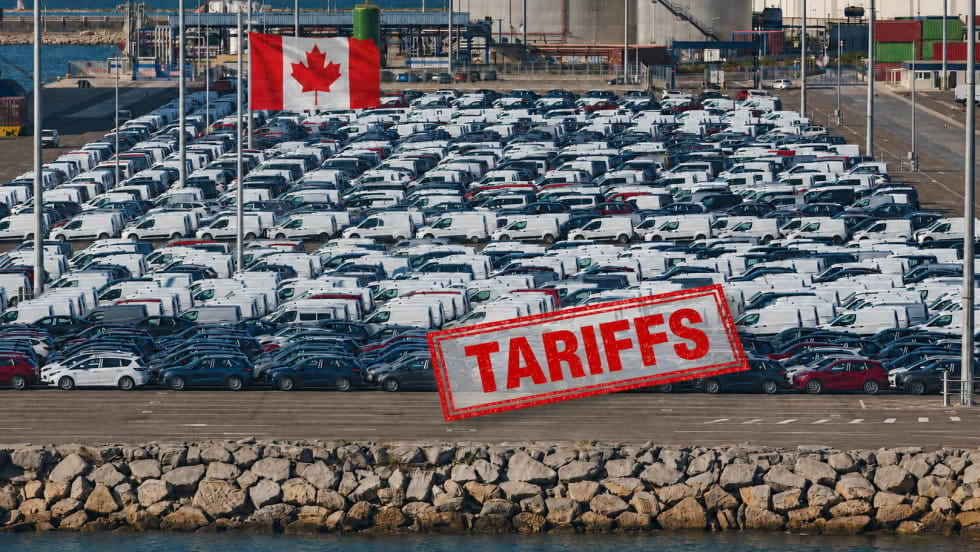
The Only Certainty with the New Tariff Threat Is Uncertainty
Trump’s Canadian tariff threat will not move production overnight, but the uncertainty could influence ordering and pricing now. Longer term, forces beyond tariffs may determine which North American plants survive.
Read More →
What Does It Mean to Embody the Spirit of Fleet?
Presented alongside Fleet Manager of the Year, Fleet Visionary, and Fleet Hall of Fame at AFLA, the new Mike Antich Spirit of Fleet Award is unique in that it recognizes service to the overall profession. Just like Mike.
Read More →
What Separates Great Fleet Managers From Everyone Else?
What do Visionary candidates with fewer than 10 years of experience have in common with Hall of Fame nominees with a lifetime under their belts?
Read More →
The Next Fleet War Won't Be Won on Specs Alone
The 2026 Stellantis Pro One Fleet Preview was less about vehicles and more about what happens after you buy them.
Read More →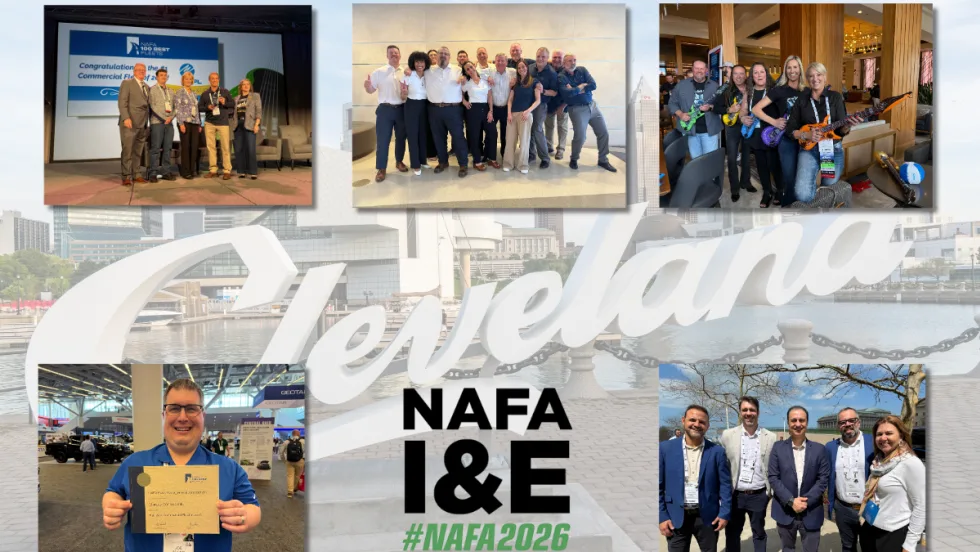
Navigating Brundlefly and Fleet AI at 2026 NAFA I&E
AI is becoming the operating layer for fleets. In Cleveland, the buzz was about harnessing AI in an increasingly complex, permanently disrupted environment.
Read More →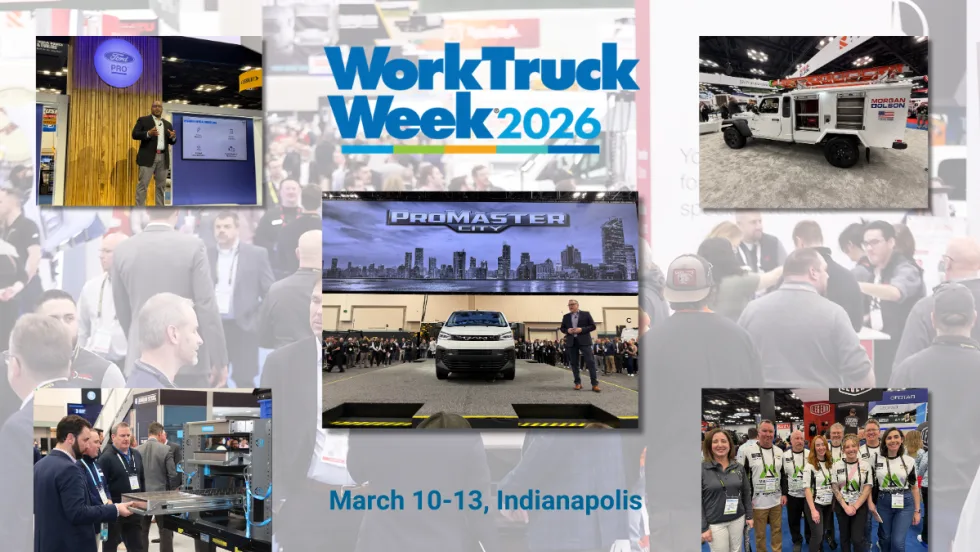
8 Trends: Work Truck Week 2026 Reveals a Fleet Industry in Reset Mode
Walking the show floor this year, the new focus was around “practical innovation” and pragmatic solutions. And oh yeah, a new small van.
Read More →
The Moment AI Became Operational
“AI isn’t assisting us anymore. It’s doing the work,” said CEO Neil Cawse at Geotab Connect 2026. What does this mean for fleet managers?
Read More →
For Mike Antich, it Was Always About the People
He stood tall in the industry in so many ways, but he measured success by the people he served.
Read More →
We’ve Been Here Before
If every generation of fleet managers thought they had the worst problems, what makes ours any different?
Read More →