





Keep Reading: Fleet Forward Tour Hits Somerset, NJ, Sept. 9: Why This Gathering Matters Now
Tariffs and Fleets: Where’s the Pain?
Suppliers are absorbing most of the costs for now. But that may not last.
September 4, 2025
Six months after tariff fears shook the auto industry, fleet managers report only minor impacts. While rental operators see tighter supply and rising prices, most commercial fleets say things remain mostly unchanged, though uncertainty still looms.
Source: Bobit
5 min to read
Remember six months ago, when the world was in dread mode over the prospect of Trump’s tariffs? It came in waves — first steel and aluminum, then aftermarket auto parts, then factory-installed parts, and finally the autos themselves.
In February, S&P Global Mobility projected that 25% tariffs could add more than $6,000 to the average price of a new vehicle. And here we are in September. Where’s the storm?
The anxiety is still there, but to a lesser degree, and it depends on who you talk to.
Tariffs: What Commercial & Corporate Fleets Are Saying
A utility fleet manager with several medium-duty utility-type trucks on order is bracing for increased costs due to raw material price hikes, but hasn’t yet realized them.
One commercial fleet manager summed up the general mood: “Head in the sand… I simply don’t know what to believe until it happens. In the meantime, business as usual.”
Wrote another vocational fleet manager: “I honestly thought I would see a significant increase by now. All have been relatively minor.”
A municipal fleet manager asked his parts department what they are hearing and seeing. His response: “Sorry, but just not a lot of chatter on tariffs causing price increases.”
Others don’t see a reason to change course, at least not yet. “Even with tariffs in place, the extent to which OEMs would pass on costs was not entirely clear,” another commercial fleet manager explained. “As a result, we’re approaching this much like other inflationary pressures by monitoring and managing costs accordingly.”
“After meeting with the OEMs this summer, it looks like the tariff impact for MY26 isn’t as bad as we expected,” one corporate fleet manager explained. “A couple of automakers are passing along higher costs, but most are holding steady. Some are even getting more aggressive with incentives to win business.”
That stability may not last, however. “Tariff policies feel like a moving target, and we’re all a little weary of trying to keep up,” she added. “For 2026, things look flat year-over-year, but after that, it’s anybody’s guess.”
Tariffs & the Car Rental Market
With a more frequent fleet churn, car rental operators report more immediate effects.
Smaller operators saw available MY2025 inventory snapped up by larger buyers, creating scarcity and immediate price hikes. One franchisee noticed a Nissan Sentra S's price jumping from under $19,500 to over $22,000.
In response, many operators have extended vehicle cycles to ride out uncertainty. This delayed equity recovery but was partially cushioned by stronger resale values, he said.
An Unexpected Tariff Consequence
One corporate fleet manager pointed out a potential HR ripple effect from tariffs: if certain trim levels become unavailable, fleets may be forced to purchase higher trim levels to meet basic needs.
That could blur the established hierarchy where managers receive upgraded trims, creating internal equity issues and potentially requiring policy changes or new selectors.
Why Haven’t Tariffs Hit Fleets Harder?
If fleets haven’t yet felt the sting, suppliers and automakers are bearing the cost burden while fleets and consumers continue to work through available supply. And orders placed before tariffs took effect were price-protected.
In an Aug. 5 note, Cox Automotive’s Erin Keating wrote that automakers had already absorbed $25 billion in tariff obligations through July 2025, to the tune of roughly $2,500 per vehicle in hidden costs.
GM and Ford disclosed billions in tariff impacts in their Q2 earnings, though they held transaction prices steady. Cox still expects retail prices to climb by 4–8% by year-end.
Esteban Contreras of Fleetio cited data from the Center for Automotive Research, which indicates that a 25% tariff on imported auto parts and vehicles could cost the U.S. auto industry an additional $107.7 billion annually, or approximately 33% of the estimated 2024 revenues for U.S. automakers.
Portending Things to Come?
Other industries are feeling the cost increases more acutely now, such as the construction sector, which is experiencing higher prices for aluminum, steel, and copper.
Ken Simonson, chief economist for the Associated General Contractors of America, noted that “domestic producers are raising prices in line with the protection tariffs are providing them.”
The July producer price index for construction inputs jumped to its highest in two and a half years.
Another Question Mark
In Washington, the rollercoaster continues, with the latest news that an appeals court ruled most Trump-era tariffs unlawful, but delayed implementation to give the White House time for Supreme Court review.
So uncertainty lingers. “It’s confusing to understand and keep up,” said one fleet manager. “I’ll be glad when the pendulum swings.”
That uncertainty only adds to the volatility in how and when fleets might see an impact.
Communication is Key
For now, tariffs remain more noise than crisis for fleets. But now that the pain to suppliers has become real, it’s only a matter of time before the pain trickles down.
What can fleets do in the meantime?
"The best advice I can offer fleet operators is to have a comprehensive understanding of your existing supply chain and determine your potential exposure to tariffs and other economic factors," said Ed Powell, director of consulting services at Holman.
From there, communication is key: Powell recommends that fleets engage their suppliers to understand what they are doing to improve the cost structure within their existing supply chain, and the steps they’re taking to mitigate the impact of tariffs for their customers.
Fleet managers should also remain flexible and ready to adjust their own practices as needed. "This could be as simple as approving the use of an alternative part or as complex as changing your preferred OEM or upfit partner," he said.
Subscribe to Our Newsletter
More Blog Posts

How to Win a Fleet Manager Award: Make Your Nomination Count
Strong fleet accomplishments can go unrecognized when the nomination doesn’t make the case. Here’s what judges need to see.
Read More →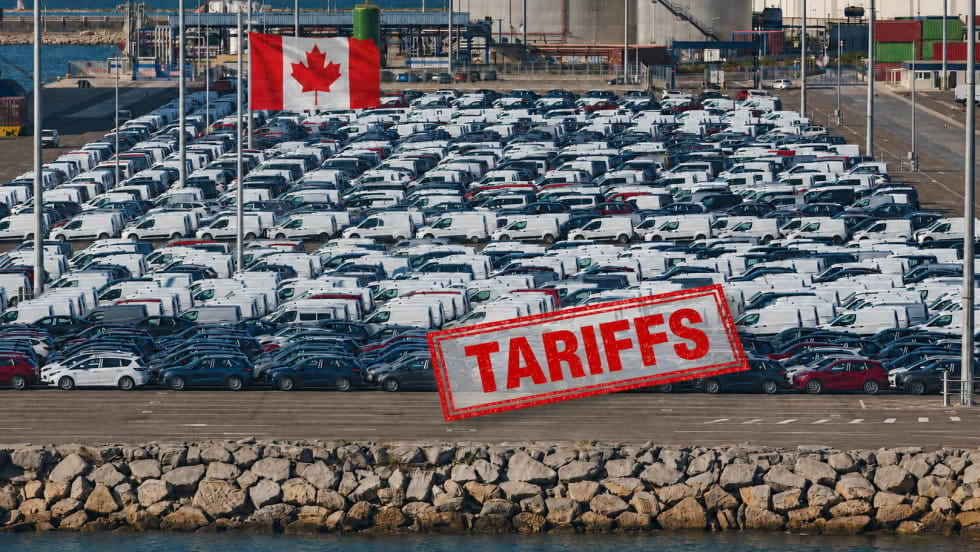
The Only Certainty with the New Tariff Threat Is Uncertainty
Trump’s Canadian tariff threat will not move production overnight, but the uncertainty could influence ordering and pricing now. Longer term, forces beyond tariffs may determine which North American plants survive.
Read More →
What Does It Mean to Embody the Spirit of Fleet?
Presented alongside Fleet Manager of the Year, Fleet Visionary, and Fleet Hall of Fame at AFLA, the new Mike Antich Spirit of Fleet Award is unique in that it recognizes service to the overall profession. Just like Mike.
Read More →
What Separates Great Fleet Managers From Everyone Else?
What do Visionary candidates with fewer than 10 years of experience have in common with Hall of Fame nominees with a lifetime under their belts?
Read More →
The Next Fleet War Won't Be Won on Specs Alone
The 2026 Stellantis Pro One Fleet Preview was less about vehicles and more about what happens after you buy them.
Read More →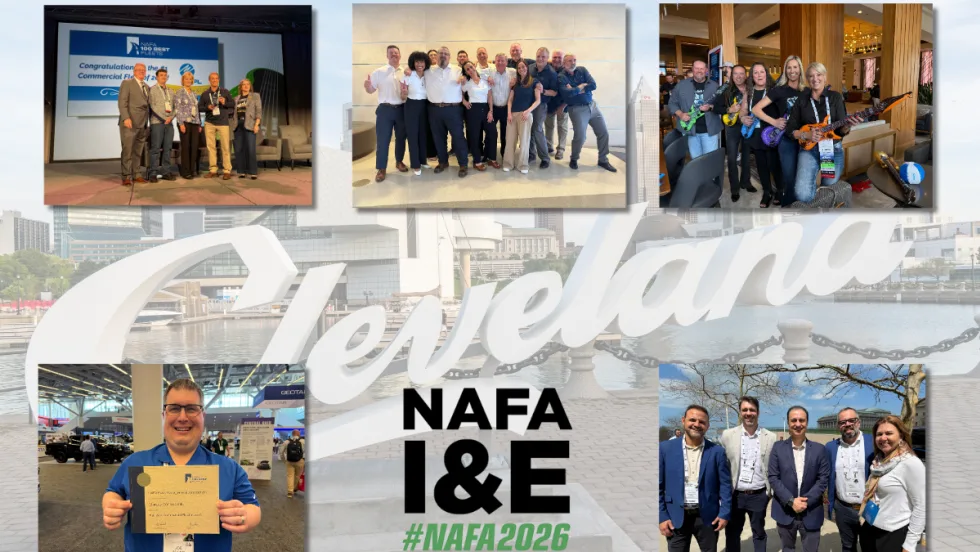
Navigating Brundlefly and Fleet AI at 2026 NAFA I&E
AI is becoming the operating layer for fleets. In Cleveland, the buzz was about harnessing AI in an increasingly complex, permanently disrupted environment.
Read More →
8 Trends: Work Truck Week 2026 Reveals a Fleet Industry in Reset Mode
Walking the show floor this year, the new focus was around “practical innovation” and pragmatic solutions. And oh yeah, a new small van.
Read More →
The Moment AI Became Operational
“AI isn’t assisting us anymore. It’s doing the work,” said CEO Neil Cawse at Geotab Connect 2026. What does this mean for fleet managers?
Read More →
For Mike Antich, it Was Always About the People
He stood tall in the industry in so many ways, but he measured success by the people he served.
Read More →
Solving the Flexible-Lean Fleet Paradox
The lean fleets of yesterday are the fragile fleets of today. Where do we find the balance?
Read More →