




We’ve Been Here Before
If every generation of fleet managers thought they had the worst problems, what makes ours any different?

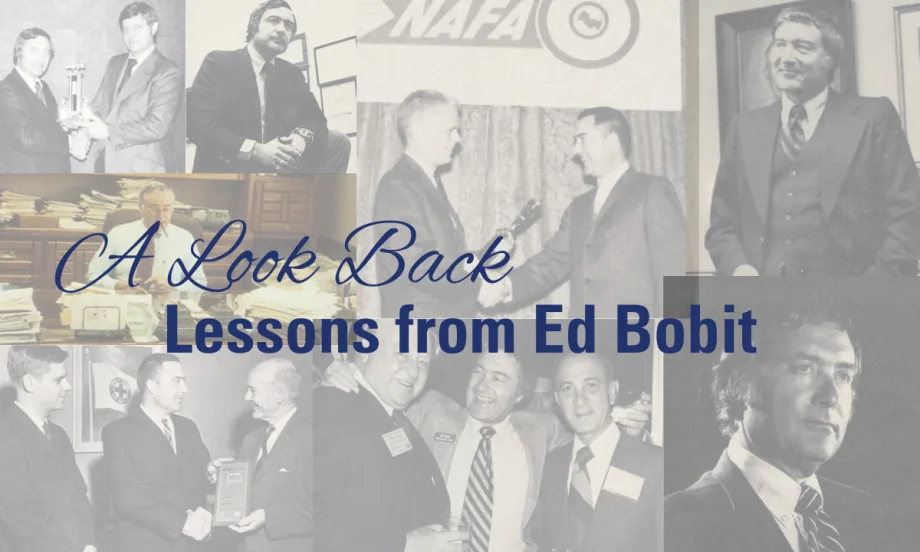
Reading Ed Bobit’s early editorials, I realized every generation thinks its challenges are brand new — but they’re really just part of the same story of adapting and moving forward.
Image: Automotive Fleet
“After January 1, no one may drive wagons through Rome’s streets after sunrise or before the tenth hour, except for hauling materials for temples, public works, or removing debris by special permission.” — Lex Iulia Municipalis (45 BCE)
I’m feeling nostalgic these days, not for the fleet problems of Roman times, but for the wisdom of Ed Bobit, our company’s founder. He always opened his Publisher’s Page with a quote to illustrate his point. I’ve been revisiting those editorials to see what challenges the fleet world faced then, and how “The Coach” would tackle them, looking for lessons that still fit today’s turbulent times.
My research took me back to the early days of Bobit Publishing, from its founding in 1961 through 1990. With the separation of time, it’s easy to call that period “the good old days,” but you wouldn’t know it from reading Coach’s columns.
The industry’s most pressing issues flowed through his typewriter: gas shortages and rationing, vehicle scarcities and long order-to-delivery times, downsizing from V-8s to four cylinders almost overnight, new emissions standards and faulty tech to meet them, seat-belt mandates, double-digit inflation that pushed operating costs through the roof, and ever-changing tax and depreciation rules.
In the 1960s and early ’70s, fleet managers were still fighting for professional recognition and were often viewed as playing a minor role in the corporate hierarchy. Communication was via memo or phone, recordkeeping on index cards, and maintenance logs on paper.
Wrote one fleet manager to Ed: “Do [fleet managers] operate out of a cubicle with no hired help? … give the boss’s wife’s car a wash … code this month’s rental bill … update the fleet manual? … The nights aren’t long enough.”
Ed went on to explain the difference between fleet administration and fleet management — the latter was not as appreciated as it should have been (or is).
A sense of family and folksiness permeated those early editorials, particularly when he allowed his daughter, Barbara, to pinch-hit for him. “The professional fleet men are already doing what can be done to cope with the fuel shortage… now let’s all hope Pop doesn’t start hoarding gin instead of gas,” wrote Barbara in 1977. (Seriously.)
The 1980s saw the evolution of lessor to fleet management company, and Coach was there to defend the role of fleet managers as outsourcing began. “… it is high time that we elevate today's fleet administrator to an integral part of the corporation as a manager,” he wrote in 1983.
The rise of the spreadsheet and fleet software created new expectations around KPIs, long before the term became an acronym. Coach was advocating for better data — and better data analysis — when telematics was still a military application.
By the late ’80s, business life was changing, from typewriters to PCs, the rise of fax and modems, and the dawn of the digital age. In a 1990 column, Coach described internal debates about replacing receptionists with voicemail. He fought it “like a true Spartan defensive football player.” (Michigan State was his alma mater.)
Coach often stressed that the fleet world is always in flux, with mergers, regulations, and new technologies. “The condition of the industry is anything but static,” he wrote in 1990. “The fleet market could be equated to Barbarians at the Gate… with a flurry of significant changes affecting us all at an accelerated rate.”
Coach wrote about how veteran fleet managers were being laid off amidst cost-cutting, and that newer associates were entering hybrid roles without mentors.
Does it all sound familiar?
Whether in Roman times, the 1970s, or today, each era has grappled with modernization and automation, maintaining human connection, and balancing increasing workloads. But back then, problem-solving was analog. They did it without the Internet, emails, telematics, predictive analytics, and AI.
What did Coach teach us?
Panic never solves anything.
What feels like chaos now will one day look routine. He faced five decades of the “worst problem ever,” and somehow, we’re still here.
Progress comes with friction.
It’s easy to think that today’s problems — managing cell phone distractions, sustainability pressures, privacy, and data overload — are unique. But viewed through Coach’s lens, they’re just the next chapter in a long, unbroken chronicle of the need to adapt.
People matter most.
Mentorships matter. Participate in associations. Technology will improve processes, but it should never replace human connection.
“Publishing is a very personalized business,” he wrote when fighting the introduction of voicemail. “We value each and every account.” That was true of publishing — and it’s just as true of fleet management. “The corporate fleet cannot operate efficiently without a professional fleet manager,” he reminded readers in 1988.
Indeed, he always had the fleet manager’s interests at heart.
More Blog Posts

How to Win a Fleet Manager Award: Make Your Nomination Count
Strong fleet accomplishments can go unrecognized when the nomination doesn’t make the case. Here’s what judges need to see.
Read More →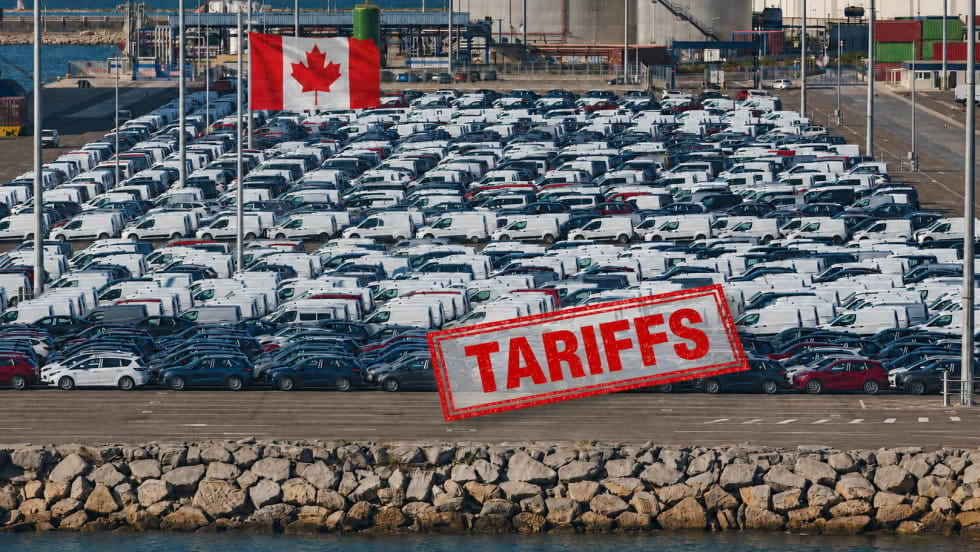
The Only Certainty with the New Tariff Threat Is Uncertainty
Trump’s Canadian tariff threat will not move production overnight, but the uncertainty could influence ordering and pricing now. Longer term, forces beyond tariffs may determine which North American plants survive.
Read More →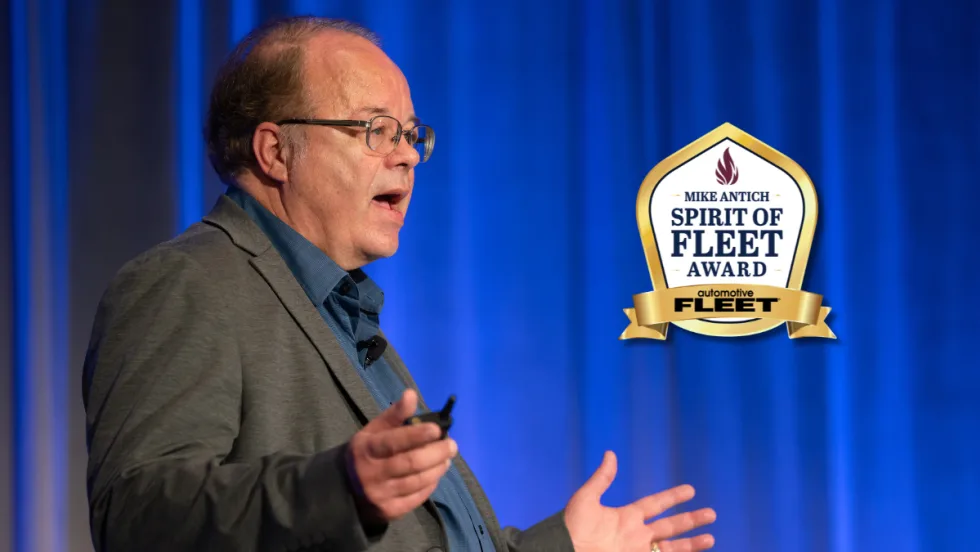
What Does It Mean to Embody the Spirit of Fleet?
Presented alongside Fleet Manager of the Year, Fleet Visionary, and Fleet Hall of Fame at AFLA, the new Mike Antich Spirit of Fleet Award is unique in that it recognizes service to the overall profession. Just like Mike.
Read More →
What Separates Great Fleet Managers From Everyone Else?
What do Visionary candidates with fewer than 10 years of experience have in common with Hall of Fame nominees with a lifetime under their belts?
Read More →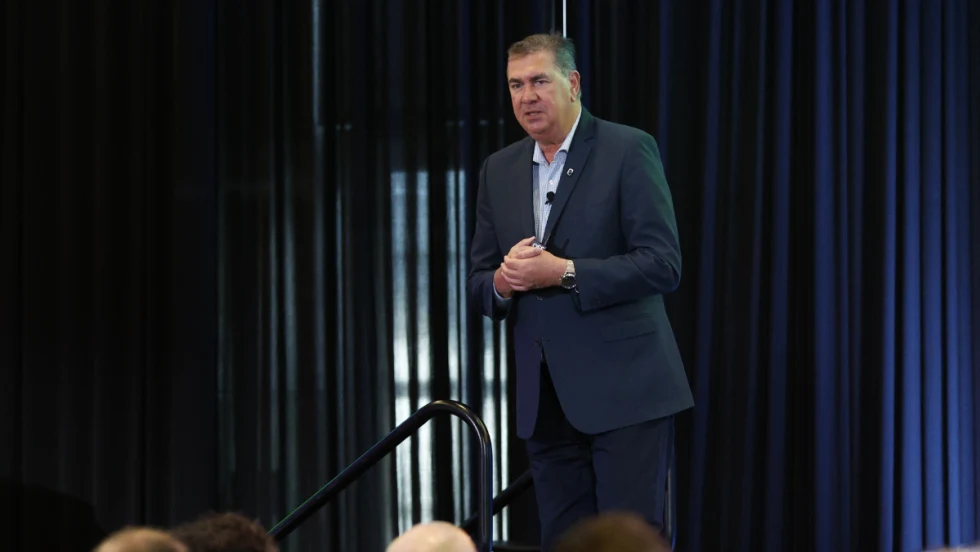
The Next Fleet War Won't Be Won on Specs Alone
The 2026 Stellantis Pro One Fleet Preview was less about vehicles and more about what happens after you buy them.
Read More →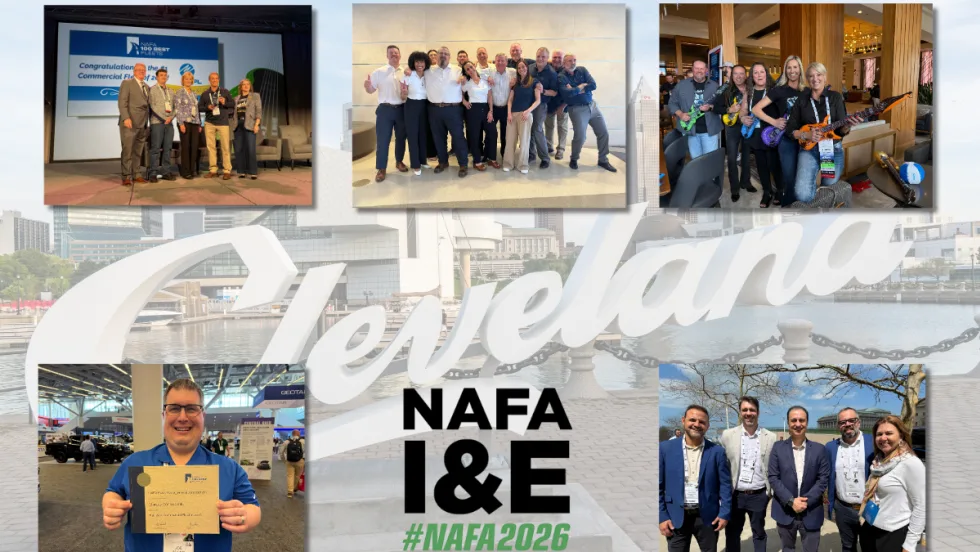
Navigating Brundlefly and Fleet AI at 2026 NAFA I&E
AI is becoming the operating layer for fleets. In Cleveland, the buzz was about harnessing AI in an increasingly complex, permanently disrupted environment.
Read More →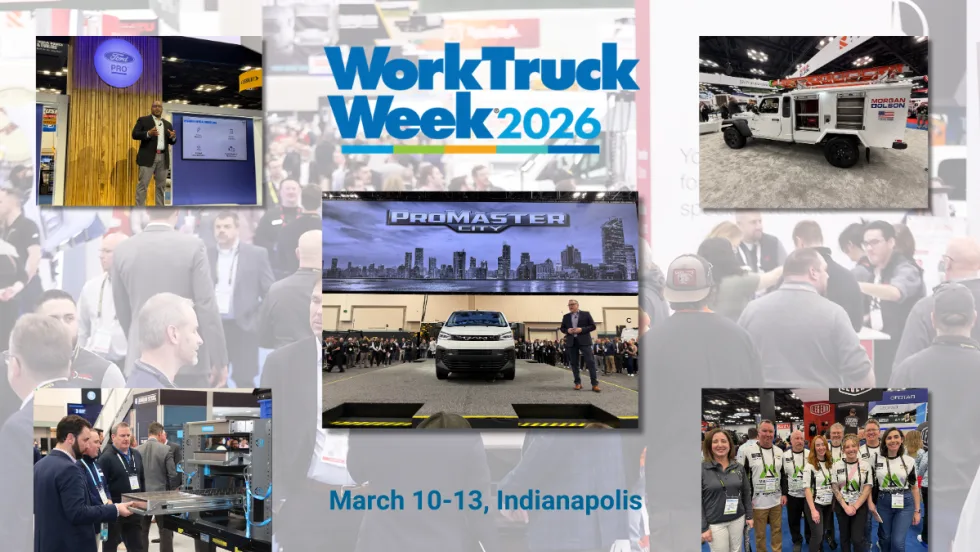
8 Trends: Work Truck Week 2026 Reveals a Fleet Industry in Reset Mode
Walking the show floor this year, the new focus was around “practical innovation” and pragmatic solutions. And oh yeah, a new small van.
Read More →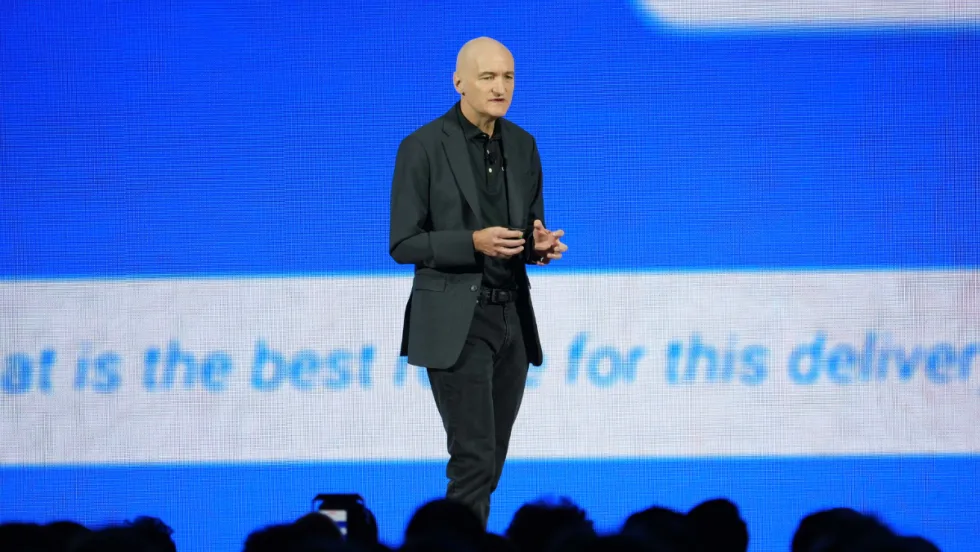
The Moment AI Became Operational
“AI isn’t assisting us anymore. It’s doing the work,” said CEO Neil Cawse at Geotab Connect 2026. What does this mean for fleet managers?
Read More →
For Mike Antich, it Was Always About the People
He stood tall in the industry in so many ways, but he measured success by the people he served.
Read More →
Solving the Flexible-Lean Fleet Paradox
The lean fleets of yesterday are the fragile fleets of today. Where do we find the balance?
Read More →