





More Blog Content: We’ve Been Here Before
The 250-Year-Old Fleet Manager: Quartermasters & Wagon Masters of the American Revolution
“Fleet manager” wasn’t a title then, but Quartermasters and Wagon Masters lived the job on the road to independence.
November 19, 2025
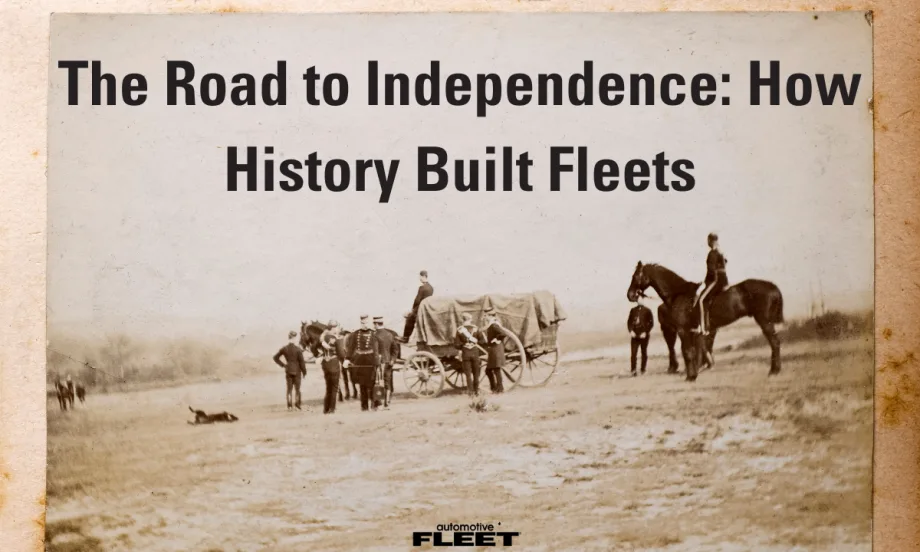
As the nation marks 250 years, we honor the Revolutionary-era Quartermasters and Wagon Masters whose work laid the foundation for today’s fleet professionals.
Image: Automotive Fleet
3 min to read
In 2026, the United States celebrates its 250th birthday, and at BBM, we will share our reflections throughout the year. As I have advocated and written about for years, the future of fleet is at the business strategy table. Without including fleet professionals, there is a disconnection between the boardroom and the street.250 years ago, the title "fleet manager" wasn’t used, but the role and struggles of Quartermasters and Wagon Masters were the same.
When we picture the American Revolution, we think of heroic generals, brave soldiers, and daring skirmishes. But behind every victory, there were people whose names rarely made the history books: the Quartermasters and Wagon Masters were the logistical pioneers who kept Washington’s army fed, clothed, armed, and moving.
In June 1775, just weeks after taking command of the fledgling Continental Army, General George Washington and the Continental Congress recognized a critical reality: no army could fight without organization. They established the role of Quartermaster General to bring order to the chaos of supply and transport.
Washington appointed Major Thomas Mifflin as the first Quartermaster General. Mifflin inherited a nearly impossible task: creating a functional supply chain for an army with no steady funding, limited staffing, and no established routes. Despite criticism and accusations of corruption he never entirely escaped, Mifflin laid the groundwork for the system that would sustain the army.
By 1778, after the devastating winter at Valley Forge revealed deep logistical failures, Nathanael Greene took over the post. Greene brought innovation, establishing regional depots and reliable routes that ultimately allowed Washington to outmaneuver British forces. Greene’s work modernized the position, elevating logistics from a clerical function to a strategic asset.
While the Quartermasters planned, it was the Wagon Masters who executed the plan by managing fleets of wagons and teams of horses or oxen and supervised civilian Teamsters. They were, in every sense, the fleet managers of their time.
The day-to-day reality for a Wagon Master was grueling. Pre-dawn starts, long hours on dangerous roads, and constant pressure from senior officers made the job thankless. But without them, Washington’s “ragtag” army would have been immobilized.
The relationship with senior leaders was complex. Washington and Greene understood the importance of logistics, often defending Quartermasters and Wagon Masters against political criticism. Washington himself wrote that “without supplies, we cannot act; without wagons, we cannot move.”
When shortages struck, it was often the Quartermaster Corps that took the blame, regardless of whether the real problem was chronic underfunding or political infighting.
If any of the above rings true to you, you are definitely part of the fleet community. Not only were the daily struggles similar to those of the fleet community today, but they also included recruiting younger generations to become Wagon Masters. Nathanael Greene stressed in one of his letters that the business of enlisting Wagon Masters must be pursued persistently and with urgency.
In 2026, let’s work together, continue to embrace the community, and inspire applicants for the opportunities that exist in fleet.
Wagon Masters Wanted!
Subscribe to Our Newsletter
More Blog Posts

AI Is the Trojan Horse
The greatest risk of AI isn't what it knows. It's what we stop doing ourselves.
Read More →
Is This Theft Disguised as Training?
If AI is still “training,” why is it already publishing, summarizing, and profiting from the work of creators? In this provocative Insight Lane column, Colin Sutherland challenges the industry’s most convenient narrative—and asks a simple question: when does training become extraction, and why is credit still optional?
Read More →
How China Quietly Reduced Its Dependence on Oil (And What Fleets Should Learn)
China didn’t just bet on EVs. It used them to cut oil dependence at scale. Here’s what that strategy reveals and why smart fleets should be paying attention.
Read More →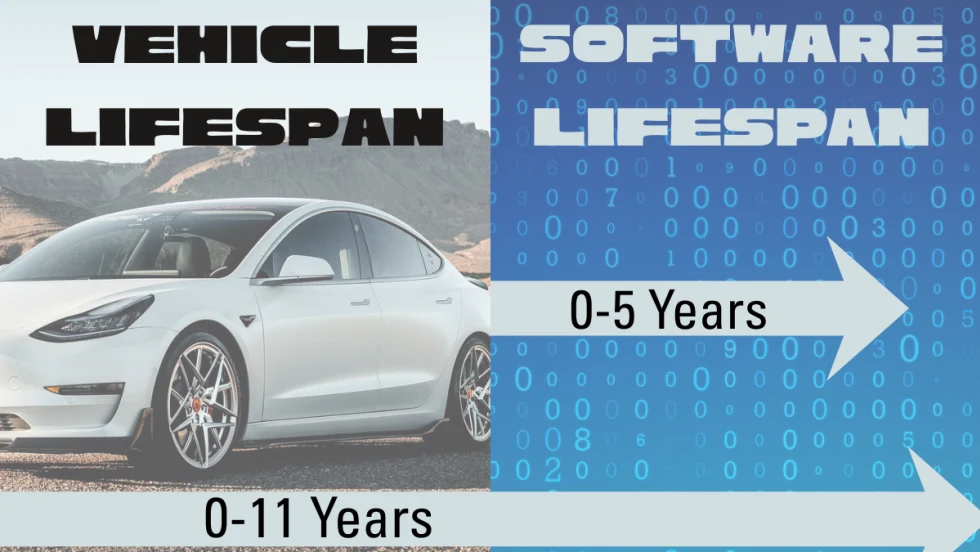
When Cars Stop Updating but Don’t Stop Driving
When the US’s largest EV manufacturer discontinues a model, it gives me pause to consider the software that drives it.
Read More →
The Cart is Pulling the Horse
Here's why software features shouldn’t be allowed to dictate your business goals.
Read More →
The Story of 2025: Outsourcing Accountability
The fleet world has been transformed by technology, so a choice must be made: how do we discern when to use AI and when not to?
Read More →
The New Reality of Disaster Preparedness
When disaster strikes, every second matters. From must-have Grab & Go essentials to lessons the fleet community is sharing right now, this piece explores what real preparedness looks like and why waiting until the last minute is no longer an option.
Read More →