





More from Toyota: The All-New 2026 Toyota RAV4 Has Arrived
Toyota Announces 2026 Highlander with Standard AWD on Gas Models
Toyota updates the 2026 Highlander with standard AWD on gas models, new hybrid features, and a simplified trim structure. The three-row SUV offers enhanced efficiency, towing capability, and tech across gas and hybrid variants.
September 12, 2025
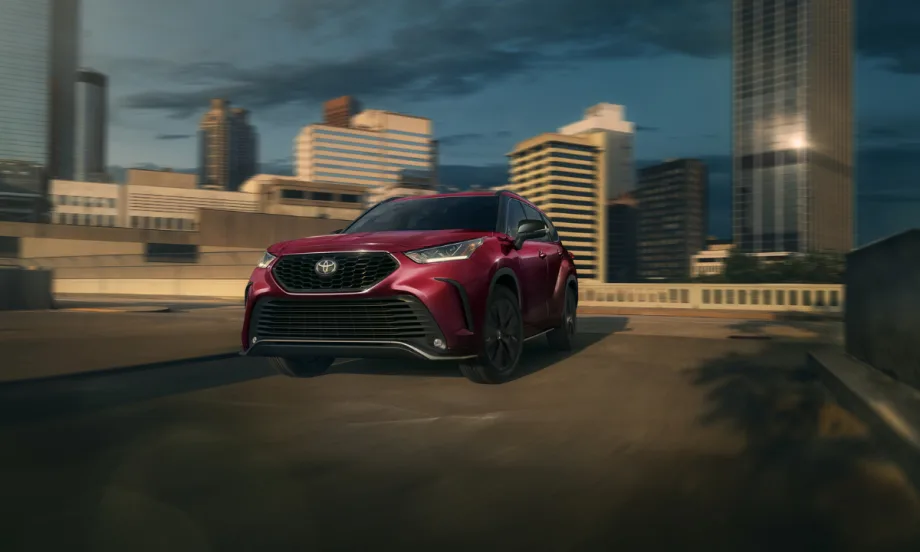
The Highlander Gas Model XSE is equipped with a 2.4L turbocharged engine, Dynamic Torque Vectoring AWD, and Multi-Terrain Select for enhanced traction in varying road conditions.
Photo: Toyota
2 min to read
Toyota has announced updates to the 2026 Highlander, which will arrive at U.S. dealerships in November. All gas versions of the three-row SUV will come standard with all-wheel drive. The lineup includes four gas grades (XLE, XSE, Limited, Platinum) and three hybrid grades (XLE, Limited, Platinum).
The Highlander, built in Princeton, Indiana, carries a manufacturer-estimated 24 mpg combined for gas models and 35 mpg combined for hybrid models. Seating configurations allow for seven with second-row captain’s chairs or eight with a bench, and cargo capacity reaches 84.3 cu.-ft. with the second and third rows folded.
Interior features vary by grade and include SofTex- or leather-trimmed seating, three-zone climate control, and touchscreens sized 8 inches standard or 12.3 inches optional. Higher trims offer wireless charging, second-row sunshades, and an 11-speaker JBL audio system. Exterior colors include Midnight Black Metallic and Blueprint, with Heavy Metal, Ruby Flare Pearl, and Wind Chill Pearl available at extra cost.
Hybrid Models
The Highlander Hybrid pairs a 2.5L four-cylinder engine with two motor-generators for 243 net hp and 3,500 lbs. of towing capacity. The battery is mounted under the second row to preserve interior space, and all hybrid trims feature Toyota’s Electronic On-Demand AWD system. Selectable drive modes include Normal, Eco, Sport, and EV. Limited and Platinum grades add Predictive Efficient Drive, which analyzes driving patterns to optimize battery usage.
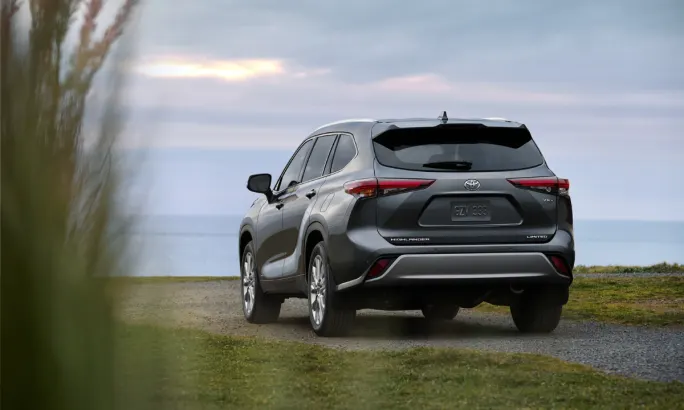
The three-row SUV features standard Electronic On-Demand AWD, seating for seven or eight, and an available 12.3-inch touchscreen.
Photo: Toyota
Gas Models
Gas-powered Highlanders use a 2.4L turbocharged four-cylinder engine producing 265 hp and 310 lb.-ft. of torque, paired with an 8-speed automatic transmission. Towing capacity is 5,000 lbs. AWD systems vary by trim: XLE has mechanical AWD, while XSE, Limited, and Platinum use Dynamic Torque Vectoring AWD. Drive modes include Eco, Normal, Sport, and Snow, with Multi-Terrain Select offering Mud & Sand or Rock & Dirt options.
Safety and Technology
All grades come with Toyota Safety Sense 2.5+, which includes:
Pre-collision system with pedestrian detection
Lane departure alert with steering assist
Lane tracing assist
Road sign assist
Adaptive cruise control
Blind spot monitoring with rear cross-traffic alert
Hybrid models also feature Vehicle Dynamics Integrated Management, which coordinates steering, braking, and stability control for improved traction.
Pricing and Availability
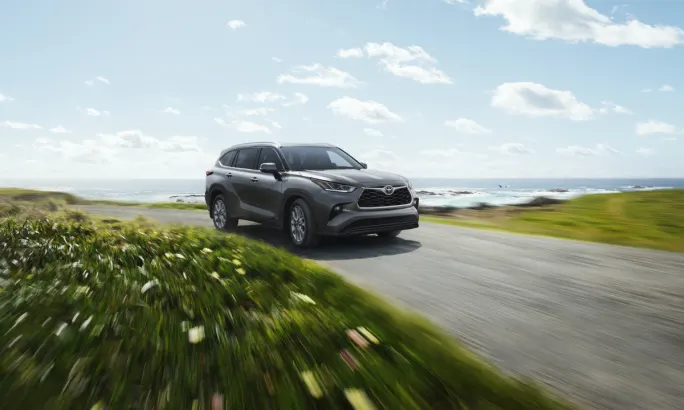
The SUV features available 20-inch wheels, LED projector headlights with Adaptive Front-Lighting System, and a Panoramic Glass Moonroof with power tilt/slide function.
Photo: Toyota
The 2026 Highlander will begin arriving at dealerships in November. Manufacturer’s Suggested Retail Pricing starts at $45,270 for the gas XLE and $47,020 for the hybrid XLE, excluding delivery and handling.
Warranty and Maintenance
Toyota’s warranty coverage includes:
36-month/36,000-mile basic warranty
60-month/60,000-mile powertrain warranty
Hybrid system: 8-year/100,000-mile coverage
Hybrid battery: 10-year/150,000-mile coverage
ToyotaCare: 2 years/25,000 miles of scheduled maintenance and 2 years of roadside assistance
More Vehicle Research
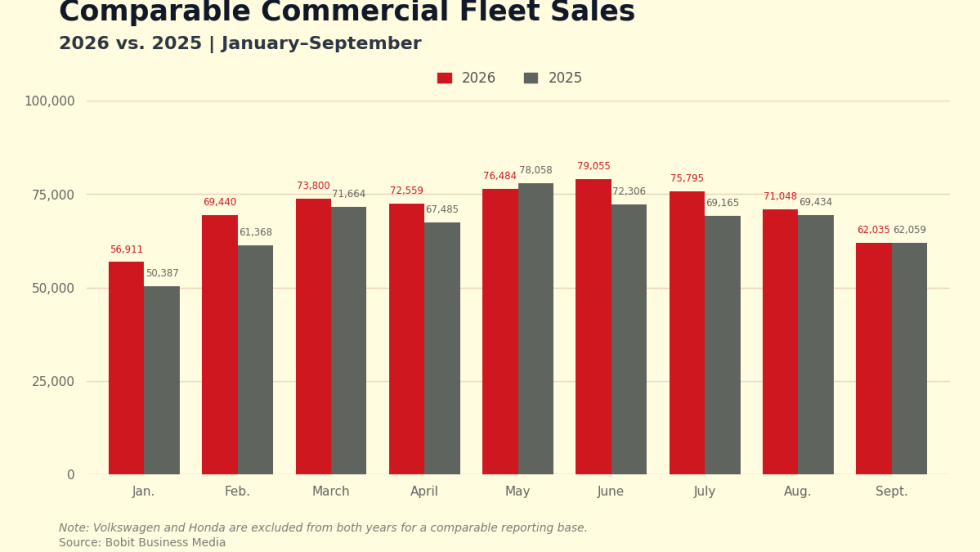
Commercial Fleet Sales Rise 5.8% Through September 2026
September commercial fleet sales were essentially unchanged from a year earlier, slowing year-to-date growth while keeping volume ahead of 2025.
Read More →
Hall of Fame Inductee: John Dmochowsky
The longtime Mondelēz International fleet executive joins the Automotive Fleet Hall of Fame.
Read More →
Hall of Fame Inductee: Lee Miller
After more than four decades at Boehringer Ingelheim, Lee Miller leaves a legacy built on fleet expertise.
Read More →
Hall of Fame Inductee: Mark F. Petersen
From managing fleets of thousands of vehicles to advancing safety and mentoring fellow professionals, Mark F. Petersen made his mark across both the corporate and supplier sides of fleet.
Read More →
When Charger Downtime Becomes a Fleet Availability Problem
As EV deployments move beyond pilot programs, charger reliability can directly affect vehicle readiness, driver productivity and route scheduling.
Read More →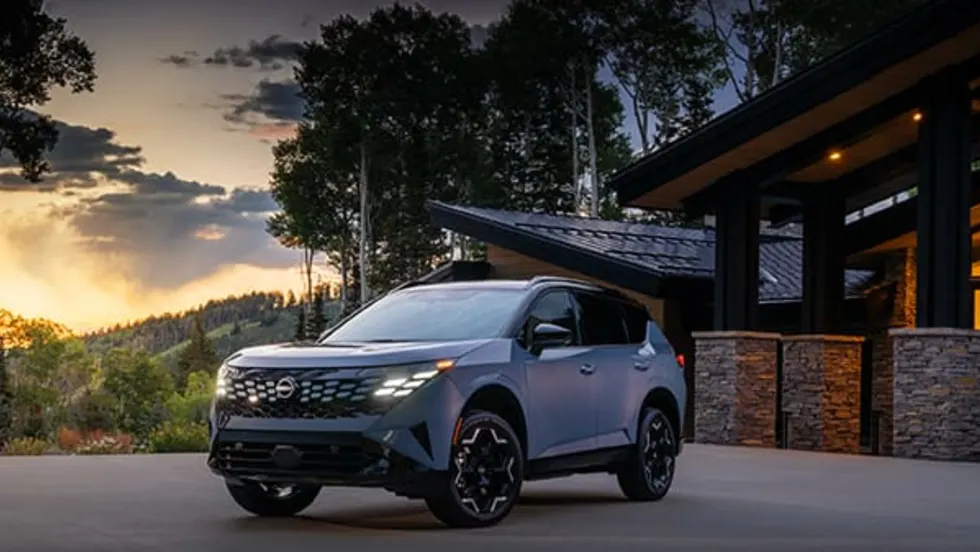
2027 Nissan Rogue Hybrid Adds e-POWER, Standard AWD
The new Rogue Hybrid uses Nissan’s e-POWER system with dual electric motors, offers an estimated 40 mpg and starts at $35,490.
Read More →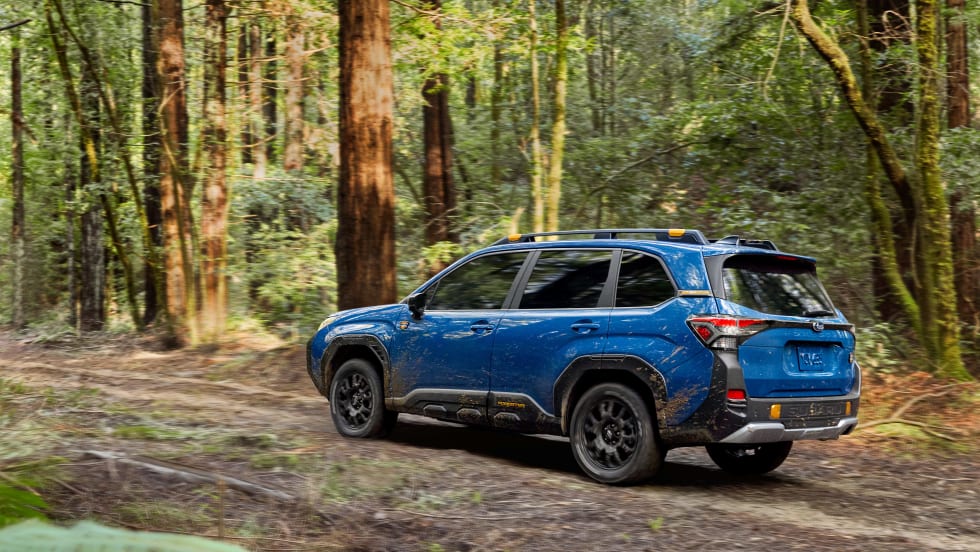
2027 Subaru Forester Adds First Wilderness Hybrid
The 2027 Forester lineup starts at $29,995 and adds a Wilderness Hybrid with 194 combined horsepower and 9.3 inches of ground clearance.
Read More →
EV Realty Names Henrik Holland President as Charging Platform Expands
The former Prologis Mobility and Shell executive will help expand EV Realty’s truck charging business and move its power-first infrastructure model into autonomous vehicle depots and other fleet sectors.
Read More →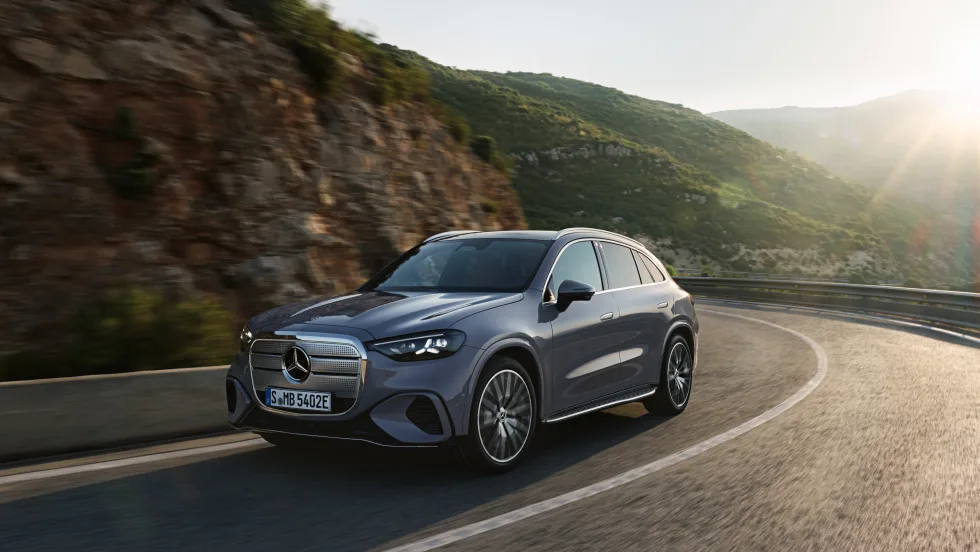
Mercedes-Benz Introduces Electric GLC With Up to 350 Miles of Range
The GLC 400 4MATIC Electric features an 800-volt architecture, 330-kW DC fast charging and a 94-kWh battery, along with Mercedes-Benz's new MB.OS operating system.
Read More →
Fleet Has a Talent Pipeline Problem, not a Talent Problem
Where will the next generation of fleet leaders come from, and what does the industry need to do differently to find them?
Read More →