




2023 Toyota Highlander Introduces New Turbocharged Engine
The 2023 Toyota Highlander comes with several updates to both its gas and hybrid models, including a new turbocharged engine, improved driver performance, and safety features.


The 2023 Highlander includes available upgrades including a new high-efficiency turbo gas engine, larger dual 12.3-inch screens, power-folding mirrors, a hands-free power liftgate, and an improved wireless charger location.
Photo: Toyota
Toyota announced updates for hybrid and gas models of its 2023 midsize SUV, the Toyota Highlander.
For 2023, the Highlander gas models receive a higher-torque, high-efficiency turbocharged engine. The 265-horsepower, 2.4L turbocharged four-cylinder, which uses balance shafts for smooth performance, delivers 309 lb-ft of torque. This is a 17% increase over the previous 3.5L V6 engine’s 263 lb-ft.
The fuel efficiency remains the same as the V6 for this higher-torque engine with a manufacturer-estimated 24 MPG combined. The new engine, standard across all gas grades, offers about a 50% reduction in NOx and NMOG as well as an improvement in CO2 emissions compared to the outgoing V6 engine.
The Highlander turbo models are equipped to tow up to 5,000-pounds and include Trailer Sway Control (TSC), which uses the Vehicle Stability Control (VSC) to help control unwanted trailer movement. To help reduce fuel consumption and emissions, the standard stop and start engine system allows the engine to shut off when the vehicle comes to a complete stop and instantly restarts when the driver’s foot lifts from the brake pedal.
The 2023 Highlander turbo models offer a choice of FWD or two different available AWD systems. For the Highlander Gas L, LE, and XLE models, optional AWD system.
The Highlander Hybrid, with its 36 combined MPG manufacturer estimated rating, accounts for more than a quarter of Highlander sales in the U.S. Offered in both FWD and AWD, the hybrid combines a high-efficiency 2.5L DOHC four-cylinder engine with two electric motor-generators. The gas engine employs Variable Valve Timing-intelligent system by Electric motor (VVT-iE) on the intake camshaft, and VVT-i on the exhaust camshaft. A variable cooling system (electric water pump, electric thermostat) and a fully variable oil pump help to further enhance engine efficiency.
All Highlander models, in addition to hybrid, include the following features for optimal on-road and off-road performance and safety:
Hill Start Assist Control (HAC)
Trailer Sway Control (TSC)
Downhill Assist Control (DAC) (available on gas turbo AWD only)
The Highlander is a repeat IIHS TOP SAFETY PICK+ recipient, acknowledging the standard Toyota Safety Sense 2.5+ system that includes:
Pre-Collision System with Pedestrian Detection (PCS w/ PD)
Full-Speed Range Dynamic Radar Cruise Control (DRCC)
Lane Departure Alert with Steering Assist (LDA w/ SA)
Lane Tracing Assist (LTA)
Road Sign Assist (RSA)
Automatic High Beams (AHB)
Blind Spot Monitor (BSM) with Rear Cross Traffic Alert (RCTA) is standard on the LE grade and above. Front and Rear Parking Assist with Automatic Braking is available on Limited and Platinum. A Bird’s Eye View Camera with Perimeter Scan is available on Limited and standard on Platinum and provides a live rotating 360-degree view around the vehicle.
The 2023 Highlander is equipped with eight airbags, including side curtain airbags for all three rows. Toyota’s Star Safety System includes Vehicle Stability Control (VSC), Traction Control (TRAC), Electronic Brake-force Distribution (EBD), Brake Assist (BA), Anti-lock Braking System (ABS) and Smart Stop Technology (SST).
Hybrid models employ Vehicle Dynamics Integrated Management (VDIM), which provides integrated control of the ABS, Brake Assist, TRAC, VSC, Hill-Start Assist control and electric power steering (EPS) systems. The system helps to maintain vehicle stability when swerving on slippery road surfaces by controlling the brakes, hybrid system output and steering assist.
More Vehicle Research
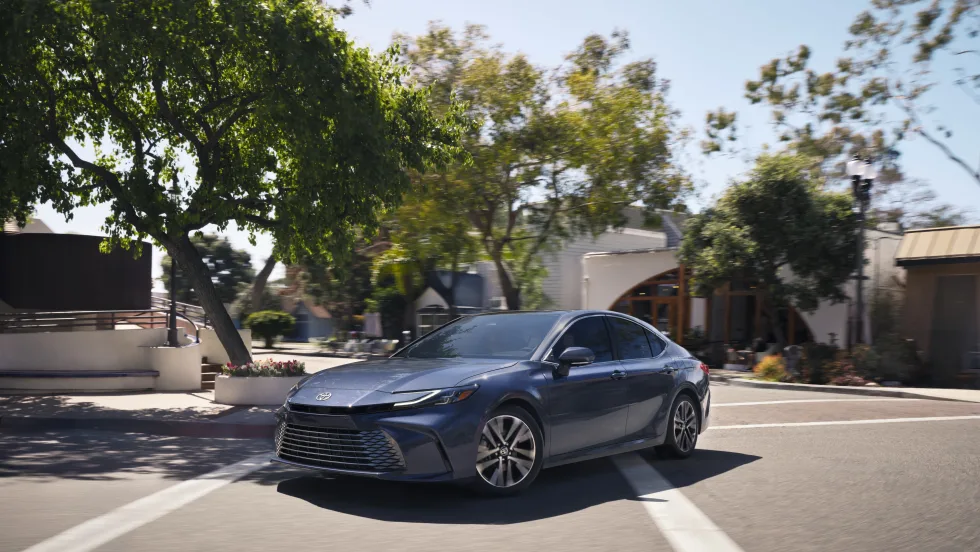
2027 Toyota Camry Offers Hybrid Powertrain Across Five Grades
The 2027 Toyota Camry is a carryover with new pricing.
Read More →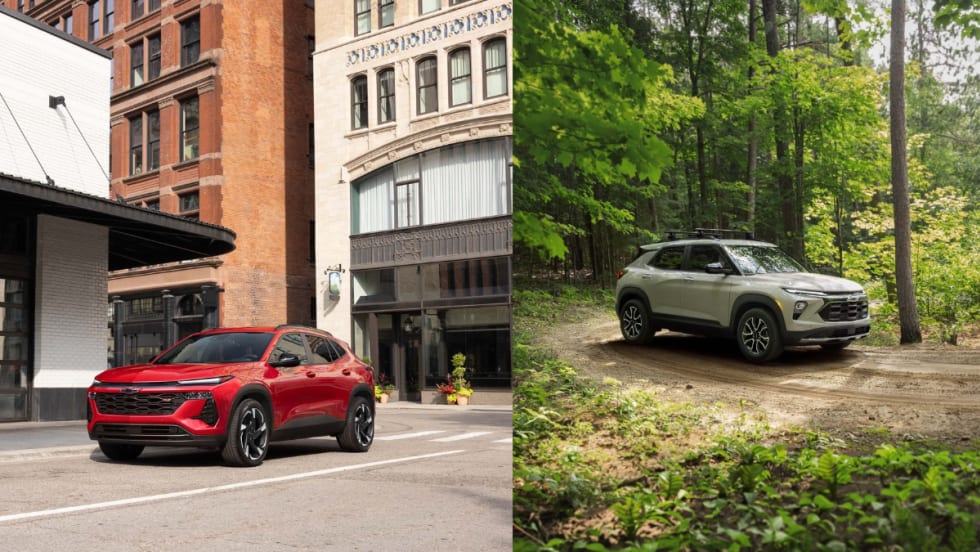
Chevrolet Updates 2027 Trax and Trailblazer with More Standard Safety Features
Chevrolet is updating two of its smallest SUVs with added driver-assistance technology, redesigned interiors, and revised trim options. The changes could add more safety equipment as standard for commercial fleets, while a new Trailblazer configuration adds another all-wheel-drive option.
Read More →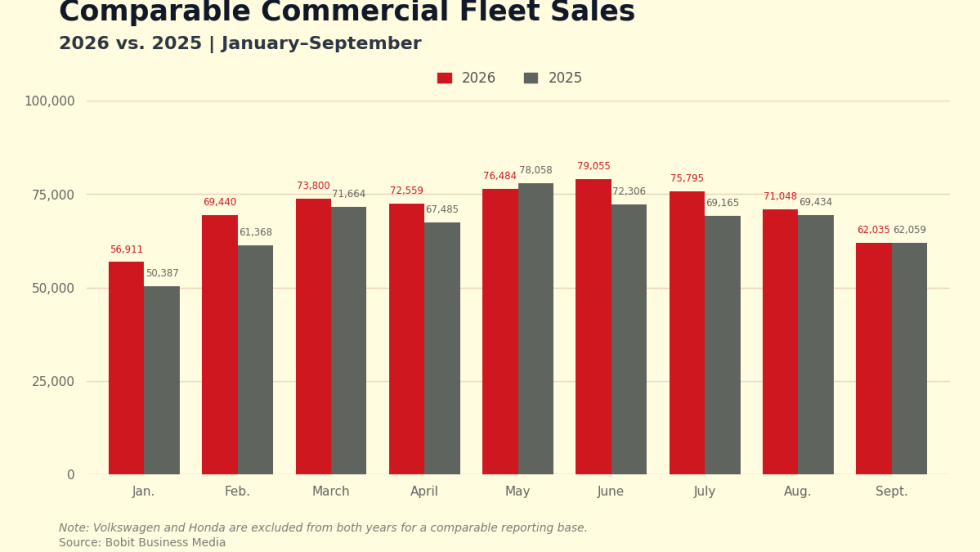
Commercial Fleet Sales Rise 5.8% Through September 2026
September commercial fleet sales were essentially unchanged from a year earlier, slowing year-to-date growth while keeping volume ahead of 2025.
Read More →
Hall of Fame Inductee: John Dmochowsky
The longtime Mondelēz International fleet executive joins the Automotive Fleet Hall of Fame.
Read More →
Hall of Fame Inductee: Lee Miller
After more than four decades at Boehringer Ingelheim, Lee Miller leaves a legacy built on fleet expertise.
Read More →
Hall of Fame Inductee: Mark F. Petersen
From managing fleets of thousands of vehicles to advancing safety and mentoring fellow professionals, Mark F. Petersen made his mark across both the corporate and supplier sides of fleet.
Read More →
When Charger Downtime Becomes a Fleet Availability Problem
As EV deployments move beyond pilot programs, charger reliability can directly affect vehicle readiness, driver productivity and route scheduling.
Read More →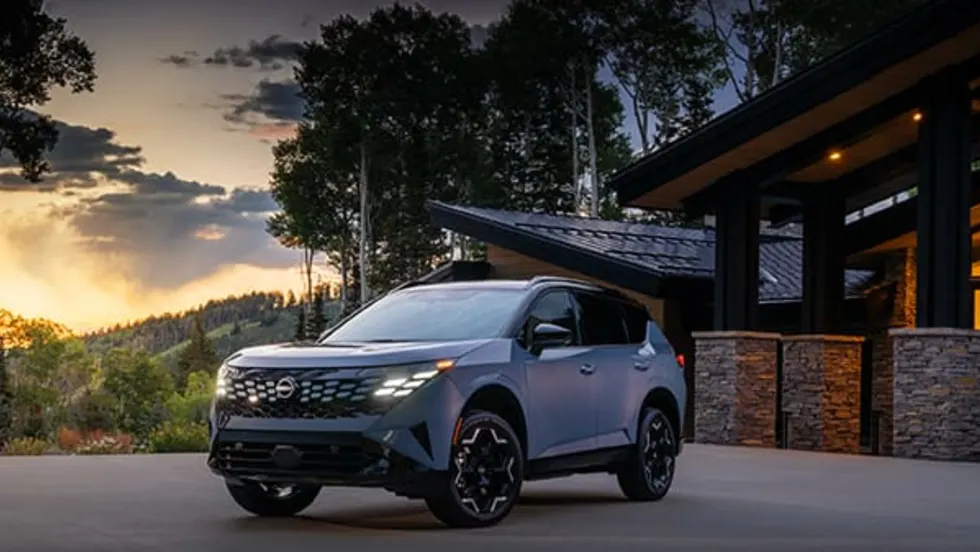
2027 Nissan Rogue Hybrid Adds e-POWER, Standard AWD
The new Rogue Hybrid uses Nissan’s e-POWER system with dual electric motors, offers an estimated 40 mpg and starts at $35,490.
Read More →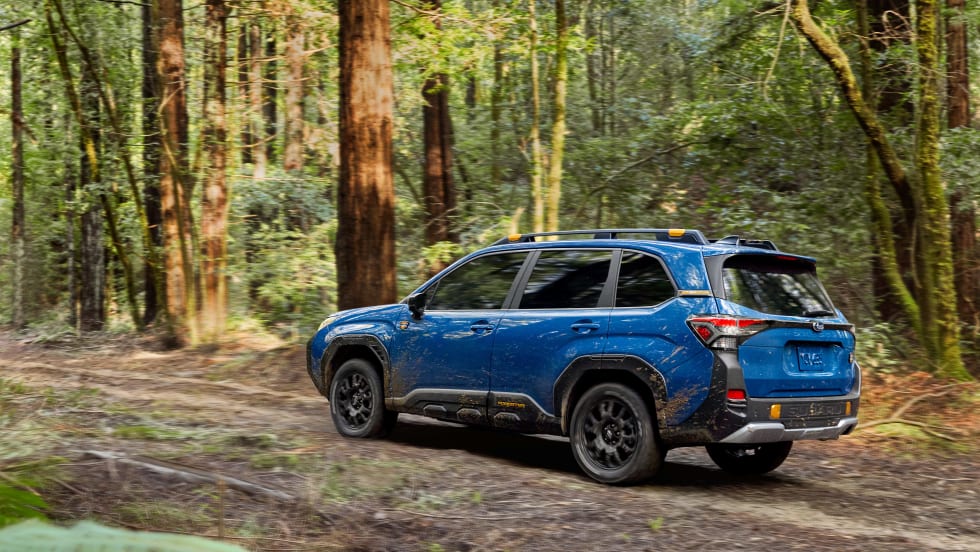
2027 Subaru Forester Adds First Wilderness Hybrid
The 2027 Forester lineup starts at $29,995 and adds a Wilderness Hybrid with 194 combined horsepower and 9.3 inches of ground clearance.
Read More →
EV Realty Names Henrik Holland President as Charging Platform Expands
The former Prologis Mobility and Shell executive will help expand EV Realty’s truck charging business and move its power-first infrastructure model into autonomous vehicle depots and other fleet sectors.
Read More →