


 MENU
MENU SEARCHMENUSEARCH
Loading data...
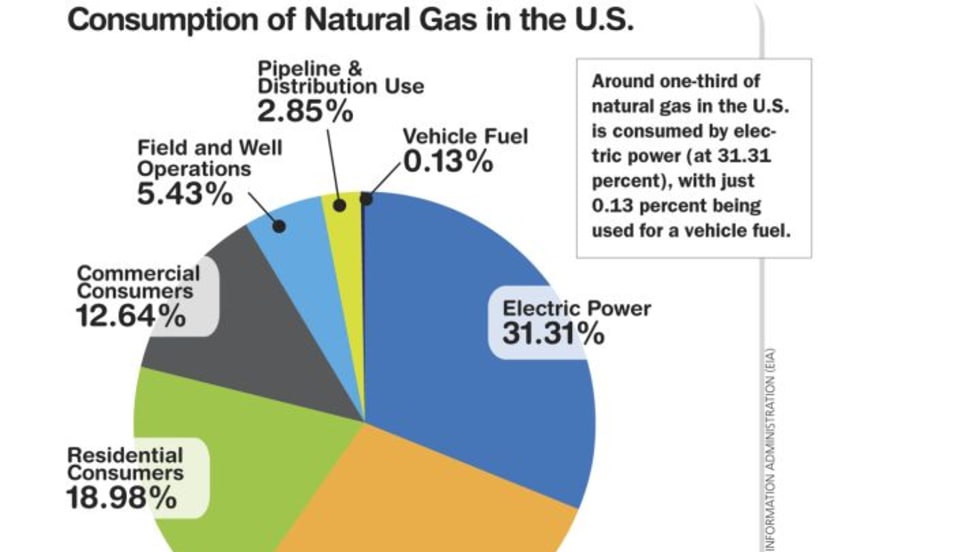
Natural gas is an abundant, domestically produced alternative fuel, and could provide several benefits for fleets looking for the right fit.
Read More →

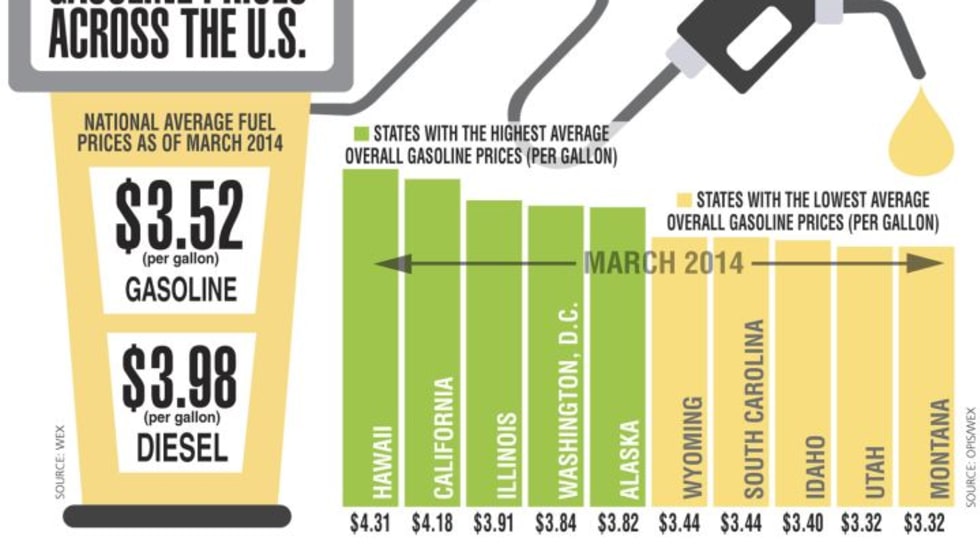

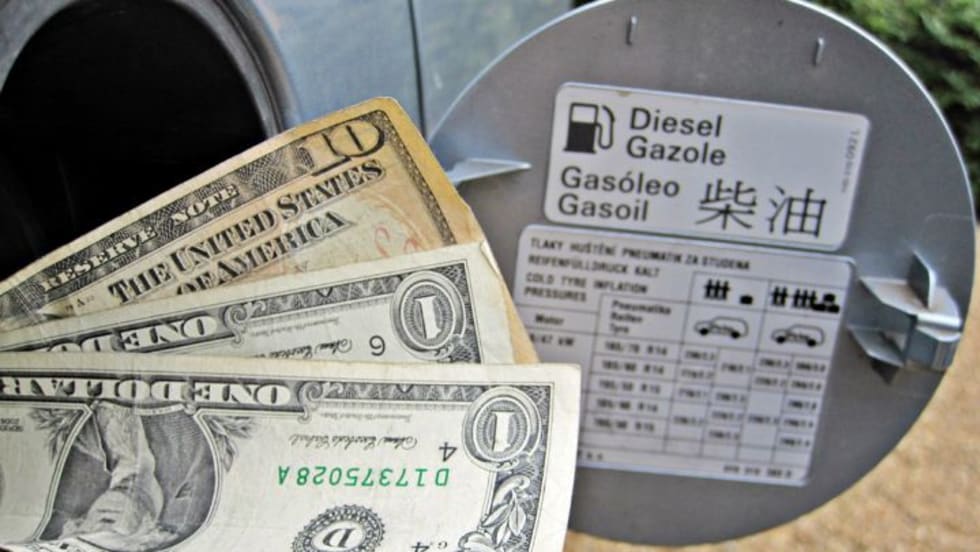
Fleet managers know that it's smart to focus cost-reduction efforts where the money is - depreciation and fuel. But, within these categories, there are savings that even experienced fleet managers often miss.
Read More →The City of Des Plaines, Ill., has contracted with a company to conduct a fleet greening study in an effort to reduce fuel costs.
Read More →Ford Motor Co. lowered the fuel economy ratings for six 2013 and 2014 model-year vehicles, including the Fiesta subcompact car that has been widely added to fleets.
Read More →The City of Long Beach (Calif.) has reduced its fuel costs by nearly 60% annually and significantly reduced greenhouse gas emissions, after updating its fleet of LNG-powered street sweepers six years ago.
Read More →With fuel prices impacted by everything from supply and demand to weather to location, there can be little argument that managing fuel expenses is one of the most difficult and important parts of a fleet manager's job.
Read More →A combination of building strong relationships with internal and external stakeholders, as well as implementing six key fleet operational strategies, has made the health care giant’s fleet become more efficient.
Read More →From utilizing alternative fuels to decreasing vehicle weight to increasing vehicle aerodynamics, there are several options for fleet managers looking to reduce fuel costs through chassis and upfit specs.
Read More →Achieving optimum fuel economy could be as simple as refreshing the fleet’s medium-duty truck specs. A small variation in fuel consumption can make a big difference.
Read More →The Internal Revenue Service lowered the business mileage deduction by 0.5 cents to 56 cents per mile effective Jan. 1. The 2014 rate decreases the 2013 rate of 56.5 cents, which went into effect Jan. 1, 2013.
Read More →