Sean Lyden
Contributor
Sean Lyden was a contributing author for Bobit publications for many years.
 MENU
MENU SEARCH
Contributor
Sean Lyden was a contributing author for Bobit publications for many years.
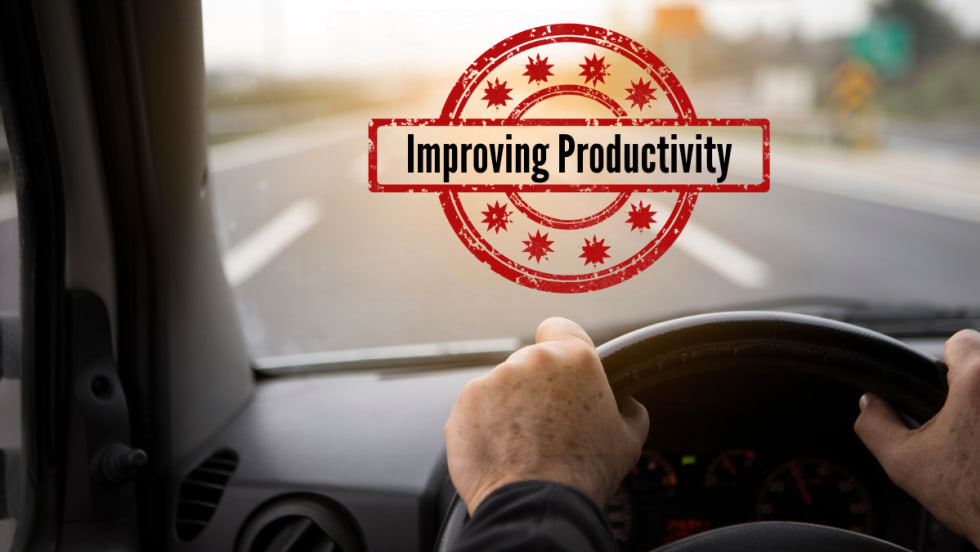
The meaning of maximized productivity differs from fleet to fleet, but the means to maximizing vehicle function can be found using a straightforward approach of measuring, spec’ing, and considering the human factor.
Read More →
Fleet managers have a number of simple tools and techniques they can use to cut fuel use. Many of them can be implemented with little to no cost, and will reap large rewards.
Read More →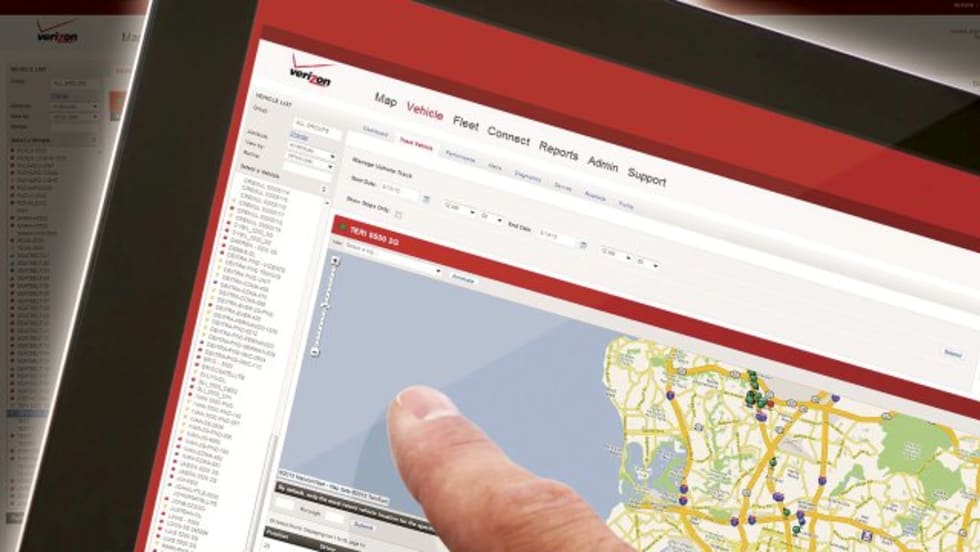
Better vehicle quality and the economic crisis of 2008-2009 have both impacted what most view as the traditional lifecycle for a truck fleet.
Read More →
Overloading can have serious consequences for truck fleets ranging from accidents to increased maintenance costs to DOT citations. Make sure fleet trucks are properly spec’d and that drivers avoid “pack-ratting” tools and other supplies.
Read More →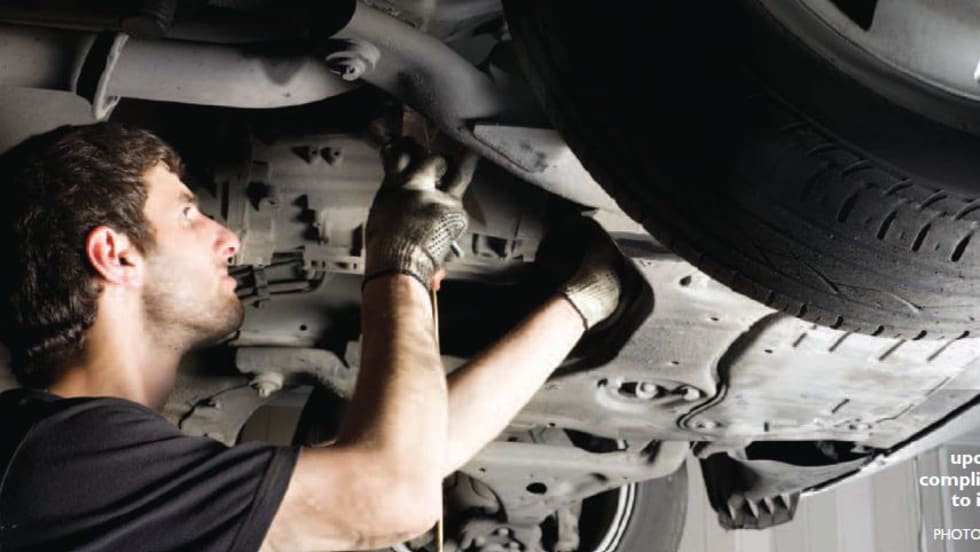
How current and future challenges are affecting medium-duty fleets.
Read More →Fleet managers must consider a wide range of options when deciding on converting their truck fleet to natural gas.
Read More →
Google and a growing number of automakers are making big bets that self-driving vehicle technology is the future of transportation and have been incorporating various levels of autonomous driving capabilities in their latest products.
Read More →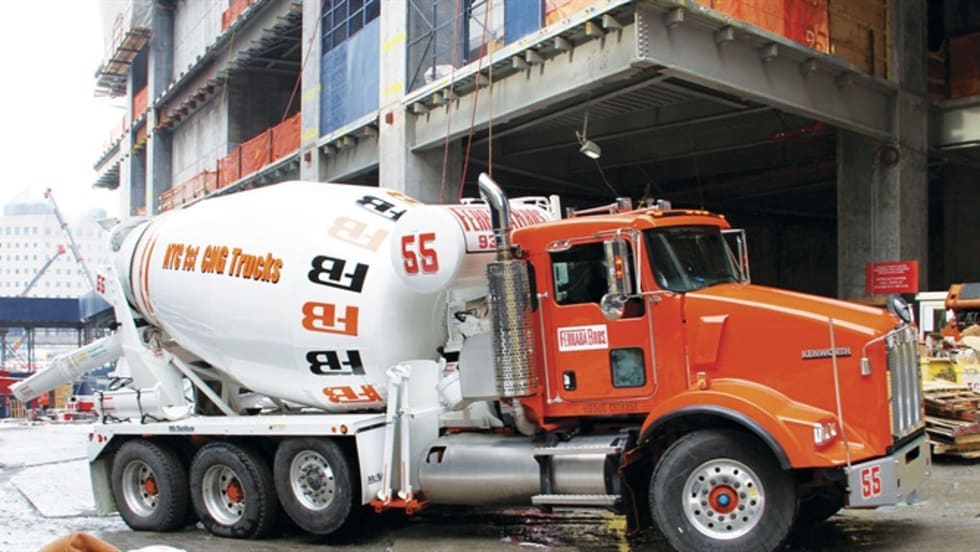
Fleet managers must consider a wide range of options when deciding on converting their truck fleet to natural gas.
Read More →Telematics are now a byword in fleet management. And, while these systems can help increase overall fleet efficiency, another benefit is being reaped on the side of sustainability.
Read More →
Rightsizing a fleet, whether it means reducing the number of vehicles or transitioning to smaller, more fuel-efficient models, can create resentment and frustration among drivers, causing them to resist the initiative.
Read More →