





How Fleet Managers Are Finding New Ways to Control Maintenance Costs & Downtime
Report: 36% of Fleet Managers Are Delaying Replacements
Element’s 2026 Market Pulse Report finds fleets are slowing replacement cycles amid tariffs, economic uncertainty, and rising costs.
May 7, 2026
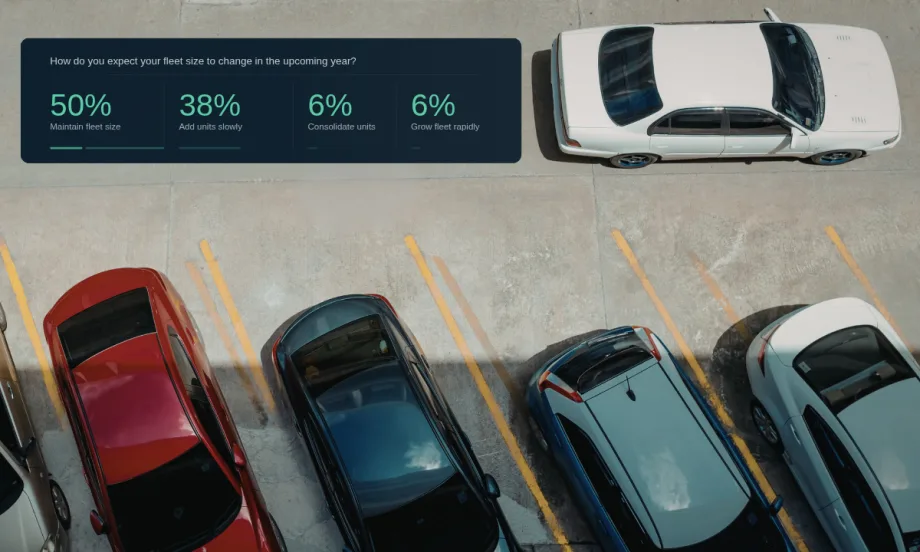
The findings suggest that extending replacement cycles is less a short-term reaction and more a deliberate strategy to manage costs, even as fleets continue to support measured growth.
Credit:
Automotive Fleet | Edited by Open AI, refer to our terms of use.
5 min to read
Fleet managers across North America are holding onto their vehicles longer and tightening budgets, according to survey results from Element Fleet Management's fifth annual Market Pulse Report, a survey of fleets conducted across the U.S., Canada, and Mexico.
The findings come after five years of pandemic supply-chain chaos, inflation, and tariff-driven cost volatility, with cost control now the number one priority by far.
Replacements on Hold
The most significant finding in this year’s report is that 36% of respondents are actively delaying vehicle replacements in response to tariff-driven cost increases. At the same time, fleets are not broadly shrinking: 50% plan to maintain their current fleet size, 38% expect to add units (though gradually), 6% anticipate rapid growth, and 6% expect to consolidate their fleets.
Taken together, the data suggest that extending replacement cycles is less a short-term reaction and more a deliberate strategy to manage costs, even as fleets continue to support measured growth.
The implications are considerable. Aging vehicles can put upward pressure on maintenance budgets, increase the risk of unplanned downtime, and complicate the driver experience. They may also slow electrification timelines as fleets hold on to internal combustion vehicles longer.
Fleets in Canada and Mexico are leaning into this approach more aggressively than their U.S. counterparts, with both markets showing stronger adoption of extended lifecycles and revised financial models.
Cost Control: The Dominant Priority
Cited by 78% of fleets, cost savings have emerged as the definitive priority by far for 2026. While cost savings would be expected to dominate in most years, this year marks a striking 17% increase over last year.
Driver safety ranked second at 63%, followed by vehicle downtime management at 49%. Strategic initiatives such as decarbonization (24%) and digital transformation (19%) lag further behind.
Digital adoption prioritization has increased by only 3% compared to last year, a surprising statistic given the perceived industry pressure to drive efficiency through AI.
An Industry in Transition
Looking back across all five editions of the Market Pulse Report, the industry's trajectory looks like this:
- 2022 brought supply chain disruption and constrained vehicle availability, yet 82% of organizations had already begun electrification journeys — a sign of early optimism about long-term transformation.
- 2023 saw inflation dominate the conversation, with 88% of respondents expressing concern about rising prices, and cost management becoming a central focus for the first time.
2024 saw a period of cautious stabilization, with 60% of fleets reporting they planned to simply maintain their existing strategy.
- 2025 saw operational discipline deepen further, with 61% prioritizing cost savings and total cost of ownership reduction, while longer-term initiatives like electrification receded.
- 2026 takes cost savings one step further to 78%, with fleet growth minimal and replacement cycles stretching.
Tariffs Add Real Pressure
Looking at the macroeconomic backdrop, more than half of respondents (54%) report moderate to significant operational impact from tariffs and trade policies — with 18% characterizing the impact as significant, meaning major effects on costs, planning, and procurement. Only 12% report no impact at all.
Responses to that pressure vary by market. Canadian fleets are most likely to delay replacements (30%) or shift sourcing toward local or tariff-exempt suppliers (18%). Mexican fleets are increasingly relying on revised financial models, including flexible leasing and reimbursement programs (20%).
Interestingly, U.S. fleets show the highest share making no changes at all (41%), though that figure still leaves nearly six in ten adjusting strategy in some form.
AI: Interest Is Real, Adoption Is Early
Technology is being approached carefully, but not as a transformative initiative.
Just over half of fleets (53%) say they are exploring AI and digital tools, only a modest increase from last year. Larger fleets are leading the way, primarily deploying AI for driver behavior and safety monitoring (67%) and controlling and tracking fleet costs (61%). Predictive maintenance and administrative automation round out the top use cases.
Respondents cited a lack of in-house expertise, data security concerns, and implementation costs as barriers to adoption.
Electrification: Incremental Progress
The EV transition continues at a slow, uneven pace. The share of fleets in early EV planning stages grew to 19% in 2026, up 11 percentage points from last year. Another 19% say electrification is currently in progress.
But the largest single group, 31%, says EV transition is not a strategic priority right now.
For fleets without active EV programs, hybrids and alternative fuel vehicles are the preferred bridge, with 60% expressing interest in adding them. Charging infrastructure gaps, range limitations, and total cost of ownership concerns remain the persistent frictions preventing faster deployments.
Workforce Stable, Safety Investment Continues
On the people side, conditions are relatively steady. Nearly seven in ten fleets (69%) report no significant hiring or retention challenges, though larger fleets feel more pressure than smaller ones.
Safety investment remains strong: 64% prioritize formal driver safety and training programs, 53% use telematics-based driving coaching, and 54% actively use telematics solutions overall.
2026: Caution Ahead
Five years of Market Pulse data show an industry that entered the 2020s with ambitious transformation goals that have been steadily (and understandably) redirected toward operational and cost stability
The 2026 data doesn't suggest fleets have abandoned the future, as EV planning is up, AI interest is growing, and alternative mobility solutions are gaining traction. But those initiatives are being pursued carefully, slowly, and selectively, with the main goal an eye on the bottom line.
Element Fleet Management's 2026 Market Pulse Report is based on a survey of fleet managers and business leaders conducted across the U.S., Canada, and Mexico over a two-month period. Respondents were drawn primarily from operations and fleet (58%), finance and treasury (26%), and sourcing and procurement (9%) functions. Element manages over 1.5 million vehicles globally.
More State of the Fleet Industry
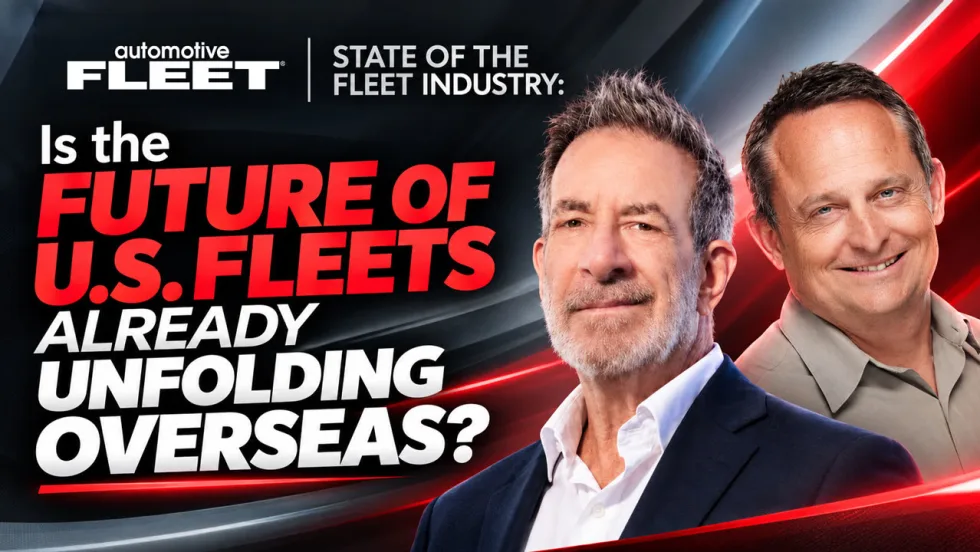
Is the Future of U.S. Fleets Already Unfolding Overseas?
Fleet Forward Conference keynote speaker John Rossant examines how AI, autonomy, and electrification are converging, and why developments in China, Europe, and the Middle East could preview what’s coming for U.S. fleets.
Read More →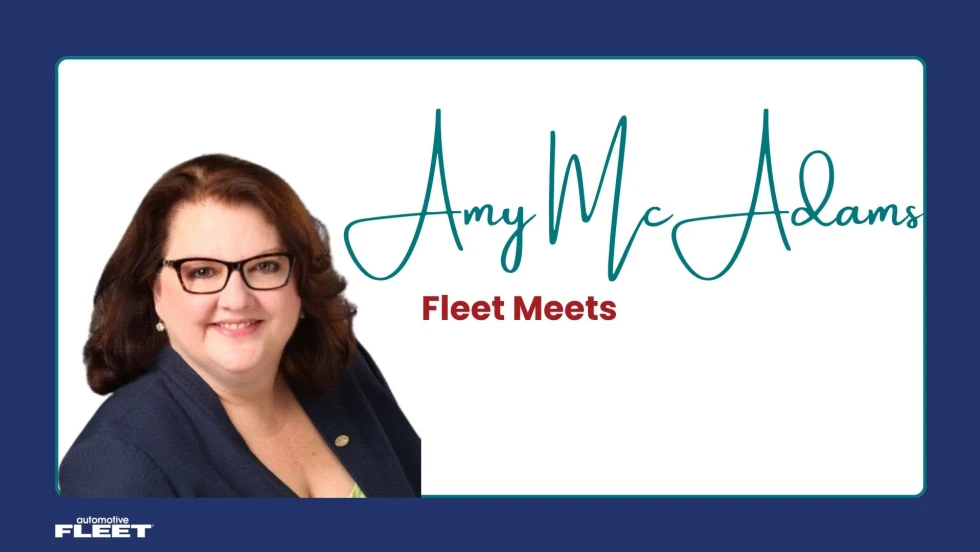
Fleet Meets: Amy McAdams
In this edition of Fleet Meets, Amy McAdams shares how an unexpected career move led to more than 15 years in fleet.
Read More →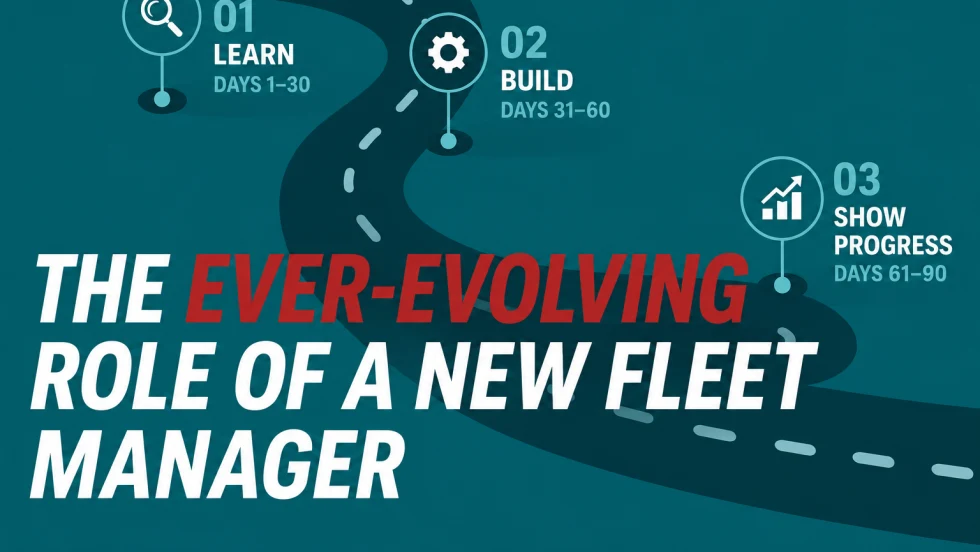
From Tactical to Strategic: A Fleet Manager's First 90 Days
The first 90 days as a fleet manager can be daunting, and the role has changed a lot over the years. What's important now?
Read More →
Fleet Industry Mourns the Passing of Donna Bibbo
Fleet leader Donna Bibbo passed away after a long battle with uterine cancer and a failing heart.
Read More →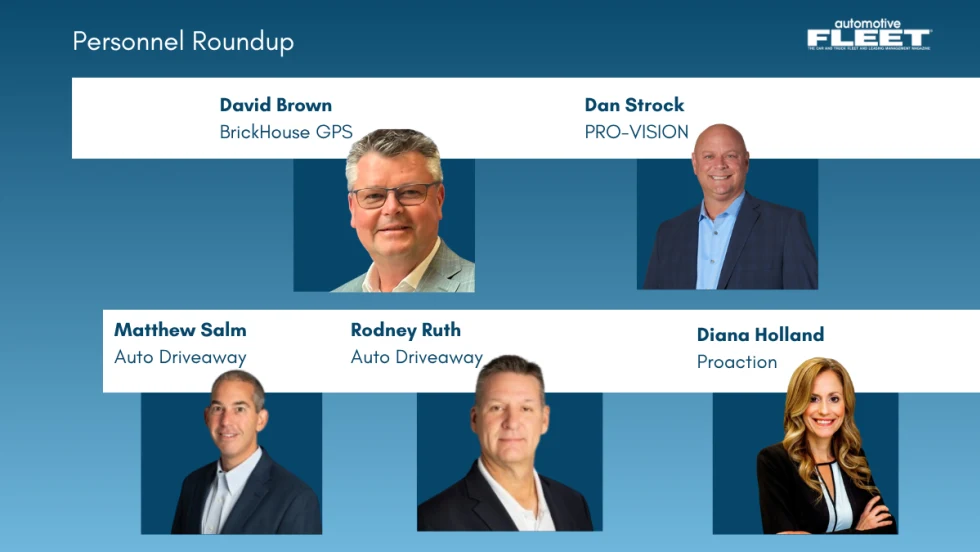
Personnel Update: BrickHouse GPS, PRO-VISION, Auto Driveaway, and Proaction
Check out the latest must-know fleet personnel updates from the last couple of months.
Read More →

‘Mike Just Gives Cars to People’ — And Other Misconceptions Fleet Managers Need to Fix
Most organizations misunderstand fleet. The best managers make sure that doesn’t happen.
Read More →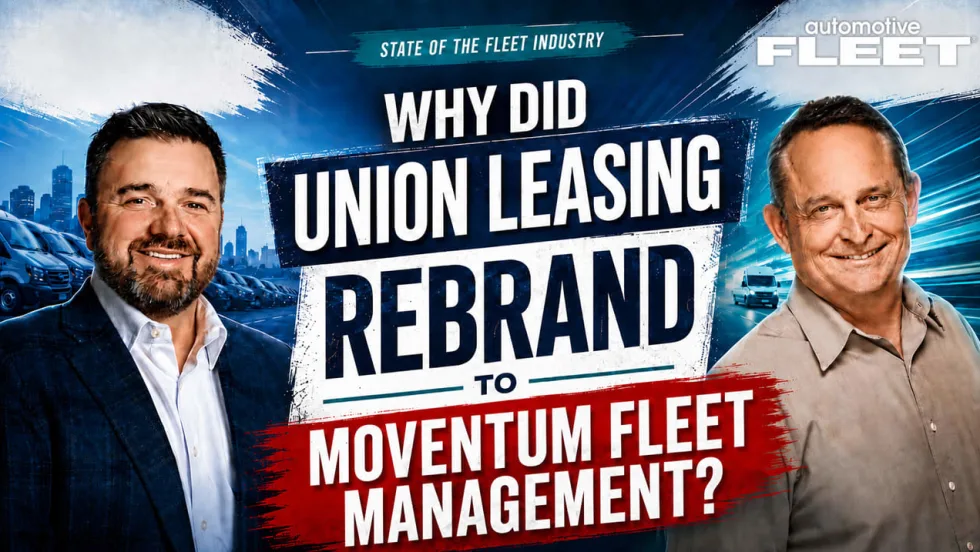
Why Union Leasing Rebranded to Moventum Fleet Management
Mark Hogland discusses Union Leasing’s transition to Moventum Fleet Management and how the rebrand reflects the company’s growing focus on strategic fleet management and lifecycle support.
Read More →
From Storm Response to Data Strategy: Fleet Trends to Watch | AF News Recap
In this AF news recap, host Faith Howell covers this week's most pressing industry updates.
Read More →
California Adopts Sweeping New Autonomous Vehicle Regulations
Updated DMV rules open the door for heavy-duty AV testing and deployment while strengthening safety standards, emergency response coordination, and manufacturer accountability.
Read More →