





Pedestrian Deaths Drop in First Half of 2025, Marking Largest Decline in Years
Pedestrian Safety Starts With the Driver
More people on foot means more risk for drivers. These pedestrian safety tips can help prevent serious injuries and keep everyone safer on the road.
March 30, 2026
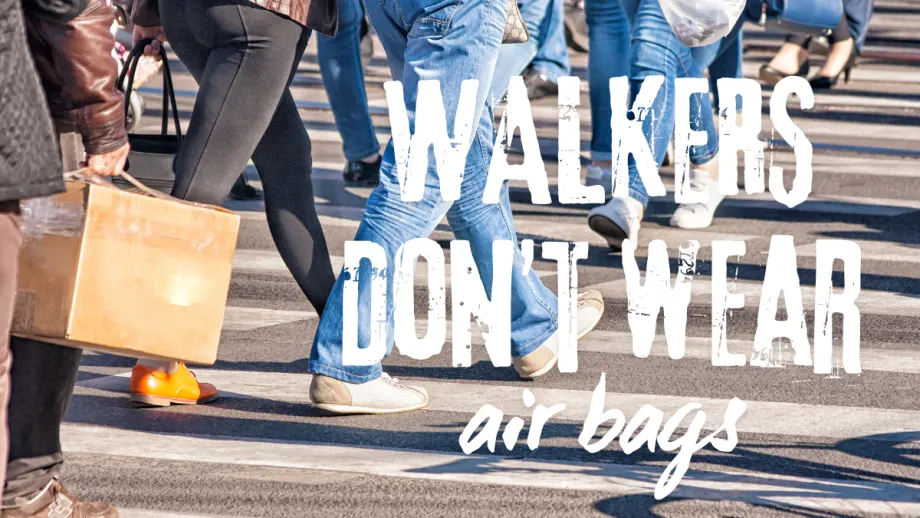
More people out walking means more risk on the road. Drivers need to stay alert and slow down to keep pedestrians safe.
Credit: Automotive Fleet
2 min to read
Editor’s note: This article was originally published in March 2018 and has been reviewed for continued relevancy.
Spring brings more than warmer weather and longer days. It also brings more pedestrians, including walkers, joggers, and children playing outside. That means drivers need to be even more alert.
Pedestrian safety has improved over time, but the risks remain serious. In 2005, 4,881 pedestrians were killed in traffic crashes, the first annual increase in four years. Another 64,000 pedestrians were injured and survived being struck.
Some of the data may surprise even careful drivers. In 2005, fatal pedestrian crashes:
89% occurred in good weather
86% involved drivers with no alcohol in their system
In other words, most of these crashes did not involve obvious impairment. But darkness and surprise often played a role. Eight in 10 fatal pedestrian incidents occurred away from intersections, and more than two out of three happened between 4 p.m. and 4 a.m.
But as we said, things are improving. An estimated 3,024 pedestrians were killed in traffic crashes between January and June, down from the same period in 2024. The reduction represents the largest midyear decline since GHSA began tracking pedestrian fatality data 15 years ago.
What Drivers Can Do
Even when a pedestrian is at fault, the outcome can still be devastating for everyone involved. These driving habits can help reduce the risk.
Slow Down
In areas where pedestrians are more likely to be present, speed matters. At 40 mph, a pedestrian’s chance of surviving a crash is just 15%. At 30 mph, that increases to 55%. At 20 mph, it rises to 95%.
Driving more slowly also gives you more time to spot someone stepping into the road unexpectedly.
Expect the Unexpected
Do not assume pedestrians will only be where they are supposed to be. People may cross mid-block, appear from between parked cars, or make unpredictable decisions. Some may be distracted, impaired, or physically limited.
Don’t Pass a Stopped Vehicle on the Right
In cities and residential neighborhoods, a stopped vehicle may yield to a pedestrian. If you cannot clearly see why the vehicle is stopped, wait. The driver’s view may be blocked, and yours may be too.
Be Patient When Turning
At intersections, drivers often focus on finding a gap in traffic to make a turn. But a pedestrian may be using that same gap to cross. Before turning, take one more full look around the scene and make sure your path is clear.
Pedestrians do not have the protection of airbags, steel frames, or seat belts. A little extra caution behind the wheel can make a life-saving difference.
Subscribe to Our Newsletter
More Safety

Sponsored•October 1, 2026
Fleet Manager’s Ultimate Playbook: Navigating the New Standard in OEM Connectivity
Rising operating costs, driver safety concerns, and unplanned downtime are putting unprecedented pressure on modern fleets. Discover how fleet managers use embedded OEM connectivity and real-time vehicle data to cut TCO, prevent downtime, and protect drivers without aftermarket telematics hardware.
Read More →
From Driver Well-Being to EV Charging | AF News Recap
Mental health belongs in the fleet safety conversation. This week, we’re looking at five ways fleets can support employee well-being before a crisis, plus Holman’s expansion in Mexico, new one-day Fleet Forward passes, and why EV charging demand is outpacing infrastructure growth.
Read More →
Nexar-Nauto Merger Aims to Give Fleets Better Safety Intelligence Through Larger Driving Dataset
Stefan Heck tells Automotive Fleet that combining more than 10 billion miles of driving history with Nexar's AI models will give fleets deeper insights into driver risk and roadway conditions than either company could provide independently.
Read More →
Don't Wait for a Crisis: 5 Ways to Build Mental Health Into Your Fleet Safety Program
For Suicide Prevention Month, fleet and safety leaders have an opportunity to put mental health where it belongs: at the center of workplace safety.
Read More →
How Camera Data Can Strengthen a Fleet’s Insurance Renewal
Insights from a commercial insurance carrier and a broker show how fleets can turn video telematic data, driver coaching, and improved claims results into a stronger case at insurance renewal.
Read More →
The Safest Fleets Aren’t the Ones with the Most Technology
You’ve made the telematics investment. Here’s how to capture the other half of its value and build the safest fleet on the road.
Read More →
Sponsored•August 7, 2026
Hidden in Plain Sight: Fleet Compliance Risks
Fleet compliance isn't just about having policies — it's about consistently enforcing them. This practical guide reveals six hidden compliance risks common in public sector and shared fleet operations and outlines proven strategies to improve visibility, accountability, and audit readiness
Read More →
NETS Sets 2026 Fleet Safety Benchmark Conference for Indianapolis
The Sept. 15–17 program will feature fleet benchmarking data, case studies, emerging technologies, and implementation strategies while running alongside the NSC Safety Congress & Expo.
Read More →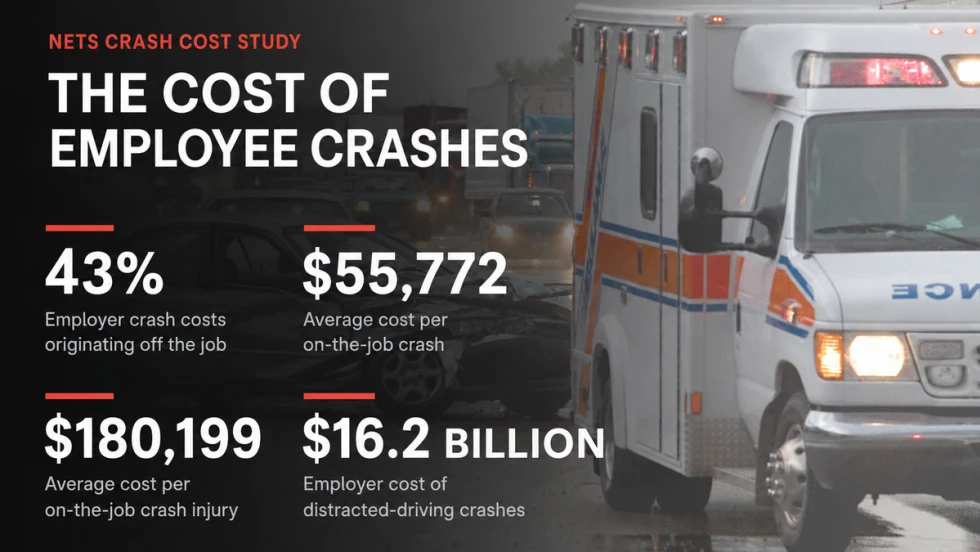
Off-the-Job Crashes Account for 43% of Employers’ $61.7 Billion Crash Burden
NETS quantifies costs dispersed across fleet, risk, HR, and other departments while providing new per-crash benchmarks for employers.
Read More →
Ram Recalls More Than 1.27 Million 1500 Pickups for Seat Belt Anchor Issue
The recall affects certain 2019-2026 Ram 1500 pickups that may have improperly attached second-row seat belt buckle anchors.
Read More →