




Nissan Outlines Product Offensive & Volume Growth Strategies
Nissan’s The Arc business plan outlines how the manufacturer aims to lift annual sales by 1 million units and increase its operating profit margin to more than 6% by the end of fiscal year 2026.

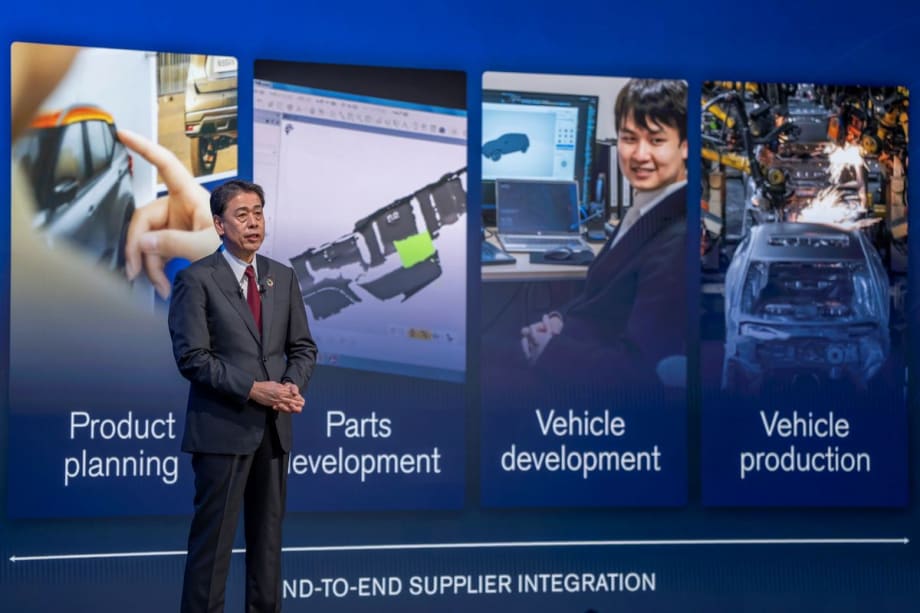
Makoto Uchida, president & CEO of Nissan Motor Co. announced the new plan that includes 30 new models over the next three years, of which 16 will be electrified and 14 will be ICE models.
Photo: Nissan
Nissan Motor Co. has launched The Arc, its new business plan, the company announced in a statement on March 25.
The plan outlines a broad-based product offensive and includes increased electrification, new approaches to engineering and manufacturing, the adoption of new technologies, and the use of strategic partnerships to increase global unit sales and improve profitability.
The plan is positioned as a bridge between the Nissan NEXT business transformation plan running from fiscal 2020 through fiscal 2023 and Nissan Ambition 2030, the company’s long-term vision. The new plan is split into mid-term imperatives for fiscal years 2024 through 2026, and mid- to long-term actions to be carried out through 2030.
Nissan’s fiscal year runs from April 1 through March 31.
Under the two-part plan, Nissan will first take actions to ensure volume growth through a tailored regional strategy and prepare for an accelerated transition to EVs, supported by a balanced electrified/ICE product portfolio, volume growth in major markets, and financial discipline.
Through these initiatives, Nissan aims to lift annual sales by 1 million units and increase its operating profit margin to more than 6% by the end of fiscal year 2026.
This will pave the way for the second part of the plan aimed at enabling the EV transition and realizing long-term profitable growth, supported by smart partnerships, enhanced EV competitiveness, differentiated innovations, and new revenue streams.
By fiscal year 2030, Nissan sees a revenue potential of 2.5 trillion yen (USD 16.5b) from new business opportunities.
Product Cadence
Launch 30 new models over the next three years, of which 16 will be electrified, and 14 will be ICE (internal combustion engine) models.
Launch a total of 34 electrified models from fiscal year 2024 and 2030 to cover all segments, with the model mix of electrified vehicles expected to account for 40% globally by fiscal year 2026 and rise to 60% by the end of the decade.
Launch seven all-new models In the U.S. and Canada by fiscal year 2026.
Refresh 78% of the passenger vehicle line-up for Nissan brand in the U.S. and launch e-POWER and plug-in hybrid models by fiscal year 2026.
EV Affordability & Profitability
New manufacturing approaches are aimed at making EVs more affordable and profitable by developing EVs in families, integrating powertrains, utilizing next-generation modular manufacturing, group sourcing, and battery innovations.
The goal is to reduce the cost of next-generation EVs by 30% (compared to the all-electric Ariya crossover) and achieve cost-parity between EVs and ICE models by fiscal year 2030.
Manufacturing
Reduce vehicle production costs by 50% the cost of subsequent vehicles — those developed based on the main vehicle in the family — can be reduced by 50%, the variation of trim parts reduced by 70% and development lead time shortened by four months.
Reduce the production time per vehicle by 20% by adopting modular manufacturing.
Adopt the Nissan Intelligent Factory concept in Japan, the UK, and the Canton and Smyrna plants in the U.S. from fiscal year 2026 through 2030.
Extend the EV36Zero production approach from Sunderland in the UK to plants including Canton, Decherd, and Smyrna in the U.S. from fiscal year 2025 through 2028.
Autonomous Technologies
Accelerate the evolution of vehicle intelligence technologies such as the next-generation ProPILOT driver-assistance system, which is designed to realize door-to-door autonomous driving technology from on-highway to off-highway, private premises, and parking.
Battery Advancements
Offer enhanced NCM li-ion, LFP, and all-solid-state batteries. Enhanced NCM li-ion batteries will reduce quick-charging time by 50% and increase energy density by 50% compared to the Ariya.
LFP batteries, to be developed and produced in Japan, will be launched which will reduce cost by 30% compared to the Sakura EV mini-vehicle.
Launch new EVs with enhanced NCM li-ion, LFP and all-solid-state batteries in fiscal year 2028.
Invest more than 400 billion yen (USD 2.6b) in battery capacity.
Increase investment in electrification progressively, becoming more than 70% by fiscal year 2026.
More Vehicle Research
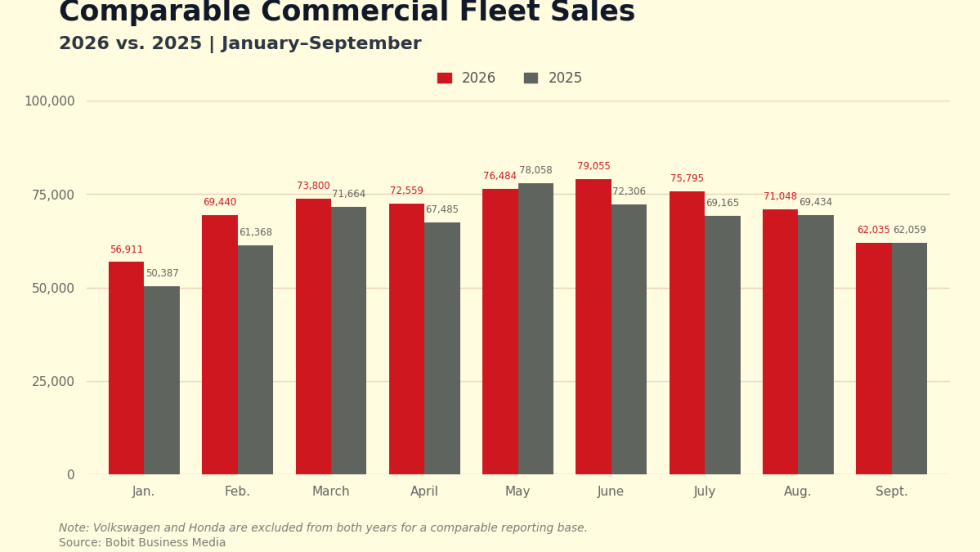
Commercial Fleet Sales Rise 5.8% Through September 2026
September commercial fleet sales were essentially unchanged from a year earlier, slowing year-to-date growth while keeping volume ahead of 2025.
Read More →
Hall of Fame Inductee: John Dmochowsky
The longtime Mondelēz International fleet executive joins the Automotive Fleet Hall of Fame.
Read More →
Hall of Fame Inductee: Lee Miller
After more than four decades at Boehringer Ingelheim, Lee Miller leaves a legacy built on fleet expertise.
Read More →
Hall of Fame Inductee: Mark F. Petersen
From managing fleets of thousands of vehicles to advancing safety and mentoring fellow professionals, Mark F. Petersen made his mark across both the corporate and supplier sides of fleet.
Read More →
When Charger Downtime Becomes a Fleet Availability Problem
As EV deployments move beyond pilot programs, charger reliability can directly affect vehicle readiness, driver productivity and route scheduling.
Read More →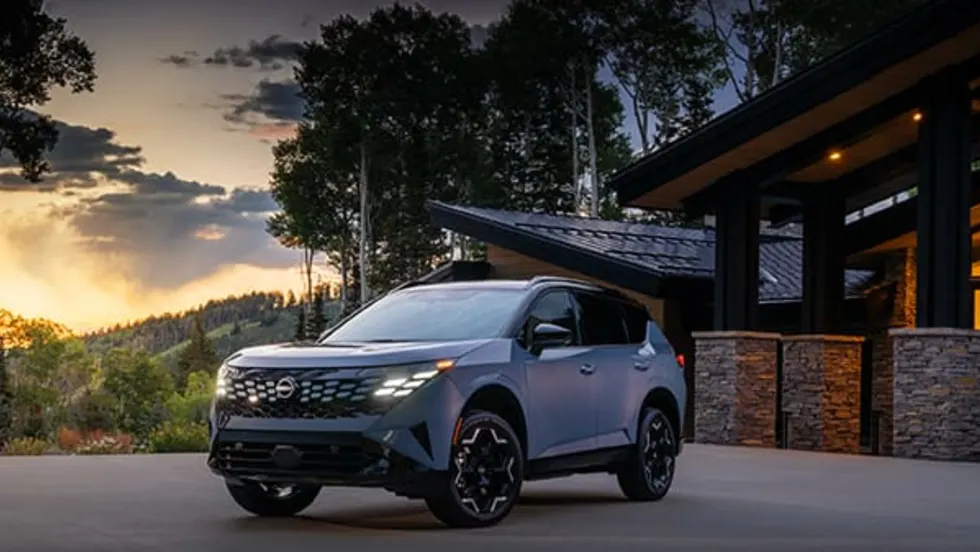
2027 Nissan Rogue Hybrid Adds e-POWER, Standard AWD
The new Rogue Hybrid uses Nissan’s e-POWER system with dual electric motors, offers an estimated 40 mpg and starts at $35,490.
Read More →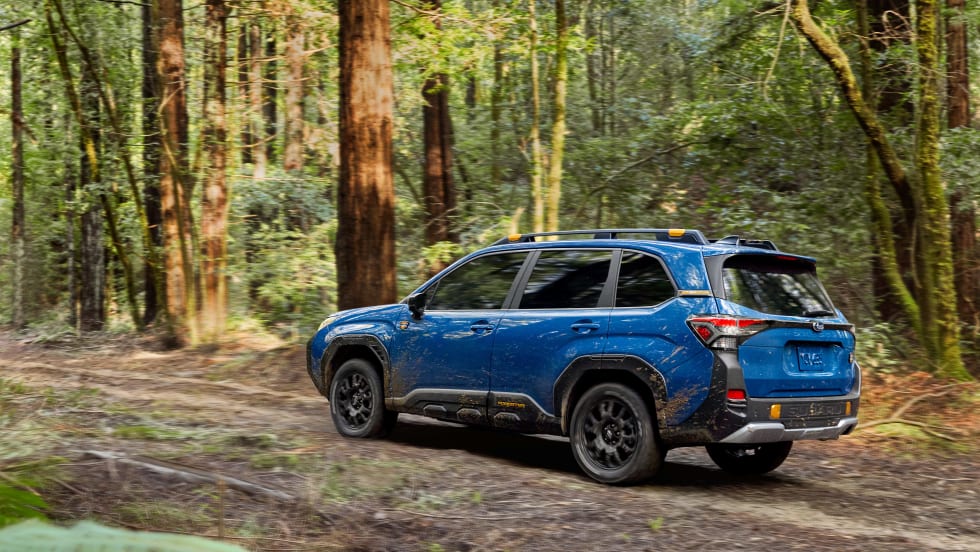
2027 Subaru Forester Adds First Wilderness Hybrid
The 2027 Forester lineup starts at $29,995 and adds a Wilderness Hybrid with 194 combined horsepower and 9.3 inches of ground clearance.
Read More →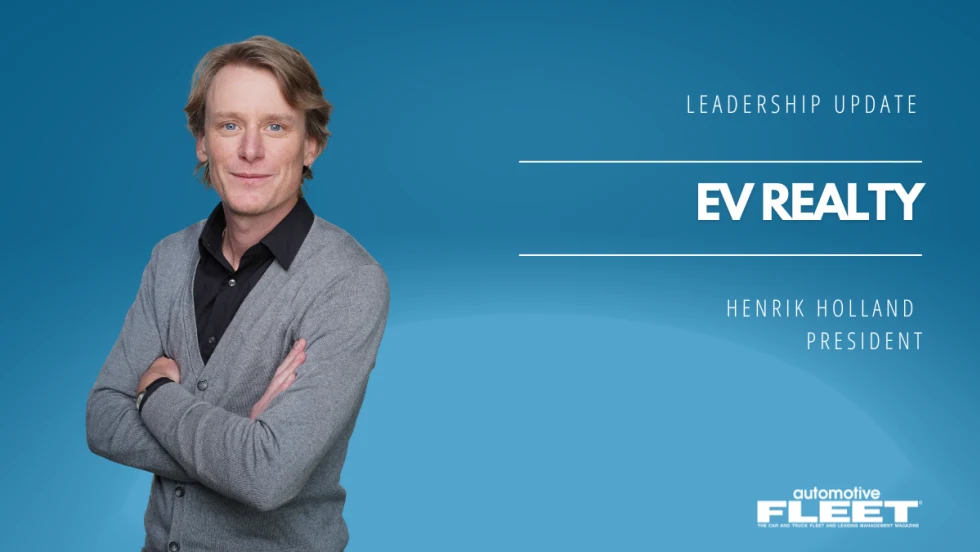
EV Realty Names Henrik Holland President as Charging Platform Expands
The former Prologis Mobility and Shell executive will help expand EV Realty’s truck charging business and move its power-first infrastructure model into autonomous vehicle depots and other fleet sectors.
Read More →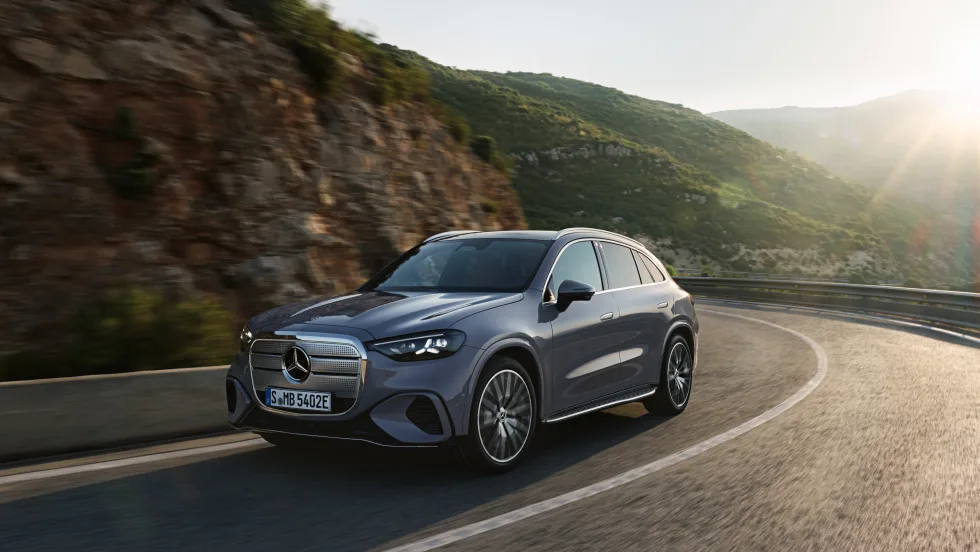
Mercedes-Benz Introduces Electric GLC With Up to 350 Miles of Range
The GLC 400 4MATIC Electric features an 800-volt architecture, 330-kW DC fast charging and a 94-kWh battery, along with Mercedes-Benz's new MB.OS operating system.
Read More →
Fleet Has a Talent Pipeline Problem, not a Talent Problem
Where will the next generation of fleet leaders come from, and what does the industry need to do differently to find them?
Read More →