





Related Content: Fleet Managers Cite Data as Major Hurdle in EV Transition, Survey Shows
EVAI Survey Reveals GPT Opportunities and Challenges for Fleet Management
EVAI released insights regarding the challenges and opportunities that fleet management may face with the rising use of AI.
June 12, 2025

EVAI is an AI-first company that specializes in AI-driven solutions for fleet management and data analytics.
Source: EVAI
2 min to read
EVAI released a survey that highlighted the challenges and opportunities that fleet management may face with GPT interfaces.
The company specializes in advanced data analytics. The survey examined the use of generative AI and GPT interfaces across commercial vehicle fleets.
Familiarity and Adoption Rates
40.8% of participants indicated moderate familiarity with GPT-style interfaces.
10.7% reported being very familiar, and 9.7% identified as experts.
Limited use of GPT tools was reported by 40.8% of respondents, with extensive use by 10.7%.
38.8% are not currently using GPT interfaces but are considering adoption.
30.1% stated they would definitely consider adoption within 12 months; 31.1% said they possibly would.
Common Adoption Barriers
Integration complexity (20.4%)
Lack of awareness (19.4%)
Data security concerns (19.4%)
Accuracy of AI-generated responses, or “hallucinations” (19.4%)
Lower percentages cited uncertain return on investment (9.7%) and satisfaction with current systems (11.6%).
Potential Benefits and Causes
Total Cost of Ownership (TCO) analysis (21.4%)
Trip and route optimization (20.4%)
General data analysis (17.5%)
Vehicle health monitoring (15.5%)
51.5% believe GPT interfaces perform better than traditional dashboards for analyzing and interpreting fleet data.
Operational Efficiency Impact
Among current users, 30.1% observed efficiency increases of 8–10% and 9.7% reported improvements of 15% or more. Among potential adopters, 29.1% anticipate 10–12% efficiency gains if implemented.
Comfort and Trust Levels
39.8% reported feeling somewhat comfortable using GPT tools for operational analysis.
10.7% expressed a high level of comfort.
For trip and route optimization, 39.8% trust GPT tools with some reservations, and 10.7% trust them fully.
Delegation and Oversight
30.1% would delegate some tasks with human oversight.
30.1% would delegate moderate tasks with periodic reviews.
Only 10.7% would allow high-level delegation; 9.7% would allow full autonomy.
Oversight Preferences
31.1% prefer periodic checks and audits.
29.1% prefer exception-based oversight.
20.4% prefer full-time human oversight.
Applications and Concerns
59.2% rated automated driver safety alerts and compliance monitoring as very or extremely valuable.
In vehicle health monitoring, the main concerns included data accuracy (31.1%), integration challenges (29.1%), and privacy/security risks (20.4%).
For real-time location tracking and geofencing, 21.4% deemed it very important, and 29.1% moderately important.
The survey results indicate that the fleet industry is exploring the potential of GPT-based tools but remains cautious. Interest is increasing, but significant concerns remain regarding system compatibility, user trust, hallucinations and oversight. GPT technologies are perceived to offer operational benefits, but widespread adoption will depend on the resolution of these issues.
More Vehicle Research

When Charger Downtime Becomes a Fleet Availability Problem
As EV deployments move beyond pilot programs, charger reliability can directly affect vehicle readiness, driver productivity and route scheduling.
Read More →
2027 Nissan Rogue Hybrid Adds e-POWER, Standard AWD
The new Rogue Hybrid uses Nissan’s e-POWER system with dual electric motors, offers an estimated 40 mpg and starts at $35,490.
Read More →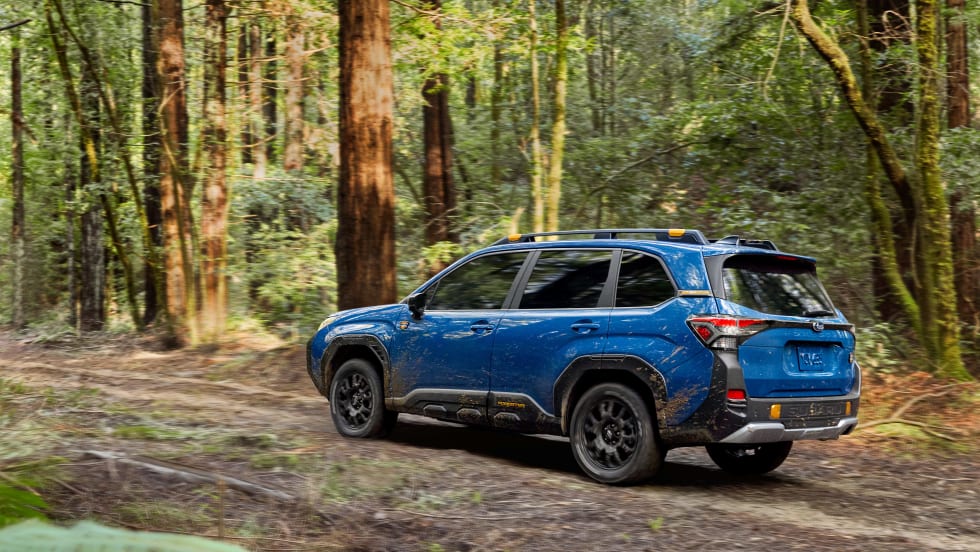
2027 Subaru Forester Adds First Wilderness Hybrid
The 2027 Forester lineup starts at $29,995 and adds a Wilderness Hybrid with 194 combined horsepower and 9.3 inches of ground clearance.
Read More →
EV Realty Names Henrik Holland President as Charging Platform Expands
The former Prologis Mobility and Shell executive will help expand EV Realty’s truck charging business and move its power-first infrastructure model into autonomous vehicle depots and other fleet sectors.
Read More →
Mercedes-Benz Introduces Electric GLC With Up to 350 Miles of Range
The GLC 400 4MATIC Electric features an 800-volt architecture, 330-kW DC fast charging and a 94-kWh battery, along with Mercedes-Benz's new MB.OS operating system.
Read More →
Fleet Has a Talent Pipeline Problem, not a Talent Problem
Where will the next generation of fleet leaders come from, and what does the industry need to do differently to find them?
Read More →
Fleet Hacks: What Are You Still Doing Manually?
From daily recaps to repeatable workflows, fleet professionals share how AI can cut through busywork while keeping human judgment at the center.
Read More →
How One Fleet Manager Put a New Spin on Safety Training
Joe Lewis turned a pre-trip inspection lesson into an AI-assisted song, then four safety albums. The experiment also revealed why human oversight matters when AI enters driver training.
Read More →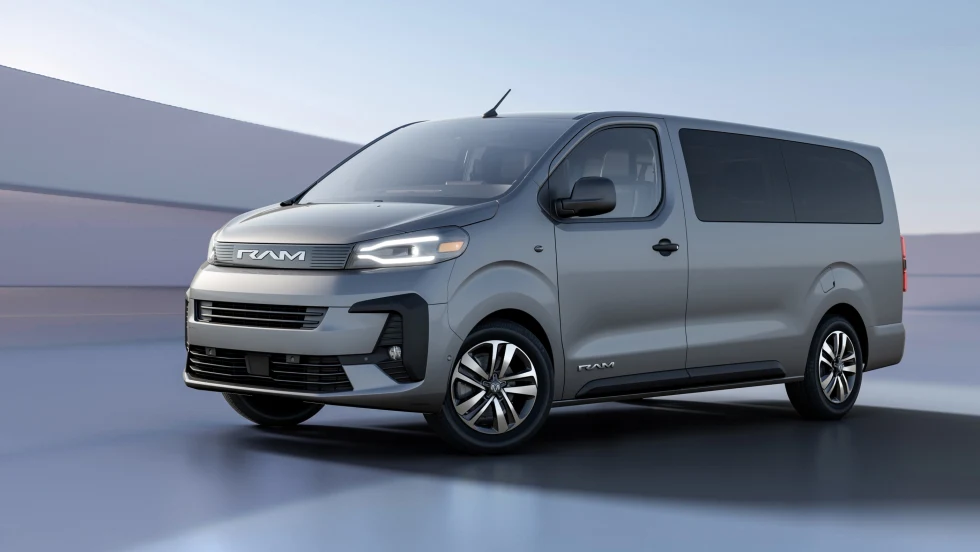
2027 Ram ProMaster City Starts Under $40K
Ram is returning to the smaller commercial van market with a new ProMaster City aimed at delivery, service, trade, and passenger applications. Starting at $39,995 with destination, the 2027 van offers up to 2,000 pounds of towing capacity, more than 2,000 pounds of payload, and multiple cargo and passenger configurations.
Read More →
New Tariff Threats & a Leadership Change at Wheels | AF News Recap
A new tariff threat is creating more uncertainty for fleet ordering, Wheels has named a new president, and we’re asking whether certification is really worth the investment.
Read More →