




About the Author: Rachael Plant is a senior content marketing specialist for Fleetio , a fleet optimization platform that helps organizations run, repair, and optimize their fleet operations. This article was authored and edited according to Automotive Fleet’s editorial standards and style. Opinions expressed may not reflect that of Automotive Fleet.
How to Strengthen Fleet Safety and Productivity Through Driver Management
There are many ways to track fleet safety operations to maximize efficiency, but three in particular stand out: Inspections, Strategies, and Trainings.
by Rachael Plant, Fleetio
August 5, 2025
Training programs are a great way to improve fleet safety, but they need continual upkeep through driver feedback and transparency to maintain optimal operation.
Photo: Fleetio
4 min to read
Productivity and safety are two key metrics fleets should track, benchmark, and improve to ensure a successful operation. To achieve this, fleets must maintain asset health, minimize downtime, control fleet costs, and ensure that drivers perform their roles efficiently and responsibly.
But none of these outcomes are possible without close collaboration between drivers and managers—and of course, clean and reliable fleet data doesn’t hurt either. Creating a comprehensive driver management strategy is a great way to help foster operational success.
Let’s take a look at three essential driver management pillars and how you can implement them into your plan: robust inspection protocols, strategic driver management, and training and certification programs.
Inspections as the First Line of Defense
Fleet success begins with two critical elements: well-maintained assets and the drivers who operate them. Inspections, when done correctly, offer the clearest view into the condition of fleet assets, helping identify issues before they become liabilities and ensuring assets remain compliant and job-ready.
Inspections are vital not only for catching mechanical problems early but also for promoting safety and reducing costs. Inspections are legally required in many jurisdictions and serve as a critical communication link between drivers, managers, and maintenance teams. Failure to complete inspections can result in fines, breakdowns, or worse.
Shared Responsibility
For many fleets, drivers conduct the inspections, but the responsibility for enforcing inspection standards falls to fleet managers. It’s important to create a culture that values inspections and ensures consistency. To make the most of inspections, fleets should:
Define inspection criteria
Implement standardized checklists
Track completion and results
Develop workflows for follow-up maintenance
Inspection Cadence
There are different types of inspections done at different intervals, so it’s important to know which inspections are required and which are beneficial to overall uptime.
Pre- and post-trip (or daily) inspections: Visual checks of damage, lights, mirrors, brakes, tires, hoses, leaks, and interior condition.
Monthly inspections: Include daily checks plus follow-up on reported issues and signs of wear and tear.
Quarterly and semi-annual inspections: More in-depth and often performed by technicians.
It’s hard not to talk about inspections without addressing a common challenge: pencil-whipping. You can mitigate this issue by getting driver buy-in—like involving them in training and asking for feedback on inspection hurdles. The easier the process, the more likely it is to be completed thoroughly.
Fleet maintenance and management solutions like fleet optimization platforms help improve the inspection process by replacing paper forms with mobile checklists. This makes inspections easier, helps address concerns faster through real-time alerts, and automatically generates work orders for failed items. Logs are also easily accessible for audits and diagnostics.
Strategic Driver Management
While asset health is essential, driver behavior plays an equally important role in fleet efficiency and safety. Effective driver management means more than assigning shifts—it’s about monitoring, coaching, and empowering drivers with the right tools and feedback.
Fleet managers need to know how drivers perform in the field.
With telematics and digital fleet solutions, you can monitor speed and braking habits, route deviations, fuel use, and safety incidents. This data helps identify top drivers and those needing coaching so managers can intervene in targeted, meaningful ways.
Creating a Safety-First Culture
Beyond technology, consistent communication and clear safety standards make a difference. Post signage, hold regular safety meetings, and deploy tools like “How’s My Driving?” decals to keep safety front-of-mind.
Fleet software also helps automate scheduling and track driver assignments, while streamlining communication between dispatchers and drivers with instant notifications and status updates.
Training and Certifications
Training is often viewed as a compliance requirement, but when done strategically, it becomes a cornerstone of safer and more efficient operations. Tailored, data-driven training can help turn underperformance into opportunity.
Behavioral data from telematics and monitoring tools can offer rich insight into driver performance. When analyzed correctly, this data allows managers to identify risky behavior, understand patterns, and coach drivers in a targeted, impactful way.
5 Steps to Building a Training Program
Driver training and certification programs help fleets reduce accidents and extend vehicle lifespans. When building your program, consider:
Improve data collection: Use telematics and dashcams to monitor and record driving behaviors.
Identify patterns: Spot consistent issues that need to be addressed.
Customize content: Focus training on specific weaknesses (e.g., defensive driving for frequent speeders).
Provide constructive feedback: Create an open dialogue around improvement, not punishment.
Set goals: Establish measurable benchmarks and celebrate progress.
Keep the momentum going by being transparent about how data is used, encouraging driver feedback, and offering rewards for improvement. Continued evaluations help keep training programs effective and relevant.
Certification programs also add structure and credibility. They can boost driving habits, lower insurance premiums, and build customer trust. Consider options from the National Safety Council (NSC), National Traffic Safety Institute (NTSI), or DriveSafe Online.
Balancing safety and productivity isn’t always easy, but with the right strategy, it’s absolutely doable. Prioritize your people, embrace technology, and keep moving toward operational success.
Subscribe to Our Newsletter
More Vehicle Research
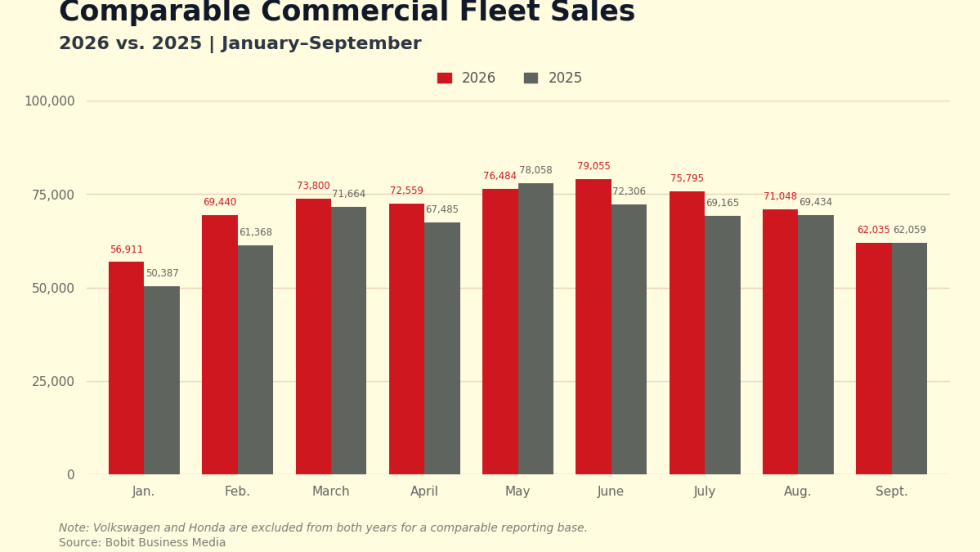
Commercial Fleet Sales Rise 5.8% Through September 2026
September commercial fleet sales were essentially unchanged from a year earlier, slowing year-to-date growth while keeping volume ahead of 2025.
Read More →
Hall of Fame Inductee: John Dmochowsky
The longtime Mondelēz International fleet executive joins the Automotive Fleet Hall of Fame.
Read More →
Hall of Fame Inductee: Lee Miller
After more than four decades at Boehringer Ingelheim, Lee Miller leaves a legacy built on fleet expertise.
Read More →
Hall of Fame Inductee: Mark F. Petersen
From managing fleets of thousands of vehicles to advancing safety and mentoring fellow professionals, Mark F. Petersen made his mark across both the corporate and supplier sides of fleet.
Read More →
When Charger Downtime Becomes a Fleet Availability Problem
As EV deployments move beyond pilot programs, charger reliability can directly affect vehicle readiness, driver productivity and route scheduling.
Read More →
2027 Nissan Rogue Hybrid Adds e-POWER, Standard AWD
The new Rogue Hybrid uses Nissan’s e-POWER system with dual electric motors, offers an estimated 40 mpg and starts at $35,490.
Read More →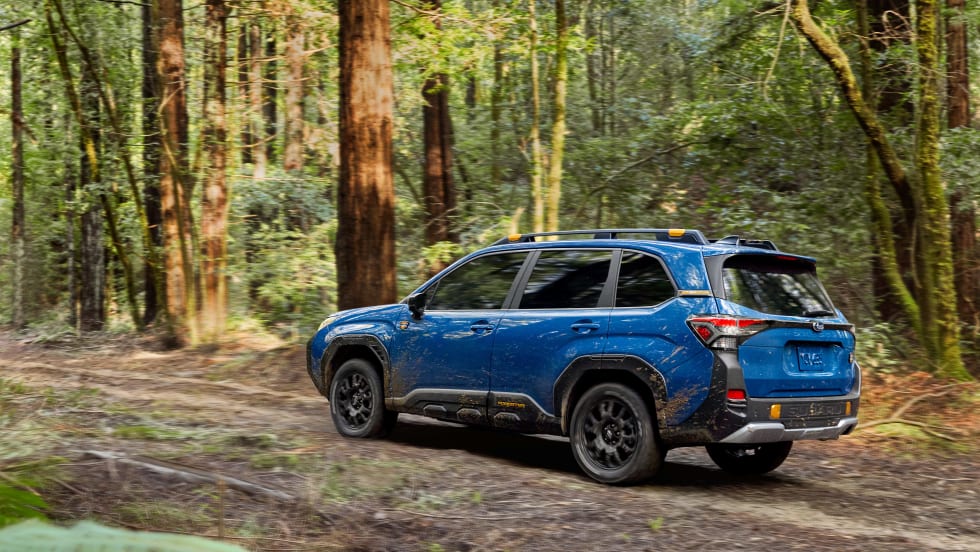
2027 Subaru Forester Adds First Wilderness Hybrid
The 2027 Forester lineup starts at $29,995 and adds a Wilderness Hybrid with 194 combined horsepower and 9.3 inches of ground clearance.
Read More →
EV Realty Names Henrik Holland President as Charging Platform Expands
The former Prologis Mobility and Shell executive will help expand EV Realty’s truck charging business and move its power-first infrastructure model into autonomous vehicle depots and other fleet sectors.
Read More →
Mercedes-Benz Introduces Electric GLC With Up to 350 Miles of Range
The GLC 400 4MATIC Electric features an 800-volt architecture, 330-kW DC fast charging and a 94-kWh battery, along with Mercedes-Benz's new MB.OS operating system.
Read More →
Fleet Has a Talent Pipeline Problem, not a Talent Problem
Where will the next generation of fleet leaders come from, and what does the industry need to do differently to find them?
Read More →