




Understanding Maintenance: EVs vs. ICE Vehicles
Data from Utilimarc’s Electric Vehicle Consortium shows how EVs are remaking fleet maintenance patterns, costs, and downtime compared to their ICE counterparts.
July 17, 2025

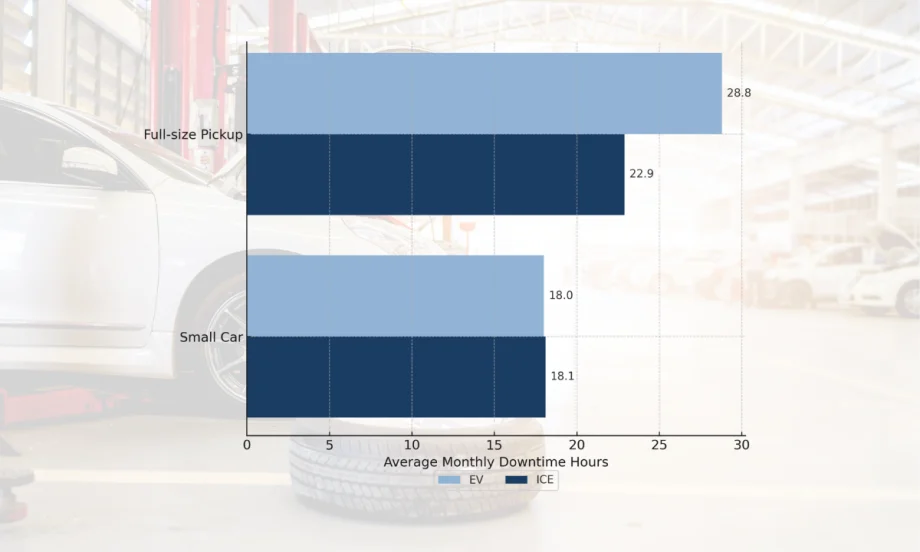
One factor in longer downtimes for electric pickups is the lack of trained technicians who are still building EV proficiency.
Source: Utilimarc's EV Consortium, BBM
3 min to read
The shift to electric vehicles (EVs) is bringing significant changes to fleet maintenance patterns. Traditional diesel and gas-powered vehicles with internal combustion engines (ICE) have long-established maintenance schedules for both demand (or corrective) maintenance (DM) and preventive maintenance (PM).
With EVs, however, the playbook is evolving.
Maintenance Visit Analysis: DMs and PMs
According to data and analysis from Utilimarc’s Electric Vehicle Consortium, electric pickups are logging fewer DMs than their ICE counterparts for model years 2022 through 2024 on an annual basis.
Two factors play a part: First, EVs have fewer mechanical parts, and in the case of electric pickups, EV Consortium data shows that they are traveling fewer miles than their ICE counterparts, reducing the likelihood of a demand maintenance event.
Preventive maintenance, however, is less about the technology and more about the mindset of the organization, according to Utilimarc. In general, across the EV Consortium member fleets, days between maintenance visits were 21 days longer in 2024 for EVs as compared to their ICE counterparts.
Fleets with proactive service philosophies are keeping close tabs on their EVs, regardless of actual preventive maintenance needs. A fleet leader from Nashville Electric Service noted, “Our service manager pulls in the Lightnings once a month just to check them over.”
Alternatively, some members are adjusting schedules based on real-world usage and maintenance data.
Downtime: What’s the Real Story?
When it comes to downtime, EVs present a mixed bag for fleet operators. EV Consortium data shows that, on average, EV pickups experience about six hours more downtime within a month than ICE pickups, whereas EV and ICE small cars experience about the same amount of downtime each month. While EVs have fewer moving parts and should, in theory, be quicker to repair.
Why the disparity? Consortium data reveals that the culprit isn’t mechanical failure; it’s logistics.
Some key challenges include:
Internal vs. Outsourced Maintenance: Fleets that outsource EV repairs often experience longer wait times due to a lack of control and shuttling vehicles back and forth. Internal technicians, meanwhile, are still building EV proficiency, which contributes to slow turnaround when maintenance is performed in the fleet’s own garages.
Learning Curve: As fleets continue to electrify, one theme is becoming clear: technician training isn’t just a nice-to-have, it’s critical and requires new tools, diagnostic processes, and training. Consortium member organizations have found that with in-sourced EV maintenance, a phased approach to training is effective, progressing from safety orientation to more advanced skills such as diagnostics and high-voltage servicing. This structure allows technicians to build competencies gradually and increase confidence. However, coordinating across multiple technician shifts, managing shop downtime, and securing budget for repeat training events all require logistical planning.
EV vs. ICE Maintenance Costs
When evaluating maintenance costs, the story gets even more complex. Cost comparisons of EVs to ICE vehicles often require careful context, especially when it comes to vehicle age and usage patterns.
Key Data Points:
The middle 50% of EV full-size pickups drive between 676 and 2,283 miles annually, whereas ICE pickups drive between 3,205 and 14,612 miles annually. Lower annual mileage on EVs can skew cost-per-mile calculations, making EVs look more expensive simply because the cost is spread over fewer miles.
In some cases, fleets may be over-maintaining EVs, scheduling unnecessary service visits out of an abundance of caution with unfamiliar technology.
The Takeaways for Fleet Managers
As technicians gain experience and competence working on electric vehicles, fleet managers will benefit from decreased downtime, stabilized maintenance intervals, and cost normalization.
Investing in internal EV training and carefully revisiting PM schedules can help mitigate some of today’s biggest challenges.
About the Electric Vehicle Consortium
The Electric Vehicle Consortium brings together fleet professionals, data analysts, and sustainability administrators to collaborate on solving the unique challenges of fleet electrification. Our members benefit from real-world data insights, collaborative research, and a strong peer network.
Fleets or vendors interested in joining or sponsoring can contact evconsortium.org to learn more.
Subscribe to Our Newsletter
More Green Fleet
Sponsored•October 1, 2026
New Propane Autogas Program Offers Fleet Compensation
Qualified commercial fleets can receive $7,500 per eligible propane autogas vehicle and up to $10,000 for new refueling site prep. Learn how the program works and see whether your fleet qualifies.
Read More →
EV Charging Use Is Outpacing Infrastructure Growth
ChargePoint’s 2026 Charging Forward Report points to rising charger use, higher-powered charging, commercial vehicle electrification, and energy-management technology. Here’s what fleets should know.
Read More →
Merchants Fleet Reports 290M EV Miles as Fleets Navigate Changing Electrification Market
From millions in operating savings to hundreds of millions of EV miles, Merchants Fleet’s latest report reveals what’s working and what’s changing in fleet electrification.
Read More →
The EV Breakdown Nobody's Talking About: Why Most Electric Vehicle Roadside Calls Aren't Mechanical Failures
Here's why EV breakdowns are widely misunderstood.
Read More →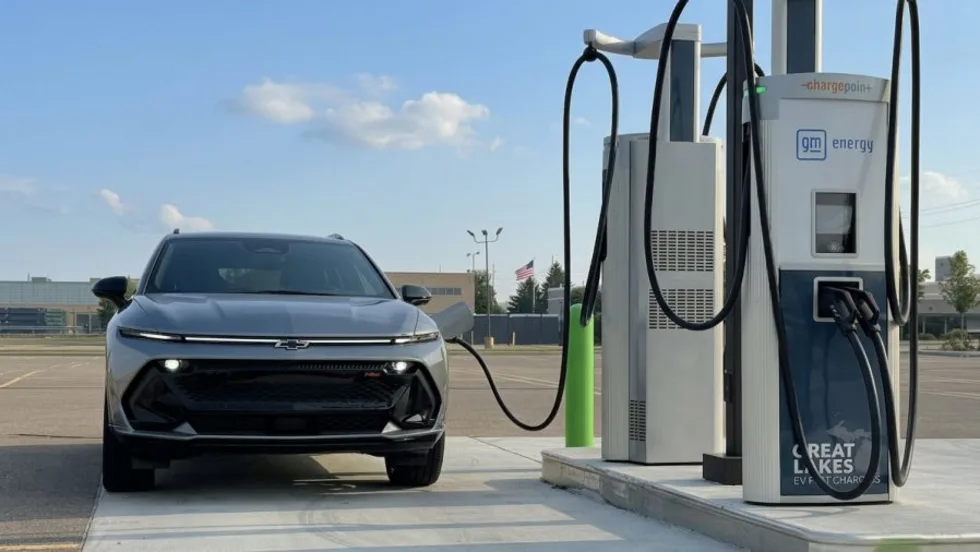
ChargePoint Now Available in Energy Pass
ChargePoint and additional planned charging network integrations were added to GM's Energy Pass.
Read More →

First Look: Slate Auto's Electric Fleet Pickup
Could an affordable, modular EV pickup make electrification more practical for fleets?
Read More →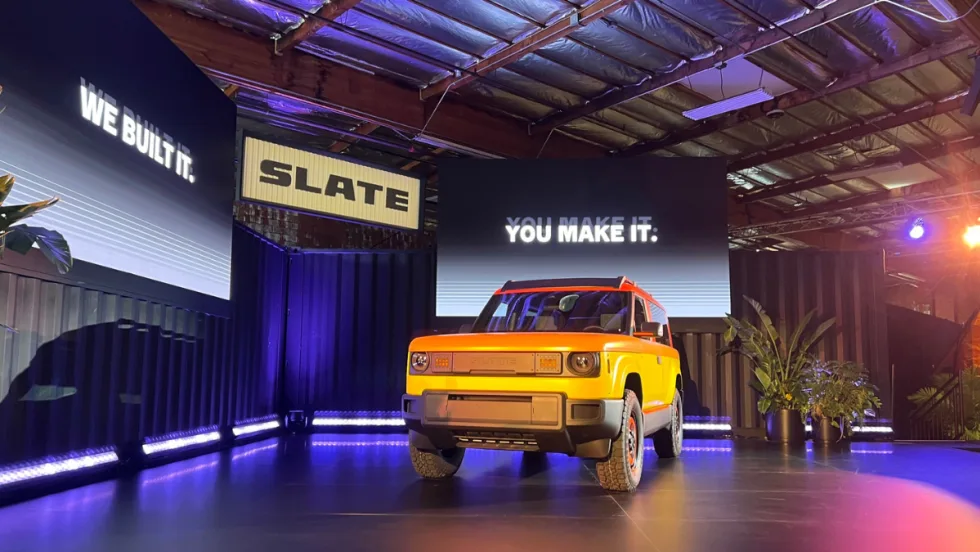
Slate Debuts Colorful, Unique EV Models
A recent media and client event, studded with electric vehicles dressed up on platforms, planted a new position for the manufacturer in the wider EV market. Fleets will find cost-saving advantages.
Read More →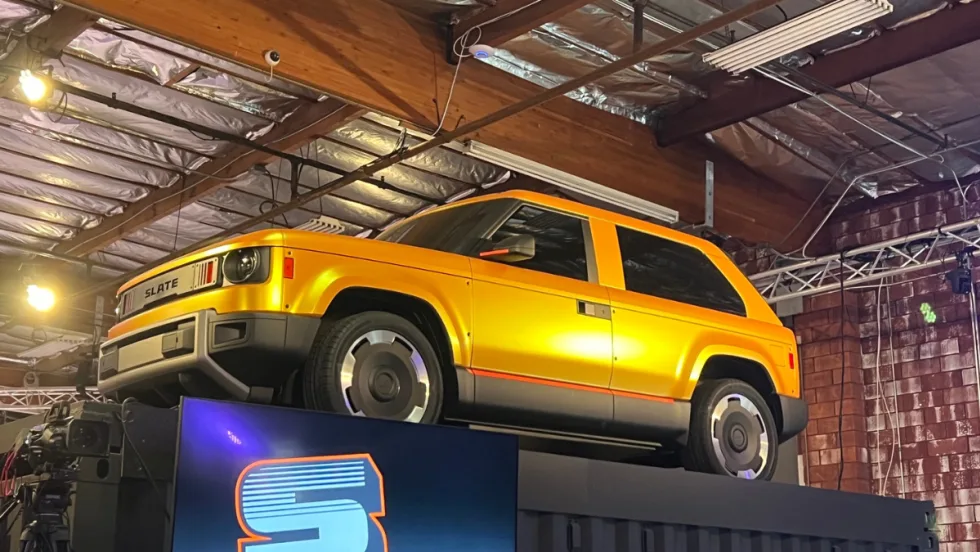
Slate Electric SUV, Pickup Switchable Model Aims For Light-Duty Fleets
Everything about this EV is counterintuitive and understated, making it stand out from the crowd.
Read More →
Inspiration Mobility Acquires Key Electrada Assets
Inspiration Mobility Group has acquired select assets of Electrada, adding the fleet electrification provider's team, technology, and charging infrastructure development capabilities to its energy management business.
Read More →