





Keep Reading: Enterprise Fleet Management Enters Its Next Leadership Chapter
How Do Drivers Perceive American Vs. Non-American Makes & Models?
New government data highlights how age, income, and politics shape vehicle ownership choices.
July 24, 2025
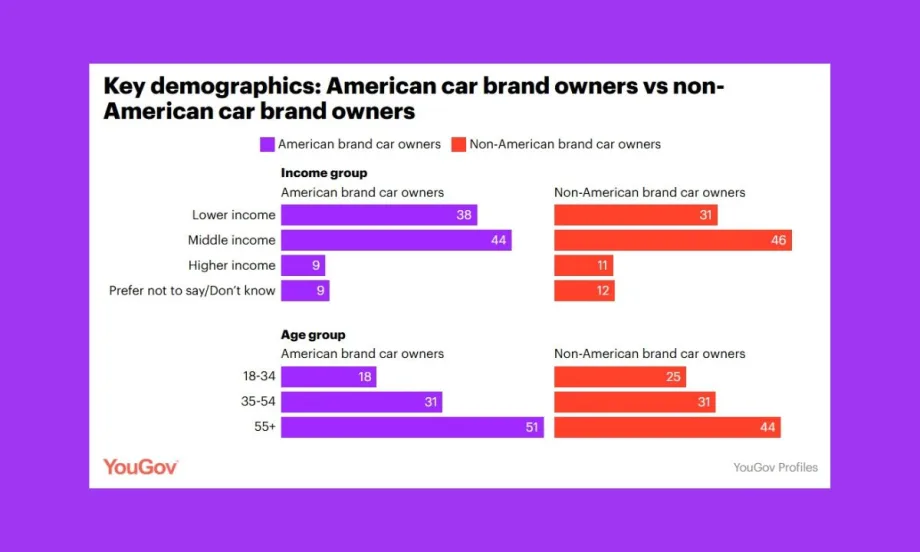
There's a demographic divide between American brand vehicle owners and non-American brand owners, according to data analysis from YouGov.
Photo: Torsten Dettlaff via Pexels
3 min to read
Fleet managers offering a selection of models for their drivers might be interested in a recent analysis released by YouGov.
Drivers of all different ages and ethnicities seem to be thinking about car brands differently. According to YouGov Profiles, the comparison between those who own American and non-American vehicles displays some key fundamental differences; the differences are not only in the basics—they are in how these groups think about driving.
Income and Age Affect Driver Thinking
51% of American-brand car owners are over the age of 55, with a remaining 44% for non-American car owners under that age. An additional 18% margin remains from ages 18 to 34 in the American car group.
The data only solidifies this trend, with 1/3 of American car owners earning 75% less than the median in the lower-income bracket compared to 31% of non-American car owners.
Why? It seems American automakers are attracting a specific kind of customer and inspiring brand loyalty
Conservative Vs. Liberal Values in Car Ownership
Drivers of American cars typically align with politically conservative values. 33% of American car brand drivers identify as conservative; conversely, only 26% of non-American car brand owners identify similarly.
The non-American brand group tends to identify as liberal or very liberal at 14% verses 8%.
This also signifies a larger-scale theme surrounding national pride and traditional values for the customers of American automakers.
Besides the Demographics: Ownership Attitude
The demographics surrounding income and political leanings aren’t the only statistical differences between the two groups.
60% of American-brand drivers would choose a powerful engine, while only 50% of non-American car drivers would. Additionally, 53% of American-brand drivers choose to wash their own vehicles and 21% choose to fix their own cars. Meanwhile, merely 17% of non-American owners fix their own vehicles.
44% of American-brand drivers say public transportation is “gross,” compared to 38% of non-American drivers.
Are the Owners Enthusiastic About Sustainability?
There’s a strong alignment between sustainability and non-American car brand owners.
51% of non-American brand owners believe in the future of electric vehicles in the industry, while only 39% of American brand owners align with those ideas.
55% of non-American car brand owners say we should all drive less for the environment while only 47% of American drivers say the same thing.
Lastly, 52% of non-American brand owners say that ownership is too expensive in contrast with 44% of American brand drivers.
How Ownership Affects the Approach to Car Shopping
Car shopping is no one’s favorite activity, but there are some strong trends surrounding decision-making and the purchase of a new vehicle.
Non-American car drivers tend to approach the process with a digital-first mindset by relying on online reviews. More specifically, 54% tend to make decisions based on those reviews while only 48% of American brand owners do the same.
It’s the same with consumer reports: 27% of non-American brand owners rely on them. American brand owners lag three paces behind at 24%.
In addition to online reports, non-American owners use manufacturer sites more commonly at 36% while only 32% of American brand owners use them. More commonly, American brand owners go to used car sites and auto shows.
What Does This Mean for Fleet?
Fleet managers work with automakers to provide models and update selector lists. If managers keep up to date on what drivers want based on the data, then decisions become more informed based on those numbers in a variety of aspects, such as sales or vehicle selections.
Subscribe to Our Newsletter
More Vehicle Research
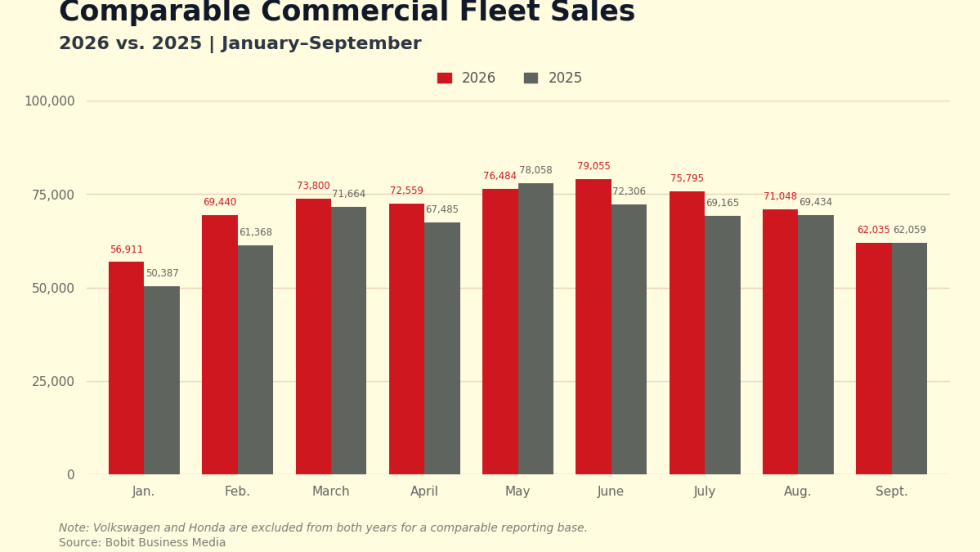
Commercial Fleet Sales Rise 5.8% Through September 2026
September commercial fleet sales were essentially unchanged from a year earlier, slowing year-to-date growth while keeping volume ahead of 2025.
Read More →
Hall of Fame Inductee: John Dmochowsky
The longtime Mondelēz International fleet executive joins the Automotive Fleet Hall of Fame.
Read More →
Hall of Fame Inductee: Lee Miller
After more than four decades at Boehringer Ingelheim, Lee Miller leaves a legacy built on fleet expertise.
Read More →
Hall of Fame Inductee: Mark F. Petersen
From managing fleets of thousands of vehicles to advancing safety and mentoring fellow professionals, Mark F. Petersen made his mark across both the corporate and supplier sides of fleet.
Read More →
When Charger Downtime Becomes a Fleet Availability Problem
As EV deployments move beyond pilot programs, charger reliability can directly affect vehicle readiness, driver productivity and route scheduling.
Read More →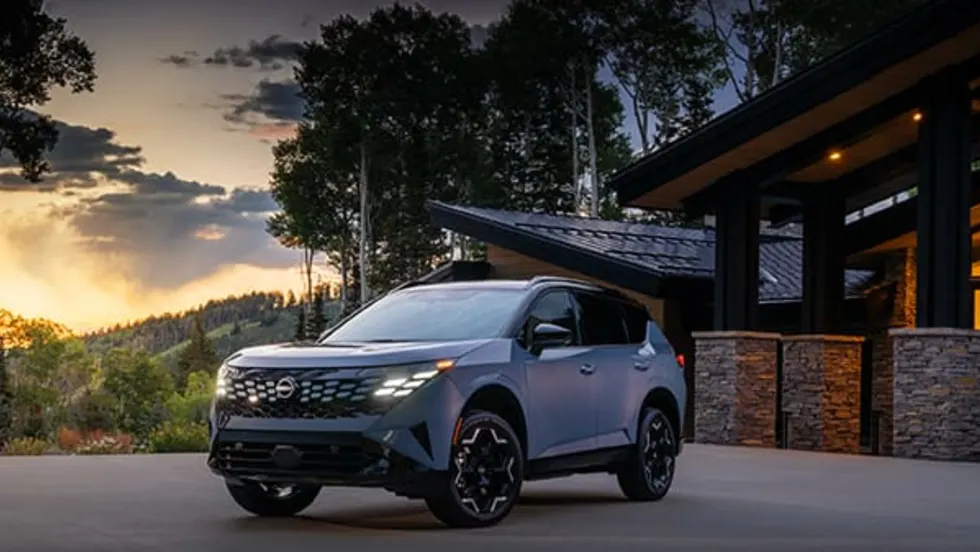
2027 Nissan Rogue Hybrid Adds e-POWER, Standard AWD
The new Rogue Hybrid uses Nissan’s e-POWER system with dual electric motors, offers an estimated 40 mpg and starts at $35,490.
Read More →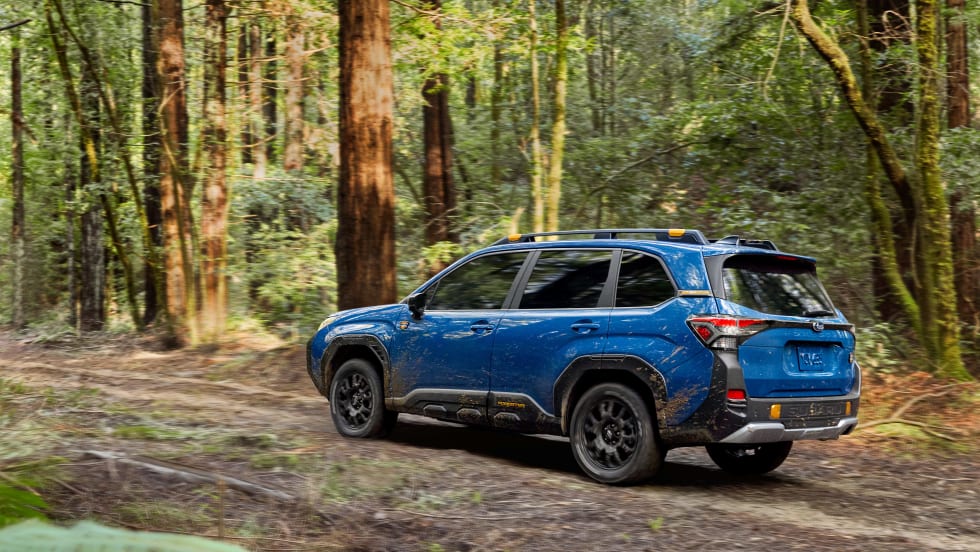
2027 Subaru Forester Adds First Wilderness Hybrid
The 2027 Forester lineup starts at $29,995 and adds a Wilderness Hybrid with 194 combined horsepower and 9.3 inches of ground clearance.
Read More →
EV Realty Names Henrik Holland President as Charging Platform Expands
The former Prologis Mobility and Shell executive will help expand EV Realty’s truck charging business and move its power-first infrastructure model into autonomous vehicle depots and other fleet sectors.
Read More →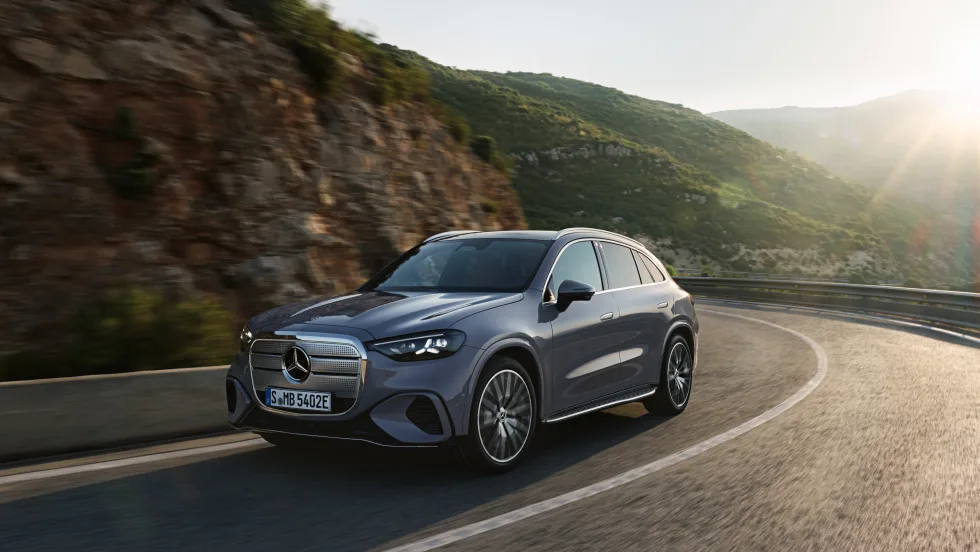
Mercedes-Benz Introduces Electric GLC With Up to 350 Miles of Range
The GLC 400 4MATIC Electric features an 800-volt architecture, 330-kW DC fast charging and a 94-kWh battery, along with Mercedes-Benz's new MB.OS operating system.
Read More →
Fleet Has a Talent Pipeline Problem, not a Talent Problem
Where will the next generation of fleet leaders come from, and what does the industry need to do differently to find them?
Read More →