




Related: How NOV Uses Telematics to Improve Fleet Safety Across 160 Locations
Fuel is Just the Start: How Middle East Tensions are Driving Up Fleet Maintenance Costs
The Middle East conflict is doing more than pushing up fuel prices. It’s also raising the cost of key maintenance products your fleet depends on, from motor oil to tires to windshield wipers. Here’s what you need to know about this budget-busting situation.
by Jenny Baker
June 25, 2026
Rising fuel prices are only part of the story as Middle East supply disruptions tighten supplies of synthetic oils and petroleum-based components, driving fleet maintenance costs higher.
Credit:
Automotive Fleet
7 min to read
- Middle East tensions are causing an increase in fleet maintenance costs, not just fuel prices.
- Essential maintenance products like motor oil, tires, and windshield wipers are becoming more expensive.
- Fleet operators face budget challenges due to these rising costs linked to geopolitical conflicts.
*Summarized by AI
It’s no surprise to anyone old enough to drive a car that the current Mideast conflict has driven up fuel prices. It’s been an economic gut punch for so many people and, as fleet managers know, for countless companies, too. What has received less attention, however, is how the Mideast situation is also increasing maintenance costs. The same supply chain disruptions that have driven up fuel prices are also constraining the availability of synthetic motor oil, transmission fluid, and a long list of petroleum-derived components that your fleet can’t do without. Here’s what fleet managers (and CFOs) need to know.
The Synthetic Oil Squeeze is Real, and it’s Just Beginning
The foundation of virtually every synthetic motor oil and modern transmission fluid on the market is what’s called Group III base oils. And here’s the rub: roughly half of the U.S. supply comes from the Middle East, and that supply has been dwindling. To make matters worse, the Independent Lubricant Manufacturers Association expects the shortage of Gulf-region Group III oils to last through at least mid 2027.
Not surprisingly, some OEMs have pivoted to manage this situation as best they can. For example, Nissan began rationing synthetic motor oil to its dealers on May 21. Under their new motor oil allocation system, the dealers receive just 70 percent of last year's volume for 5W-30 and only 55 percent for 0W-20. Toyota issued a similar bulletin on April 30, warning of supplier challenges from ExxonMobil on its Genuine Toyota Motor Oil 0W-8 and 0W-16.
While synthetic blends and full synthetics are taking the biggest hit, conventional oil is not immune. Group II oils, the kind used in conventional motor oil, would normally be the fallback when Group III supplies tighten. But refiners are instead routing those supplies into diesel and jet fuel, where margins are at a stunning 40-year high.
The lack of motor oil supply is so acute that the American Petroleum Institute activated an “Emergency Provisional Licensing” policy on March 25, allowing oil marketers, under certain conditions, to substitute components while maintaining their quality certifications.
It’s no wonder, then, that some distributors are reporting a six-month stock turnover in just 30 days! This remarkable situation could lead to some deeply concerning outcomes. For example, Petra Automotive Products CEO Arnold Gacita claims automakers could face the same problem the chip shortage created during the Covid pandemic. This, he says, could mean finished vehicles sitting on lots because there’s no transmission fluid to fill them. That should send a shiver up every fleet manager’s spine.
“The fleets that get out ahead of this now, by confirming oil availability with their service providers and reviewing their preventive maintenance schedules, will be those who stand the chance of avoiding significant downtime in the second half of the year,” says Jenny Baker, Maintenance Manager at Mike Albert Fleet Solutions. “The time to act is like, well, yesterday.”
The Petroleum Problem Reaches Well Beyond the Gas Tank and Oil Pan
Petroleum is the raw material behind a long list of items every vehicle in your fleet relies on, and, unfortunately, price pressure on crude flows through to all of them. The result is rising fleet management costs in places you may not have considered.
- Tires. The synthetic rubber and the processing oils used to make tires are petroleum-derived. Tire companies have absorbed several rounds of raw-material hikes over the past few years, and another is now working through their supply chains.
- Transmission, brake, and power steering fluids. Every one of these uses petroleum components. Transmission fluid, in particular, shares the same Group III base stocks as synthetic motor oil and is, therefore, on the same shortage curve.
- Sealants, gaskets, hoses, and belts. These require synthetic rubber and engineered polymers, both of which are subject to the same upstream pressures.
- Wiper blade inserts. The rubber compounds in a wiper blade are yet another petroleum byproduct. This is a small line item, for sure, yet representative of how deep the Mideast conflict reaches.
- Plastic and vinyl interior components. Dashboards, door panels, and a long list of under-the-hood plastics are all derived from petroleum feedstocks. For fleets buying new vehicles, these costs are baked into the sticker. For fleets ordering replacement parts after an accident or a recall, lead times and prices are both moving in the wrong direction.
In short, the prices of many vehicle consumables are rising simultaneously, driven by the same root cause. “When you look at a fleet budget on a per-vehicle basis, it’s easy to focus on fuel costs because that number is so visible and significant,” says Baker. “But the rest of the maintenance budget is increasing too. Most of our clients are asking what their true cost per mile is going to look like six months from now, and that is precisely the right question to be posing.”
Five Things Fleet Managers Can Do Right Now
There is, of course, no magic lever that makes crude oil cheaper. If only, right? But there are a handful of ways that fleet managers can meaningfully reduce the negative impact of these rising operating costs. Here are five moves to consider.
- Confirm your lubricant supply chain. Talk to your service providers now about which oil weights they have on hand, where they are sourcing, and what their contingency plan looks like if their distributor goes on allocation. Do not assume the bulk tank will always be full; it almost certainly won’t be.
- Tighten up your fleet preventive maintenance program. Missed oil changes are expensive regardless of market conditions. However, in a market where the oil itself may be rationed, missed changes can be particularly disruptive to fleet operations. Make sure every vehicle is on schedule and that service intervals are matched to actual usage rather than calendar guesses. Telematics data can make this visible at the vehicle level, so you’re not paying for early services or missing the ones that matter.
- Get serious about driver behavior. Research from the NAFA Fleet Management Association indicates that an inefficient driver will use 15 to 40 percent more fuel than an efficient driver with an identical vehicle. (Read that again. That’s 15 to 40 percent more!) Drivers who receive structured feedback improve their fuel economy significantly, particularly when incentives are attached. Consistent, constructive coaching is the highest-leverage fuel-savings move that most fleets can adopt. (Learn more about reducing fuel costs here.)
- Use your fuel card data, not just your fuel card. A program with a partner like WEX does more than control where and what your drivers buy. It generates the transaction-level data you need to see fraud patterns, route inefficiencies, and pricing trends across the fleet. In a volatile market, that visibility is worth even more than the rebate.
- Reevaluate replacement cycles and remarketing timing. Higher fuel and fleet maintenance costs change the math on total cost of ownership and when to cycle a vehicle out. The used-vehicle market is also shifting, and timing matters more than usual right now. If your last lifecycle analysis was done before February, it’s probably worth a fresh look.
“The fleets that will come through all of this in the best shape possible will be those that treat this situation as a planning and logistics problem to manage,” says Baker. “What gets fleets in trouble is waiting until per-unit costs show up on quarterly reports before asking questions and taking action.”
When Something on the Other Side of the World Rocks Your Own
It’s irritating, but yes, one supply chain chokepoint half a world away can meaningfully impact the cost structure of running a fleet in Ohio, Texas or anywhere else in the country. Fuel is the most visible signal, but it’s not the only one. The total impact is showing up on virtually every line of the 2026 fleet maintenance budget.

Credit:
Jenny Baker
About the Author: Jenny Baker is the Maintenance Manager at Mike Albert Fleet Solutions. An ASE Certified professional with over 30 years in the automotive industry, she has held service and warranty leadership roles at Lexus, Toyota, and Busam Automotive prior to joining Mike Albert in 2019. Her published work has appeared in Fleet Maintenance, Fleet Owner, Work Truck, and Ratchet + Wrench.
Subscribe to Our Newsletter
More Fuel
Fuel Prices Surge in September | September Fuel Update
September brought major fuel price swings, including diesel crossing $6 a gallon. Here’s how gas and diesel prices changed throughout the month, and where they stood heading into October.
Read More →
Turning Fleet Payment Data into Executive Insights
Ramel Lindsay of U.S. Bank Voyager discusses how fleets can transform payment and transaction data into actionable intelligence to reduce costs, improve oversight, and support executive decision-making.
Read More →
Why the IRS Raised Its Mileage Rate in the Middle of 2026
Fuel-price volatility drove the rare increase to 76 cents per mile, the fifth midyear adjustment since 2000.
Read More →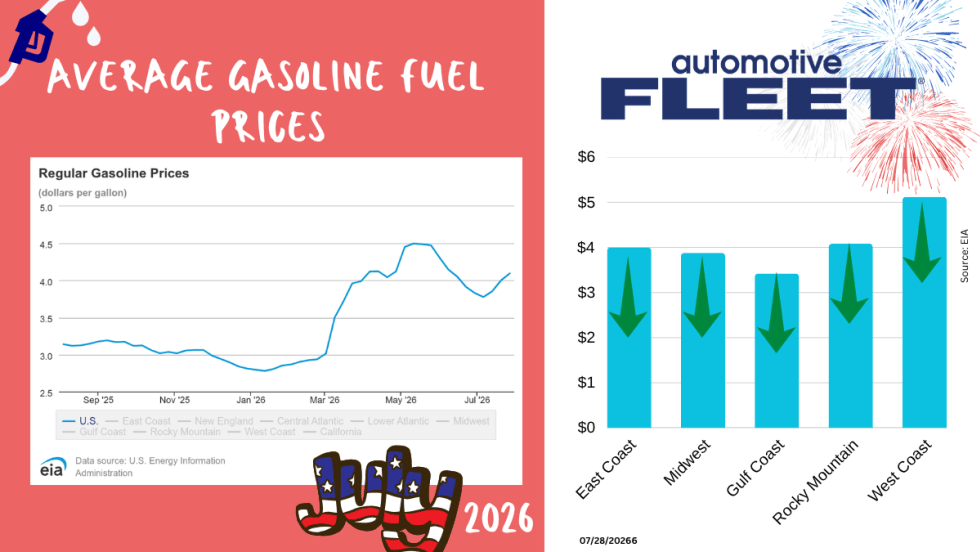
July Fuel Update: Prices Keep Rising in Light of More Conflict
Gas prices continue to rise as more and more conflicts do, too.
Read More →
Bob Adamsky on Fuel Volatility: "Don't Panic, Have a Plan."
When it comes to up and down fuel prices, Adamsky has a message for fleets: “Don’t panic.”
Read More →
How Fleets Can Gain Control of Non-Fuel Spend
Fuel often gets the spotlight, but non-fuel expenses can have a major impact on fleet costs. Ramel Lindsay of U.S. Bank Voyager discusses how fleets can gain better visibility and control over these often-overlooked expenditures.
Read More →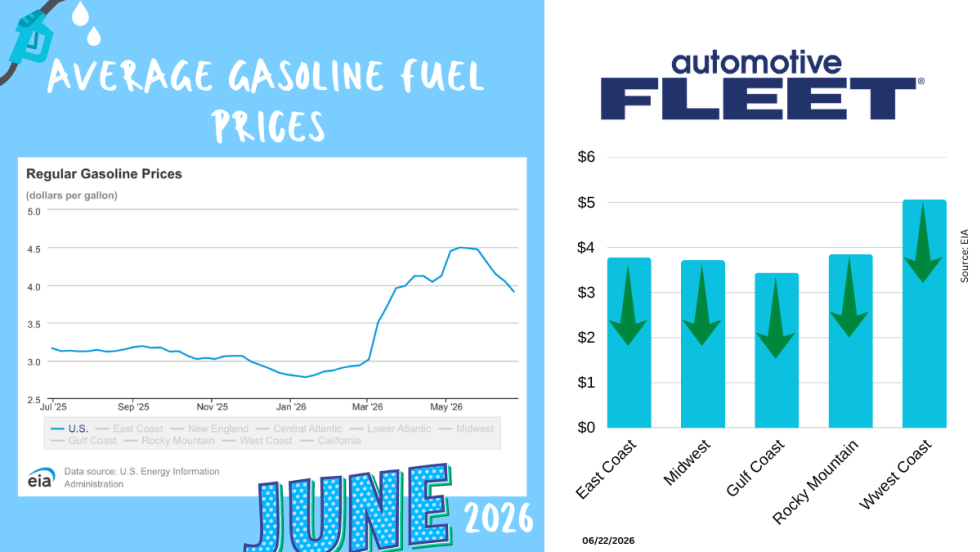
June Fuel Update: Prices Fall Below $4
Drivers are finally getting some relief at the pump. The national average gas price has dropped below $4 a gallon for the first time in months, with prices falling in 47 states as oil markets react to developments in U.S.-Iran negotiations.
Read More →
Study: How 2026's Gas Price Hikes Affect Different Vehicle Types
New data from iSeeCars reveals how rising fuel costs have affected different vehicle segments as gasoline prices climbed nearly 46% over the past four months.
Read More →
May Fuel Update: All Regions Experience Declines
Gas prices are finally easing in much of the country, but experts warn global tensions could quickly reverse the trend as the national average remains well above last month’s levels.
Read More →
April Fuel Update: Prices Climb Above $4 as Spring Surge Accelerates
National average jumps to $4.04 per gallon, up sharply from last year, with West Coast prices topping $5 and further increases expected amid rising oil tensions.
Read More →