




Why the IRS Raised Its Mileage Rate in the Middle of 2026
Fuel-price volatility drove the rare increase to 76 cents per mile, the fifth midyear adjustment since 2000.

The unusual adjustment also provides an opportunity to review whether a national cents-per-mile rate remains appropriate for different driver populations.
Automotive Fleet
The Internal Revenue Service has increased the 2026 standard business mileage rate from 72.5 cents to 76 cents per mile, effective July 1.
Fuel-price volatility drove the 3.5-cent increase, according to Motus, which supplies vehicle-cost data used to support the IRS calculation. The 4.8% adjustment is only the fifth mid-year change since 2000. Previous adjustments occurred in 2005, 2008, 2011, and 2022, during periods of substantial fuel price disruption.
“Employees who drive for work feel the effects of changing fuel prices every time they fill up their tank,” said Phong Nguyen, CEO of Motus. “A midyear rate adjustment recognizes the changing costs that organizations and employees are facing.”
The IRS rate incorporates both fixed and variable vehicle costs. However, fuel is especially likely to force an off-cycle adjustment because its price can change quickly enough to render a rate established at the beginning of the year outdated.
Other expenses, including insurance, maintenance, financing, and depreciation, typically move more gradually—and not necessarily in the same direction.
“Operating costs haven’t necessarily become more volatile, but they have become more complex,” said Alan Wisniewski, director of fleet and partnerships at Cardata. “Different cost categories are moving independently of one another.”
What the New Rate Means for Fleets
The new rate does not require employers to reimburse drivers at 76 cents per mile. However, organizations that use the IRS rate as a reimbursement benchmark will need to decide whether to adopt it for mileage accumulated beginning July 1.
The unusual adjustment also provides an occasion to review whether a national cents-per-mile rate remains appropriate for different driver populations. Alternatives include fixed and variable rate programs, accountable allowances, and company-provided vehicles.
“The IRS standard mileage rate is a useful benchmark, but it’s a national average that doesn’t reflect every driver’s circumstance,” Wisniewski said.
Nguyen similarly cautioned against treating the increase solely as an arithmetic change. “The question isn’t simply, ‘Should we reimburse more?’ It’s, ‘Are we reimbursing the right way?’” he said.
For fleets, the immediate change is an additional 3.5 cents per business mile. The broader significance is that fuel costs moved far enough and fast enough to make the original 2026 benchmark obsolete after six months.
More Fuel
Fuel Prices Surge in September | September Fuel Update
September brought major fuel price swings, including diesel crossing $6 a gallon. Here’s how gas and diesel prices changed throughout the month, and where they stood heading into October.
Read More →
Turning Fleet Payment Data into Executive Insights
Ramel Lindsay of U.S. Bank Voyager discusses how fleets can transform payment and transaction data into actionable intelligence to reduce costs, improve oversight, and support executive decision-making.
Read More →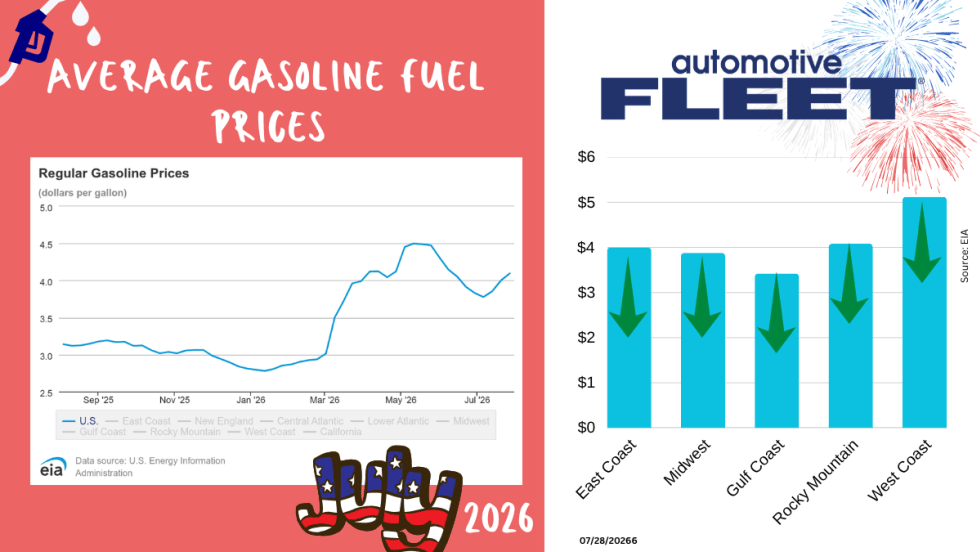
July Fuel Update: Prices Keep Rising in Light of More Conflict
Gas prices continue to rise as more and more conflicts do, too.
Read More →
Bob Adamsky on Fuel Volatility: "Don't Panic, Have a Plan."
When it comes to up and down fuel prices, Adamsky has a message for fleets: “Don’t panic.”
Read More →
How Fleets Can Gain Control of Non-Fuel Spend
Fuel often gets the spotlight, but non-fuel expenses can have a major impact on fleet costs. Ramel Lindsay of U.S. Bank Voyager discusses how fleets can gain better visibility and control over these often-overlooked expenditures.
Read More →
Fuel is Just the Start: How Middle East Tensions are Driving Up Fleet Maintenance Costs
The Middle East conflict is doing more than pushing up fuel prices. It’s also raising the cost of key maintenance products your fleet depends on, from motor oil to tires to windshield wipers. Here’s what you need to know about this budget-busting situation.
Read More →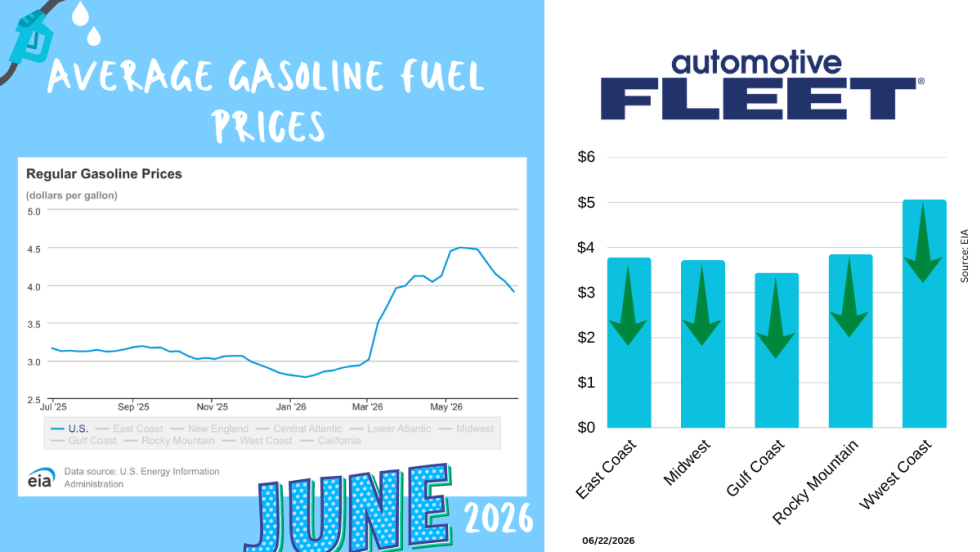
June Fuel Update: Prices Fall Below $4
Drivers are finally getting some relief at the pump. The national average gas price has dropped below $4 a gallon for the first time in months, with prices falling in 47 states as oil markets react to developments in U.S.-Iran negotiations.
Read More →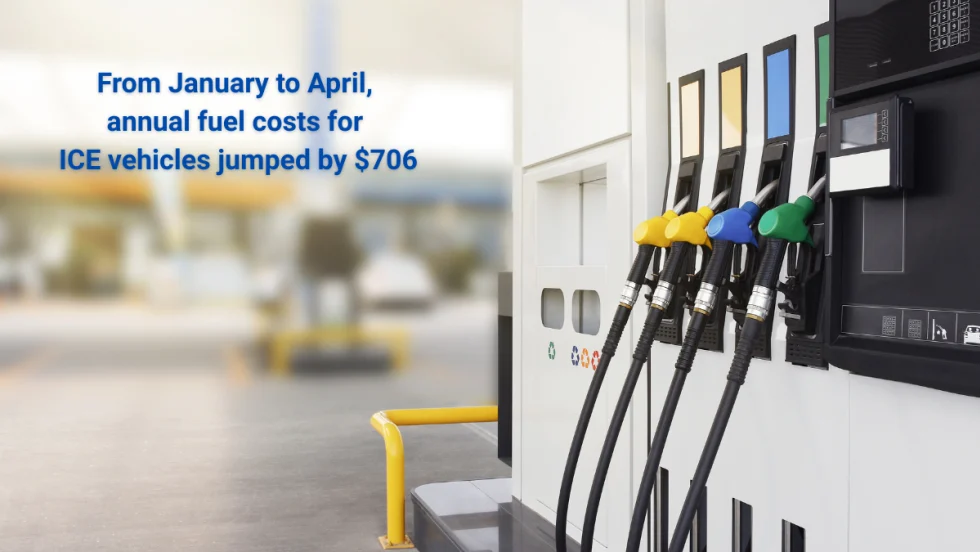
Study: How 2026's Gas Price Hikes Affect Different Vehicle Types
New data from iSeeCars reveals how rising fuel costs have affected different vehicle segments as gasoline prices climbed nearly 46% over the past four months.
Read More →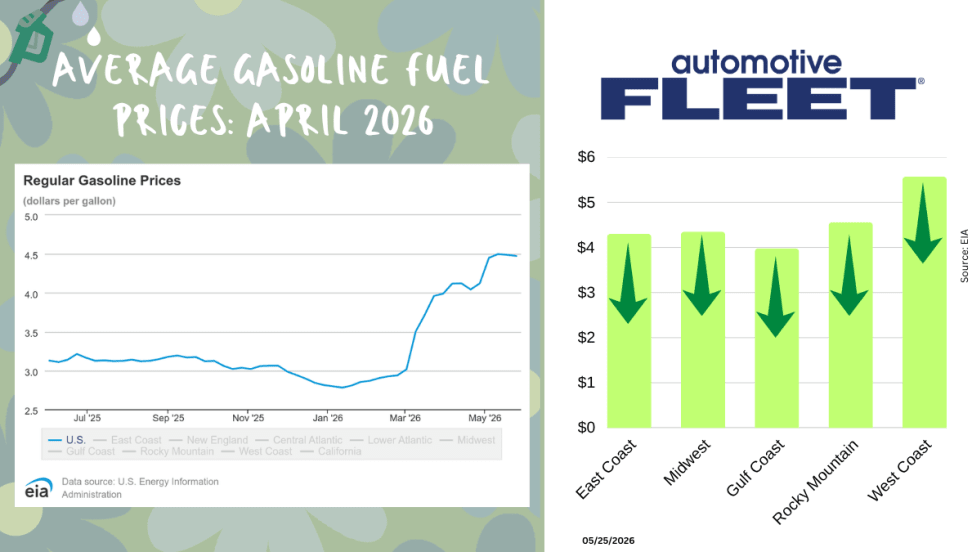
May Fuel Update: All Regions Experience Declines
Gas prices are finally easing in much of the country, but experts warn global tensions could quickly reverse the trend as the national average remains well above last month’s levels.
Read More →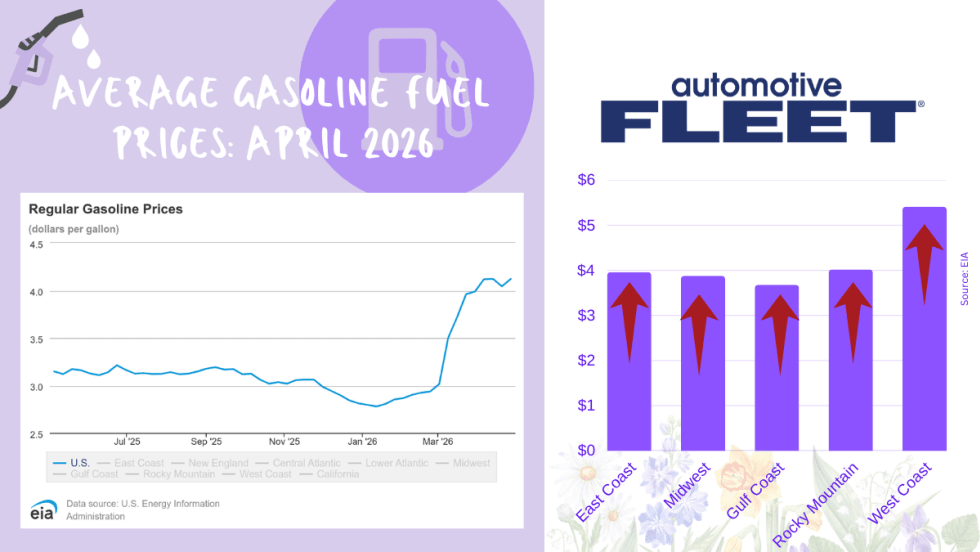
April Fuel Update: Prices Climb Above $4 as Spring Surge Accelerates
National average jumps to $4.04 per gallon, up sharply from last year, with West Coast prices topping $5 and further increases expected amid rising oil tensions.
Read More →