





Check Out:Fleet Managers on Retention, Compliance, AI, and Safety
From Clipboards to Connected Cars: Fleet Veterans Reflect on Five Decades of Changes
Fleet leaders share firsthand accounts of how tech, disruption, and purpose reshaped the job, but the heart of the industry still lies with the people who keep everything moving.
May 22, 2025
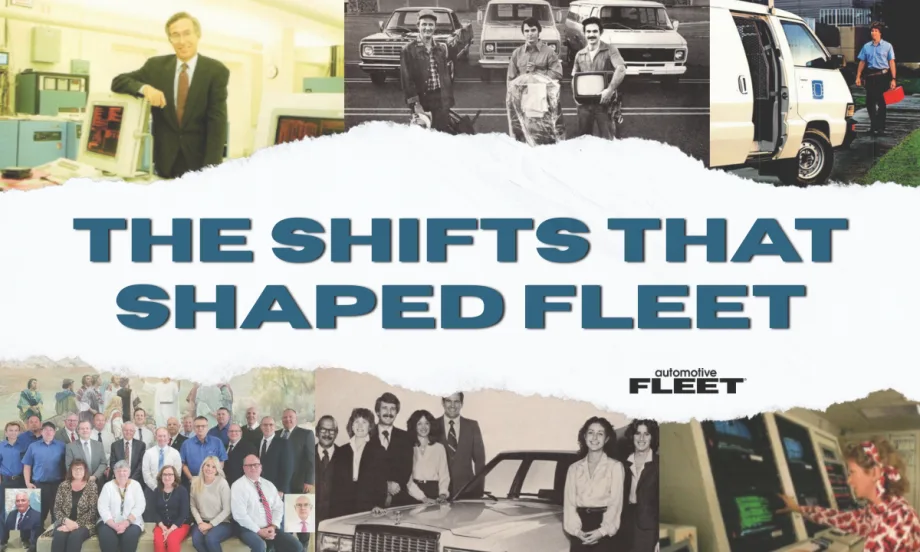
Whether it's the camaraderie forged over decades, the role of vehicles in employee recruitment and retention, or the value of empathy and listening, people are still at the core of what makes fleet work.
Photo: Automotive Fleet
7 min to read
The fleet industry has evolved dramatically over the past five decades, reshaped by technology, regulations, environmental consciousness, and changing workforce dynamics.
But the core mission has remained constant: move people and products safely, efficiently, and strategically.
In this article, Automotive Fleet presents a collective history drawn from seasoned fleet leaders who have lived this transformation and, in many cases, led it. For many, fleet management wasn't the original "dream job." However, what started as a side road eventually became the main highway.
For example, Susan Miller, currently an independent consultant at MPG Miller Group, began her journey as an assistant to the treasurer of ServiceMaster Industries, eventually becoming a trusted consultant and mentor to her peers through fleet manager positions at Keebler Company and McDonald's, and then on the vendor side with Geotab.
Theresa Belding moved from a data entry role at Forest Pharmaceuticals to overseeing a fleet of over 4,000 vehicles in the pharmaceutical industry. She recently exited her fleet manager role at Exact Sciences.
Others, like Charlie Stevenson, vice president of fleet at Essential Utilities, and Matthew Betz, founder of Ore Creek Fleet Consulting, came up through the ranks as mechanics and leasing agents, respectively. Their stories reflect the organic and often unexpected ways fleet professionals enter the industry.
How Fleet Adapted Through Disruption
Over the years, fleet management has undergone many changes, shaped by events like fuel shortages, new technologies, and global challenges. Each shift challenged companies to adapt how they ran their fleets and made long-term decisions.
Industry-defining shifts emerged across the interviewees' accounts:
Oil Crises of the 1970s and 2000s: These moments drove a reevaluation of fleet vehicle selection and sparked fuel efficiency initiatives, leading to domestic manufacturers' development of more fuel-efficient vehicles. Belding recalled how her company pivoted to four-cylinder vehicles in response to soaring fuel prices.
Digitization and Telematics: The rise of telematics has arguably had the most significant impact on modern fleet operations. As John Dmochowsky, who retired as a senior global fleet manager at Mondelēz International, noted, digitization and external stakeholder innovation revolutionized how fleets track, analyze, and act on data.
Distracted Driving: What may seem like a modern issue must have started somewhere. Fleet managers with decades of experience can recall the implementation of car phones and early cell phones as the starting point of driver distraction. This issue has only intensified with the rise of smartphones and constant connectivity, causing many more challenges for fleet managers with driver safety.
Environmental Accountability and Electric Vehicles: What began as voluntary emissions tracking has become a driving mission for some companies. Joe LaRosa, who held fleet and procurement positions at Ascenia Diabetes Care, Merck, and Bristol-Myers Squibb, pointed out how emissions data transitioned from annual reports to daily operational metrics. Today, fleet managers must balance ESG goals with infrastructure challenges.
Post-COVID Supply Chain Disruptions: As Stevenson emphasized, pandemic-era supply issues weakened vendor relationships and fundamentally shifted fleet planning. The COVID era was also a turning point that made budgeting and invoice processing more challenging, with fleet managers having to navigate a more complex financial terrain post-pandemic.
A major shift that may often go overlooked in the "modern" day is the wider availability of desktop computers through the 80's and 90's. After the desktop computer's introduction, advanced software versus mainframe operations and increased use of the internet revolutionized the development of fleet management systems.
"This was perhaps one of the most exciting, creative, and innovative years of my career until the introduction and advancement of GPS technology and telematics in the 2000s," Miller said.
Charlie Schott, fleet director at Rollins, also referenced the introduction of diesel engine sedans in Europe. U.S. import restrictions kept these vehicles from the domestic market, indirectly benefiting American gas engine manufacturers. Plus, stricter emissions standards for diesel engines had a notable impact on heavy-duty truck OEMs and engine producers.
The issues fleet leaders face today require heightened strategic planning and resilience in fleet management. Fleet managers are now expected to balance cost, safety, technology, and corporate alignment more diligently than ever before.
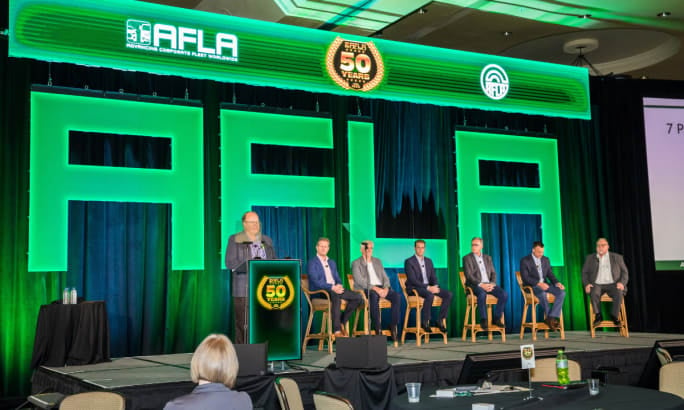
Mike Antich, former associate publisher of Automotive Fleet, helps celebrate the 50th anniversary of the Automotive Fleet & Leasing Association (AFLA) in Phoenix, Arizona, in 2019.
Photo: AFLA
Data's Dilemma: Insight vs. Overload
Although cost control has always been central to fleet management, the definition of value has expanded.
At one point, a fleet manager's primary concern may have been vehicle acquisition price, but today's fleet leaders prioritize total cost of ownership, driver safety, and alignment with corporate ESG goals. Betz observed that fleet managers now focus on the value of "getting drivers home safely" above all else.
Many interviewees chuckled over their early tools, such as fax machines, spreadsheets, and handwritten logs. Some remember starting with "#2 pencils and erasers." Today, fleet managers deal with an overabundance of real-time data from telematics, FMC platforms, and AI-based analytics.
Lee Pierce, director of corporate fleet at PremiStar, and Miller noted that while traditional priorities like safety and utilization remain, the ability to act on real-time data has raised expectations for performance. However, Pierce added, "Access and managing the data has become easier, but it has added a complexity that didn't exist 20 years ago."
It's not a secret that data is a double-edged sword.
"Now that you have all this data, how do you use it, and what pain levels are you willing to take to administer or propose changes in your fleet operations?" LaRosa said.
Although data can unlock the opportunity for powerful operational improvements, it also introduces complex dynamics, especially regarding employee oversight. A growing reliance on telematics offers fleets unrivaled visibility into vehicle usage, location, and driver behavior.
However, that same visibility can raise employee concerns about surveillance and privacy, complicating management and staff relationships.
"Sometimes our employees believe Big Brother is watching, and it doesn't always bode well for the relationship of the employee and the manager," Stevenson added.
Fleet managers must weigh the benefits of greater oversight with the potential impact on team morale. Industry leaders are challenged to implement these tools and build a culture of transparency where employees understand how and why the data is being used.
Without thoughtful communication, even the best technology can backfire.
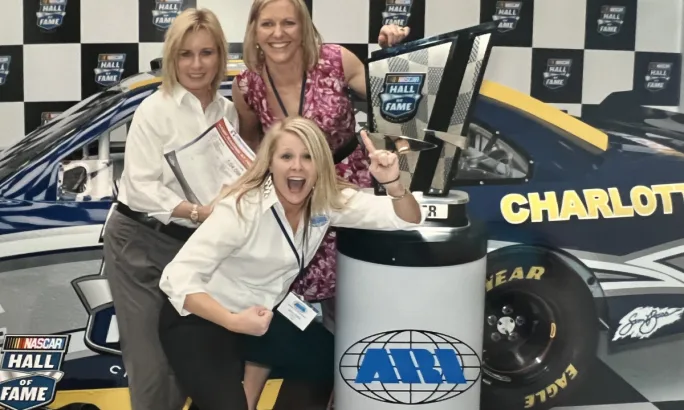
Fleet manager Theresa Belding (top right) enjoys a laugh with colleagues at a fleet management company outing during the 2011 NAFA conference in Charlotte, North Carolina.
Photo: Theresa Belding
New Demands, New Dynamics
Fleet management isn't what it used to be, and neither is the job of the person running it.
The modern fleet manager faces new and layered challenges, including:
Multigenerational Workforces: Dmochowsky highlighted the importance of listening and adapting to different generational expectations.
Complex Vehicle Technology: Belding said that today's vehicles come packed with electronics that can stump even dealership technicians.
Expanded Responsibility: Pierce pointed out that fleet managers now often oversee heavy equipment and assets beyond trucks, vans, and passenger vehicles.
Most notably, the company vehicle has become a powerful recruiting tool. Belding shared that "What will I be driving?" is now a top question during the hiring process.
As some interviewees pointed out, they're no longer just handling cars and trucks. They're managing equipment, navigating recruiting conversations, and playing a bigger role in company strategy than ever before.
"I see the new fleet managers as talented and passionate about their role in response to new industry challenges. The team approach is the best way to fix challenges. Remember, 'It takes a village,'" Dmochowsky said.
The image of the fleet manager as a back-office administrator is long gone. Today's leaders are strategic operators, data analysts, and cross-functional collaborators. Schott described this shift as a move from "insulated" roles to positions that directly impact corporate objectives.
"Today, asset managers need a broader skill set to demonstrate the ability to contribute to corporate objectives, as opposed to an administrative role," Schott said.
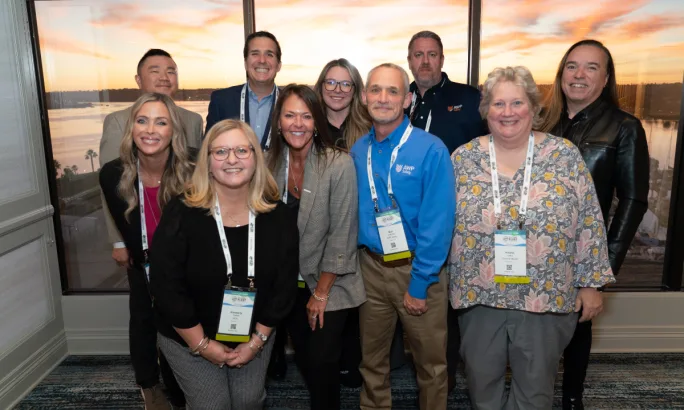
Fleet managers and vendor partners enjoy the San Diego sunset at the 2024 Global Fleet Conference.
Photo: Ross Stewart / Stewart Digital Media
Moving More Than Vehicles
Fleet management has always been about movement, but not just of vehicles. It moves with the times, the tech, and the people who shape it and has become central to conversations about sustainability, operational efficiency, and even corporate branding.
Despite the industry's rapid evolution through technology and data, fleet management remains deeply rooted in human connection.
"Even with all the technology and new ways of working, people are still at the heart of all we do," Miller said.
Strong relationships with drivers, vendors, and peers sustain successful operations. Whether it's the camaraderie forged over decades, the role of vehicles in employee recruitment and retention, or the value of empathy and listening, people are still at the core of what makes fleet work.
"Our DNA is defined by our networking and listening skills," Dmochowsky said. "The fleet people are supporting and willing to help. It has always been that way."
Subscribe to Our Newsletter
More Operations

How Fleets Can Recruit and Train Veterans for Technician Roles
Here's how the technician shortage has affected uptime for fleets, and what to do about it.
Read More →
Avis Budget Group Deploys Neology Toll Management Technology Across Major Brands
Neology’s neoFleet platform will manage toll transactions and toll-authority operations for vehicles across Avis, Budget, Payless, Budget Truck and Zipcar.
Read More →
Fleet Personal-Use Charges Edge Higher in 2026
Nearly eight in 10 surveyed fleets allow personal use of company vehicles, while just over half of respondents report charging employees for the privilege.
Read More →
The Future of Fleet + What’s Changing Right Now | AF News Recap
Could developments overseas offer a preview of what’s coming for U.S. fleets? This week, we’re looking at the future of AI, autonomy, and electrification, plus Ford Pro’s new certified pre-owned program, smarter vehicle offboarding, and a new way for fleets to manage toll expenses.
Read More →
How to Handle Vehicle Offboarding
What do fleet managers need to do when a driver leaves?
Read More →
Sponsored•October 1, 2026
Fleet Manager’s Ultimate Playbook: Navigating the New Standard in OEM Connectivity
Rising operating costs, driver safety concerns, and unplanned downtime are putting unprecedented pressure on modern fleets. Discover how fleet managers use embedded OEM connectivity and real-time vehicle data to cut TCO, prevent downtime, and protect drivers without aftermarket telematics hardware.
Read More →
U.S. Bank Adds Verra Mobility Toll Management to Voyager Fleet Platform
The integration allows U.S. Bank Voyager fleet customers to manage toll payments and violations alongside fuel, EV charging and maintenance expenses.
Read More →
ADAS Prevents Crashes. But Repairs Cost More | AF News Recap
ADAS-equipped vehicles may crash less often, but they can cost more when they do. This week, we’re breaking down what that tradeoff means for fleets, plus Subaru’s first Forester Wilderness Hybrid, Nissan’s new e-POWER Rogue, and why Calstart has become Catalyst Mobility.
Read More →
Moventum Fleet Management Names Mark Iorillo Head of Sales
Iorillo brings nearly 20 years of fleet management and sales experience to the role, including previous positions at Element Fleet Management, CEI, Donlen and Ryder.
Read More →
Fleet Has a Talent Pipeline Problem. What Comes Next? | AF News Recap
Where will fleet’s next generation of leaders come from? This week, we’re looking at the industry’s talent pipeline, what certification can add to a fleet career, how to build an award-worthy track record, and the return of Automotive Fleet’s Personal Use Survey.
Read More →