




Keep Reading! From Marine Corps Motor Pool to Managing 460 Fleet Vehicles
How Fleets Can Recruit and Train Veterans for Technician Roles
Here's how the technician shortage has affected uptime for fleets, and what to do about it.
by David Green, General Manager at Cox Fleet
October 8, 2026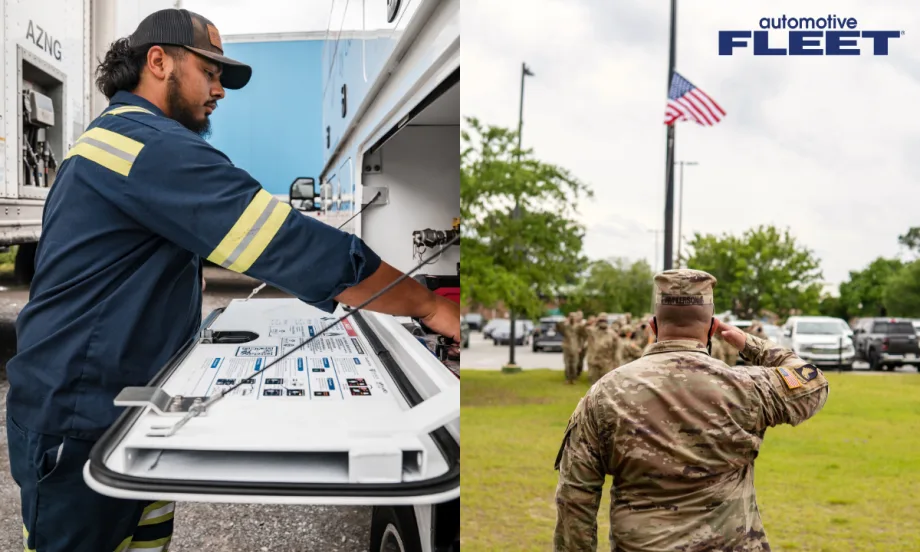
Military experience can be a perfect gateway into the fleet world and bridges an important gap between civilians and military members. Raul Zepeda of Fort Cambpell, a veteran to technician example, is pictured above.
Credit:
Automotive Fleet / Cox Fleet
7 min to read
- The technician shortage has led to decreased uptime for fleets, affecting their operational efficiency.
- Recruiting veterans can be a strategic solution to address the lack of skilled technicians.
- Providing targeted training programs for veterans can help integrate them into fleet technician roles effectively.
*Summarized by AI
Editor's Note: This article is a contributed piece and the views and opinions expressed are those of the author and do not necessarily reflect those of Automotive Fleet or Bobit Business Media.
The technician shortage is hitting fleets where it hurts most: uptime. When shops are short-staffed, repairs take longer, preventative maintenance gets harder to schedule, and vehicles spend more time waiting instead of working. For fleets already under pressure to keep assets moving, the labor shortage has become much more than a hiring problem.
At the same time, thousands of service members transition from their military service to civilian careers each year with experience maintaining tactical vehicles, aviation systems, heavy equipment, and other mission-critical machinery. Many already know how to diagnose mechanical problems, work under pressure, follow strict safety procedures, and keep equipment ready when failure is not an option.
So why aren’t more of them entering fleet maintenance and how can fleets and maintenance service providers solve the disconnect of matching a rich talent pool and easing one of the industry’s biggest workforce challenges?
Why Military Experience Translates to the Shop
Technical experience is only part of what veterans can bring to fleet maintenance. The discipline, accountability and adaptability developed through military service can be equally valuable, particularly as fleets look not only to recruit technicians, but build a workforce that stays for the long term.
Those skills matter in a fleet environment. Technicians rarely work in isolation, their decisions affect drivers, maintenance teams, customers and ultimately whether a vehicle gets back on the road. Being able to communicate, problem-solve, take ownership of a job and work effectively with others can be just as important as knowing how to complete the repair itself.
Additionally, fleets shouldn’t necessarily limit veteran recruiting to candidates with a mechanical military background.
Some veterans may need more technical training when they enter the industry, but still bring the discipline, adaptability, and willingness to learn that can make them successful technicians. With technician demand continuing to outpace supply, looking at aptitude alongside existing experience can help fleets expand the potential talent pool.
There are signs this approach can pay off in retention, too. Data from groups like Fastport shows that veteran retention rates in apprenticeship programs reach up to 94%, pointing to the potential value of veteran recruiting beyond simply filling an immediate opening.
Bridging the Military-to-Civilian Gap
One of the biggest challenges is that military experience doesn’t always translate cleanly on paper.
Military occupational specialties may not match civilian job titles, making it difficult for hiring managers to understand how a veteran’s experience applies to an open technician position. Veterans may face the same challenge when trying to explain years of military training and responsibilities on a civilian resume.
Having recruiters who understand military culture can make the transition easier from the first conversation. Veterans often benefit from working with someone who can interpret military experience, understand the transition process, and remain a point of contact throughout recruiting and onboarding rather than handing the candidate off at each stage.
Hiring managers can get a better understanding by looking beyond the title. Ask what equipment the candidate maintained, which systems they worked on, how they diagnosed problems, what safety processes they followed, and what responsibilities they had for keeping equipment operational.
There can also be an adjustment to the civilian workplace itself. Veterans are coming from a highly structured environment with clear expectations and accountability. Civilian fleet operations still require structure, but employees typically have more flexibility and choice in how they work and build their careers.
That makes support during the transition particularly important. As we’ve seen through veteran recruiting, empathy, trust, and having someone available to help navigate that adjustment can make the transition into civilian work much smoother.
Building a Path into the Industry
Recruiting veterans is only one part of the equation. Fleets also need programs that help service members translate their existing skills and build the ones they may be missing.
The Department of Defense SkillBridge program is one example. It allows eligible transitioning service members to spend up to 180 days gaining civilian work experience before leaving the military. During that period, veterans can learn the skills and processes specific to a fleet operation while employers have an opportunity to develop potential long-term employees.
Fleets also need to consider the practical costs of entering the industry. Technicians are typically required to have their own tools, and that upfront expense can be a barrier for veterans starting a civilian career. Tool programs that cover those costs or provide tools at no cost after an employee stays for a set period can help remove that barrier and make the transition into the industry more accessible.
Training programs can also create opportunities for veterans who didn’t serve in technical roles. Through Cox Fleet’s Internal Technician Training Academy, which has graduated over 40 veteran technicians in the last 3 years, participants can learn foundational skills such as preventative maintenance and basic vehicle service, gain field experience, and continue developing their capabilities through additional training.
This approach expands the potential hiring pool. Instead of looking exclusively for someone who arrives with every technical qualification, fleets can also identify candidates who have the right foundation and invest in developing the rest.
Continuity throughout recruiting and onboarding is another important piece. Having recruiters who understand military culture and who remain involved throughout the process, gives transitioning veterans a consistent person to turn to when questions or challenges come up.
Once technicians enter the field, that development should continue through mentorship, regular check-ins, and opportunities to take on increasingly complex work.
Creating Careers, Not Just Filling Openings
Veteran hiring can also become a long-term retention strategy when employees can see where their careers can go.
Raul Zepeda was recruited out of Fort Campbell with experience as a wheeled vehicle technician. He entered Cox Fleet’s Internal Technician Training Academy, moved into an apprentice role, and progressed through multiple technician levels before becoming a senior mobile diesel tech. Over five years, he gained experience across several different roles, including invoicing and estimating, before moving into leadership. His progression also reflects the earning potential that can come with building a career in the field: senior diesel technicians earn an average of approximately $34-$40, per hour nationally.
Nicholas Brown came from a different background. He served as a medic rather than a vehicle technician, but his military experience still aligned with the skills and mindset needed to build a career within the organization. Today, he is a senior purchasing coordinator. Nationally, senior purchasing coordinators earn an average base salary of approximately $64,000 annually, according to Indeed Data.
Zepeda and Brown’s paths show why veteran hiring shouldn’t be viewed simply as a way to fill today’s technician openings. For some employees, the next step may be becoming a more advanced technician. Others may move into management, operations, purchasing, training, or another area of the business.
Building the Technician Workforce of the Future
The technician shortage isn’t likely to disappear in the near term, and neither is competition for experienced talent. Fleets need to think more broadly about where their next generation of technicians will come from.
Veteran recruiting can be one piece of that strategy alongside technical schools, apprenticeships, training programs, and other workforce partnerships. At the same time, fleets will need to continue investing in the technicians they already have as technology changes the skills required in the shop.
Diagnostics, connected vehicle technology, and AI are becoming a larger part of vehicle maintenance. Technical skills will continue to matter, but so will the ability to learn, adapt, and work with new tools.
For fleets facing an ongoing technician shortage, veterans represent a talent pool with many of those qualities already in place. Creating clearer pathways into the industry can help service members translate their experience into long-term civilian careers while giving fleets another way to build the skilled workforce they’ll need for the future.
About the Author

Credit:
David Green
David Green is a General Manager for Cox Fleet, leading the Tennessee market. A seasoned trucking industry leader with more than 41 years of progressive, hands‑on leadership experience across the commercial transportation and fleet‑service sector. Beginning his career as a Preventive Maintenance and Tire Repair Technician, David built a deep technical foundation that shaped his operational expertise and leadership style as he advanced through increasingly complex management roles.
Over the course of his career, David has led large teams, managed multi-state operations, and driven disciplined financial management, strategic planning, and strong organizational development. His strengths include P&L oversight, operational analysis, inventory management, staff recruitment, and mentoring leaders to elevate performance.
Subscribe to Our Newsletter
More Operations

Avis Budget Group Deploys Neology Toll Management Technology Across Major Brands
Neology’s neoFleet platform will manage toll transactions and toll-authority operations for vehicles across Avis, Budget, Payless, Budget Truck and Zipcar.
Read More →
Fleet Personal-Use Charges Edge Higher in 2026
Nearly eight in 10 surveyed fleets allow personal use of company vehicles, while just over half of respondents report charging employees for the privilege.
Read More →
The Future of Fleet + What’s Changing Right Now | AF News Recap
Could developments overseas offer a preview of what’s coming for U.S. fleets? This week, we’re looking at the future of AI, autonomy, and electrification, plus Ford Pro’s new certified pre-owned program, smarter vehicle offboarding, and a new way for fleets to manage toll expenses.
Read More →
How to Handle Vehicle Offboarding
What do fleet managers need to do when a driver leaves?
Read More →
Sponsored•October 1, 2026
Fleet Manager’s Ultimate Playbook: Navigating the New Standard in OEM Connectivity
Rising operating costs, driver safety concerns, and unplanned downtime are putting unprecedented pressure on modern fleets. Discover how fleet managers use embedded OEM connectivity and real-time vehicle data to cut TCO, prevent downtime, and protect drivers without aftermarket telematics hardware.
Read More →
U.S. Bank Adds Verra Mobility Toll Management to Voyager Fleet Platform
The integration allows U.S. Bank Voyager fleet customers to manage toll payments and violations alongside fuel, EV charging and maintenance expenses.
Read More →
ADAS Prevents Crashes. But Repairs Cost More | AF News Recap
ADAS-equipped vehicles may crash less often, but they can cost more when they do. This week, we’re breaking down what that tradeoff means for fleets, plus Subaru’s first Forester Wilderness Hybrid, Nissan’s new e-POWER Rogue, and why Calstart has become Catalyst Mobility.
Read More →
Moventum Fleet Management Names Mark Iorillo Head of Sales
Iorillo brings nearly 20 years of fleet management and sales experience to the role, including previous positions at Element Fleet Management, CEI, Donlen and Ryder.
Read More →
Fleet Has a Talent Pipeline Problem. What Comes Next? | AF News Recap
Where will fleet’s next generation of leaders come from? This week, we’re looking at the industry’s talent pipeline, what certification can add to a fleet career, how to build an award-worthy track record, and the return of Automotive Fleet’s Personal Use Survey.
Read More →
Smith System Launches Driver Risk Management Program
Fleets have more driver data than ever, but identifying risky behavior doesn't necessarily correct it. Smith System's new Driver Risk Management program combines monitoring, training, and follow-up coaching to help fleets connect risk signals with driver intervention.
Read More →